 Afrikaans
 Azərbaycan
 Bosanski
 Čeština
 Dansk
Dansk Deutsch
 English
 Español
 Filipino
 Français
 Hrvatski
 Indonesia
 Italiano
 Magyar
 Melayu
 Nederlands
 Norsk
Norsk Oʻzbek
 Polski
 Português
 Română
 Slovenčina
 Slovenščina
 Suomi
Suomi Svenska
 Tiếng Việt
 Türkçe
 Ελληνικά
 Беларуская
 Български
 Русский
 Српски
 Українська
 עברית
עברית اردو
اردو العربية
 پښتو
پښتو فارسی
فارسی አማርኛ
አማርኛ मराठी
मराठी বাংলা
বাংলা தமிழ்
தமிழ் ไทย
ไทย မြန်မာ
 한국어
한국어 中文
中文 日本語
日本語

This blog post serves as a comprehensive guide to enhancing conversions through the effective use of push notifications. It begins by addressing the significance of push notifications, emphasizing the crucial roles of audience segmentation and crafting compelling titles/content. By examining success rates and statistics, practical insights are provided through applications and examples. While discussing ways to optimize push notifications with A/B testing, common pitfalls are also highlighted. In conclusion, the guide summarizes how to leverage the power of push notifications with the right strategies and shares tips for achieving more conversions in a short time.
Introduction to the Importance of Push Notifications
In today's digital landscape, mobile devices and applications have become an integral part of our lives. In this highly competitive environment, capturing user attention and keeping them engaged with your app is more crucial than ever. This is where push notifications come into play. When used with the right strategies, push notifications can be one of the most effective ways to boost user engagement, increase conversions, and strengthen brand loyalty.
Push notifications are short messages sent directly to users' devices by applications. These messages can inform users about new content, special offers, reminders, or other important updates. However, it is crucial that every push notification sent is valuable and relevant. Otherwise, users may turn off notifications or completely uninstall your app.
- Benefits of Push Notifications
- Increases User Engagement: Encourages users to return to the app and aids in interaction.
- Boosts Conversions: Raises sales through special offers and discounts.
- Strengthens Brand Loyalty: Increases user loyalty to the brand through consistent and valuable communication.
- Improves User Experience: Provides solutions tailored to users' needs with personalized content.
- Provides Instant Updates: Quickly conveys urgent announcements and updates.
Creating an effective push notification strategy involves understanding your target audience, timing your messages correctly, and crafting engaging content. In this guide, we will explore how to utilize push notifications most effectively, increase conversions, and what to pay attention to.
Types and Applications of Push Notifications| Type of Notification | Description | Applications |
|---|---|---|
| Promotional Notifications | Inform about special offers, discounts, and campaigns. | E-commerce, retail, food and beverage applications |
| Informational Notifications | Provide current information like weather updates, news, and sports scores. | News applications, weather applications, sports applications |
| Transactional Notifications | Notify about order confirmations, shipment tracking, payment reminders. | E-commerce, banking, finance applications |
| Engagement Notifications | Inform about new messages, comments, likes, and social interactions. | Social media applications, forums, community applications |
Remember, push notifications are not just a marketing tool; they also serve as a communication channel you establish with your users. By utilizing this channel effectively, you demonstrate that you value them and care about their needs. Otherwise, notifications perceived as spammy or annoying can damage your app's reputation and lead to user loss.
Throughout this guide, you will discover ways to effectively use push notifications and learn how to enhance your strategies with successful examples. Our aim is to equip you with the tools and information you need to make the most of the power of push notifications.
How to Create Effective Push Notifications?
Creating effective push notifications is one of the keys to increasing user engagement and boosting conversions. However, not every notification creates the same impact. There are many factors to consider for a successful push notification strategy. Delivering the right message to the right audience at the right time forms the foundation of this process.
| Factor | Description | Example |
|---|---|---|
| Target Audience | Who the notification will be sent to. | Sending sports news to users only interested in sports. |
| Timing | When the notification will be sent. | Sending notifications during times when users are active. |
| Content | The message and content of the notification. | Using an intriguing title and description that will prompt the user to act. |
| Personalization | The notification should be specific to the user. | Addresing the user by name or providing content relevant to their interests. |
When creating push notifications, it is essential to use creative and engaging headlines to capture users' attention. The headline is the first factor that will encourage the user to open the notification. Additionally, the content of the notification should be clear, concise, and add value to the user. Avoid complex and confusing expressions.
- Step-by-Step Process
- Define and segment your target audience.
- Analyze user behaviors to determine the best timing.
- Create captivating and personalized headlines.
- Attract user interest with a clear and concise message.
- Use a call-to-action (CTA) to encourage conversions.
- Experiment with different notification variations through A/B testing.
- Continuously monitor performance and optimize your strategy.
Conducting A/B tests is also critical for successful push notifications. By testing different headlines, content, and timings, you can identify which combination yields the best results. These tests allow you to continually improve your push notification strategy and increase user engagement.
Remember, push notifications are not just a marketing tool; they also provide an opportunity to enhance user experience. By offering valuable and relevant content, you can boost users' interaction with your app and strengthen their loyalty. Therefore, meticulously plan each push notification and optimize it to meet your users' expectations.
Understanding and Segmenting Your Audience
One of the keys to effectively using push notifications is to deeply understand your target audience and segment them accurately. Each user has different interests, behaviors, and demographic characteristics. Thus, sending personalized and targeted notifications, rather than a one-size-fits-all approach, can significantly increase conversion rates. Understanding your audience helps you determine what types of messages will resonate with them, when they will be most effective, and which offers will be most appealing.
Proper segmentation allows you to send tailored messages to your users. This enhances the user experience and helps strengthen their connection with your brand. For example, if you are launching a new product, you can send a push notification targeted to a specific user segment likely to be interested in that product. This will be much more effective than a general announcement.
- Requirements for Understanding Your Audience
- Collect and analyze user data
- Segment based on demographic characteristics
- Segment based on behavioral data
- Segment based on interests
- Collect and assess feedback
- Optimize through A/B testing
The following table provides an example of different segmentation strategies and how they can be applied:
| Segmentation Criterion | Description | Example Application |
|---|---|---|
| Demographic | Basic attributes such as age, gender, location | Special discounts for female users aged 25-35 |
| Behavioral | Frequency of app use, purchase history | Reminder notifications for users who haven't used the app in the last 30 days |
| Interests | Topics users are interested in | Campaigns for sports products targeting users interested in sports |
| Technological | Types of devices users are using, operating systems | Notifications about app updates for iOS users |
Segmentation is only the beginning. You must continuously collect and analyze data. User behaviors can change over time; therefore, regularly updating your segments ensures that your push notifications remain relevant and effective. In this process, taking user feedback into account and conducting A/B testing will help optimize your strategies.
Demographic Characteristics
Demographic characteristics include basic information such as users' age, gender, location, and income level. This data is important for creating a general profile and understanding who your users are. For example, while dynamic and fun content can be created for younger users, informative and credible content can be offered to older users.
Interests
Users' interests indicate what topics they are attracted to and what types of content they interact with. By using this information, you can provide users with tailored content and offers. For example, if you have an e-commerce application and know that a user has looked at sports products in the past, you can send them push notifications regarding sports products.
Behavioral Data
Behavioral data shows how users behave within the app, what features they use, and how frequently they interact. This data is important for understanding users' needs and preferences. For instance, if you notice that a user frequently uses a particular feature, you can send notifications about tips or updates relevant to that feature.
Keep in mind that each push notification is an opportunity. To seize this opportunity effectively, you should know your audience well and send them engaging, personalized messages that add value. Otherwise, you risk having users turn off your notifications or uninstall your app.
Statistics and Success Rate of Push Notifications
Push notifications hold significant importance in mobile marketing; however, success rates vary based on several factors. The average click-through rate (CTR) of a push notification can range from 4% to 8%, depending on the industry, target audience, and quality of the content. It is worth noting that personalized notifications sent at the right time can substantially increase these rates. Especially in the e-commerce sector, push notifications reminding users of items left in their carts or offering special discounts are particularly effective in boosting conversion rates.
The success of push notifications should not be measured solely by click rates. Notifications also have indirect effects, such as increasing user engagement, strengthening brand awareness, and promoting in-app activity. For example, an instant notification sent for a news app can lead a user to open the app, consume more content, and increase their attachment to the app. Thus, when creating push notification strategies, the desired outcomes and KPIs should be clearly defined.
- Factors Affecting Success
- Proper segmentation of the target audience
- Personalized and relevant content
- Timing and frequency accuracy
- Attention-grabbing and action-oriented messages
- Continuous optimization through A/B testing
Additionally, the frequency of push notifications is a critical factor from a user experience perspective. Sending notifications too frequently can annoy users and prompt them to disable notifications or even uninstall the app. Therefore, it is important to conduct A/B tests and consider user feedback to determine the ideal frequency. Generally, sending notifications 1-3 times a day tends to maintain engagement while reducing the risk of annoyance.
Performance Metrics for Push Notifications| Metric | Description | Ideal Value |
|---|---|---|
| Click-Through Rate (CTR) | The proportion of users who click on the notification | 4% - 8% (Varies by Industry) |
| Conversion Rate | The proportion of users who complete the targeted action via the notification | 2% - 5% (Varies by Campaign) |
| App Open Rate | The proportion of users who open the app after receiving the notification | 10% - 20% |
| Opt-Out Rate | The proportion of users who disable notifications |
Applications and Examples of Push Notifications
Push notifications are a powerful way for mobile applications and websites to engage users. When used strategically, they can enhance user engagement, increase conversions, and strengthen brand loyalty. In this section, we will focus on successful applications of push notifications across different industries. These examples will inspire you to develop your own strategies.
Beyond being a marketing tool, push notifications also provide a means to enhance user experience. For instance, an e-commerce application can provide real-time updates about the status of users' orders, thereby ensuring transparency and increasing customer satisfaction. Alternatively, a news app can continuously inform users by sending them personalized news headlines based on their interests.
| Industry | Purpose of Push Notification | Example Message |
|---|---|---|
| E-Commerce | Cart Completion | Items left in your cart! Complete your order now to enjoy exclusive discounts. |
| Travel | Price Alert | Flight prices to Istanbul have dropped! Book your tickets now. |
| News | Breaking News | Breaking: An earthquake has occurred! Get all the details in our report. |
| Entertainment | New Content Announcement | A new episode has been released! Start watching now. |
Successful push notification strategies often begin with understanding users' needs and expectations. Here are some successful application examples:
- Successful Application Examples
- Offering personalized birthday discounts.
- Sending location-based reminders (e.g., reminding about coffee discounts when approaching a café).
- Providing exclusive offers based on app usage habits.
- Announcing new product launches.
- Sending reminders for important events or dates.
- Notifying users about tasks they have not completed.
E-Commerce
In the e-commerce sector, push notifications are utilized for purposes such as reminding users about items left in their carts, announcing discounts, and providing shipment tracking updates. For example, a notification saying "Get your items before they're gone!" can accelerate users' purchase decisions. Additionally, notifications like "Check out our new arrivals!" can entice users back to the app and boost sales.
Education
Educational applications can use push notifications for class reminders, informing about homework deadlines, and announcing new courses. A notification like "Don't forget your math class tomorrow!" ensures that students attend their lessons on time. A notification like "Our new English course has started, click here to enroll!" can pique the interest of new students.
Finance
Finance applications can use push notifications for account activity alerts, investment opportunities, and payment reminders. A notification like "100 TL has been withdrawn from your account" helps users track their finances securely. A message such as "New investment opportunity: Stock X is rising!" can also draw the interest of investors.
Keep in mind that the needs of each sector and app differ. Therefore, you should customize your push notification strategies according to your target audience and the purpose of your app. Additionally, by conducting A/B tests, you should continually measure and optimize which messages are most effective.
Optimization of Push Notifications with A/B Testing
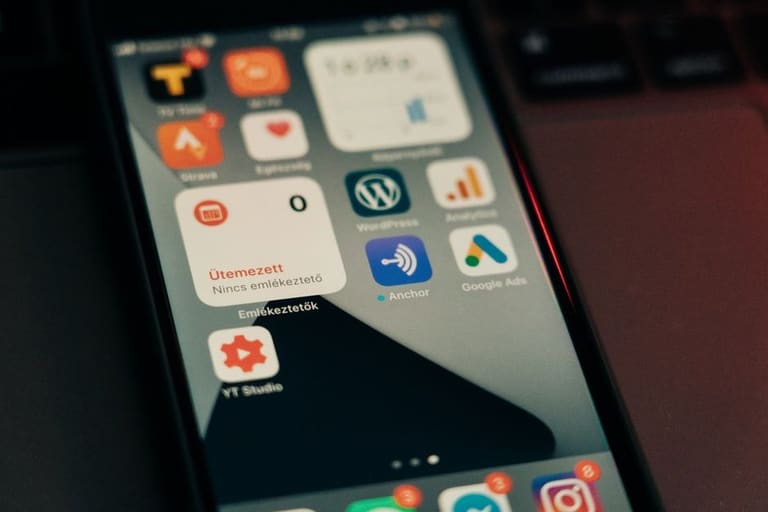
One of the most effective ways to optimize push notifications is through A/B testing. A/B testing involves randomly showing two different versions of a push notification to selected users to determine which performs better. Through these tests, you can measure the effects of various factors such as headline, content, send time, and target audience on conversion rates. A/B testing enables you to make data-driven decisions rather than relying on assumptions, continuously improving your push notification strategies.
The success of A/B tests relies on identifying the correct metrics and managing the testing process carefully. For instance, for an e-commerce app, conversion rates, click-through rates (CTR), and in-app engagement can be significant metrics. When designing your tests, change only one aspect of each variation to clearly identify the variable affecting the results. This will help you understand which changes truly work and allow you to optimize your future push notification campaigns more consciously.
| Metric | Variation A | Variation B | Result |
|---|---|---|---|
| Click-Through Rate (CTR) | 5% | 8% | Variation B Performs Better |
| Conversion Rate | 2% | 3% | Variation B Performs Better |
| In-App Engagement | 1000 | 1500 | Variation B Performs Better |
| Bounce Rate | 20% | 15% | Variation B Performs Better |
A/B testing is not limited to text; it can also include visual elements, emojis, and even the timing of the push notification. For example, you can compare the performance of notifications sent at different times of day to determine when the majority of users are active. Such tests allow for a better understanding of user behaviors and enable you to adapt your push notifications to their needs and preferences. Remember that ongoing testing and optimization is key to enhancing the effectiveness of push notifications.
- Steps for A/B Testing
- Set a goal (e.g., to increase the click-through rate).
- Create a test hypothesis (e.g., using emojis increases the click-through rate).
- Develop two different versions of the push notification (A and B).
- Randomly split your target audience into two groups.
- Send the different versions to each group.
- Monitor the defined metrics and analyze the results.
- Apply the winning version and repeat the cycle for new tests.
The data obtained from A/B tests helps you continuously improve your push notification strategies. Each test provides you with new insights about your users, and you can leverage this information to achieve better outcomes in your future campaigns. Keep in mind that each target audience may respond differently, making continuous testing crucial. This allows you to establish more effective communication with your users through push notifications and increase conversion rates.
Creating Captivating Titles and Content
One of the most important steps to effectively using push notifications is creating captivating titles and content. Generic and ordinary titles that do not capture users' interest can reduce notification open rates. Thus, titles should be short, concise, and intriguing. The content must support the title and provide clear and valuable information. Remember, your aim is to prompt the user to take action as soon as possible.
When creating titles and content, consider your target audience's interests and needs. For example, when announcing a discount on an e-commerce app, using a generic title like "Big Sale Started!" can be less effective than a more specific and personalized title like "Up to 50% Off on Your Favorite Brands!" This approach increases user engagement and likelihood of clicking. Additionally, using words that create a sense of urgency can further drive conversions.
Effective Title Creation Tips
- Be short and concise: Your titles should not exceed 10 words.
- Spark curiosity: Ask questions that encourage users to click.
- State your value proposition: Clearly communicate what users will gain.
- Use personalization: Incorporate user-specific information like names or locations into titles.
- Utilize emojis: Add appropriate emojis to make your titles more eye-catching.
- Create urgency: Encourage action by offering limited-time offers or last chances.
When crafting content, ensure it delivers what you promised in the title. Provide valuable information, answer questions, or offer solutions to problems. Make sure your content is clear, understandable, and easy to read. Avoid unnecessary jargon and use language that users can comprehend. Additionally, incorporating visual elements (images, videos, GIFs) can enhance the engagement of your content.
| Element | Good Example | Poor Example |
|---|---|---|
| Title | Last 24 Hours! 30% Discount | Campaign |
| Content | Unmissable opportunities for new season products! | Our products are of high quality. |
| Personalization | [Name], your special discounts are here! | Dear customer, |
| Emoji | Summer deals are here! ☀️ | Big news! |
Remember, the communication you establish with users through push notifications also shapes your brand's image. Therefore, always strive to present professional, respectful, and valuable content. Avoid notifications that could be perceived as spammy or misleading, as this could lead to users opting out of your notifications or uninstalling your app.
Achieving More Conversions in a Short Time
By using push notifications with the right strategies, it is possible to achieve more conversions in a short period. This is crucial for those looking for quick results in mobile marketing. Instant notifications are a highly effective tool for prompting user action, announcing special offers, and conveying important updates. However, to fully utilize this potential, there are important points to consider.
When creating an effective push notification strategy, it is important to consider your target audience's interests and behaviors. Sending personalized and targeted notifications instead of generalized messages increases the likelihood of capturing users' interest and improving conversion rates. For example, for an e-commerce site, sending a notification about a discount on products the user has previously browsed may be much more effective than a general discount announcement.
| Metric | Description | Improvement Techniques |
|---|---|---|
| Click-through Rate (CTR) | The proportion of users who click on the notification. | More attractive titles, relevant content, correct timing. |
| Conversion Rate | The percentage of users taking the desired action (purchase, registration, etc.) after receiving the notification. | Clear calls to action (CTA), simplified processes, special offers. |
| Retention Rate | The percentage of users who continue using the application. | Delivering valuable content, regular updates, personalized experiences. |
| Opt-Out Rate | The proportion of users who stop receiving push notifications. | Avoiding too frequent notifications, providing relevant content, giving users control. |
Moreover, the timing of push notifications is of great importance. Sending notifications during times when users are active increases the chances of them seeing the message and interacting. For example, sending notifications related to news or current events in the morning and notifications related to shopping or entertainment in the afternoon may be more effective. Therefore, it is critical to analyze your audience's behaviors to determine the best timing strategy.
Tips for Quick Conversions
- Send Personalized Notifications: Create messages tailored to users' interests and behaviors.
- Target the Right Timing: Send notifications during times when users are active.
- Use a Clear Call to Action (CTA): Guide users on what they should do.
- Provide Valuable Content: Offer information or offers that benefit users.
- Perform A/B Testing: Test different titles, content, and timings to achieve the best results.
- Use Segmentation: Group users into different categories to send more relevant notifications.
Regularly tracking and analyzing the performance of push notifications helps enhance your strategy continuously. By monitoring metrics such as click-through rates, conversion rates, and opt-out rates, you can determine which notifications are more effective and which need improvement. Based on this data, it is possible to optimize push notifications to achieve greater conversions.
Common Mistakes of Failed Push Notifications
Push notifications can be a powerful way to enhance user interaction and boost conversions when used correctly. However, certain mistakes can completely negate this potential. In this section, we will examine the most common reasons for failed push notifications and how to avoid these mistakes. Failed push notifications often negatively impact user experience and damage your app's reputation. Therefore, understanding and preventing these errors is critically important.
Common Mistakes Made
- Sending Irrelevant Content: Sending generic content that does not cater to user interests.
- Excessive Notification Frequency: Sending notifications too frequently, causing user fatigue.
- Wrong Timing: Sending notifications at inappropriate times (e.g., late at night).
- Avoiding Personalization: Failing to create user-specific content and sending general messages instead.
- Not Including a Call to Action: Sending notifications that do not encourage users to take specific actions.
- Not Conducting A/B Testing: Not testing different messages and strategies to identify the most effective approach.
The following table provides a more detailed overview of the common causes of failed push notifications, possible outcomes, and recommended solutions. This table will assist you in developing your strategy and sending more effective push notifications.
| Error | Possible Outcomes | Recommended Solutions |
|---|---|---|
| Irrelevant Content | Users disabling notifications, uninstalling the app | Segment users and send content that matches their interests |
| Excessive Frequency | Notifications being ignored, user annoyance | Adjust notification frequency, consider user preferences |
| Wrong Timing | Notifications going unnoticed, negative user reactions | Send notifications during users' active hours, consider time zones |
| Lack of Personalization | Low engagement rates, failure to capture user interest | Create personalized messages using user data |
Remember, every push notification is an opportunity. To take full advantage of this opportunity, it is essential to understand your users well and offer them engaging content tailored to their needs and interests. Personalization, timing, and content quality are the cornerstones of a successful push notification strategy. By paying attention to these elements, you can significantly enhance the impact of your push notifications.
It is important to continuously measure and analyze the success of push notifications. Understanding which messages perform better, which timings are most effective, and which segments engage the most allows you to optimize your strategy consistently. Conduct A/B testing to experiment with various approaches and identify the methods that yield the best results. This ensures that your push notifications reach users effectively and increase your conversions.
Conclusion: The Power of Effective Push Notifications
Using push notifications effectively is a crucial part of your mobile marketing strategy. With the right strategies, you can boost user engagement, elevate conversions, and strengthen brand loyalty. However, leveraging this power requires prioritizing user experience and providing personalized, valuable content.
</| Metric | Old Status | New Status (After Optimization) |
|---|