 Afrikaans
 Azərbaycan
 Bosanski
 Čeština
 Dansk
 Deutsch
 English
 Español
 Filipino
 Français
 Hrvatski
 Indonesia
 Italiano
 Magyar
 Melayu
 Nederlands
 Norsk
 Oʻzbek
 Polski
 Português
 Română
 Slovenčina
 Slovenščina
 Suomi
 Svenska
 Tiếng Việt
 Türkçe
 Ελληνικά
 Беларуская
 Български
 Русский
 Српски
 Українська
 עברית
 اردو
 العربية
 پښتو
 فارسی
 አማርኛ
 मराठी
 বাংলা
 தமிழ்
 ไทย
 မြန်မာ
 한국어
 中文
 日本語


Creating a Zero Waste Compost at Home and Using a Bokashi Bin involves setting up a microenvironmental website that tackles a specific environmental issue—household organic waste—with a clear content structure. Such a site provides practical answers to strong search intent questions like what compost is, how to use a bokashi bin, what waste can be added, how to prevent odors, and how to set up a system on a balcony or in the kitchen. With the right domain name, fast hosting, secure SSL, and well-planned SEO, this micro-site can raise environmental awareness and gain organic traffic in the long term.
In the 2026 SEO approach, simply focusing on keywords is no longer sufficient. Google evaluates user experience, expertise signals, real examples, timeliness, and page experience together. Therefore, a microenvironmental site focused on home composting and bokashi should be viewed not just as an informative blog, but as a resource center built on measurable experiences, clear tables, step-by-step guides, visual aids, and reliable technical infrastructure.
This guide will detail how to plan a niche website centered around home zero waste composting and bokashi bins, which content clusters to create, how to set up an SEO structure, and how to technically launch the site from the perspective of the Hostragons blog.
What is a Microenvironmental Site and Why is This Topic a Strong Niche?
A microenvironmental site is a website that focuses on a single problem rather than broad environmental topics, offering narrow yet in-depth content. For example, while a general environmental blog might cover energy conservation, water usage, climate crisis, recycling, and sustainable fashion, a micro-site specializes only in home composting, bokashi bins, and organic waste management.
This approach has significant SEO advantages. First, because the topic cluster is clear, search engines can easily understand the site's area of expertise. Second, since users can find ongoing answers to their questions on the same site, the time spent on the page and internal navigation increases. Third, instead of targeting broadly competitive terms like sustainable living, it's possible to reach more intent-driven long-tail searches like "does balcony compost smell?" or "how many days does a bokashi bin take to fill?"
In Turkey, home zero waste applications should be considered alongside local conditions such as municipal zero waste projects, apartment living, homes with balconies, and small kitchens. This ensures that the micro-site produces not just theoretical information but also local and practical guides.
How to Define the Target Audience and Search Intent?
A successful micro-site doesn't try to appeal to everyone. The most valuable target audiences for home composting and bokashi include:
- Beginners living in apartments: They want to manage their organic waste without issues like odor, flies, or mess.
- Balcony or small garden owners: They want to use compost for pots, seedlings, and soil improvement.
- Newcomers to zero waste living: They are looking for simple systems to reduce kitchen waste.
- Schools and teachers: They seek safe and understandable content to demonstrate the organic cycle to students.
- Municipal or community volunteers: They are looking for resources for neighborhood awareness efforts.
Categorizing search intent is fundamental to content planning. Informational intent articles should cover topics like "what is compost?" and "what is bokashi?"; comparative intent articles should explore "bokashi vs. traditional compost"; and practical intent articles should include pages like "how to set up a bokashi bin" or "step-by-step guide to home composting."
Choosing a Domain Name, Hosting, and Technical Infrastructure
To ensure the micro-site looks trustworthy, a short, memorable, and topic-related domain name should be chosen. For example, names like compostguide, bokashiathome, zerowasteliving, or organicwastemanagement immediately convey the subject to users. It's important to avoid using special characters, keep the name short, and choose an easily pronounceable structure. To check for suitable domain names, Hostragons Domain Lookup page can be consulted.
On the hosting side, a site focused on environmental issues must not be slow, insecure, or frequently interrupted. In the 2026 SEO standards, page load speed, mobile usability, and security are still critical signals. For starters, a WordPress-compatible package with SSD/NVMe infrastructure and regular backups may suffice. At this stage, a scalable start can be made through Hostragons Web Hosting Packages.
An SSL certificate is no longer optional; it is a fundamental security requirement. Even if users do not fill out a form, HTTPS prevents browser security warnings and gives the site a professional appearance. Before going live, a secure connection must be activated using Hostragons SSL Certificate solution.
Content Architecture for Compost and Bokashi
The strongest aspect of a microenvironmental site is planning content around topic clusters rather than publishing randomly. The homepage should explain what the site does in 5 seconds: Guides for composting and bokashi to reduce household organic waste. Then come the main category pages.
Suggested Main Categories
- Composting Basics: What is compost, carbon-nitrogen balance, brown and green waste.
- Bokashi Bin: Bokashi bran, fermentation process, liquid fertilizer usage.
- Home and Balcony Applications: Odor prevention in apartments, balcony composting, small space solutions.
- Troubleshooting: Odor, mold, flies, excess moisture, slow decomposition.
- Product and Equipment Guides: Bin selection, gloves, aeration devices, compost thermometer.
- Zero Waste Living: Reducing kitchen waste, shopping planning, storage methods.
This structure allows for easy navigation for users while clearly showing search engines the scope of the site. When 8-12 quality contents are produced under each category, even a small site can achieve a strong position in specific searches.
Comparison Table of Compost and Bokashi
One of the most frequently asked questions from users is the difference between traditional composting and a bokashi bin. Therefore, a short and clear comparison table must be included on the micro-site.
| Criterion | Traditional Home Compost | Bokashi Bin |
|---|---|---|
| Process | Oxygen-rich decomposition | Anaerobic fermentation |
| Space required | Balcony, garden, or ventilated container | Sealed bin inside the kitchen |
| Duration | Can vary from 8-16 weeks | Fermentation takes 2 weeks, additional time needed to mix into soil |
| Odor risk | Increases if moisture balance is disrupted | Low if the lid is securely closed, may have a sour pickle smell |
| Addable waste | Vegetables, fruits, coffee grounds, leaves | Vegetables, fruits, cooked food scraps, small amounts of dairy/meat residue |
| For beginners | Requires some balance knowledge | More controlled if instructions are followed |
This table is suitable for featured snippet candidacy and provides quick decision support to users. Detailed explanatory articles can expand on each row beneath the table.
Practical Steps for Home Zero Waste Composting
The core guide content of the site should be practical enough for readers to implement immediately. The following steps can be used for those looking to start traditional composting at home.
1. Choose the Right Container
For starters, a 15-30 liter lidded plastic bin with air holes is sufficient. If using on a balcony, it's important to place a leakage tray underneath. If used indoors, a smaller volume and frequent checks are recommended to reduce odor risk.
2. Balance Brown and Green Materials
For healthy compost progress, green waste and brown materials must be balanced. Green waste includes vegetable and fruit peels, coffee grounds, and tea bags. Brown materials include dry leaves, cardboard, egg cartons, sawdust, and dry twigs. A practical starting ratio is 1 part green waste to 2 parts brown material.
3. Check Moisture and Air
The compost should feel like a damp sponge when squeezed in the hand, not dripping water. If too wet, add cardboard and dry leaves. If too dry, mist with a small amount of water. Turning the compost 1-2 times a week increases oxygen intake and prevents bad odors.
4. Create a What to Add, What to Avoid List
Offering a downloadable or printable list on your micro-site enhances user experience. You can add fruit peels, vegetable scraps, coffee grounds, eggshells, and cardboard to compost. Avoid adding overly oily foods, large meat pieces, plastic, metal, glass, sick plants, and chemically contaminated paper.
5. Measure the Outcome
A household can generate an average of 300-600 grams of organic kitchen waste daily. A family of four can redirect about 2-4 kilograms of organic waste to compost instead of trash each week. Providing such numerical examples on the micro-site helps readers visualize their impact.
Step-by-Step Content Plan for Bokashi Bin
A bokashi bin is a strong topic, especially for apartment dwellers, as it is a closed system, offers more control, and can be implemented in the kitchen. Creating a separate guide series for bokashi on your micro-site will yield good results.
How to Set Up a Bokashi Bin?
- Ensure the bin is tap-equipped and airtight.
- Sprinkle a small amount of bokashi bran at the bottom.
- Chop daily waste into small pieces and add them to the bin.
- Sprinkle bran over each layer of waste.
- Compress the waste to reduce air pockets.
- Seal the lid tightly and keep the bin out of direct sunlight.
- Drain bokashi liquid from the tap every 2-3 days.
- After the bin is full, leave it to ferment for about 14 days.
As bokashi liquid is very concentrated, it should not be applied directly to plants. Typically, it is recommended to dilute at a high ratio, such as 1 part liquid to 100 parts water. Providing such safety warnings increases the site's expertise and responsibility signals.
What to Do After Bokashi?
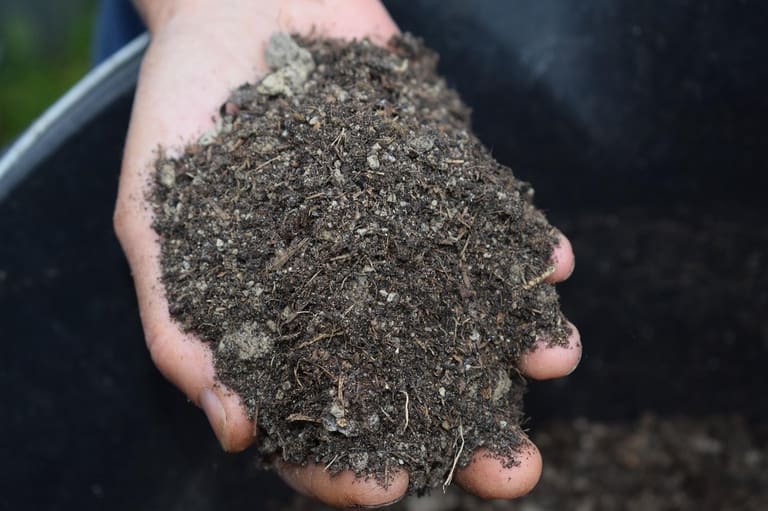
Fermented waste cannot be used directly as ready compost. It should transition to the second stage by being buried in soil, mixed into a garden bed, or added to a mature compost system. For balcony users, the method of mixing with soil in a large pot can be explained. However, to reduce odor risk, it is recommended to cover it with at least 10-15 cm of soil.
Page Structure and Content Format for 2026 SEO
Micro-sites aiming for success in 2026 must write for user intent, not just search engines. Each page should solve a single problem. For example, a page titled "Why Does My Bokashi Bin Smell?" should not extend into a general definition of bokashi but directly present the causes and solutions.
The ideal page structure can be established as follows:
- First paragraph with a clear answer or brief definition.
- Main solution steps with H2 headings.
- Application details with H3 headings.
- Short lists, tables, and measurable examples.
- Natural internal links to related guides.
- Final section with a summary and actionable next steps.
Using original photos in visuals is valuable for E-E-A-T (Experience, Expertise, Authoritativeness, Trustworthiness). For instance, photos of your bokashi bin on day 1, day 7, and day 14 are more trustworthy than stock images. Natural descriptions should also be used in alt texts: sealed bokashi bin in the kitchen, dry leaves layer in a balcony compost bin, etc.
Sample 30-Day Content Calendar
For a newly established micro-site, publishing 12 pieces of content in the first month can be a sufficient start. The goal is not to publish every day but to establish the topic cluster logically.
- Week 1: What is compost? What is bokashi? Starting guide for home composting.
- Week 2: How to use a bokashi bin? What to add to compost? What not to add to compost?
- Week 3: Odor issues, fly problems, moisture balance, balcony composting.
- Week 4: Using bokashi liquid, testing if compost is mature, common mistakes.
Each content piece should link to at least 2 related articles. For instance, linking from the compost odor article to moisture balance and brown material guides directs the user to the right solutions. When setting up technical infrastructure, if WordPress is chosen, WordPress Hosting Setup guide can facilitate the start-up process.
Technical SEO Checklist
No matter how good the content of a micro-site is, if the technical foundation is weak, visibility can be limited. Before going live, the following checks should be performed:
- Is the site running on HTTPS?
- Do menus, tables, and visuals display correctly on mobile?
- Do pages load within 2-3 seconds?
- Are URL structures short and free of special characters?
- Has an XML sitemap been created?
- Does the robots.txt file not block search engines?
- Are images in WebP format and compressed?
- Have 404 pages and redirects been checked?
- Is there an active backup plan?
For performance, a lightweight theme, minimal plugins, and optimized images should be preferred. As traffic increases, moving to more robust resources may be necessary. At this stage, Hostragons Hosting Upgrade Options can be planned for seamless scaling.
Revenue Model and Community Building
Such micro-sites should not only be thought of for ad revenue. More reliable income and impact models can be established. For instance, transparent affiliate links can be used in guides for choosing a bokashi bin. E-books, printable checklists, school workshop documents, or mini training pages for municipalities can also be created.
A newsletter is also a powerful community tool. Weekly zero waste tips, seasonal compost suggestions, and reader experiences can be shared. Privacy policies, cookie notifications, and SSL security should not be neglected on pages that use forms.
How is Success Measured?
The success of a micro-site is not measured solely by visitor numbers. The following metrics offer a healthier picture:
- Monthly growth rate in organic traffic.
- Number of pages ranking in the top 10 for informational queries.
- Average reading time per page.
- Transition rate from internal links to category pages.
- Newsletter subscriptions or downloadable list conversions.
- Reader comments and real-world application feedback.
For example, the target for the first 3 months could be 20 quality contents, 500-1000 monthly organic visits, and at least 50 email subscribers. By the 6th month, long-tail traffic can be increased with troubleshooting content. In micro-sites where publication is patient and regular, small topic clusters can gradually transform into strong authorities.
Common Mistakes
The most common mistake when setting up a home compost and bokashi site is broadening the topic too much. Suddenly writing about vegan recipes, solar panels, electric vehicles, and sustainable fashion can dilute the site's focus. Authority should first be established in organic waste management, and then careful expansion into related subtopics should be made.
The second mistake is producing content with only artificial or general information. Users want to see real measures, photos, durations, and experiences. The third mistake is neglecting technical maintenance. Unupdated plugins, slow pages, and broken links can reduce trust. A small micro-site does not mean it requires no maintenance.
Frequently Asked Questions
How much content is needed for a home zero waste composting and bokashi bin micro-site?
For a start, 15-25 quality pieces of content are sufficient. The key is not to publish a lot of articles but to comprehensively cover major topic clusters like composting basics, bokashi usage, troubleshooting, and equipment guides.
Does a bokashi bin smell in an apartment?
If an airtight, properly sealed bin is used and sufficient bokashi bran is added to each layer, the odor risk is low. Leaving the lid open, not regularly draining the liquid, or failing to compress waste can lead to sour and unpleasant odors.
Is traditional compost or bokashi more suitable for beginners?
Bokashi may be more controlled for those living in apartments and seeking a closed system. Traditional composting is also suitable for those with balconies or gardens who can easily access brown materials like dry leaves and cardboard.
Is it reasonable to use WordPress for this micro-site?
Yes. WordPress is a practical solution for microenvironmental sites due to its category structure, SEO plugins, visual management, and blog publication flow. Good performance can be achieved with a lightweight theme, reliable hosting, and SSL.
How long does it take for a microenvironmental site to gain organic traffic?
While this varies based on competition, content quality, and technical infrastructure, the first meaningful organic signals are typically seen within 2-4 months. With regular content, internal linking, and user-focused updates, stronger results can be achieved within 6-12 months.
Conclusion: Build a Strong Resource from a Small Topic
A microenvironmental site focused on home composting and bokashi, while appearing narrow in scope, is a project with high user intent, strong societal benefit, and sustainable SEO potential. With a clear content architecture, real experiences, fast hosting, secure SSL, and a regular publication plan, this site can become a trusted resource over time.
To get started, first determine your domain name, set up a simple WordPress installation, and plan your first 10 essential guides. If you need assistance with technical infrastructure, you can explore Hostragons solutions to launch your project safely and quickly.