 Afrikaans
 Azərbaycan
 Bosanski
 Čeština
 Dansk
Dansk Deutsch
 English
 Español
 Filipino
 Français
 Hrvatski
 Indonesia
 Italiano
 Magyar
 Melayu
 Nederlands
 Norsk
Norsk Oʻzbek
 Polski
 Português
 Română
 Slovenčina
 Slovenščina
 Suomi
Suomi Svenska
 Tiếng Việt
 Türkçe
 Ελληνικά
 Беларуская
 Български
 Русский
 Српски
 Українська
 עברית
עברית اردو
اردو العربية
 پښتو
پښتو فارسی
فارسی አማርኛ
አማርኛ मराठी
मराठी বাংলা
বাংলা தமிழ்
தமிழ் ไทย
ไทย မြန်မာ
 한국어
한국어 中文
中文 日本語
日本語

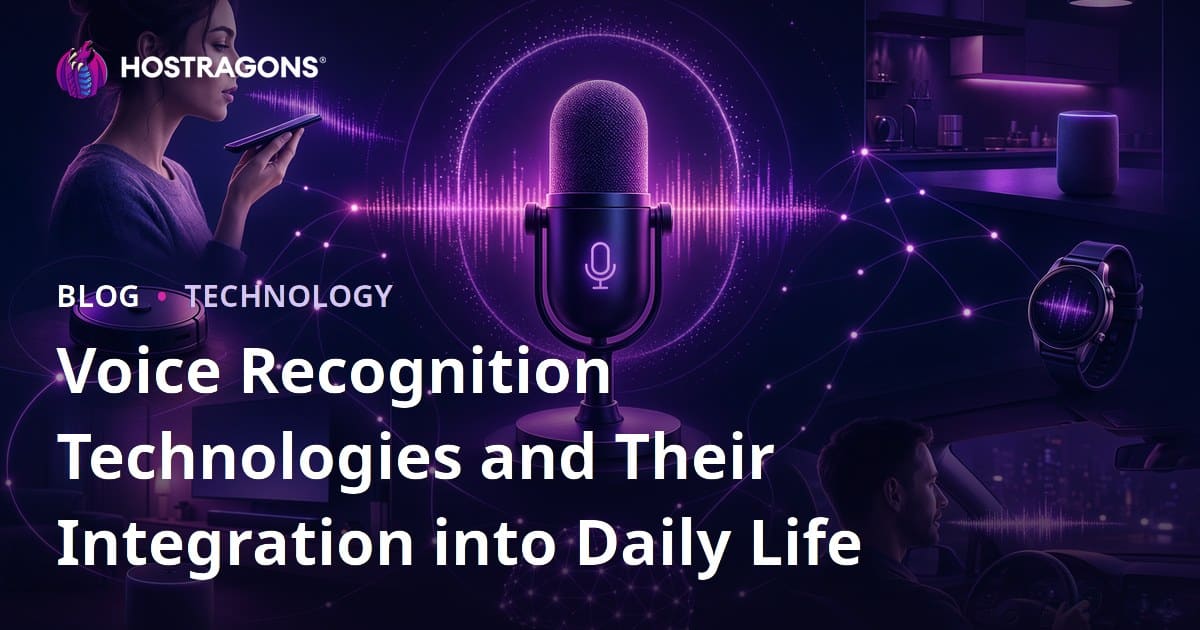
This blog post presents a comprehensive exploration of voice recognition technologies, which are becoming increasingly prevalent in our daily lives. It begins by explaining what these technologies are, followed by a discussion on the various fields in which they are applied (smart homes, automotive, healthcare, etc.). The advantages of voice recognition technologies (speed, accessibility, etc.) are compared against their disadvantages (accuracy issues, noise sensitivity, etc.). Considerations for usage, data security concerns, and future potential are examined. The article concludes by introducing popular voice recognition tools and offering usage methods and strategies. Ultimately, it emphasizes the convenience that voice recognition technologies bring to our lives while highlighting the importance of using them cautiously.
What Are Voice Recognition Technologies?
Voice recognition technologies are systems that analyze human voice signals and understand their content, allowing these systems to process the information correctly. These technologies capture acoustic signals, examining voice frequency, tone, speed, and other characteristics. The data obtained is then converted into text or transformed into actions corresponding to specific commands via pre-trained algorithms and language models. Voice recognition systems involve a complex combination of hardware and software, benefiting from evolving artificial intelligence and machine learning techniques.
The fundamental goal of this technology is to make human natural language understandable to machines. Initially developed to recognize simple commands, voice recognition systems can now perform much more complex tasks. For instance, they can be used to dictate text, control devices via voice, generate automated responses for customer service, or authenticate identity in security systems. Thanks to their continuous learning and adaptation capabilities, voice recognition technologies can now recognize various accents, speech rates, and even different languages.
Core Components of Voice Recognition Technologies
- Acoustic Model: Represents speech units (phonemes).
- Language Model: Calculates the probability of word sequences.
- Lexicon: Contains pronunciations of words.
- Feature Extraction: Extracts meaningful features from sound signals.
- Decoder: Uses acoustic and language models to produce the most probable text.
The performance of voice recognition technologies depends on various factors. In noisy environments, when used with low-quality microphones, or when spoken by individuals with different accents, accuracy rates may decline. However, recent advancements in artificial intelligence have made significant strides in overcoming these challenges. Deep learning algorithms, especially recurrent neural networks (RNNs) and transformer models, have drastically improved voice recognition accuracy. As a result, voice recognition technologies have become more reliable for a broader user base.
Applications for voice recognition technologies continue to expand. In healthcare, doctors can dictate patient notes; in education, students can complete assignments orally; in the automotive industry, drivers can control in-car systems via voice commands; and in home automation systems, they can manage smart devices. Additionally, voice recognition plays a crucial role in accessibility. Individuals with disabilities can use voice recognition technologies to operate computers and other devices, communicate, and access information more easily.
Where Are Voice Recognition Technologies Used?
Currently, voice recognition technologies are widely utilized across various sectors and fields. The convenience and efficiency offered by this technology render it indispensable. From communication to healthcare, from education to entertainment, voice recognition systems continuously work to simplify our lives.
Voice recognition technologies, particularly through smart assistants, have made their way into our homes. However, their applications are not limited to this realm. Here are some prominent areas where voice recognition technologies are routinely used:
- Smartphones: Performing operations like making calls and sending messages through voice commands.
- Smart Home Systems: Controlling lights, playing music, and managing devices.
- Automotive Industry: In-car control systems, navigation, and making phone calls.
- Healthcare: Medical reporting, patient tracking, and medication reminder systems.
- Education: Language learning applications, taking voice notes, and generating transcriptions of lessons.
Beyond these fields, voice recognition technologies are also actively used in customer service, security systems, and many other areas. With the rapid advancement of technology, further expansion of application areas is anticipated.
| Sector | Application Area | Example Application |
|---|---|---|
| Healthcare | Medical Reporting | Doctors creating reports verbally |
| Education | Language Learning | Applications that check spoken pronunciation |
| Automotive | In-Car Control | Voice commands for climate control and music management |
| Finance | Customer Service | Voice response systems |
Let's take a closer look at some of the application areas of voice recognition technologies:
Healthcare
In the healthcare sector, voice recognition technologies significantly reduce the workload of doctors and other health personnel. Thanks to voice dictation systems, medical reports, patient notes, and other documents can be generated much more quickly and efficiently.
Education
In education, voice recognition technologies play a significant role, particularly in language learning applications. Students can benefit from voice recognition systems to improve their pronunciation and learn new words. Additionally, the automatic transcription of class recordings enables students to follow their class notes more easily.
Voice recognition technologies assist us in many areas of our daily lives. The possibilities they offer allow us to perform tasks more quickly and efficiently, simplifying our lives.
Advantages of Voice Recognition Technologies
Voice recognition technologies are revolutionizing many areas of modern life. The features they offer provide significant opportunities for both individual users and businesses. Voice recognition systems simplify complex processes, save time, enhance accessibility, and improve user experience. Here are some fundamental benefits provided by this technology:
Main Advantages
- Fast and Efficient Use: Ability to carry out tasks quickly with voice commands.
- Accessibility: Ease of use for individuals with disabilities to operate devices and systems.
- Multitasking: Performing multiple tasks simultaneously hands-free.
- Increased Efficiency: Enhancing productivity by automating workflow processes.
- Personalized Experience: Customized interactions based on user preferences.
Another significant advantage of voice recognition technologies is their ease of use, especially on mobile devices and smart home systems. For example, when a user wants to make a phone call, send a message, or control navigation while driving, they can perform these tasks without diverting their attention from the road through voice commands. This not only increases safety but also enhances convenience.
| Advantage | Description | Example Use |
|---|---|---|
| Time Savings | Providing commands faster compared to manual operations. | Eliminating the need to dial phone numbers by making voice calls. |
| Accessibility | Easy use for visually impaired or mobility-restricted individuals. | Controlling smart home devices with voice commands. |
| Safety | Preventing distraction through hands-free operation. | Adjusting navigation using voice commands while driving. |
| Productivity | Ability to accomplish more tasks through automation in business processes. | Quickly taking voice notes to summarize meetings. |
From a business perspective, voice recognition technologies offer significant advantages in areas such as customer service, data entry, and automation. For instance, in a call center, voice response systems can resolve customer issues more quickly, reduce wait times, and enhance customer satisfaction. Moreover, in the healthcare sector, doctors and nurses can save time by recording patient notes verbally, allowing them to serve more patients.
The potential for voice recognition technologies to offer personalized experiences cannot be overlooked. Smart assistants can learn a user's tone of voice, accent, and preferences, providing tailored responses and suggestions. This capability creates a more natural and interactive relationship between technology and the user. As voice recognition technologies continue to evolve, it is expected that these advantages will become even more pronounced, solidifying their place in our daily lives.
Disadvantages of Voice Recognition Technologies
Despite the numerous advantages offered by voice recognition technologies, there are some significant disadvantages that can accompany them. These drawbacks can affect both the application domains and user experiences. Particularly in noisy environments or with speech from different accents, the accuracy of the systems may decrease, leading to user frustration and wasted time.
The table below summarizes some of the main challenges faced by voice recognition technologies and their potential impacts:
| Challenge | Description | Potential Impacts |
|---|---|---|
| Noise Sensitivity | Background noise reduces recognition accuracy. | Misinterpretation of commands, user dissatisfaction. |
| Accent and Dialect Differences | Different accents and dialects can hinder accurate recognition by systems. | Accessibility issues, exclusion of certain user groups. |
| Privacy Concerns | Storing and processing voice recordings increases data privacy risks. | Loss of trust, challenges in complying with regulations. |
| Dependency on Technology | Excessive reliance on technology may result in diminishing fundamental communication skills. | Weakening of social interactions, communication breakdowns during technology failures. |
The adverse impacts that can arise from using voice recognition systems can be examined under various headings. These effects can influence both individual users and institutions. For example, data privacy violations, system errors, or misunderstandings can shake user confidence and negatively affect perceptions of technology.
Systemic Limitations
One of the significant limitations of voice recognition technologies is their struggle to comprehend complex and multi-layered linguistic structures. Especially sentences that contain irony, sarcasm, or abstract expressions may be misinterpreted or entirely overlooked by the systems. This can lead to issues, particularly in customer service domains.
Here are some possible adverse effects encountered during the usage of voice recognition technologies:
- Privacy Risks: Voice recordings being vulnerable to unauthorized access.
- Misunderstandings: The systems misinterpreting complex statements.
- Noise Sensitivity: Environmental noise adversely affecting performance.
- Accent Issues: Difficulty in recognizing speech from different accents.
- System Errors: Service interruptions due to technical failures.
- Data Security Vulnerabilities: Malicious use of voice data.
Despite these drawbacks, voice recognition technologies are continually being developed and improved. However, it is essential for users to be aware of the potential risks associated with utilizing these technologies and take necessary precautions.
While voice recognition technologies hold significant potential, existing limitations and risks should not be overlooked. Conscious and careful usage helps maximize the benefits while minimizing potential harms associated with these technologies.
Important Considerations for Using Voice Recognition
Although voice recognition technologies are powerful tools that simplify our lives, there are several crucial aspects to consider during their use. Being mindful of these issues not only enhances the technology's efficiency but also helps minimize potential security and privacy risks. A variety of elements need to be taken into account for the accurate and secure use of voice recognition systems, ranging from hardware selection to software settings, environmental factors, and personal habits.
First and foremost, the acoustic characteristics of the environment where voice recognition technology is used play a significant role. In noisy settings or areas with high echo, it may become challenging for the systems to function accurately. Therefore, it is recommended that voice recognition tasks are performed in quieter, acoustically treated environments wherever possible. Moreover, the quality of the microphone used directly affects the accuracy rate. A high-quality microphone captures sound more clearly and precisely, allowing the system to perform better.
| Consideration Area | Description | Recommended Solutions |
|---|---|---|
| Ambient Noise | High noise levels reduce recognition accuracy. | Use in quiet environments, noise-canceling microphones. |
| Microphone Quality | Low-quality microphones lead to unclear audio recordings. | Opt for high-quality and sensitive microphones. |
| Distance from Mouth to Microphone | Incorrect distance can cause distortion and recognition errors. | Speak at an ideal distance (typically 15-30 cm). |
| Software Updates | Outdated software may contain errors and security vulnerabilities. | Regularly update software. |
Security of voice recognition systems is another critical issue that should not be overlooked. Especially in cases involving personal data processing, measures such as data encryption and security protocols become paramount. Also, strong passwords and multi-factor authentication methods should be used to prevent unauthorized access. This helps ensure that personal information does not fall into the hands of malicious individuals.
The learning capability of voice recognition technology should also be considered. Systems can adapt to users' speech styles and accents over time. Therefore, regularly using the systems to develop them to fit your voice and speaking style is an effective way to improve accuracy rates. Additionally, interacting with individuals who have different accents and speech rates can enhance the overall performance of the system.
Recommendations and Tips
- Avoid noisy environments or use noise-canceling microphones.
- Ensure that your microphone is correctly positioned and at an appropriate distance from your mouth.
- Regularly update your voice recognition software and devices.
- Use strong passwords to secure your personal data and activate two-factor authentication.
- Utilize the system frequently to help it adapt to your speaking style, and train your voice profile.
- Engage with individuals who have different accents and speech rates to improve your system's overall performance.
The secure use of voice recognition technologies is ensured not only through technological measures but also through users' conscious behaviors. Remember, even the strongest firewall can be bypassed by a careless user.
Voice Recognition and Data Security
With the increasing prevalence of voice recognition technologies, the issue of data security is also gaining more importance. The protection of personal data is a critical element for the ethical and reliable use of these technologies. Measures taken during the collection, storage, and processing of voice data are vital for safeguarding users' privacy and preventing misuse. In this context, both technology developers and users must be aware of their responsibilities.
Voice recognition systems can detect identities or perform specific commands by analyzing users' voice recordings. During this process, voice data is transferred to servers for processing. However, if the security of this data is not ensured, unauthorized access or data leaks may occur. Therefore, voice data must be encrypted, stored on secure servers, and only accessible to authorized personnel. Furthermore, users should be transparently informed about how their data is utilized.
Data Security Measures
- Utilization of data encryption methods
- Storing data on secure servers
- Security firewalls and monitoring systems against unauthorized access
- Informing users about data privacy considerations
- Applying anonymization techniques during data processing
- Conducting periodic security audits and updates
Data security breaches can lead to not only personal information being disclosed but also reputational damage and legal issues. Consequently, companies and developers must be diligent about data security and take all necessary precautions. Users should also exercise caution when utilizing voice recognition features, review the privacy policies of applications and devices, and restrict permissions when needed.
While benefiting from the advantages offered by voice recognition technologies, it is crucial not to neglect data security concerns. The responsible behavior of both technology providers and users will ensure that these technologies are used reliably and ethically. Continually updating and improving data security measures is critical to being prepared for potential future threats.
Future of Voice Recognition Technologies
In the future, voice recognition technologies will continue to develop significantly alongside advancements in artificial intelligence and machine learning. More sensitive, faster, and reliable systems will become an integral part of our daily lives. In particular, developments in natural language processing (NLP) will enable voice recognition systems to communicate more naturally and effectively with humans.
To comprehend the future potential of voice recognition technologies, it will be helpful to look at some critical areas currently being worked on and developed. These areas include systems that better understand different accents and dialects, algorithms that perform well in noisy environments, and personalized voice profiles for more accurate recognition. Additionally, capabilities for emotional analysis are also being enhanced, allowing systems to comprehend not just words but the emotional state of the speaker as well.
Possible Developments
- Enhanced emotional analysis capabilities
- More precise recognition of accents and dialects
- Improved performance in noisy environments
- Increased accuracy with personalized voice profiles
- Widespread support for multiple languages
- Growing number of voice-controlled devices and applications
Voice recognition technologies hold transformative potential across various sectors, from healthcare to education and from automotive to home automation. For instance, in healthcare, systems that automatically transcribe doctors' and nurses' notes can save time and reduce errors. In education, applications that assist students in correcting their pronunciation can facilitate the language learning process. In automotive, voice-controlled systems enable drivers to operate their vehicles without distraction. In home automation, controlling devices at home with voice commands can enhance quality of life.
| Technology | Application Area | Expected Developments |
|---|---|---|
| Natural Language Processing (NLP) | Chatbots, virtual assistants | More natural and fluent communication, contextual understanding |
| Deep Learning | Voice search, transcription | Higher accuracy, noise reduction |
| Biometric Voice Recognition | Security, identity verification | Stronger protection against forgery, personal security |
| Emotion Analysis | Customer service, healthcare | Enhancing customer satisfaction, offering emotional support |
The future of voice recognition technologies looks bright. Continuous advancements in artificial intelligence and machine learning will propel the development of these technologies and allow them to secure a more prominent place in our daily lives. However, as these technologies gain prevalence, it is essential to pay attention to concerns such as data security and privacy. Taking necessary precautions to protect users' personal data from misuse is critical for the sustainable development of these technologies.
Popular Tools for Voice Recognition
Voice recognition technologies are employed in various fields today, and there are several tools available to support these technologies. These tools facilitate the conversion of voice commands into text, voice control of devices, and many other tasks that ease users' lives. In this section, we will take a closer look at the most popular and effective voice recognition tools, examining the features, advantages, and usage areas of each tool in detail.
Voice recognition tools are typically software-based solutions that can operate on various platforms (computers, smartphones, tablets, etc.). These tools analyze sounds using natural language processing (NLP) and machine learning algorithms, converting voices into text. Many options are available in the market, both free and paid, allowing users to choose the one that best suits their needs and budget.
| Tool Name | Platform | Core Features | Usage Areas |
|---|---|---|---|
| Google Assistant | Android, iOS, Smart Speakers | Voice commands, information searching, device control | Daily use, smart home systems |
| Siri | iOS, macOS | Voice commands, reminders, messaging | Personal assistance, device management |
| Microsoft Cortana | Windows, Android, iOS | Voice commands, calendar management, information provision | Office applications, personal organization |
| Dragon NaturallySpeaking | Windows, macOS | High-accuracy dictation, text editing | Professional writing, transcription |
In addition to these tools, there are also API (Application Programming Interface) services offered for developers. Through these APIs, developers can integrate voice recognition capabilities into their applications. Platforms such as Google Cloud Speech-to-Text and Microsoft Azure Speech Services provide robust voice recognition algorithms, facilitating the development of custom applications.
- Tool Comparisons
- Google Assistant: Extensive language support and smart home integration
- Siri: Seamless compatibility with the Apple ecosystem
- Microsoft Cortana: Windows integration and functionality
- Dragon NaturallySpeaking: High accuracy rate for professional use
- Google Cloud Speech-to-Text: Flexible API solutions for developers
It is important to remember that voice recognition technologies are continually evolving and new tools are being launched. When selecting the most suitable tool for their needs, users should consider factors such as accuracy rates, language support, ease of use, and privacy policies. This way, they can best leverage voice recognition technologies and enhance their daily productivity.
Methods and Strategies for Using Voice Recognition
Effectively utilizing voice recognition technology relies on implementing the right strategies and methods. To fully unlock the potential of this technology, it is crucial to adopt approaches that align with your usage goals. For example, when using voice dictation in a text creation application, speaking clearly and understandably will yield more accurate results. Similarly, when controlling smart home devices, expressing your commands simply and directly aids the devices in responding as intended.
Below is a table that provides tips on how to use voice recognition technology more efficiently in different scenarios:
| Scenario | Method | Strategy |
|---|---|---|
| Voice Dictation | High sound quality, clear speech | Reduce background noise, ensure correct pronunciation |
| Smart Home Control | Simple and direct commands | Memorize commands, prioritize frequently used commands |
| Customer Service | Integration of natural language processing | Understand customer expectations, provide quick responses |
| Educational Applications | Voice feedback, interactive learning | Evaluate student pronunciation, provide personalized learning experiences |
Step-by-Step Guide
The following steps can guide you as you start using voice recognition technology or work to improve your current usage:
- Select the Right Device and Software: Choose a voice recognition device and software that best suit your needs. Different platforms and applications offer varying features.
- Reduce Ambient Noise: Work in a quiet environment to enhance voice recognition accuracy. If necessary, use noise-cancelling microphones.
- Speak Clearly and Understandably: Speaking slowly and clearly helps the device understand you better. Ensure that your pronunciation is accurate.
- Simplify Commands: Especially when controlling smart home devices, use simple and direct commands. Avoid complex sentences.
- Train Regularly: Many voice recognition systems can adapt to users' voices and speaking styles. Regular use can help improve accuracy.
- Provide Feedback: Use feedback mechanisms to correct misrecognized words or commands. This can help the system learn and perform better.
It is important to remember that voice recognition technology is continually evolving. New features and improvements are regularly being introduced. Therefore, ensure that the devices and software you use are up to date. Additionally, do not hesitate to experiment with different strategies for various applications and usage scenarios.
Voice recognition technology, when used correctly, is a powerful tool that simplifies daily life.
By effectively utilizing this technology, you can better manage your time and complete tasks more quickly.
Conclusion and Application Recommendations
The integration of voice recognition technologies into various sectors of our lives stands out for its ease and efficiency. However, to fully leverage the potential of this technology, a careful approach and the right application strategies are necessary. Particularly, being sensitive to data security and privacy issues is crucial for gaining users' trust and ensuring the sustainability of the technology.
As voice recognition technologies become more widespread, applications in different sectors are also diversifying. Systems and applications controlled by voice commands are being developed across numerous areas, ranging from education and healthcare to finance and entertainment. These developments have the potential to enhance user experience while also optimizing workflows. However, to effectively implement this technology, customized solutions need to be provided to meet users' needs and expectations.
Goals and Applications
- Increase Accessibility: Adapt voice recognition technologies to facilitate the lives of individuals with disabilities and those facing challenges in accessing technology.
- Enhance Efficiency: Utilize voice commands in business processes to enable employees to work more quickly and efficiently.
- Ensure Security: Use voice biometric systems for secure access to sensitive data and to prevent unauthorized access.
- Improve User Experience: Create a more comfortable and user-friendly daily life through voice assistants and smart home systems.
- Innovate in Education: Utilize voice recognition technologies to support students' learning processes and provide personalized educational experiences.
The table below illustrates the potential benefits and implementation challenges of voice recognition applications in different sectors:
| Sector | Application Areas | Potential Benefits | Implementation Challenges |
|---|---|---|---|
| Healthcare | Medical reporting, patient tracking, medication reminders | Increased efficiency, reduced error rates, improved patient satisfaction | Data privacy, adherence to medical terminology, recognizing different accents |
| Education | Language learning, voice note-taking, interactive learning materials | Personalized learning experiences, increased accessibility, enhanced motivation to learn | Recognizing different student accents, maintaining accuracy in noisy environments, content security |
| Finance | Voice biometric authentication, voice payment systems, customer service | Improved security, reduced fraud risk, higher customer satisfaction | Security against voice mimicry, regulatory compliance, data privacy |
| Retail | Voice search, virtual assistants, personalized recommendations | Improved customer experience, increased sales, strengthened brand loyalty | Accuracy in noisy environments, recognizing different accents, integration challenges |
Focusing on ethical values and societal benefits is extremely important during the development and application processes of voice recognition technologies. To maximize the potential of this technology, ongoing research and development should be pursued, user feedback should be taken into account, and relevant legal regulations must be complied with.
Voice recognition technologies will become an indispensable part of our lives in the future. However, the success of this technology will be measured not only by its technical capabilities but also by its ability to gain users' trust and be used ethically.
Frequently Asked Questions
How does voice recognition technology play a role in our phone calls or smart assistants and how does it affect our daily communication?
Voice recognition technology can detect voice commands during phone calls to direct calls or take notes. In smart assistants, it understands our voice commands to perform tasks such as playing music, setting alarms, and searching for information. This allows us to complete many tasks easily using only our voice, making our communication more practical.
What purposes are voice recognition technologies used for in the healthcare sector, and what benefits do they provide to patients or healthcare workers?
In the healthcare sector, doctors and nurses can use voice recognition technologies to dictate patient notes, reports, and prescriptions. This shortens writing time, increases efficiency, and allows healthcare professionals to dedicate more time to patient care. Additionally, applications that assist disabled patients in communicating are also available.
When using voice recognition technologies, what should we pay attention to regarding the privacy of our personal data, and how can we ensure the security of our data?
When using voice recognition technologies, we should first carefully read the privacy policies of the applications and devices we are using. We should be informed about how our data is collected, stored, and used. Strong passwords should be utilized, two-factor authentication should be enabled, and we should avoid downloading applications from unknown sources. Additionally, keeping our devices updated regularly will help close security vulnerabilities.