 Afrikaans
 Azərbaycan
 Bosanski
 Čeština
 Dansk
Dansk Deutsch
 English
 Español
 Filipino
 Français
 Hrvatski
 Indonesia
 Italiano
 Magyar
 Melayu
 Nederlands
 Norsk
Norsk Oʻzbek
 Polski
 Português
 Română
 Slovenčina
 Slovenščina
 Suomi
Suomi Svenska
 Tiếng Việt
 Türkçe
 Ελληνικά
 Беларуская
 Български
 Русский
 Српски
 Українська
 עברית
עברית اردو
اردو العربية
 پښتو
پښتو فارسی
فارسی አማርኛ
አማርኛ मराठी
मराठी বাংলা
বাংলা தமிழ்
தமிழ் ไทย
ไทย မြန်မာ
 한국어
한국어 中文
中文 日本語
日本語

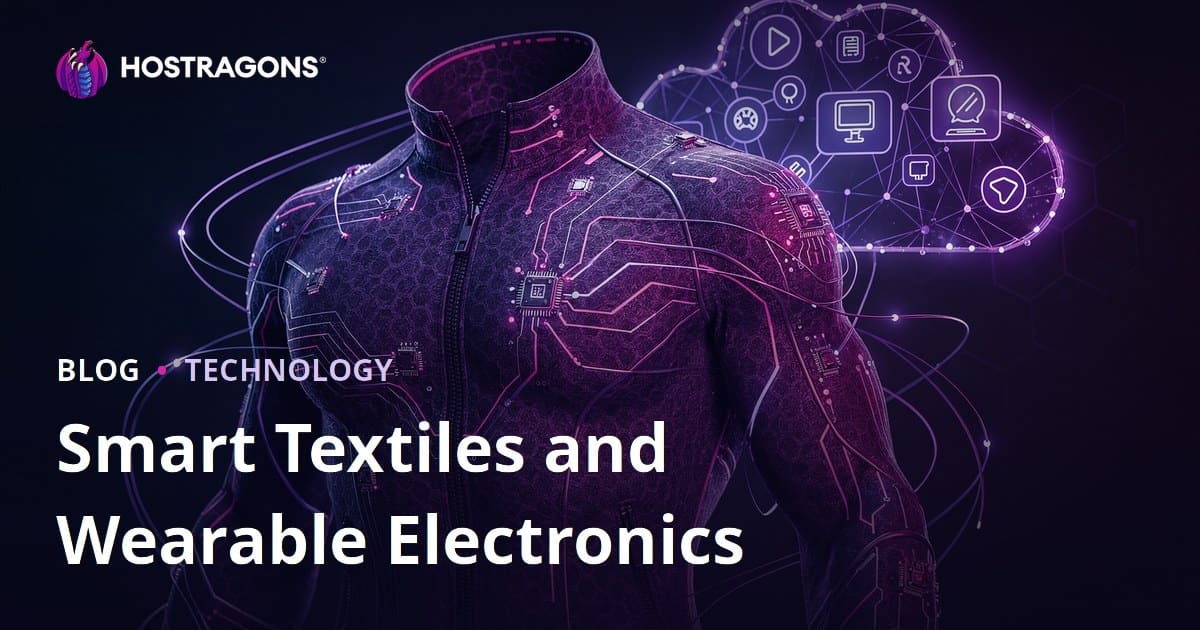
This blog post offers an in-depth look into the world of smart textiles and wearable technology, which are increasingly becoming prevalent in various aspects of our lives. First, we explain what smart textiles are and how they integrate with wearable technology. Then, we examine the history and development of wearable electronics, highlighting the key differences between smart textiles and wearable technologies. While exploring the various applications and benefits of smart textiles in sports and fashion, we also discuss the technologies used in their production. We provide design tips for choosing wearable electronics, evaluate future trends, and share our final thoughts on the potential of smart textiles and wearable technology.
What Are Smart Textiles? Integration with Wearable Technology
Smart textiles go beyond traditional textile materials by integrating electronic components and technologies into fabrics. This integration allows textile products to incorporate features such as sensors, microprocessors, and communication tools, enabling them to interact with their environment and collect data. Smart textiles offer garments and other textile-based solutions that can adapt to the user’s needs, respond to stimuli, and even enhance performance.
Advancements in this field are progressing alongside the rise of wearable electronics. Wearable electronics refer to devices that can be worn on the body or embedded into clothing, and smart textiles make it possible to carry these devices in a more comfortable and functional way. A t-shirt that measures heart rate, a jacket that detects body temperature, or gloves that sync with a smartphone are just a few examples of the possibilities offered by smart textiles.
- Features of Smart Textiles
- Sensor integration
- Data collection and processing
- Wireless communication
- Energy harvesting capabilities
- Responsiveness to heat, light, or pressure
- Comfort and flexibility in wear
The combination of smart textiles and wearable electronics has the potential to revolutionize various industries, including healthcare, sports, security, and fashion. For example, smart clothing used to monitor athletes’ performance, medical textiles that track health conditions, and safety gear that ensures communication in emergencies are practical applications of this technology. With the development of these technologies, users can pursue a more aware and connected lifestyle.
Application Areas and Examples of Smart Textiles| Industry | Application | Example Product |
|---|---|---|
| Healthcare | Patient monitoring and telehealth services | Heart rate monitoring t-shirt |
| Sports | Performance tracking and analysis | Sneakers with step and distance measurement |
| Security | Emergency communication and location tracking | GPS-enabled jacket |
| Fashion | Color-changing and interactive garments | LED-illuminated dress |
In the future, smart textiles are expected to evolve further, becoming an integral part of our daily lives. From self-cleaning clothing to fabrics that can generate energy, innovations in this area can offer significant advantages in terms of sustainability and comfort. Fully understanding the potential of smart textiles and using this technology correctly will shape the future of the apparel industry.
History and Development of Wearable Electronics
The history of wearable electronics actually dates back much further than we might think. The earliest examples are wearable magnifiers known as reading stones, which date back to the 13th century. However, the modern development of smart textiles and wearable technologies has been shaped alongside advancements in electronics and computer technology. Factors such as miniaturization of portable devices, increased energy efficiency, and the widespread adoption of wireless communication technology have played pivotal roles in this process.
The evolution of wearable technologies has accelerated with the collaboration of different disciplines. Experts in textile engineering, electronic engineering, computer science, and design have worked together to create more functional, aesthetic, and user-friendly products. Particularly, advancements in sensor technology have paved the way for the development of wearable devices that can monitor bodily functions, respond to environmental changes, and adapt to user needs.
| Era | Example of Wearable Technology | Key Features |
|---|---|---|
| 13th Century | Reading Stones | Wearable magnifiers |
| 1960s | Calculator Bracelets | Basic arithmetic operations |
| 1980s | Wearable Cameras | Basic image recording |
| 2000s | Smart Watches (Initial Versions) | Basic notifications, music control |
| Present Day | Advanced Smart Watches, Fitness Trackers | Health monitoring, GPS, Advanced app support |
The first wearable electronic devices were often bulky and limited in functionality. However, advancements in microelectronics and nanotechnology have enabled the production of smaller, lighter, and more powerful devices. As a result, wearable technologies have found their place not only in health and fitness but also in fashion, entertainment, security, and various industrial applications. The proliferation of wearable technologies has the potential to significantly influence users’ lifestyles and habits.
- Historical Development Phases
- Invention of the first wearable magnifiers (13th century)
- Development of the first portable calculators (1960s)
- Emergence of wearable cameras (1980s)
- Release of the first versions of smartwatches (2000s)
- Widespread adoption of fitness trackers equipped with advanced sensor technologies (2010s)
- Development of wearable devices customized for health and wellness applications (Present Day)
In the future, wearable electronics are expected to become even smarter, more integrated, and more personalized. The integration of technologies such as artificial intelligence, machine learning, and big data analytics into wearable devices will help users better understand their health conditions, optimize their performances, and manage their daily lives more efficiently. Moreover, the combination of smart textiles and wearable technologies will facilitate not only the smartening of wearable devices but also transformative advances in clothing to create the next generation of interactive and responsive textile products.
Differences Between Smart Textiles and Wearable Technologies
Although smart textiles and wearable technologies are often confused, they actually represent different concepts. While both encompass technological innovations, they exhibit significant differences in terms of their fundamental structures, purposes, and application areas. Understanding this distinction allows us to better evaluate the potential and limitations of each.
Smart textiles are created by integrating electronic components into traditional textile materials. This integration enables textile products to respond to environmental changes, collect data, and even generate energy. Wearable technologies, on the other hand, are more focused on the design of independent electronic devices that can be worn or carried. Smartwatches, fitness trackers, and virtual reality headsets fall into this category.
| Feature | Smart Textiles | Wearable Technology |
|---|---|---|
| Integration | Electronic components are integrated into textile materials. | Independent electronic devices are designed to be worn. |
| Flexibility | Generally more flexible and comfortable. | Less flexible and potentially bulkier. |
| Power Source | Energy harvesting or small, integrated batteries. | Typically require larger batteries. |
| Applications | Health monitoring, sports performance, military applications. | Fitness, communication, entertainment, health monitoring. |
To understand these differences more clearly, let’s take a closer look at the various types of wearable electronics and smart textile applications. Both fields are continuously evolving, and we expect to see even more integrated and innovative solutions in the future.
Different Types of Wearable Electronics
Wearable electronics can be categorized based on their intended use and designs. Smartwatches and fitness trackers are some of the most common examples. These devices collect data such as step counts, heart rates, and sleep patterns, providing users insights into their health. Virtual reality (VR) headsets and augmented reality (AR) glasses are used in entertainment and education, while smart clothing and sensor-equipped accessories are also becoming increasingly popular. These devices typically communicate and sync data with smartphones or other devices via Bluetooth or Wi-Fi.
Applications of Smart Textiles
Smart textile applications span a wide range, from athletic wear to the healthcare sector. For instance, smart t-shirts designed to monitor athletes’ performance help measure muscle activity and body temperature to enhance training efficiency. In healthcare, smart socks or bed sheets that monitor heart rates and provide alerts for abnormalities are being developed. Additionally, smart uniforms used in the military can track soldiers' vital functions, enhancing their safety against environmental threats.
Applications and Benefits of Smart Textiles
Smart textiles products extend beyond traditional textile materials, offering innovative solutions integrated with electronics and digital technologies, providing users with additional functionality and benefits. Thanks to this technology, textile products transform from mere clothing items to smart systems capable of collecting data, communicating, generating energy, or responding specifically to the user. The applications of smart textiles cover a broad spectrum, from healthcare to sports apparel, military uses, and the fashion industry.
| Application Area | Example Applications | Advantages |
|---|---|---|
| Healthcare | Patient tracking systems, medication distribution garments | Remote patient monitoring, personalized treatment |
| Sports | Performance measurement garments, muscle-supporting textiles | Advanced performance analysis, reduced injury risk |
| Military | Clothing with camouflage features, injury detection systems | Enhanced safety, rapid response capabilities |
| Fashion | Color-changing fabrics, interactive designs | Personalized style, innovative aesthetics |
The advantages offered by smart textiles significantly improve user experiences. For instance, smart garments used in the healthcare sector continuously monitor patients' vital signs, providing doctors with real-time data that can facilitate early diagnosis and treatment opportunities. Smart textiles designed for athletes analyze performance data to help optimize training processes and reduce injury risks. Military-grade smart textiles are equipped with sensors and communication technologies designed to enhance soldier safety and operational efficiency.
In the fashion industry, smart textiles present designers and consumers with entirely new possibilities. Fabrics that can self-change colors, personalize their patterns, or create light effects add unique aesthetics and interactive features to garments. Such innovations allow consumers to express their personal styles and make the clothing experience more engaging. Another significant advantage of smart textiles is their sustainability potential. Smart textiles can offer eco-friendly options made from recycled materials that reduce energy consumption and waste generation. Thus, contributing to reducing the environmental impact of the textile industry.
Smart textile technology has the potential not only to transform our clothing habits but also to reshape our lifestyles overall. With various advantages offered across industries such as healthcare, sports, military, and fashion, smart textiles are expected to gain even more prominence in the future and become an indispensable part of our lives. Below is a list of the advantages of smart textiles:
- Comfort and Ease of Use: Smart textiles are typically made from lightweight and flexible materials, increasing clothing comfort and offering solutions suitable for everyday use.
- Data Collection and Monitoring: Integrated sensors collect data on body temperature, heart rate, and activity levels, providing personalized analyses in health and sports.
- Safety and Protection: In military and industrial applications, smart textiles that detect hazardous situations and alert users enhance safety and minimize potential risks.
- Aesthetic and Design Freedom: In the fashion industry, smart textiles that can change colors, personalize patterns, and offer interactive features provide designers and consumers with a unique aesthetic experience.
Smart textiles represent the future of clothing technology, offering innovative solutions that meet users' expectations in terms of both functionality and aesthetics.
High-Level Design Tips for Wearable Electronics
The design of wearable electronics requires a complex process that combines both aesthetics and functionality. A successful wearable electronic product must seamlessly integrate into the user’s lifestyle, provide comfort, and add value through its technological advantages. Therefore, there are many critical factors to consider in the design process. The development of smart textile products necessitates a thorough analysis and application of these factors.
Ergonomics play a significant role in wearable electronics design. The product must fit the body well, not restrict freedom of movement, and provide comfort during long-term use. Additionally, the weight and dimensions of the device should also be considered. For instance, a fitness tracker that is too large and heavy could be uncomfortable for users during physical activities, negatively affecting their performance.
- Design Tips
- Ergonomics and Comfort: Prioritize the compatibility and comfort of the product with the body.
- User Experience: Ensure that the interface is simple and intuitive.
- Battery Life: Focus on energy efficiency for long-term use.
- Durability: Use materials that are resistant to environmental factors.
- Aesthetic Appearance: Create designs that are attractive and in line with fashion trends.
- Integration: Ensure seamless integration with existing devices and platforms.
The following table shows the key material properties that should be considered in the design of wearable electronics:
| Material | Properties | Advantages | Disadvantages |
|---|---|---|---|
| Flexible PCBs | Light, flexible, durable | Body conformity, freedom of movement | Can be expensive, complex production |
| Conductive Fabrics | Flexible, breathable, conductive | Comfortable, skin-friendly, integrated sensors | Wash sensitivity, conductivity loss |
| Polymers | Lightweight, durable, available in various colors | Cost-effective, easy to shape | Limited flexibility, susceptibility to environmental effects |
| Ceramics | Hard, heat-resistant, biocompatible | Long-lasting, safe to use | Fragile, heavy |
Sustainability is also becoming an increasingly important factor in the design of wearable electronics. Using environmentally conscious materials, increasing energy efficiency, and designing recyclable products will not only enhance brand reputation but also reduce environmental impacts. Innovative approaches in the smart textile industry will provide competitive advantages in the future.
Technologies Used in Smart Textile Production

The production of smart textiles has become possible through the integration of technology and engineering, moving beyond traditional methods. The technologies used in this field incorporate sensors, conductive fibers, and microelectronic components into fabrics, enabling them to respond to environmental changes, collect data, and communicate. This transformation in production processes allows for the emergence of more functional, comfortable, and user-centered textile products.
| Technology | Description | Application Areas |
|---|---|---|
| Conductive Fibers | Specially designed textile fibers capable of conducting electricity. | Heated garments, data collection sensors. |
| Sensor Integration | Integration of various sensors (temperature, humidity, pressure, etc.) into the textile surface. | Health monitoring, sports performance measurement. |
| Microelectronics | Embedding small electronic circuits and chips into textiles. | Smart tags, wearable devices. |
| 3D Printing | Three-dimensional printing of specific patterns and structures on textiles. | Personalized garments, prosthetic textiles. |
Nano-technology also plays an essential role in the production process. Nanoparticles are used to provide fabrics with waterproofness, antimicrobial properties, and UV protection. As a result, smart textile products become more durable, functional, and long-lasting.
- Technologies
- Conductive Inks and Dyes
- Flexible Electronic Circuits
- Wireless Communication Protocols (Bluetooth, NFC)
- Energy Harvesting (Solar Textiles)
- Data Processing and Analysis Algorithms
- Embedded Systems and Microprocessors
Sustainability is increasingly becoming important in the production of smart textiles. The use of recycled materials, manufacturing techniques that conserve water and energy, and eco-friendly dyes constitute a significant part of innovations in this area. This approach reduces environmental impacts while supporting consumers’ conscious choices.
Futuristic Production Processes
In the future, we expect the use of more advanced robotic systems and AI-based processes in smart textile production. This will make production faster, more efficient, and more personalized. Additionally, thanks to augmented reality (AR) technologies, design and prototyping processes can be executed more interactively and user-focused.
In this context, the future of wearable technologies and smart textiles looks very promising. Developing more functional and aesthetically pleasing products that better meet consumer needs is expected to drive growth and innovation in this field.
Sports and Fashion Applications of Smart Textiles
Smart textile technologies continue to revolutionize the worlds of sports and fashion. These innovative products, designed to enhance performance, maximize comfort, and enrich personal expression, are seamlessly integrating into users' lives. In sports apparel, smart fabrics that regulate body temperature, control moisture, and support muscle performance are at the forefront, while in fashion, color-changing textiles, pattern-generating fabrics, and energy-producing textiles are gaining attention.
In the sports arena, smart textiles enable athletes to optimize their training and competition performances. For instance, garments that monitor heart rates and body temperature allow athletes to track their physiological status in real-time. This data can be analyzed by coaches to personalize athletes' training programs and minimize injury risks. Moreover, compression garments that provide muscle support and reduce fatigue are also produced using smart textile technologies.
| Application Area | Smart Textile Feature | Advantages |
|---|---|---|
| Sportswear | Moisture-wicking fabrics | Comfortable and dry training experience |
| Sportswear | Garments with heart rate monitors | Performance tracking and personalized training |
| Fashion | Color-changing fabrics | Expression of personal style, unique designs |
| Fashion | Energy-producing textiles | Sustainability, eco-friendly products |
In the fashion world, smart textiles allow for the emergence of boundary-pushing designs. Color-changing fabrics enable the garment's appearance to adapt to the user's mood or environment. Light-emitting textiles help create striking styles for nighttime events. Additionally, fabrics that interact with body movements to create dynamic patterns are also garnering great interest in the fashion realm. These innovative applications contribute to making fashion a form of expression that goes beyond mere clothing.
The future of smart textile technologies in sports and fashion looks quite bright. Advancing sensor technologies will enable more accurate and precise measurements, while next-generation fabrics will be more durable and comfortable. These developments will not only enhance athletes’ performances but also allow fashion enthusiasts to express their personal styles more freely.
Important Considerations When Choosing Smart Textile Products
Smart textile products offer innovative solutions that simplify our daily lives and enhance performance. However, the plethora of different options on the market can make it challenging to choose the right product. Therefore, it is crucial to keep in mind some key factors when purchasing a smart textile product. Considering these factors will help you make a selection that best meets your needs and expectations.
First, it is important to decide what purpose the smart textile product will serve. Whether it is enhancing performance during exercise, tracking health data, or increasing comfort in everyday wear, different products come with different features for varied purposes. Once you determine your goal, you should carefully examine the product’s technical specifications and features. For example, features such as heart rate monitoring, step counting, or temperature control can help you assess whether the product is suitable for your intended use.
Comparison of Smart Textile Products| Product | Features | Usage Area | Price Range |
|---|---|---|---|
| Smart T-shirt | Heart rate monitoring, temperature tracking, moisture control | Sports, fitness | 500 TL – 1500 TL |
| Smart Socks | Step counting, pressure analysis, foot health tracking | Daily use, sports | 300 TL – 800 TL |
| Smart Jacket | Heating, GPS tracking, water resistance | Outdoor activities, travel | 1000 TL – 3000 TL |
| Smart Gloves | Touchscreen compatibility, heating, vibration alerts | Winter sports, motorcycles, daily use | 400 TL – 1200 TL |
The quality of the product’s materials and durability are also significant factors. Smart textile products must be resistant to external factors, such as sweat and washing. Furthermore, the parts of the product that come in contact with the skin should be made from hypoallergenic and breathable materials to prevent allergic reactions. The product’s battery life and charging time should also be considered. It is advisable to select products with adequate battery life for prolonged use and those that can charge quickly.
The ease of use and software support of the product should also be evaluated. Smart textile products should have user-friendly interfaces and be easily adjustable. Additionally, having a mobile application or software that allows you to sync and analyze data will enhance the product’s value. You can also benefit from reading customer reviews and product evaluations to gain insights from previous users’ experiences.
- Buying Guide
- Define your purpose of use.
- Examine the technical specifications and functions.
- Pay attention to material quality and durability.
- Evaluate battery life and charging time.
- Check for ease of use and software support.
- Read customer reviews.
Future of Wearable Electronics: Trends and Predictions
The rapid developments in wearable electronics and smart textile technology indicate that these technologies will become an essential part of our lives in the future. Especially the potential applications in various sectors such as health, sports, fashion, and security offer exciting predictions for the future of wearable technology. In this section, we will thoroughly examine the trends and forecasts that will shape the future of wearable electronics.
| Trend | Description | Potential Applications |
|---|---|---|
| Integrated Sensors | Advanced sensors integrated into clothing can measure body data more accurately. | Health monitoring, sports performance analysis, security applications |
| Flexible and Lightweight Materials | More flexible and lightweight materials enhance the comfort of wearable devices and expand their usage areas. | Daily wear, sportswear, medical textiles |
| Artificial Intelligence and Machine Learning | AI algorithms provide personalized recommendations by analyzing data obtained from wearable devices. | Health management, personalized training programs, style suggestions |
| Energy Efficiency | Longer battery life and wireless charging technologies enhance the ease of use of wearable devices. | All wearable devices |
The future of wearable technologies extends beyond mere technological advancements; it is also shaped by user experience and design aesthetics. Consumers now demand wearable devices that are not only functional but also stylish and suitable for their personal styles. Thus, designers and engineers strive to merge technology with aesthetics to meet users' expectations. Furthermore, issues such as data privacy and security also play an important role in the future of wearable technologies.
Future Trends
- Advanced health monitoring systems
- Augmented reality integration
- Personalized fashion experiences
- Sustainable and environmentally friendly materials
- Flexible and foldable screen technologies
- Wearable payment systems
- Emotion recognition technologies
In the coming years, wearable electronics are expected to become smarter, more personalized, and more integrated. These technologies hold the potential to revolutionize not only health and fitness but also education, entertainment, and work life. For example, augmented reality glasses could provide students with interactive learning experiences, while smart gloves can enable surgeons to perform more precise operations.
The future of wearable technologies is limited only by our imagination. Innovations in this field will make our lives healthier, more efficient, and more enjoyable.
Smart textiles and wearable electronics will occupy an increasing presence in every aspect of our lives in the future. The potential these technologies offer has the capacity not only to solve existing problems but also to create entirely new opportunities. Therefore, closely following developments in this field and developing forward-looking strategies is crucial.
Final Thoughts on Smart Textiles and Wearable Electronics
The integration of smart textiles and wearable electronics into our lives signifies a profound transformation beyond just a technology trend, carrying the potential to enhance our quality of life. Developments in this field are preparing to play a significant role in the future world, offering innovative solutions across various domains—ranging from health tracking to sports performance, fashion, and security. Adopting a conscious and strategic approach to leverage the opportunities presented by this transformation while minimizing potential risks is essential.
| Area | Current Applications | Future Potential |
|---|---|---|
| Healthcare | Heart rate monitoring, sleep analysis | Personalized medicine distribution, early disease diagnosis |
| Sports | Performance measurement, training tracking | Advanced biomechanical analysis, real-time feedback |
| Fashion | Color-changing fabrics, interactive garments | Fully customizable designs, emotionally responsive textiles |
| Security | Heat-resistant clothing, tracking systems | Hazard detection, automatic emergency calling |
With the spread of these technologies, ethical issues and data privacy also constitute significant discussion points. The security of user data, transparency, and data usage policies are critical for sustainable development of these technologies. Additionally, innovations in this field need to align with environmental sustainability principles. Utilizing eco-friendly materials in production processes, increasing energy efficiency, and managing waste are parts of our responsibility to leave a more livable world for future generations.
Action Steps
- Education: Keep updated on smart textiles and wearable electronics.
- Experience: Identify what works best for your personal needs by trying different products.
- Conscious Consumption: Research the safety and privacy features of products.
- Sustainability: Choose environmentally friendly products.
- Feedback: Share your experiences with producers and developers to contribute to product improvements.
Smart textiles and wearable electronics are set to claim a greater role as the technologies of the future. To make the most of the opportunities these technologies present while minimizing potential risks, it is crucial to adopt a conscious, responsible, and ethical approach. This way, we can maximize the synergy between technology and humanity and move towards a healthier, safer, and more sustainable future.
Frequently Asked Questions
What additional features do smart textiles possess compared to traditional fabrics?
Smart textiles have capabilities that allow them to respond to environmental changes, communicate, generate, or store energy. These features are achieved through integrated sensors, conductive fibers, or special coatings.
What significant milestones have been experienced in the development of wearable electronics?
The history of wearable electronics spans from the first calculators to pulse monitors. However, advancements in microelectronics and wireless communication technologies have enabled the emergence of more complex and prevalent devices like smartwatches, fitness trackers, and VR headsets.
What is the relationship between smart textiles and wearable technologies, are they the same thing?
Smart textiles can be part of wearable technologies. Wearable technologies are broader and encompass all types of electronic devices that can be worn or embedded into clothing. Smart textiles represent a specific type of wearable technology where electronic components are directly integrated into the fabric.
What potential application areas do smart textiles have, and what benefits do they provide in those areas?