 Afrikaans
 Azərbaycan
 Bosanski
 Čeština
 Dansk
Dansk Deutsch
 English
 Español
 Filipino
 Français
 Hrvatski
 Indonesia
 Italiano
 Magyar
 Melayu
 Nederlands
 Norsk
Norsk Oʻzbek
 Polski
 Português
 Română
 Slovenčina
 Slovenščina
 Suomi
Suomi Svenska
 Tiếng Việt
 Türkçe
 Ελληνικά
 Беларуская
 Български
 Русский
 Српски
 Українська
 עברית
עברית اردو
اردو العربية
 پښتو
پښتو فارسی
فارسی አማርኛ
አማርኛ मराठी
मराठी বাংলা
বাংলা தமிழ்
தமிழ் ไทย
ไทย မြန်မာ
 한국어
한국어 中文
中文 日本語
日本語

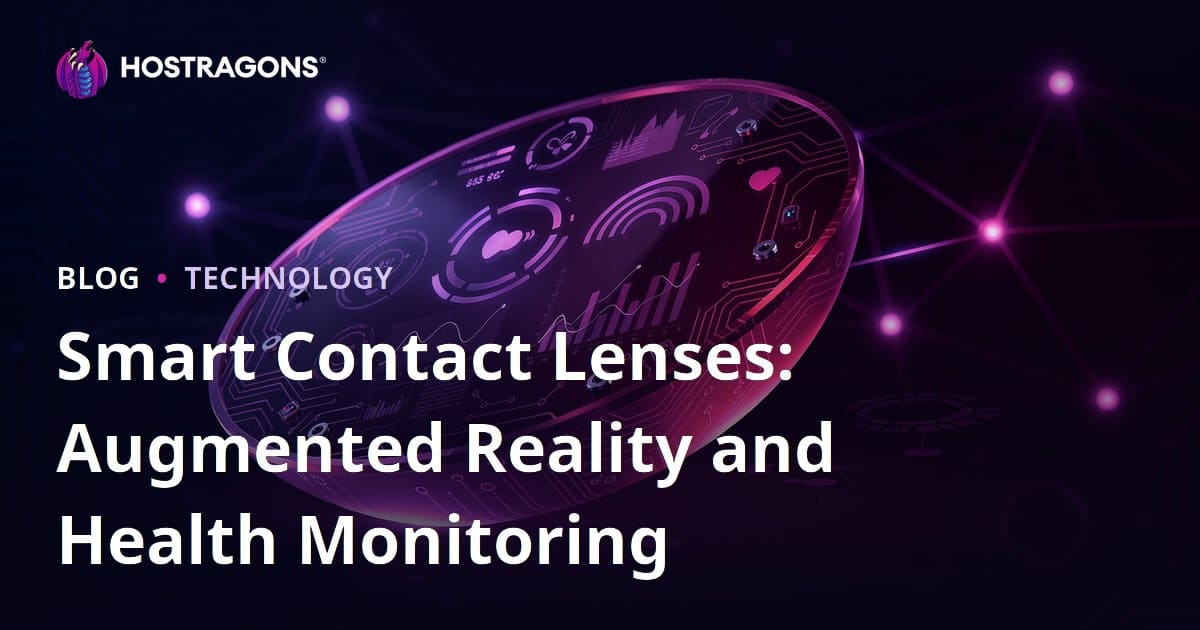
Smart contact lenses are groundbreaking devices that offer both augmented reality (AR) experiences and the ability to monitor health parameters. This blog post provides a brief overview of smart contact lenses, explaining what AR is and the potential benefits these lenses can offer. Their applications range from vision correction to diabetes management, allowing for continuous tracking of crucial data like glucose levels. While exploring considerations for use and user experiences, the article emphasizes the promising future of this technology. Ultimately, as we advance towards a smarter future with smart contact lenses, readers are invited to explore the benefits offered by this technology. Smart contact lenses provide an innovative solution not only to improve vision but also to facilitate health monitoring.
Overview of Smart Contact Lenses
Smart contact lenses transcend traditional contact lenses, being an innovative product at the intersection of technology and medicine. These lenses can include advanced electronic components such as sensors, microchips, and even tiny screens. Their purpose is not only to provide vision correction but also to deliver augmented reality (AR) experiences or to monitor health data. With the evolving technology, the capabilities of these lenses are constantly expanding.
Research in this field has particularly focused on models capable of measuring glucose levels, easing the management of diabetes patients' blood sugar. By continuously tracking glucose levels in tear fluid, patients are empowered to manage their health more consciously. Additionally, AR applications for lenses provide users with a unique experience by overlaying digital information onto the real world.
- Key Features of Smart Contact Lenses
- Glucose level monitoring
- Augmented reality (AR) integration
- Intraocular pressure monitoring
- Drug delivery
- Wireless communication capabilities
- Biometric data collection
Smart contact lens technology could have an even broader range of applications in the future. For instance, by continuously measuring eye pressure, these lenses could help with the early diagnosis of glaucoma risk or could deliver medication to treat issues like dry eye. The potential of this technology is not limited to health; it could also revolutionize diverse sectors such as education, entertainment, and military applications.
Comparison of Smart Contact Lenses Features
| Feature | Current Lenses | Next-Generation Lenses |
|---|---|---|
| Health Monitoring | Glucose Measurement | Glucose, Intraocular Pressure, etc. |
| Augmented Reality | Limited | High-Resolution AR Display |
| Power Source | Battery or Wireless Charging | Solar Power or Biofuel |
| Communication | Bluetooth | 5G, Wi-Fi |
Smart contact lenses represent an exciting innovation, merging medicine and technology in our lives. These lenses not only correct vision problems but also enable us to monitor health and experience augmented reality. With advancing technology, the potential of these lenses is increasing, and they are expected to play a critical role in many aspects of our lives in the future.
What is Augmented Reality?
Augmented reality (AR) is a technology that enriches our perception of the real world with computer-generated sensory inputs. Through this technology, we can integrate digital objects into the physical world in real-time using smartphones, tablets, or specialized glasses. AR can involve not only visual elements but also auditory and other sensory experiences, allowing users to have a more interactive and immersive experience.
Augmented reality technology is now utilized across many sectors. From retail to education, health, and industry, AR serves as a powerful tool to optimize business processes, enhance user experiences, and create new opportunities. For example, in a furniture application, you can visualize how a chair might look in your living room. Or, in an educational application, complex scientific concepts can be made more comprehensible through 3D models.
Comparison of Augmented Reality Technologies
| Technology | Description | Example Applications |
|---|---|---|
| Marker-Based AR | Usage of specific markers (e.g., QR codes) to display digital content. | Advertising campaigns, product promotions. |
| Markerless AR | Placement of digital content based on location and environmental analysis via GPS, accelerometers, and other sensors. | Navigation applications, games. |
| Projection-Based AR | Projection of digital information onto physical surfaces. | Automotive design, industrial assembly. |
| Placement-Based AR | Adding digital content over an existing image. | Medical simulations, military applications. |
Augmented reality, when combined with wearable technologies like smart contact lenses, becomes even more potent. Through such devices, AR experiences become more natural and usable. For instance, with smart contact lenses, users could see navigation instructions directly in front of their eyes or monitor health data in real-time. This clearly illustrates the future role and importance of AR technology.
Augmented Reality Technologies
Augmented reality technologies integrate the virtual world into reality using different methods and devices. These technologies continuously evolve to enrich users' experiences and offer them new possibilities. The main AR technologies include:
Stages of Augmented Reality
- Perception: The AR device perceives and understands the environment.
- Tracking: It tracks the user's movements and position.
- Integration: Digital content is seamlessly merged with the real world.
- Display: AR content is presented to the user (e.g., through a smartphone screen or smart contact lenses).
- Interaction: The user can interact with the AR content.
Each of these technologies caters to different application areas and use cases. For instance, marker-based AR is used for simple and rapid display of digital content, while markerless AR performs better in more complex and dynamic environments. Projection-based AR is ideal for large-scale and interactive experiences.
Benefits of Smart Contact Lenses
Smart contact lenses provide a range of significant benefits that extend beyond traditional lenses. This cutting-edge technology has the potential to revolutionize areas ranging from augmented reality (AR) experiences to health status monitoring. The advantages offered by smart contact lenses simplify daily life while promising future medical applications.
One of the most notable benefits of smart contact lenses is their applications in augmented reality. These lenses project digital information into the user's field of vision, bridging the gap between the real and virtual worlds. In areas such as navigation, gaming, and education, they enhance user experience by making information more accessible and interactive. For example, while navigating in a museum, you could receive additional information about artworks directly through your lenses.
- Health Benefits of Smart Contact Lenses
- Continuous monitoring of glucose levels
- Eye pressure (glaucoma) monitoring
- Drug delivery for treatment
- Detection and hydration of dry eyes
- Reduction of eye fatigue
In health matters, smart contact lenses provide significant convenience to diabetes patients. By continuously monitoring glucose levels, these lenses can detect variations in blood sugar in real-time, allowing timely interventions. This helps prevent complications caused by diabetes. Additionally, they can also be used for the early detection and monitoring of diseases like eye pressure (glaucoma).
| Benefit | Description | Application Areas |
|---|---|---|
| Augmented Reality | Projection of digital information into the real world | Navigation, gaming, education, museum tours |
| Health Monitoring | Monitoring of health data like glucose, eye pressure | Diabetes management, glaucoma tracking |
| Drug Delivery | Administering controlled medication for eye conditions | Eye infections, allergies |
| Eye Comfort | Prevention of dry eyes and reduction of eye fatigue | Long-term screen use, dry eye syndrome |
Smart contact lenses can also be employed in treating eye diseases through drug delivery. Medications needed for specific conditions can be directly administered through the lenses, enhancing their effectiveness while reducing side effects. This feature is particularly advantageous for conditions like eye infections and allergies. All these benefits indicate that smart contact lenses will play a significant role in the future of health and technology.
Applications and Uses
Smart contact lenses offer groundbreaking applications at the intersection of technology and medicine. By transcending traditional contacts, these innovative devices provide a wide range of capabilities from health tracking to augmented reality. Especially for diabetes patients, features like continuous glucose monitoring, eye pressure measurement, and even drug delivery showcase the health potential of these lenses.
With this technology, users will not only have clearer vision, but they will also have continuous access to information regarding their health. The advantages presented by smart contact lenses not only enhance the quality of life for users but also facilitate greater access to healthcare services. It is anticipated that as technology advances, the fields of application for these lenses will expand, turning them into an integral part of our lives.
| Application Area | Features | Potential Benefits |
|---|---|---|
| Health Monitoring | Monitoring glucose, intraocular pressure, body temperature | Early diagnosis, personalized treatment |
| Augmented Reality | Visual data layering, navigation, gaming | Enhanced user experience, easy access to information |
| Medication Delivery | Controlled drug release | Targeted treatment, reduced side effects |
| Vision Correction | Automatic focus, astigmatism correction | Clearer and more comfortable vision |
Smart contact lenses have a vast potential for application, and new usages are surfacing daily. These lenses can be utilized in numerous sectors beyond health, including entertainment, sports, and military applications. For instance, monitoring biometric data for athletes or enabling soldiers to access tactical information more swiftly are among the possibilities.
Usage Areas of Smart Contact Lenses
- Continuous health monitoring
- Augmented reality applications
- Early diagnosis of eye diseases
- Personalized drug therapy
- Performance analysis in sports
- Tactical support in military operations
Smart contact lenses not only bring together existing technologies but also pave the way for a new generation of wearable devices. The development of these lenses facilitates the production of smaller, lighter, and more powerful sensors, enhancing the performance of other wearable technologies.
Medical Applications
Smart contact lenses hold remarkable potential in the medical field, particularly in the monitoring and management of chronic diseases. Continuous glucose monitoring for diabetes patients is one of the most promising applications of these lenses. By measuring glucose levels in tear fluid continuously, they assist patients in keeping a closer eye on their blood sugar and adjusting insulin doses accordingly.
Entertainment and Gaming
Smart contact lenses are poised to revolutionize the entertainment and gaming industries. Thanks to augmented reality (AR) technology, users can experience games and other entertainment content right in their line of sight. For example, by using a smart contact lens while visiting a historical site, you could see images and information from the past in real time or feel as if you were within a video game while playing.
Health Monitoring in Smart Contact Lenses
Smart contact lenses not only provide augmented reality features but also introduce revolutionary innovations in health monitoring. These lenses allow diabetes patients to continuously measure glucose levels in tear fluid. Additionally, they can monitor other critical health metrics like body temperature and intraocular pressure, thereby providing valuable data for the early diagnosis and management of various diseases.
This technology signifies tremendous convenience and a boost in quality of life for individuals with chronic conditions. Unlike traditional measurement methods, smart contact lenses offer constant, non-invasive monitoring. The data collected can be transmitted to mobile devices or cloud-based systems, making it accessible to both patients and healthcare professionals. This contributes to better management of treatment processes and the development of personalized health solutions.
Stages of Health Monitoring with Smart Lenses
- Continuous Glucose Monitoring: Real-time tracking of blood sugar levels for diabetes patients.
- Measurement of Intraocular Pressure: Early detection and management of glaucoma risk.
- Tracking Body Temperature: Identifying early symptoms of infections and inflammation.
- Controlled Drug Delivery: Administering medications directly for eye conditions.
- Data Analysis and Reporting: Analyzing health data to create meaningful reports for doctors and patients.
The following table summarizes some examples and potential benefits of the health monitoring features of smart contact lenses:
Features and Benefits of Health Monitoring with Smart Contact Lenses
| Feature | Description | Potential Benefits |
|---|---|---|
| Glucose Monitoring | Measures glucose levels in tear fluid. | Allows diabetes patients to continuously track blood sugar, reducing the risk of hypoglycemia and hyperglycemia. |
| Measurement of Intraocular Pressure | Continuously monitors pressure within the eye. | Assists in the early detection of glaucoma, contributing to the prevention of vision loss. |
| Body Temperature Monitoring | Detects changes in body temperature. | Aids in identifying early signs of infections and inflammatory conditions. |
| Drug Delivery | Delivers medications used to treat eye diseases directly to the eye. | Enhances the effectiveness of medications, reduces side effects, and promotes treatment adherence. |
In the future, it is anticipated that smart contact lenses will evolve further, allowing for the detection of different biomarkers and more complex health analyses. This could pave the way for significant steps in personalized medicine, enabling individuals to manage their health more proactively. The importance of such technologies will continue to grow, particularly with the increasing elderly population and the prevalence of chronic diseases.
The health monitoring capabilities of smart contact lenses not only facilitate the management of existing diseases but also offer significant opportunities for the early identification and prevention of potential health risks. This technology will play a vital role in the future of healthcare, consistently providing innovative solutions aimed at enhancing the quality of life for individuals.
Considerations for Use
Although smart contact lenses present an exciting technology with their innovative features, there are several important points to consider during their usage. Proper use of these lenses will help protect your eye health and maximize the benefits you derive from them. Here are some factors to keep in mind while using smart contact lenses:
Another crucial factor in using smart contact lenses is hygiene. Always wash and dry your hands before putting in or taking out your lenses. Additionally, you should use solutions specifically designed for storing your lenses and regularly clean your lens case. These simple precautions will help minimize the risk of eye infections.
If you experience any discomfort while using your smart contact lenses, it is essential to remove them immediately and consult an eye doctor. Symptoms like redness, irritation, burning, or excessive tearing may indicate that the lenses are unsuitable or that an infection is present. Promptly seeking medical attention can help prevent potential complications.
Tips for Using Smart Contact Lenses
- Clean your lenses with proper solutions after every use.
- Use lenses for the prescribed duration and replace them with new ones when the usage period is over.
- Avoid applying makeup before inserting lenses and clean makeup after removing them.
- If experiencing dryness, use artificial tear drops recommended by your eye doctor.
- Do not share your lenses with others.
- Take care to remove your lenses while swimming or showering.
- Regularly clean and frequently change the solution of your lens case.
Moreover, adhering to your ophthalmologist's recommendations while using your smart contact lenses is crucial. Your eye doctor can help you identify the lenses suitable for your eye structure and needs while providing detailed information on correct usage. Regular eye check-ups ensure the safe and effective continuation of smart contact lens use.
| Aspect to Consider | Recommended Practice | Why It's Important? |
|---|---|---|
| Hygiene | Wash hands, use suitable solution | Reduces the risk of infection |
| Duration of Use | Use lenses for the specified time period | Protects eye health, prevents discomfort |
| Discomfort | Remove lenses and consult a doctor | Prevents potential complications |
| Eye Doctor Check-Ups | Attend regular eye examinations | Checks the suitability of lenses and eye health |
Future Potential
Smart contact lenses are poised to play an increasingly significant role in our lives due to the rapid advancement of technology. Many projects and research currently in development indicate that these lenses will not only correct vision impairments but will also revolutionize health tracking, augmented reality experiences, and many other areas. In the future, these lenses are expected to be equipped with wireless communication capabilities, enhanced energy efficiency, and manufactured from more biocompatible materials.
This technology shows considerable promise, particularly in the health sector. With features like continuous glucose monitoring and eye pressure measurements, smart contact lenses can enhance the quality of life for diabetes patients and those at risk for glaucoma. Additionally, the data obtained through these lenses can be shared with healthcare providers, leading to the development of more personalized and effective treatment strategies.
Future Application Areas of Smart Contact Lenses
| Application Area | Description | Potential Benefits |
|---|---|---|
| Health Tracking | Continuous monitoring of glucose, eye pressure, body temperature. | Early diagnosis, personalized treatment, enhanced quality of life. |
| Augmented Reality | Directly projecting information and images into the user's line of sight. | Enhanced entertainment, education, navigation, and work efficiency. |
| Visual Enhancement | Correction of vision impairments, improvement of night vision. | Clearer and more comfortable vision, increased independence. |
| Drug Delivery | Directly delivering medications used to treat eye diseases. | More effective treatment, reduced side effects, improved patient compliance. |
When evaluating the future potential of smart contact lenses, we must also consider the challenges that may arise. These challenges include addressing the energy requirements of the lenses, ensuring data security, protecting user privacy, and lowering manufacturing costs. By resolving these issues, smart contact lenses could reach broader audiences and become an indispensable part of our lives.
Technological Innovations
Innovations in smart contact lens technology are advancing parallel to developments in materials science. The use of biocompatible materials allows these lenses to better fit the eye and offer comfort during prolonged use. Moreover, advancements in wireless energy transfer and miniature sensor technologies are enabling the development of more functional and user-friendly smart contact lenses.
Future Opportunities for Smart Contact Lenses
- Opportunities for early diagnosis and personalized therapy in the healthcare sector.
- New experiences in education and entertainment through augmented reality applications.
- More comprehensive data tracking through integration with wearable technologies.
- More effective and targeted drug applications in the treatment of eye disorders.
- Performance tracking and analysis opportunities for athletes.
- Safety-enhancing navigation and alert systems for drivers.
In the future, artificial intelligence and machine learning technologies are expected to play significant roles in the development of smart contact lenses. Through these technologies, lenses could automatically adjust to user needs and preferences, providing personalized recommendations based on the analyzed data. This would allow smart contact lenses to evolve beyond mere technology devices into personal health and lifestyle assistants.
User Experiences and Feedback
While the potential and technological innovations of smart contact lenses are exciting, user experiences and feedback are critical for the success of these products. Insights gathered from early users provide valuable information on the convenience, comfort, performance, and potential issues related to the use of these lenses. This feedback assists manufacturers in improving their products and better meeting user expectations.
User experiences with smart lenses can vary significantly based on lens design, technology used, and individual eye structures. While some users thoroughly enjoy the conveniences and innovations provided by augmented reality features and health monitoring capabilities, others may voice concerns regarding lens comfort, battery life, or data security. Therefore, careful evaluation of user feedback is vital to product development processes.
User Experiences with Smart Lenses
- Lenses causing a feeling of weight or discomfort in the eye
- Augmented reality features not meeting expectations
- Short battery life requiring frequent recharging
- Concerns regarding data privacy and security
- Challenges in cleaning and maintaining the lenses
- Questions about the accuracy and reliability of health data
- Limited availability of current applications and features
The table below provides a general summary of feedback gathered from different user groups. This feedback can help provide clearer insights into the current state and future potential of smart lens technology.
User Feedback and Evaluations
| User Group | Positive Feedback | Negative Feedback | Suggestions |
|---|---|---|---|
| Tech Enthusiasts | Augmented reality experience, innovative features | Short battery life, high cost | Longer battery life, affordable options |
| Health-Conscious Individuals | Ease of monitoring health data, potential for early diagnosis | Data security, accuracy issues | Enhanced data security, more accurate measurements |
| Eyewear/Contact Lens Users | Vision correction, additional features | Comfort, adjustment period | More comfortable designs, easier adaptation |
| Athletes | Performance tracking, immediate data access | Durability, issues with sweating | More durable materials, sweat resistance |
Along with user feedback, independent research and clinical studies also provide important information regarding the effectiveness and reliability of smart contact lenses. These studies assess the accuracy of lens health monitoring capacities, the impact of augmented reality features on user experience, and the potential effects of long-term use of the lenses. Such scientific evidence helps users make informed decisions and build trust in smart lens technology.
The future of smart contact lenses will depend significantly on how much emphasis is placed on user experiences and feedback. Manufacturers' continuous improvement of their products while considering user expectations and concerns will be crucial for the widespread adoption of this technology, allowing for its potential benefits to be fully realized. As positive feedback and scientific evidence increase, smart lenses may play a vital role in health monitoring, augmented reality, and many other areas in the future.
Conclusion: A Smarter Future with Smart Contact Lenses
Smart contact lenses open the door to an exciting future at the intersection of technology and medicine. Thanks to evolving technology, these innovative devices not only correct vision problems but also provide augmented reality experiences and continuously monitor our health. This means that smart lenses have the potential to go beyond being mere optical instruments, transforming our lives into something smarter, healthier, and better connected.
The possibilities offered by smart lenses manifest broadly, from daily living to professional applications. For instance, they can increase driving safety by projecting navigation instructions directly into the driver's field of vision, allow athletes to immediately track performance data, and continuously monitor glucose levels in those with health issues, providing early alerts. This versatility positions smart lenses as a promising technology for the future.
Advantages of Using Smart Lenses
- Health Monitoring: Allows continuous tracking of health data like glucose levels and tear analysis.
- Augmented Reality: Provides an interactive experience by projecting information directly in your field of view.
- Ease of Use: Can be easily inserted and removed just like regular contact lenses.
- Early Diagnosis: Increases the chances of early detection of health issues, allowing for prompt intervention.
- Performance Boost: Offers athletes the possibility of improved performance through instant data tracking during training and competitions.
With the development and commercialization of smart contact lenses, it is also essential to address certain concerns such as data privacy and security. However, the potential benefits offered by this technology are significant enough to be surmountable with careful management of associated risks. In the future, smart lenses are expected to play a larger role in every area of our lives, providing us with healthier, more connected, and smarter living experiences. This exciting journey once again illustrates the potential of technological advancements to serve humanity.
Get ready to embark on your journey towards experiencing the advantages offered by smart contact lenses. Explore different models, consult healthcare providers about your eligibility for this technology, and keep informed about new advancements in the field!
Get Started: Exploring the Benefits of Smart Contact Lenses
There are multiple pathways to begin experiencing the advantages offered by smart contact lens technology. These innovative products not only rectify vision abilities but also provide augmented reality experiences and monitor health data. To fully evaluate the potential of smart contact lenses, it’s essential to research existing models and features. The market offers various brands and technologies, so you can make comparisons to find the most suitable option for your needs.
Consulting an eye doctor to learn more about smart contact lenses and assess whether they are right for you is vital. Your eye doctor will evaluate your eye health and determine if smart contact lenses are a fitting choice for you. They will also provide you with guidance on correct usage and maintenance. Remember that, as with any technological product, smart contact lenses can carry potential risks and side effects. Therefore, following your doctor’s recommendations and attending regular eye check-ups is important.
Comparative Features of Smart Contact Lenses
| Brand | Model | Features | Price Range |
|---|---|---|---|
| ABC Lens | AR-1000 | Augmented Reality, Eye Pressure Measurement | $500 - $700 |
| XYZ Optics | BioSense | Glucose Monitoring, Smartphone Integration | $600 - $800 |
| Delta Vision | VR-2024 | Virtual Reality Compatibility, UV Protection | $700 - $900 |
| Gamma Lens | HealthTrack | Body Temperature Measurement, Sleep Tracking | $800 - $1000 |
The future of smart contact lens technology looks very promising. As research and development continue, more advanced models with enhanced features are expected to emerge in the market. For instance, improvements in health monitoring capabilities, more sophisticated augmented reality experiences, and longer battery life are being targeted. These advancements will broaden the applicability of smart contact lenses, allowing more people to benefit from this technology.
Smart Lens Usage Tips
- Adhere to the recommended usage period specified by your eye doctor.
- Thoroughly wash your hands before putting in or taking out lenses.
- Regularly change the lens solution.
- Use only cleaning solutions recommended by your doctor.
- Remember to remove your lenses while sleeping.
- If you experience any discomfort, remove the lenses immediately and consult your doctor.
- Regularly clean and disinfect your lens case.
While enjoying the opportunities offered by smart contact lenses, being informed and cautious is essential. Protect your eye health and make the most of the advantages presented by technology by following your doctor’s recommendations and gathering information from trusted sources. Smart contact lenses have the potential to play a significant role in various areas of our lives in the future, making it important to keep track of developments in this field.
Frequently Asked Questions
What exactly are smart contact lenses and how do they differ from regular contact lenses?