 Afrikaans
 Azərbaycan
 Bosanski
 Čeština
 Dansk
Dansk Deutsch
 English
 Español
 Filipino
 Français
 Hrvatski
 Indonesia
 Italiano
 Magyar
 Melayu
 Nederlands
 Norsk
Norsk Oʻzbek
 Polski
 Português
 Română
 Slovenčina
 Slovenščina
 Suomi
Suomi Svenska
 Tiếng Việt
 Türkçe
 Ελληνικά
 Беларуская
 Български
 Русский
 Српски
 Українська
 עברית
עברית اردو
اردو العربية
 پښتو
پښتو فارسی
فارسی አማርኛ
አማርኛ मराठी
मराठी বাংলা
বাংলা தமிழ்
தமிழ் ไทย
ไทย မြန်မာ
 한국어
한국어 中文
中文 日本語
日本語

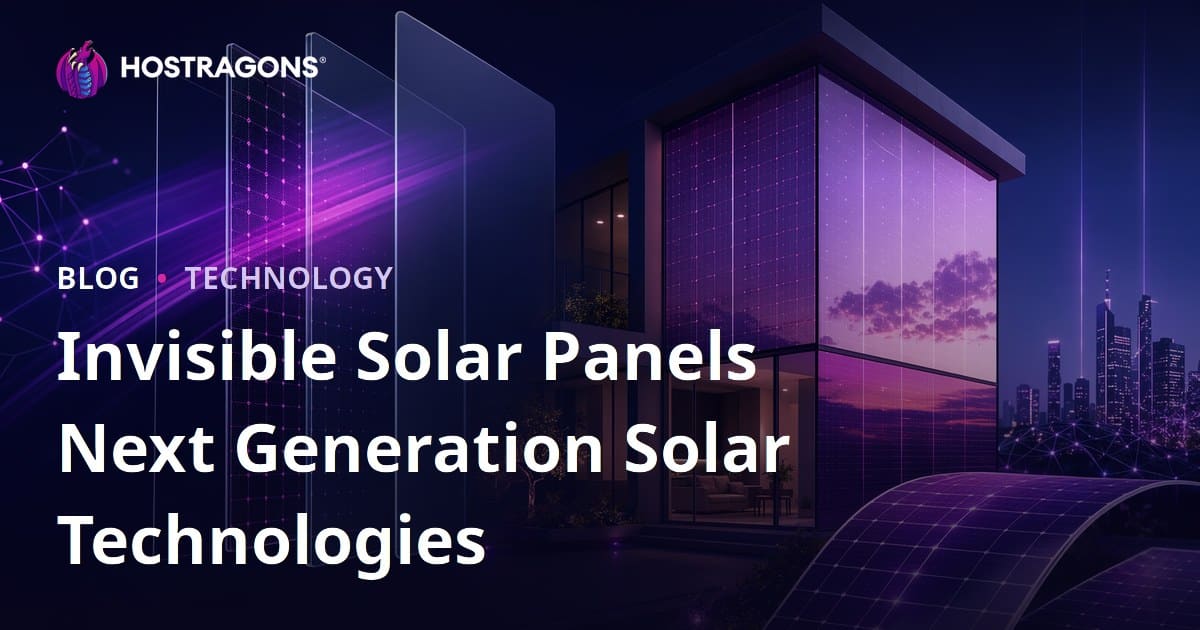
This blog post takes an in-depth look at invisible solar panels, one of the promising energy solutions of the future. We explore the definition and significance of this technology, its historical development, operating principles, and potential applications. Additionally, the advantages and disadvantages of invisible solar panels, their environmental impact, and future expectations are reviewed. Cost factors and frequently asked questions are also addressed, providing a comprehensive perspective on the potential of this innovative technology. Ultimately, the article emphasizes the steps needed to establish invisible solar panels as a sustainable cornerstone in the energy sector.
What Are Invisible Solar Panels and Why Do They Matter?
Invisible solar panels represent a next-generation solar technology offering a more visually appealing and environmentally friendly alternative to traditional solar panels. These panels enable electricity generation from sunlight without disrupting the aesthetic of buildings or other surfaces. They are particularly suited for urban centers and historic architecture where aesthetic concerns have traditionally limited solar adoption.
Typically made from transparent or semi-transparent materials and available in various tints, invisible solar panels can be seamlessly integrated into building facades, windows, and roofs. Their applications extend beyond buildings to vehicles, electronic devices, and even apparel, allowing energy generation in innovative and unobtrusive ways. This invisible solar technology expands the use cases of solar energy, promising a greener, more sustainable future.
- Advantages of Invisible Solar Panels
- Enhances aesthetic appeal.
- Preserves architectural integrity.
- Promotes wider adoption of solar energy.
- Can be installed on various surfaces.
- Reduces energy costs.
- Eco-friendly energy source.
The significance of invisible solar panels goes beyond aesthetics. They also offer crucial benefits such as boosting energy independence, reducing carbon footprints, and accelerating the transition to clean energy. By broadening access to solar power, this technology holds great potential to contribute meaningfully to a sustainable energy future.
Unlike traditional solar panels, invisible solar panels utilize different technologies to capture sunlight and convert it into electricity. These innovations allow the panels to maintain transparency or partial transparency while improving efficiency. This pioneering approach is set to make solar energy more accessible and seamlessly integrated into our environment, leading to transformative shifts in the energy sector.
History of Invisible Solar Technology
The history of invisible solar technology is essentially a fusion of solar energy research and advances in material science. The need to address aesthetic concerns associated with conventional solar panels motivated scientists to develop solutions that are less conspicuous or entirely transparent. This quest led to interdisciplinary collaboration, resulting in the discovery and refinement of novel materials.
Initially, solar technology advancements were focused mainly on efficiency and cost reduction. Over time, architects, urban planners, and consumers became increasingly aware of the visual impact of solar installations. This awareness sometimes hindered the wider adoption of solar energy in urban environments. Thus, invisible solar panels emerged as an aesthetically acceptable alternative.
| Year | Development | Significance |
|---|---|---|
| 1950s | First Silicon Solar Cells | Laid the foundation for solar energy technology. |
| 1990s | Thin-Film Solar Cells | Enabled production of flexible, lightweight panels. |
| 2000s | Transparent Conductive Oxides (TCO) | Developed key materials for transparent solar panels. |
| 2010s | Dye-Sensitized Solar Cells (DSSC) | Introduced colorful, customizable solar panels. |
These milestones laid the groundwork for the development of invisible solar technologies. Materials such as transparent conductive oxides and dye-sensitized solar cells have played pivotal roles. Future advances aim to further refine and disseminate these technologies.
Early Development Stages
The initial phases of invisible solar technology development focused on enhancing the transparency of traditional solar panels. Researchers experimented with thin-film technologies to create less opaque panels and optimized the arrangement of solar cells to reduce visual footprint.
Modern Innovations
Today, significant innovations are driving the invisible solar field forward. Transparent solar panels are now being designed to integrate with windows and other surfaces, generating energy without obstructing views. Typically employing organic materials or nanotechnology, these panels address both aesthetic demands and energy efficiency, moving the technology from concept to practical deployment.
Thanks to these advancements, invisible solar panels are becoming viable solutions, especially for meeting energy needs in dense urban settings.
"Invisible solar technology has the potential to revolutionize energy production by removing aesthetic obstacles and making solar power accessible to a broader audience." – Dr. Ayşe Demir, Solar Energy Researcher
How Invisible Solar Panels Work
Invisible solar panels operate using innovative methods that differ from traditional solar panels in how they absorb light and convert it to electricity. Fundamentally, they capture solar energy and transform it into usable electrical power, but do so with an aesthetic and environmentally friendly approach. Special materials on the panel surface refract or absorb sunlight in ways that maintain transparency or add color.
These panels use semiconductor materials that generate electrical current when sunlight hits them. The elements commonly used in invisible solar panels include indium, gallium, selenium, and copper, which combine to deliver high efficiency while preserving transparency.
Comparison of Invisible Solar Panel Technologies
| Technology | Efficiency | Visibility | Applications |
|---|---|---|---|
| Transparent Solar Panels | 10-15% | Highly Transparent | Windows, Facades |
| Colored Solar Panels | 12-18% | Various Color Options | Roofs, Building Integration |
| Quantum Dot Panels | 15-20% | Semi-Transparent | Electronic Devices, Sensors |
| Organic Solar Panels | 8-12% | Flexible and Lightweight | Portable Devices, Clothing |
The design of invisible solar panels strategically optimizes light absorption and transmission, using nanostructures and thin-film technologies. Nanostructures more effectively capture and direct sunlight toward semiconductor materials, while thin films decrease material thickness to boost transparency. This approach blends aesthetic appeal with uncompromised energy production.
Physical Principles
The operation of invisible solar panels is based on physical principles including the photovoltaic effect, light refraction and absorption, and semiconductor properties. The photovoltaic effect occurs when sunlight strikes a semiconductor, initiating electrical current. Light refraction and absorption depend on the special surface materials directing and capturing sunlight. The efficiency of electricity production depends on the characteristics of the semiconductor materials.
The efficiency of invisible solar panels is influenced by the materials used, their design, and manufacturing techniques. Current research focuses on creating panels that deliver higher efficiencies while maintaining transparency. Promising examples include perovskite solar cells, known for their potential to achieve high energy conversion rates.
Operating Steps
- Sunlight reaches the panel surface.
- Special materials on the panel absorb or refract the light.
- Photovoltaic effect activates semiconductor elements, mobilizing electrons.
- Electric current is collected and routed through circuits.
- Inverter converts DC into usable AC electricity.
- Electricity is stored or fed into the grid.
Energy production in invisible solar panels is also affected by environmental factors like sunlight intensity, temperature, and shading. Therefore, careful placement and regular maintenance are essential to ensure optimal performance.
Invisible solar panels offer an ideal solution for those seeking eco-friendly energy sources without sacrificing aesthetics.
Applications of Invisible Solar Panels
Invisible solar panels overcome aesthetic drawbacks of traditional systems, unlocking broader energy generation possibilities. This technology is versatile, spanning buildings, vehicles, and even wearable tech. Their adaptability plays a key role in boosting energy efficiency and integrating sustainable solutions across diverse platforms.
Invisible solar panels provide significant architectural and urban planning benefits. They can be integrated into facades, windows, and roofs without compromising appearance, making them ideal for historic buildings or modern cities prioritizing sustainability.
| Application | Description | Benefits |
|---|---|---|
| Buildings | Facades, Windows, Roofs | Preserves aesthetics, improves energy efficiency |
| Vehicles | Cars, Public Transport | Fuel savings, emission reduction |
| Wearable Technology | Smartwatches, Clothing | Mobile power, continuous charging |
| Agriculture | Greenhouses, Farming Equipment | Lower energy costs, enhanced productivity |
The application scope of invisible solar panels extends far beyond buildings. They are utilized in agriculture to power greenhouses without blocking sunlight, deployed on vehicles to reduce fuel consumption, and integrated into wearable tech for on-the-go energy. This diversity firmly establishes the technology’s critical role and relevance.
Agriculture
In agriculture, energy demands—especially for greenhouses—are substantial. Invisible solar panels can be embedded in greenhouse glass or other surfaces, generating power while allowing natural sunlight to nourish plants. This dual benefit lowers operational costs while boosting crop yields.
Urban Use
In cities, integrating invisible solar panels into exterior building surfaces and windows can significantly contribute to urban energy supply. These panels generate electricity unobtrusively, preserving city aesthetics and supporting sustainable, greener urban environments. They can also play a pivotal role in smart city initiatives.
Transportation
From private cars to public transit, invisible solar panels can be applied to vehicle surfaces to reduce fuel consumption and lower emissions. Especially for electric vehicles, these panels can supplement battery power and alleviate range anxiety.
As the use of invisible solar panels becomes more widespread, the path toward greener, more sustainable energy production will be accelerated. The benefits this technology offers have the potential to transform the energy landscape.
Invisible solar panels combine aesthetics and functionality, lighting the way for sustainable energy solutions of tomorrow.
Pros and Cons of Invisible Solar Panels
Invisible solar panels present an appealing option for those put off by the appearance of traditional panels. However, like all technologies, they come with strengths and limitations. This section examines the key benefits and drawbacks of invisible solar panels.
One of the main advantages is their aesthetic appeal. Traditional solar installations often alter the look of rooftops or facades, whereas invisible solar panels can be integrated into building materials to remain virtually undetectable. This feature is especially valuable in preserving historic buildings or contemporary architectural designs. Property owners can therefore enjoy solar benefits without compromising curb appeal.
| Feature | Advantages | Disadvantages |
|---|---|---|
| Aesthetics | Seamless design that complements buildings | Higher cost, lower energy efficiency |
| Efficiency | Generates solar power | Generally less efficient than traditional panels |
| Installation | Can integrate with various surfaces | Complex installation and maintenance |
| Cost | Long-term energy savings | High upfront investment |
Another plus is their flexibility of application. Invisible solar panels can be fitted on roofs, facades, windows, and vehicles, allowing broader solar adoption and enhancing overall energy production potential. Yet this versatility may introduce challenges such as complicated installation processes requiring specialized expertise.
On the downside, cost remains a significant consideration. Invisible solar panels typically carry a premium price versus conventional panels, which can deter some buyers. Energy conversion efficiency is also lower, usually necessitating larger surface areas for the same energy output. Furthermore, installation and maintenance can be more involved, potentially increasing long-term costs. These factors warrant careful evaluation when considering invisible solar solutions.
Environmental Impact of Invisible Solar Technology
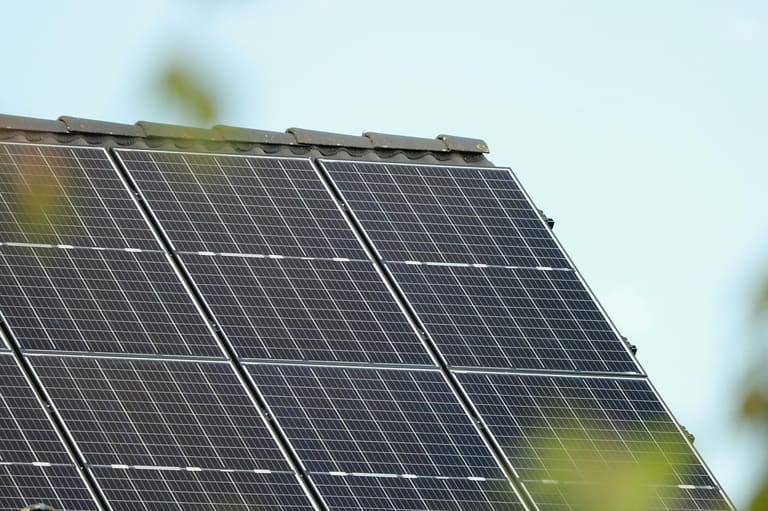
Invisible solar panels offer a visually pleasing alternative to traditional panels, but their environmental impact is equally important. Their integration into urban building surfaces allows for more sustainable land use, reducing reliance on open ground installations.
Environmental Considerations of Invisible Solar Panels
| Impact Area | Traditional Panels | Invisible Panels |
|---|---|---|
| Carbon Emissions | Significant emissions during production | Lower emissions due to streamlined manufacturing |
| Land Use | Often require large land areas | Integrated into building surfaces, minimal land impact |
| Recycling | Challenging and costly | Potentially easier with advanced materials |
| Aesthetic Impact | Can cause visual pollution | Blends seamlessly with surroundings |
Evaluating the environmental impact of invisible solar panels requires looking at the entire lifecycle—from raw material sourcing and production to usage and end-of-life recycling. Material choices, energy consumption, and waste management influence the overall carbon footprint. Moreover, wider adoption supports reduced fossil fuel dependence, playing a meaningful role in mitigating climate change.
Positive Impacts
- Reduced carbon footprint
- Lower reliance on fossil fuels
- Increased sustainability in energy production
- Cutting air pollution
- Promotion of renewable energy use
- Optimized land use through building integration
Investment in research and development focusing on environmentally friendly materials and improved recycling processes can further minimize negative impacts. Government support for these initiatives is vital.
Carbon Footprint
The carbon footprint of invisible solar panels depends on the energy consumed during manufacturing, transportation logistics, and greenhouse gas emissions throughout the product lifecycle. Using sustainable materials and increasing energy efficiency in production can significantly lower this footprint.
Renewable Energy
Invisible solar panels promote renewable energy adoption, supporting a sustainable approach to power generation. Their ability to integrate seamlessly into urban environments boosts local energy production while potentially lowering costs. Increasing investment in renewable infrastructure is crucial for environmental sustainability.
The environmental effects of invisible solar technology must be carefully managed by balancing benefits and risks. Its broader deployment could mark a significant leap toward a sustainable energy future.
The Future of Invisible Solar: Expectations and Trends
Invisible solar panel technology holds exciting promise for a sustainable energy future. While mostly in the R&D and pilot phases today, widespread adoption is anticipated in the coming years. These panels, capable of integrating into building surfaces and urban infrastructure without compromising aesthetics, could dramatically increase solar energy production. This will enhance urban energy independence and reduce carbon footprints.
Future Projections for Invisible Solar Panel Technology
| Area | Expectations | Estimated Timeline |
|---|---|---|
| Efficiency Improvement | Targets above 30% efficiency | 5-7 years |
| Cost Reduction | Competitive pricing with conventional panels | 7-10 years |
| Application Expansion | Smart cities, building integration, automotive | Mainstream use in 10+ years |
| Technological Advancements | New materials and fabrication methods | Ongoing progress |
The technology’s future is tightly linked to materials science breakthroughs. Developments in perovskite and next-gen materials can boost panel efficiency and lower costs. Advances in nanotechnology and thin-film methods will make panels more flexible and lightweight, enabling easier integration on diverse surfaces and expanding use cases.
Market analysts predict substantial growth in the invisible solar panel market driven by government incentives around sustainable energy and environmental regulations. Increasing consumer environmental awareness and desire to reduce energy bills will also boost demand. This, in turn, encourages manufacturers to invest and innovate further.
Technical Advances
Technical progress directly improves invisible solar panel performance. Innovations in transparent conductive oxides (TCOs) and light-guiding technologies increase sunlight capture and conversion efficiency. Emerging technologies such as quantum dots and organic photovoltaic materials offer promising roles as well.
Artificial intelligence (AI) and machine learning (ML) are now being used to optimize solar panel operation. By analyzing weather forecasts, sunlight angles, and energy usage data, these algorithms maximize output and extend panel lifespan.
Outlook for the Future
- Continuous efficiency gains through material and design improvements.
- Cost reductions enabled by manufacturing optimizations and scale.
- Expanded applications across buildings, automotive, and wearables.
- Integration with energy storage systems to enhance efficiency.
- Wider adoption in smart city projects promoting solar energy use.
The future of invisible solar panels will be shaped by innovation, market dynamics, and environmental priorities. This technology is poised to play a key role in transitioning to sustainable energy and transforming how we produce power.
Invisible Solar Panels Cost: What to Expect?
Cost is a critical consideration for anyone interested in investing in invisible solar panels. As a relatively new technology compared to traditional solar panels, prices vary widely depending on factors such as material type, panel size, efficiency, and installation complexity. Manufacturer brand and aesthetic qualities also influence pricing.
When evaluating invisible solar panel costs, it’s important to consider long-term returns. Though the initial investment may be higher, savings on electricity bills and government incentives can offset upfront expenses over time. Additionally, their aesthetic benefits can increase property value, speeding up return on investment.
Factors Influencing Invisible Solar Panel Cost
| Factor | Impact | Description |
|---|---|---|
| Panel Type | High | Thin film, silicon-based, or other specialized materials affect costs. |
| Panel Size | Medium | Cost scales with surface area. |
| Efficiency | High | Higher efficiency panels may cost more. |
| Installation | Medium | Factors like roof structure, access, and labor impact pricing. |
Installation is another cost driver; invisible solar panels often require more complex setups and specialized expertise compared to traditional panels, which can increase labor expenses. However, a quality installation ensures longer panel life and higher performance, offering cost benefits down the line.
Government incentives and tax credits related to invisible solar panels can also reduce costs. These programs shorten payback periods and make transitioning to invisible solar more attractive. Prospective buyers should research available incentives before committing to purchase. In summary, costs vary but considering long-term gains and environmental benefits, invisible solar panels represent a worthwhile investment.
FAQs About Invisible Solar Panels
Invisible solar panels, being less well-known than traditional solar technologies, raise many questions for potential users and enthusiasts. This section answers the most common inquiries, covering topics from cost and efficiency to applications and environmental impact.
Their visual advantages and ease of integration have sparked strong interest among architects and designers, but clarity on performance, durability, and return on investment is often sought. The table below compares different invisible solar panel types to help readers make informed decisions.
| Panel Type | Efficiency (%) | Estimated Lifespan (Years) | Typical Applications |
|---|---|---|---|
| Transparent Solar Panels | 10-15 | 20-25 | Windows, Facades |
| Color-Changing Panels | 12-18 | 25-30 | Roofs, Walls |
| Integrated Glass Panels | 15-20 | 30-35 | Buildings, Vehicles |
| Organic Solar Panels | 8-12 | 15-20 | Electronics, Textiles |
To clear up common doubts, here is a list of frequently asked questions and their answers about invisible solar panels, providing greater insight into their capabilities and applications.
- How much energy can invisible solar panels generate?
- How do these panels’ costs compare to traditional solar panels?
- What is the expected lifespan of invisible solar panels?
- Which surfaces can this technology be applied to?
- How is maintenance handled for invisible solar panels?
- Are these panels environmentally friendly?
- What climate conditions can invisible solar panels withstand?
Invisible solar panels represent cutting-edge developments in solar technology with strong potential to play a major role in future energy production. Staying updated on new findings and expert assessments is key to fully appreciating this innovation. Sustainable energy solutions like this are critical to our collective future.
Conclusion: Next Steps for the Future of Invisible Solar Panels
Invisible solar panels are an exciting technological breakthrough with the potential to revolutionize energy production. By resolving aesthetic concerns, they can bring solar power to a much wider audience. However, key steps are needed to enable their widespread adoption.
The future success of invisible solar relies heavily on investment in research and development. Enhancing efficiency, reducing costs, and improving durability will boost competitiveness. Expanding their compatibility with diverse surface types will also broaden applications.
Actions to Take
- Increase R&D Investment: Focus on improving efficiency and durability through advanced research.
- Reduce Costs: Optimize manufacturing and lower material expenses to make panels more affordable.
- Set Industry Standards: Establish quality and reliability benchmarks for invisible solar panels.
- Raise Awareness: Educate consumers and businesses about the benefits to grow market demand.
- Offer Incentives: Encourage governments and local authorities to provide subsidies and tax breaks for installation.
For this technology to flourish, coordinated technical and policy efforts are essential. Invisible solar panels can be pivotal in shifting to clean energy and fostering a sustainable future. Therefore, keeping abreast of developments and investing wisely are critical.
Frequently Asked Questions
How different are invisible solar panels from traditional solar panels?
Invisible solar panels are made from materials that absorb light in less visible wavelengths and appear transparent or semi-transparent, unlike traditional silicon-based panels.