 Afrikaans
 Azərbaycan
 Bosanski
 Čeština
 Dansk
Dansk Deutsch
 English
 Español
 Filipino
 Français
 Hrvatski
 Indonesia
 Italiano
 Magyar
 Melayu
 Nederlands
 Norsk
Norsk Oʻzbek
 Polski
 Português
 Română
 Slovenčina
 Slovenščina
 Suomi
Suomi Svenska
 Tiếng Việt
 Türkçe
 Ελληνικά
 Беларуская
 Български
 Русский
 Српски
 Українська
 עברית
עברית اردو
اردو العربية
 پښتو
پښتو فارسی
فارسی አማርኛ
አማርኛ मराठी
मराठी বাংলা
বাংলা தமிழ்
தமிழ் ไทย
ไทย မြန်မာ
 한국어
한국어 中文
中文 日本語
日本語

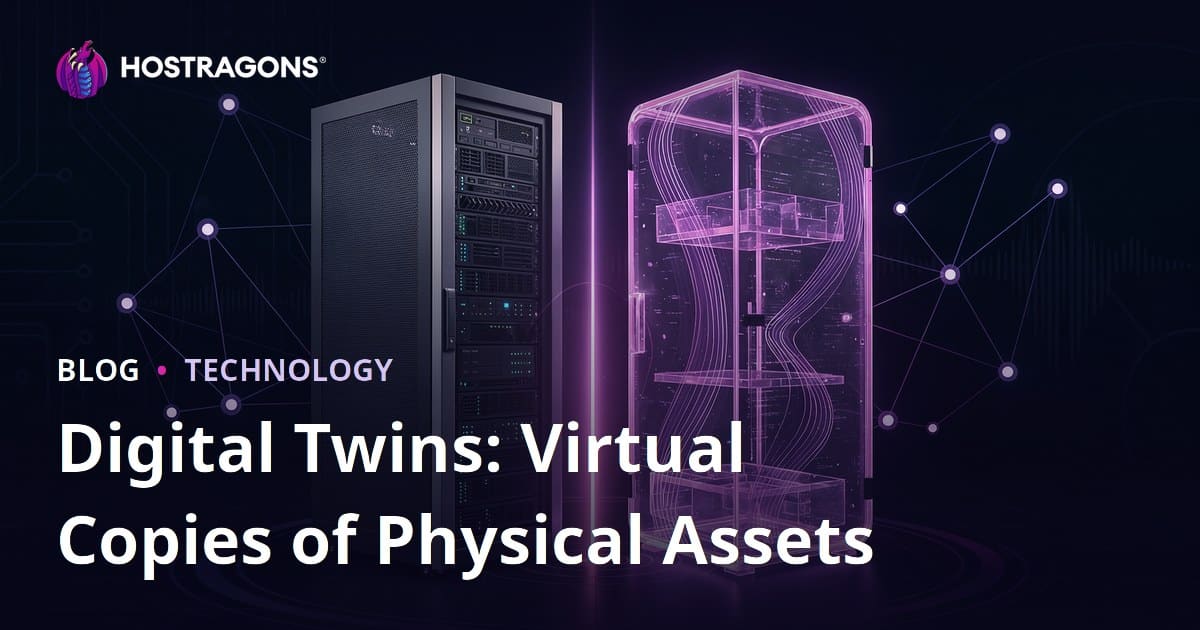
Digital twins are defined as virtual replicas of physical assets and have increasingly important roles in various sectors today. This blog post explores what digital twins are, their historical development, advantages, and disadvantages in detail. Covering a wide range of application areas from manufacturing to healthcare, urban planning to energy, the creation process of digital twins, future trends, and their innovation potential are also examined. Through success stories and examples, the tangible benefits of digital twins are highlighted, alongside their impact on sustainability and strategies for a successful future.
What Are Digital Twins? Definition and Importance
Digital twins are virtual representations of a physical asset, process, or system. These virtual copies reflect the behaviors and characteristics of their real-world counterparts. Continuously updated via sensors and other data sources, these models provide real-time analysis and simulation capabilities. Thus, they play a crucial role in optimizing and improving various systems, such as a manufacturing line, urban infrastructure, or a complex machine.
Digital twins have the potential to revolutionize various industries. From manufacturing and healthcare to energy and smart cities, digital twins enable the development of more efficient, sustainable, and secure solutions. For example, a digital twin of an aircraft engine can continuously monitor the engine's performance, helping to preemptively identify potential faults and optimize maintenance schedules.
| Feature | Description | Benefits |
|---|---|---|
| Real-Time Data | Data continuously updated through sensors | Enables accurate analysis and simulation |
| Simulation Capability | Ability to test and optimize different scenarios | Reduces risks and enhances performance |
| Predictive Maintenance | Preemptively identifies potential failures | Lowers costs and enhances efficiency |
| Optimization | Continuous improvement of systems and processes | Provides more efficient and sustainable solutions |
The significance of digital twins extends beyond merely improving existing systems; they also play a substantial role in promoting innovation and preparing for future challenges. The development of new products and services, the optimization of existing processes, and the construction of a more sustainable future make digital twins an indispensable tool.
- Key Features of Digital Twins
- Real-time data integration
- Simulation and analysis capabilities
- Predictive modeling
- Visualization and interaction
- Learning and adaptation abilities
- End-to-end traceability
Digital twins are powerful technologies that enable us to better understand, manage, and optimize the physical world. This technology can assist businesses in gaining a competitive advantage, reducing costs, and building a more sustainable future. Through digital twins, it is possible to construct a smarter, more efficient, and safer world.
History and Development of Digital Twins
The concept of digital twins actually dates back further than commonly thought. Its roots can be traced to NASA's space programs in the 1960s. At that time, actual copies of spacecraft were created on Earth to simulate conditions in space and to preemptively devise solutions for potential problems. This approach can be considered one of the first examples of today's digital twin technology.
The rapid advancement of computer technologies has played a significant role in the development of digital twin technology. Particularly, the increase in processor speeds has enabled the creation of more complex models. Moreover, advancements in sensor technologies allow for greater and more accurate data collection from physical assets, facilitating real-time updates of digital twins.
| Year | Development | Impact |
|---|---|---|
| 1960s | NASA’s Apollo Project | First digital twin-like applications for simulating spacecraft |
| 1990s | Michael Grieves’ Concept | Introduction of the digital twin concept in the context of product lifecycle management |
| 2000s | Advancements in IoT and Sensor Technologies | Real-time data collection and continuous updates of digital twins |
| 2010s | Cloud Computing and Big Data Analytics | Making digital twins more accessible and scalable |
In 2002, Michael Grieves further clarified the concept of digital twins by presenting it in the context of product lifecycle management (PLM) at a conference. He suggested that creating a virtual copy of a physical product could allow for better management throughout the product's entire lifecycle. This concept forms the basis for the widespread use of digital twins today.
- Key Historical Milestones
- 1960s: Early simulation applications in NASA's space programs.
- 2002: Michael Grieves’ presentation of the digital twin concept in the context of PLM.
- 2010s: Real-time data collection capabilities with the rise of IoT and sensor technologies.
- 2010s: Increased scalability and accessibility of digital twins through cloud computing and big data analytics.
- Today: Rapid growth in the industrial applications of digital twins across various sectors.
Today, digital twins are utilized across a myriad of sectors, from manufacturing to healthcare, energy to urban planning. Enhanced by evolving AI and machine learning technologies, digital twins not only visualize data but have also gained predictive and optimization abilities. This makes decision-making processes more rational and efficient.
Advantages and Disadvantages of Digital Twins
Digital twins are revolutionizing the modern industry with their numerous advantages. However, it is also important to consider the potential disadvantages of this technology. Some of the benefits of digital twins include real-time monitoring, improved decision-making, increased efficiency, and reduced costs. On the other hand, high initial costs, data security concerns, and complex implementation processes are drawbacks that must be taken into account.
- Improved Performance: Digital twins help optimize the performance of physical assets.
- Predictive Maintenance: Identifies failures in advance, reducing maintenance costs.
- Rapid Prototyping: Allows for testing new products and processes in a virtual environment.
- Efficiency Increase: Increases operational efficiency and speeds up production.
- Risk Reduction: Minimizes risks by simulating real-world scenarios.
- Cost Savings: Reduces costs by enabling more efficient use of resources.
The benefits of digital twins are particularly evident when it comes to managing and optimizing complex systems. In manufacturing processes, a digital twin of a machine can provide real-time data, helping to preemptively identify potential failures and optimize maintenance processes. In the energy sector, a digital twin of a power plant can be deployed to optimize energy production and enhance efficiency. However, implementing and maintaining this technology may require significant investment.
| Benefit | Description | Example Application |
|---|---|---|
| Performance Optimization | Enhances the performance of physical assets. | Increasing efficiency in manufacturing lines. |
| Predictive Maintenance | Reduces maintenance costs by predicting failures. | Planning maintenance for aircraft engines. |
| Risk Management | Minimizes risks by simulating real-world scenarios. | Testing the safety of a new oil platform. |
| Cost Savings | Enables more efficient resource usage. | Reducing costs by lowering energy consumption. |
However, the disadvantages of digital twins should not be overlooked. The high initial costs can pose a barrier, especially for small and medium-sized enterprises. Additionally, creating and maintaining digital twins requires expertise, which can lead to additional costs. Data security is also a major concern; digital twins can contain sensitive data, and ensuring the security of this information is crucial. Data breaches can damage a company's reputation and lead to significant financial losses.
The advantages and disadvantages of digital twins should be carefully evaluated. To best leverage the potential of this technology, businesses need to adopt a strategic approach that considers their specific needs and resources. With proper planning and execution, digital twins can help businesses achieve a competitive advantage and ensure sustainable growth.
Application Areas of Digital Twins
Digital twins are revolutionizing many industries today. As virtual copies of real-world assets, this technology enables businesses to optimize operations, reduce costs, and accelerate innovation. From manufacturing and healthcare to energy and smart cities, there are broad application areas. This diversity clearly illustrates the potential and future importance of digital twins.
In the energy sector, digital twins are used to monitor and optimize the performance of energy production facilities. For example, a digital twin of a wind turbine can be utilized to feed real-time data, boosting the turbine's efficiency and reducing the risk of malfunctions. Similarly, in the oil and gas industry, digital twins of drilling rigs and pipelines are used to improve operational efficiency and reduce environmental impacts.
- Industries Implementing Digital Twins
- Manufacturing
- Healthcare
- Energy
- Smart Cities
- Automotive
- Aerospace
In healthcare, digital twins are being utilized to improve and personalize patient care. A digital twin of a patient includes their medical history, lifestyle, and genetic information, helping doctors make more accurate diagnoses and develop treatment plans. This results in more effective treatment processes and increased patient satisfaction. Furthermore, in drug development processes, digital twins can save time and costs by simulating clinical trials.
| Sector | Application Area | Benefits |
|---|---|---|
| Manufacturing | Factory Simulation | Increased Efficiency, Cost Reduction |
| Healthcare | Personalized Treatment | More Effective Treatments, Increased Patient Satisfaction |
| Energy | Energy Production Optimization | Increased Efficiency, Fault Prevention |
| Smart Cities | Traffic Management | Improving Traffic Flow, Reducing Environmental Impact |
In smart cities, digital twins are used in areas like urban planning, traffic management, and energy consumption. A city’s digital twin can be fed with real-time data to optimize traffic flow, reduce energy consumption, and simulate emergency scenarios. This ensures that cities become more sustainable and livable. They particularly play a significant role in improving transportation systems and utilizing resources more efficiently.
Phases of the Digital Twin Creation Process
The steps followed in creating digital twins can vary depending on the complexity and detail level of the targeted application. However, generally, this process consists of specific fundamental phases. These phases aim to create an accurate virtual representation of the physical asset and ensure that this representation remains updated with real-time data. Successful creation of a digital twin requires careful planning and execution of each phase.
Technologies Used in Digital Twin Creation Process| Technology | Description | Application Areas |
|---|---|---|
| IoT Sensors | Collects real-time data from physical assets. | Manufacturing, Energy, Healthcare |
| Cloud Computing | Used for data storage, processing, and analysis. | All Sectors |
| Artificial Intelligence (AI) | Used for learning from data, making predictions, and optimizations. | Manufacturing, Logistics, Healthcare |
| 3D Modeling | Creates a virtual model of the physical asset. | Architecture, Engineering, Manufacturing |
The following list outlines the fundamental steps that should be followed during the digital twin creation process. These steps will help in better understanding and managing the process more effectively. Each step provides the essential information and data necessary for the next phase.
- Needs Analysis: Defining what is expected from the digital twin and what problems it will solve.
- Data Collection Plan: Deciding which data will be collected, which sensors will be used, and the frequency of data collection.
- Model Creation: Creating a 3D model of the physical asset and defining the necessary parameters.
- Data Integration: Integrating the collected data into the model and updating the model in real time.
- Simulation and Testing: Testing the model under different scenarios and evaluating its performance.
- Optimization: Continuously improving the model and processes.
During the digital twin creation process, the data collection and modeling phases are critical. Mistakes made during these stages can directly affect the accuracy and reliability of the digital twin. Therefore, these phases require special attention.
Data Collection
Data collection forms the foundation of the digital twin creation process. In this phase, various sensors and IoT devices are used to collect real-time data from the physical asset. The collected data may include parameters such as temperature, pressure, speed, and location. The accuracy and reliability of the data collection process is critical for the correctness of the digital twin.
Modeling
In the modeling phase, a virtual representation of the physical asset is created. This model is usually developed using 3D modeling techniques and reflects the geometry, materials, and other important characteristics of the physical asset. The accuracy of this model determines how well the digital twin can simulate real-world behaviors.
Simulation
Simulation involves testing the created model under various scenarios and evaluating its performance. During this phase, different parameters are altered within the model to analyze the behavior of the physical asset under different conditions. The results of the simulation can be utilized for purposes such as design optimization, fault detection, and performance improvement.
The digital twin creation process is complex and requires careful planning and execution. However, when implemented correctly, it can provide significant advantages to businesses and foster innovation.
Future and Trends of Digital Twins
Digital twin technology is currently revolutionizing many sectors and is expected to increase its impact exponentially in the future. These virtual replicas offer unique opportunities to optimize the performance of physical assets, reduce costs, and accelerate innovation. In the future, as digital twins become smarter, more autonomous, and integrated, profound changes will transpire in business processes and decision-making mechanisms.
The future of digital twins will be shaped significantly by technological advancements. In particular, developments in artificial intelligence, machine learning, the Internet of Things (IoT), and cloud computing will greatly enhance the capabilities of digital twins. Through the integration of these technologies, digital twins will be able to perform real-time data analysis, simulate complex scenarios, and offer optimized solutions.
| Trend | Description | Expected Impact |
|---|---|---|
| Integration with AI | Enhancing digital twins with artificial intelligence algorithms. | More accurate predictions, autonomous decisions, and optimized operations. |
| Real-Time Data Analysis | Immediate processing of data obtained from IoT devices. | Proactive maintenance, quick problem-solving, and improved performance. |
| Cloud Computing Infrastructure | Hosting digital twins on cloud-based platforms. | Scalability, accessibility, and cost-effectiveness. |
| Augmented and Virtual Reality (AR/VR) | Visualizing digital twins using AR/VR technologies. | Enhanced user experiences, interactive simulations, and training opportunities. |
Moreover, the application areas of digital twins will continue to expand, finding more applications in sectors such as healthcare, energy, manufacturing, and urban planning. This diversification will further elevate the potential of digital twins and assist companies in gaining competitive advantages. The digital twin technology is expected to become accessible not only for large corporations but also for SMEs, reaching a broader audience.
Integration with AI
Integration with artificial intelligence (AI) will play a pivotal role in the future of digital twins. AI algorithms will analyze the vast datasets gathered by digital twins, making it possible to extract meaningful insights and predict future events. Consequently, businesses will be able to optimize their operations, mitigate risks, and make better decisions. AI will enhance the learning abilities of digital twins, allowing for the creation of continuously evolving and adaptive systems.
Real-Time Data Usage
Real-time data usage enables digital twins to function dynamically and effectively. Data from IoT devices is instantly transferred to the digital twin, providing a continuously updated view of the physical asset’s current state. This allows for early detection of potential issues, optimization of maintenance processes, and quick responses to emergencies. Real-time data analysis enhances the proactive and predictive capabilities of digital twins, increasing efficiency and decreasing costs.
Many factors will influence the future development of digital twins technology. Key areas include standardization, security, data privacy, and ethical issues. Developing solutions to address these topics will enable the broader and more reliable use of digital twins.
- Expected Changes in the Future
- Smarter and more autonomous digital twins.
- Real-time data analysis and integration with artificial intelligence.
- Broader application areas and expansion into various sectors.
- Proliferation of cloud-based infrastructures.
- Integration with augmented and virtual reality (AR/VR).
- Increased standardization and security measures.
- Accessible and cost-effective solutions for SMEs.
Digital twin technology will continue to play a vital role in business and society in the future. Companies that capitalize on the opportunities presented by this technology and develop appropriate strategies will gain a competitive advantage and pave the way to a successful future.
Creating Innovation with Digital Twins
Digital twins offer a unique opportunity for innovation as virtual representations of physical assets, processes, or systems. Continuously updated with real-time data, these virtual models transfer trial-and-error processes to a virtual environment, reducing costs and minimizing risks. Innovation often involves enhancing existing systems or developing entirely new solutions, and digital twins play a critical role in this process.
The contributions of digital twins to the innovation process are multifaceted. First, they provide the opportunity to test different scenarios and design modifications in a virtual environment before applying them in the real world. This is a significant advantage, especially in complex systems or high-cost projects. For example, an automotive manufacturer may test a new vehicle design on its digital twin to optimize aerodynamic performance, fuel efficiency, and safety features. This saves costs on prototype development and testing while accelerating the product development process.
| Innovation Area | Digital Twin Application | Benefits |
|---|---|---|
| Product Development | Testing new designs in a virtual environment | Reduced costs, shortened development time |
| Manufacturing Processes | Virtual simulation of production lines | Increased efficiency, prevention of errors |
| Energy Management | Modeling energy consumption in smart cities | Increased energy efficiency, optimized resources |
| Healthcare Services | Virtual models of patient data | Personalized treatment plans, improved diagnostic accuracy |
Suggestions for Innovation Usage
- Data Collection and Integration: Feeding digital twins with accurate and reliable data forms the foundation of innovation.
- Simulation and Analysis: Simulating different scenarios helps analyze potential outcomes, minimize risks, and uncover opportunities.
- Real-Time Monitoring: Monitoring the performance of physical assets in real time helps identify areas for improvement.
- Predictive Maintenance: Anticipating machine and equipment failures allows for optimized maintenance strategies that reduce costs.
- Collaboration and Sharing: Collaboration among experts from different disciplines on digital twins fosters the development of creative solutions.
Digital twins are a powerful tool for promoting innovation, but successful implementation requires careful planning and appropriate technology selection. Companies should align their digital twin strategies with business goals and continuously improve them. It should be noted that digital twins are not just a technology; they also represent a way of thinking.
Digital twins will fundamentally change how businesses innovate, optimize their operations, and enhance customer experiences. – Gartner
Therefore, fully understanding and effectively utilizing the potential of digital twins is crucial for gaining a competitive edge.
Digital Twin Success Stories and Examples
Digital twins continue to revolutionize various industries. As virtual copies of real-world assets, this technology offers unique opportunities for operational efficiency, cost savings, and innovation. Success stories and examples showcase the tangible benefits and transformative effects of digital twins.
| Sector | Application Area | Provided Benefit |
|---|---|---|
| Automotive | Production Line Optimization | Increased Efficiency, Cost Reduction |
| Manufacturing | Predictive Equipment Maintenance | Reduced Downtime, Decreased Maintenance Costs |
| Healthcare | Patient Treatment Simulation | Improved Treatment Outcomes, Personalized Medicine |
| Energy | Energy Grid Management | Increased Energy Efficiency, Reduced Losses |
The success of digital twins is made possible through real-time data analysis and simulation capabilities. These allow businesses to monitor the performance of their physical assets in real-time, identify potential issues beforehand, and make optimized decisions. Below is a list of successful application examples from various sectors.
Successful Application Examples
- Siemens: Utilizing digital twin technology to optimize manufacturing processes, resulting in significant efficiency gains.
- GE Aviation: Employing digital twins to monitor the performance and optimize maintenance of aircraft engines, leading to increased fuel efficiency and reduced downtime.
- Procter & Gamble: Utilizing digital twin technology to accelerate product development processes and reduce costs.
- Tesla: Using digital twins to enhance the performance and safety of its vehicles, improving the driving experience.
- NASA: Implementing digital twins for simulating spacecraft and missions, increasing mission success rates and reducing risks.
These examples illustrate that digital twins offer significant opportunities not only for large companies but also for SMBs. With the right strategies and technology, businesses of all sizes can benefit from the advantages offered by digital twins.
Automotive Industry Example
In the automotive industry, digital twins are utilized across a wide range of activities from vehicle design to production, testing processes to after-sales services. For example, an automobile manufacturer can use digital twins to test the aerodynamic performance of a new model in a virtual environment. This allows for the identification of design flaws before creating physical prototypes, avoiding costly changes.
Manufacturing Industry Example
In the manufacturing sector, digital twins are especially important for optimizing production lines and managing equipment maintenance. By creating a digital copy of all machines and processes in a factory, production flow can be monitored, bottlenecks can be identified, and efficiency can be increased. Additionally, analyzing the operational data of equipment allows for predicting failure probabilities and developing preventive maintenance strategies. This reduces unplanned downtimes and lowers production costs.
Digital twins are a powerful tool for businesses to gain a competitive advantage, enhance operational efficiency, and foster innovation. Success stories and examples clearly demonstrate the potential and transformative impact of this technology.
Impact of Digital Twins on Sustainability
Digital twins play a vital role in achieving sustainability goals. As virtual copies of real-world assets and processes, they offer the potential to optimize resource usage, reduce waste generation, and minimize environmental impact. The contributions of this technology to sustainability manifest in various areas from energy efficiency to circular economy.
Digital twins assist companies in making their operations more sustainable while also streamlining compliance processes with environmental regulations. A digital twin of a manufacturing facility can be utilized to analyze energy consumption, enhance efficiency, and prevent waste generation. In smart cities, digital twins of buildings can optimize energy usage, manage water resources more efficiently, and reduce the environmental impacts of transportation systems.
- Benefits from a Sustainability Perspective
- Reduces carbon footprint by optimizing energy consumption.
- Contributes to a circular economy by minimizing waste production.
- Helps conserve natural resources through improved resource usage.
- Reduces environmental impact by making production processes more efficient.
- Supports the development of sustainable solutions in smart city projects.
- Allows supply chains to be more transparent and sustainable.
The effects of digital twins on sustainability go beyond environmental benefits; they also provide economic and social advantages. For instance, improving energy efficiency reduces costs for businesses, while a more sustainable supply chain helps consumers meet the demand for eco-friendly products. Digital twins enable companies to implement their sustainability strategies more effectively and report to stakeholders more transparently.
The technology of digital twins has the potential to revolutionize sustainability. Businesses, governments, and individuals can take significant steps toward building a more sustainable future by leveraging this technology. The analysis and optimization capabilities offered by digital twins facilitate more efficient resource utilization, waste reduction, and minimizing environmental impacts, contributing to a more livable world for future generations.
Strategies for a Successful Future with Digital Twins
Digital twins are powerful tools that enable businesses to optimize their operations, reduce costs, and foster innovation. However, it is crucial to have the right strategies in place to fully harness the potential of this technology. A successful digital twin implementation requires not only investing in technology but also considering business processes and organizational culture.
When developing digital twin strategies, it is critical to first set clear goals. You should determine which business problems you wish to solve, which processes you want to enhance, and which data you need to analyze. These goals will define the scope and focus of your digital twin project. Additionally, it is important to define the key performance indicators (KPIs) you'll use to measure success.
| Strategy Area | Description | Key Considerations |
|---|---|---|
| Data Management | Collecting, processing, and analyzing the necessary data for the digital twin. | Data quality, data security, data integration. |
| Technology Selection | Selecting the right digital twin platform and tools. | Scalability, integration capabilities, costs. |
| Organizational Compatibility | Integrating the digital twin project within organizational structures and processes. | Employee training, collaboration, leadership support. |
| Continuous Improvement | Continually updating and enhancing the digital twin. | Feedback mechanisms, adapting new technologies. |
An effective digital twin strategy requires embracing a data-driven approach. Ensuring that the digital twin is fed with accurate and up-to-date data allows it to accurately reflect real-world scenarios. This enables better decision-making and the development of more effective solutions. Optimizing your data collection, processing, and analysis processes is critical for the success of your digital twin project.