 Afrikaans
 Azərbaycan
 Bosanski
 Čeština
 Dansk
Dansk Deutsch
 English
 Español
 Filipino
 Français
 Hrvatski
 Indonesia
 Italiano
 Magyar
 Melayu
 Nederlands
 Norsk
Norsk Oʻzbek
 Polski
 Português
 Română
 Slovenčina
 Slovenščina
 Suomi
Suomi Svenska
 Tiếng Việt
 Türkçe
 Ελληνικά
 Беларуская
 Български
 Русский
 Српски
 Українська
 עברית
עברית اردو
اردو العربية
 پښتو
پښتو فارسی
فارسی አማርኛ
አማርኛ मराठी
मराठी বাংলা
বাংলা தமிழ்
தமிழ் ไทย
ไทย မြန်မာ
 한국어
한국어 中文
中文 日本語
日本語

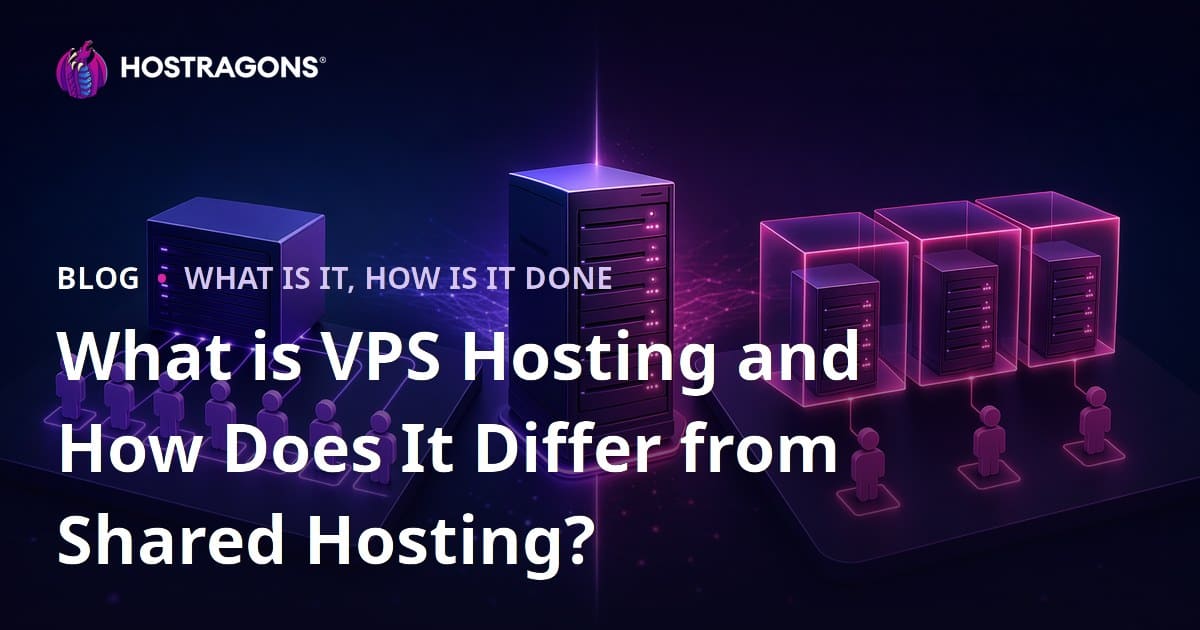
VPS Hosting is a type of web hosting that offers more resources and control compared to shared hosting. Essentially, it is created by partitioning a physical server into virtual sections. This article thoroughly examines what VPS Hosting is, its fundamental differences from shared hosting, its advantages and disadvantages. Furthermore, it discusses key factors to consider when selecting VPS Hosting, how to determine the right plan for your needs, and potential challenges. Tips for maximizing the benefits of VPS Hosting are provided alongside answers to frequently asked questions.
What is VPS Hosting? Basic Definitions and Information
VPS (Virtual Private Server) Hosting is a type of hosting that allows for each partition to function as an independent server, created by dividing a physical server into virtual pieces. Each virtual server (VPS) possesses its own operating system, resources (RAM, CPU, storage), and allocated bandwidth. This setup permits each VPS to operate independently and utilize its resources. VPS hosting serves as a bridge between shared hosting and dedicated hosting; it provides more resources and control compared to shared hosting while being more cost-effective compared to dedicated hosting.
VPS hosting is an ideal solution for users seeking greater performance, security, and control for their website or application. It is especially favored for projects that experience increased traffic, require specific software, or must adhere to certain security standards. As a VPS owner, you retain full control over the server and can install and configure any software you desire. This flexibility allows for optimization based on the specific needs of your website or application.
Key Benefits of VPS Hosting
- High Performance: Your website loads faster due to increased resources and allocated bandwidth.
- Enhanced Security: You are not affected by the activities of other users due to an isolated environment.
- Full Control: You have the freedom to choose your own operating system and software.
- Scalability: You can easily upgrade your resources as your needs grow.
- Cost-Effective: More affordable than dedicated hosting.
When selecting VPS hosting, there are some important factors to consider. Reliability of the provider, server location, technical support services, and the volume of resources offered are all key considerations in the decision-making process. Additionally, whether you will manage the VPS yourself or opt for a managed VPS service is also significant. Managed VPS services may be more suitable for users without technical knowledge, while unmanaged VPS options may be more attractive for those who want to manage their own server.
Comparison of VPS Hosting Packages
| Feature | Basic Package | Mid-Level Package | Advanced Package |
|---|---|---|---|
| CPU | 2 Cores | 4 Cores | 8 Cores |
| RAM | 4 GB | 8 GB | 16 GB |
| Storage | 50 GB SSD | 100 GB SSD | 200 GB SSD |
| Bandwidth | 2 TB | 4 TB | Unlimited |
VPS hosting is a perfect choice for anyone needing more resources, security, and control for their website or application. By selecting the right provider and package, you can significantly enhance your website's performance and maximize its growth potential.
What is Shared Hosting? Basic Features and Functionality
Shared hosting is a type of hosting where websites are hosted on a server shared by multiple users. This makes it a more cost-effective solution compared to VPS hosting. It is typically ideal for small to medium-sized businesses (SMBs), blog owners, and beginners. In shared hosting, server resources (CPU, RAM, storage space, bandwidth) are distributed equally among all users.
Shared hosting is fundamentally similar to living in an apartment building. Everyone shares the same building (server) and has access to certain common resources (water, electricity, internet). While this arrangement reduces costs, it can lead to limitations in resource usage. For instance, if one website experiences excessive traffic, it can negatively impact the performance of other websites. Therefore, shared hosting is more suitable for websites that do not expect high traffic or run resource-intensive applications.
Features of Shared Hosting
- A cost-effective hosting solution.
- Easy to set up and manage, requiring no technical knowledge.
- Most hosting providers offer a user-friendly interface via control panels (such as cPanel or Plesk).
- Limited server resources (CPU, RAM, storage).
- Performance may be affected by the resource usage of other users.
- Flexibility is not as strong as VPS hosting.
- Generally supports email accounts, databases, and basic web applications.
Shared hosting is often a good starting point for newcomers and those seeking a budget-friendly solution. However, as your website grows and requires more resources, you may need to transition to stronger options like VPS hosting or dedicated hosting. Therefore, when choosing hosting, it’s important to consider your website’s current needs and future growth potential.
Key Differences Between VPS Hosting and Shared Hosting
VPS Hosting and Shared Hosting are the two most popular hosting solutions for websites, yet there are significant differences between them. Shared Hosting is an environment where multiple websites share the same server resources. While it has cost advantages, it can bring limitations in terms of performance and security. A sudden spike in traffic for one website can negatively impact the performance of others.
In contrast, VPS Hosting (Virtual Private Server) is a type of hosting created by partitioning a physical server through virtualization technology. Each section functions like its own server, with dedicated resources (CPU, RAM, storage). This offers users more control and customization options. With dedicated resources, the likelihood of being impacted by other users’ activities is reduced.
Performance Comparison
VPS Hosting provides better performance, especially for high-traffic and resource-intensive applications. Dedicated resources ensure that your website loads faster and operates more stably. In Shared Hosting, performance fluctuations can occur due to the sharing of server resources.
The table below summarizes the key differences between VPS Hosting and Shared Hosting:
| Feature | Shared Hosting | VPS Hosting |
|---|---|---|
| Resources | Shared | Dedicated (Virtual) |
| Performance | Variable | High and Stable |
| Control | Limited | High |
| Security | Lower | Higher |
The following list details the fundamental differences between VPS and Shared Hosting:
- Resource Isolation: VPS has dedicated resources, while Shared Hosting has shared resources.
- Customization: VPS offers more freedom in server configuration and software installation.
- Performance: VPS provides higher and more stable performance.
- Security: VPS offers better security measures and reduces the risk of being affected by other users' activities.
- Scalability: VPS allows for easy resource upgrades as needed.
Price and Cost Analysis
Generally, Shared Hosting is less expensive than VPS Hosting. This can be an attractive option, especially for beginners or those on a budget. However, as your website grows and requires more resources, transitioning to VPS Hosting may make more sense. The performance and scalability offered by VPS can lead to long-term cost savings.
VPS Hosting provides more flexibility and control compared to shared hosting. This allows you to achieve a customized solution tailored to the needs of your website. Users with technical knowledge, in particular, can manage and optimize their servers better with VPS Hosting.
Choosing the right hosting option is critical for the success of your website. By considering your needs and budget, you can make the right decision between VPS Hosting and Shared Hosting.
The choice between VPS Hosting and Shared Hosting depends on your website's needs, budget, and technical knowledge. If you have requirements for high performance, security, and customization, VPS Hosting may be a better option. However, if you are looking for a simpler solution and lower costs, Shared Hosting may be sufficient for starting up.
Advantages and Disadvantages of Using VPS Hosting
VPS hosting offers more resources and control than shared hosting. However, it's important to keep in mind that this increased power and flexibility come with some downsides. Before transitioning to a VPS hosting solution, carefully assessing its advantages and disadvantages will assist in making the right decision for your needs.
The table below summarizes the key differences between VPS hosting and shared hosting. This comparison will help you understand the strengths and weaknesses of each hosting type and decide which option is better suited for your project.
| Feature | VPS Hosting | Shared Hosting |
|---|---|---|
| Resources | Dedicated resources (RAM, CPU, disk space) | Shared resources |
| Control | Root access, custom configuration | Limited control, pre-configured |
| Performance | Higher performance, better stability | Fluctuations in performance due to shared resources |
| Cost | Higher than shared hosting | More affordable |
| Scalability | Resources easily scalable | Limited scalability |
Advantages of VPS Hosting
- Better Performance: VPS hosting allows your website to load faster and perform better since resources are not shared with other users.
- Increased Security: You operate in an isolated environment, which reduces the impact of security vulnerabilities.
- Customizability: You can configure your server environment according to your needs, allowing you to run custom software or applications.
- Root Access: You have complete control over your server, offering advanced configuration and management options.
- Scalability: As your website grows, you can easily increase your resources, ensuring uninterrupted service.
- More Resources: Compared to shared hosting, you will have more RAM, CPU power, and disk space.
There are some disadvantages to using VPS hosting. The most notable drawback is that it is more expensive than shared hosting. Additionally, managing VPS hosting may require more technical knowledge. Server configuration, security updates, and other management tasks may not pose a problem for experienced users, but they can be challenging for beginners. However, many hosting providers offer managed VPS hosting services that alleviate this issue. Managed VPS hosting includes technical support and server management services, allowing users to focus on their websites.
VPS hosting is an ideal solution for websites and applications that seek more resources, control, and security. However, it is important to consider cost and technical knowledge requirements to select the most appropriate hosting solution for your needs. VPS hosting can be a powerful tool to maximize your website's growth potential.
Factors to Consider When Choosing VPS Hosting
Choosing VPS Hosting requires finding a service provider and plan that most effectively meets your needs. There are many factors to consider during this process. Performance, security, scalability, and technical support are elements that can directly affect the quality of your VPS Hosting experience. Making an incorrect choice can lead to decreased performance for your website or application, security vulnerabilities, and increased costs. Therefore, it is essential to conduct thorough research and clearly define your needs before making a decision.
| Factor | Importance Level | Description |
|---|---|---|
| Resources (CPU, RAM, Storage) | High | Must meet the resource requirements of your website or application. |
| Uptime Guarantee | High | Indicates how long the server will remain operational. Preferably should be 99.9% or higher. |
| Scalability | Medium | Should allow you to easily increase resources as your needs grow. |
| Technical Support | High | A technical support team that is available 24/7 and offers quick solutions is important. |
Another important aspect to consider when selecting a VPS Hosting plan is the choice of operating system. Linux and Windows are the most commonly used operating systems, each with its unique advantages and disadvantages. Linux is often a more cost-effective and customizable option, while Windows may be better suited for applications that use Microsoft technologies. Your choice of operating system should be compatible with the software and development tools you plan to use.
Checklist for VPS Hosting
- Determine the CPU, RAM, and storage space you need.
- Research a reliable VPS Hosting provider.
- Check the uptime guarantee offered.
- Evaluate the quality of the technical support services.
- Explore scalability options.
- Verify operating system compatibility.
- Carefully read pricing and payment terms.
It can also be beneficial to consider any additional services offered by the VPS Hosting provider. For instance, services like automatic backups, firewalls, DDoS protection, and SSL certificates can enhance the security and performance of your website or application. Furthermore, the convenience of a control panel (such as cPanel or Plesk) can simplify server management. By considering all these factors, you can find the VPS Hosting solution that best meets your needs.
Keep in mind that the cheapest option may not always be the best choice. Quality service will save you time and money in the long run. Therefore, it is important to weigh the quality of service and provider’s reputation alongside pricing when making a decision.
Which VPS Hosting Plan Is Right for You?

The choice of VPS Hosting varies depending on your needs and expectations. Selecting the right plan is critical for the performance, security, and scalability of your website. Identifying your requirements and comparing the features of different plans will help you make the best decision.
- Different VPS Hosting Plans and Features
- Managed VPS Hosting: Ideal for those who don’t want to deal with technical details. Server management is handled by the hosting provider.
- Unmanaged VPS Hosting: Suitable for users with technical knowledge who want full control over the server.
- CPU Core Count: A higher core count is essential for applications requiring more processing power.
- RAM Amount: Determines how much data your website and applications can process simultaneously. High RAM is crucial for sites with heavy traffic.
- Storage Space (SSD/HDD): SSD storage is faster than HDD and enhances performance. The storage space indicates how much room you have for your files, databases, and applications.
- Bandwidth (Traffic): Specifies how much data your website can transfer monthly. High bandwidth is important for high-traffic sites.
First and foremost, you should define what kind of resources your website or application will require. For example, are you running a high-traffic e-commerce site or a blog with less traffic? This will directly affect the amount of CPU, RAM, storage, and bandwidth you need.
VPS Hosting Plans for Different Needs
| Need | Recommended Plan | Why? |
|---|---|---|
| Low Traffic Blog | Basic VPS | Cost-effective, provides adequate resources. |
| Medium Traffic E-commerce Site | Mid-Level VPS | Increases performance with more RAM and CPU power. |
| High Traffic Corporate Site | Advanced VPS | Offers high resources and scalability. |
| Resource Intensive Application | Custom VPS Solutions | Allows for custom configurations based on need. |
Another important factor is your level of technical knowledge. If you are not experienced in server management, managed VPS hosting plans may be more suitable for you. In these plans, server management, security updates, and technical support are handled by the hosting provider. However, if you want complete control over the server, you may prefer unmanaged VPS hosting plans. These options offer more customization opportunities but require technical knowledge.
Comparing Plans
When comparing different VPS hosting plans, it’s important not to focus solely on price. You should consider the resources offered, technical support, security features, and scalability as well. The cheapest plan may not always be the best option, especially if it won’t meet your needs in the long run.
It is important to research the provider's reputation and customer reviews. A reliable provider should offer uninterrupted service, responsive technical support, and a secure environment. Customer reviews can provide valuable insights into the quality of service offered by the provider.
Choosing the right VPS hosting plan is a crucial step for the success of your website. Carefully assess your needs, compare different plans, and select a reliable provider. This will ensure that your website or application performs at its best.
What are Your VPS Hosting Requirements?
Before transitioning to VPS Hosting, it is important to assess whether this virtual server can meet your needs. VPS Hosting offers more flexibility and control compared to shared hosting, but it also brings specific requirements. Accurately identifying your needs will help you select the right VPS Hosting plan and ensure a smooth transition.
The size and complexity of your business or project will directly impact your VPS Hosting requirements. A simple website may require a VPS with lower specifications, while a high-traffic e-commerce site or complex web application will need a more powerful VPS. Therefore, it's essential to assess both your current and future needs.
Core Requirements for VPS Hosting
- Processor (CPU): Determine how much processing power your website or application needs.
- Memory (RAM): Ensure you have sufficient RAM for your applications and operating system to operate smoothly.
- Storage Space: You will need enough storage space for your website’s files, databases, and other data. SSD storage provides faster performance.
- Bandwidth: Estimate how much data will be transferred from your website. High-traffic sites require more bandwidth.
- Operating System: Choose an operating system that is compatible with your applications (e.g., Linux or Windows).
- Control Panel: You may consider using a control panel (such as cPanel or Plesk) for easier server management.
The table below gives an idea of typical VPS Hosting requirements for different types of websites:
| Website Type | CPU | RAM | Storage Space (SSD) |
|---|---|---|---|
| Small Blog or Personal Website | 1-2 Cores | 1-2 GB | 20-40 GB |
| Medium Business Website | 2-4 Cores | 4-8 GB | 50-100 GB |
| High Traffic E-commerce Site | 4-8 Cores | 8-16 GB | 100-200 GB |
| Resource Intensive Web Application | 8+ Cores | 16+ GB | 200+ GB |
Keep in mind that this is only a general guide and your actual requirements may vary based on your specific situation. For example, database-intensive applications may require more RAM while video streaming websites may require more bandwidth. Discussing your needs with your VPS Hosting provider will help determine the most suitable plan for you.
It’s also important to consider your technical skills. VPS Hosting may require more technical knowledge compared to shared hosting. If you lack experience in server management, you might want to explore managed VPS Hosting services. These services can help you with server setup, security updates, and technical support.
Potential Issues When Using VPS Hosting
VPS hosting provides more control and resources than shared hosting, but some issues may arise. These problems can stem from a lack of technical knowledge, misconfigurations in server setup, or security vulnerabilities. Therefore, it’s crucial to be careful when using VPS hosting and be prepared for potential issues.
Understanding the problems that might occur while using VPS hosting and developing solutions for these issues is critical for uninterrupted hosting experience. Below, we will discuss the common issues encountered while using VPS hosting and their potential solutions.
Refer to the table below to better understand potential issues and evaluate solutions:
| Issue | Possible Causes | Solutions |
|---|---|---|
| High Server Load | Insufficient resources, lack of optimization | Increase resources, optimize, terminate unnecessary processes |
| Security Vulnerabilities | Outdated software, weak passwords | Update software, use strong passwords, enable firewall |
| Database Issues | High query load, misconfiguration | Optimize database, improve queries, restart database server |
| Network Connectivity Issues | Server or network infrastructure issues | Check network settings, contact service provider |
In addition to these issues, security breaches can also pose a serious risk. It’s essential to perform regular security scans and address vulnerabilities to keep your server secure. Remember, taking a proactive approach can prevent many issues before they arise.
Common Issues with VPS Hosting
- Insufficient Resources: Inadequate CPU, RAM, or disk space can lead to performance issues.
- Security Vulnerabilities: Outdated software and weak passwords can put your server at risk.
- Misconfiguration: Errors in server settings can cause various problems.
- Network Connectivity Issues: Connection interruptions may occur due to server or network infrastructure issues.
- High Traffic Load: Unexpected traffic spikes can strain your server.
- Software Incompatibility: Incompatibilities between your software and the VPS hosting environment may cause problems.
In addition to these issues, a lack of experience in server management can present challenges in using VPS hosting. In this case, seeking managed VPS hosting services or assistance from a system administrator may be beneficial.
Being careful while using VPS hosting, being prepared for potential issues, and seeking professional support when necessary are important for a seamless and successful hosting experience.
Frequently Asked Questions About VPS Hosting
Common queries about VPS hosting play an important role in potential users' decision-making processes. In this section, we aim to provide answers to the most frequently asked questions regarding VPS hosting to help you understand this hosting solution better. Our goal is to clear up any questions you may have and help you evaluate whether VPS hosting suits your needs.
VPS hosting offers more freedom and control compared to shared hosting. However, this freedom comes with certain responsibilities. For instance, it is important to have knowledge of server management and technical issues. Therefore, before starting to use VPS hosting, it would be beneficial to have a basic understanding and identify resources where you can get support if necessary.
| Question | Answer | Additional Information |
|---|---|---|
| What is VPS hosting? | A hosting solution that is achieved by allocating resources on a virtual server. | Offers more resources and customization options compared to shared hosting. |
| Who is VPS hosting suitable for? | Ideal for medium to large websites, e-commerce sites, and users of custom software. | Suitable for projects that require high traffic and performance. |
| What are the advantages of VPS hosting? | Provides more resources, customization options, security, and performance. | Delivers a better experience compared to shared hosting. |
| How is server management done in VPS hosting? | Can be done through a control panel or command line. | It is important to have basic server management knowledge. |
When choosing VPS hosting, it’s important to consider your needs and budget. Different VPS hosting plans offer various resources and features. Therefore, identifying your project’s requirements and selecting the most suitable plan is crucial. Additionally, the quality of technical support and services provided by the hosting provider is also an essential factor.
Answers to Frequently Asked Questions
- Is VPS hosting more expensive than shared hosting? Yes, it generally is more expensive, but it justifies its cost due to the performance and customization options it offers.
- What operating systems can I use in VPS hosting? Most providers offer options for different operating systems such as Linux and Windows.
- How much can I scale my resources in VPS hosting? Depending on your provider, you can easily increase or decrease your resources according to your needs.
- What security measures are in place for VPS hosting? Measures include firewalls, intrusion prevention systems, and regular backups.
- Can I receive technical support in VPS hosting? Yes, most providers offer 24/7 technical support services.
It’s also crucial to be knowledgeable about potential issues and solutions you may encounter while using VPS hosting. For example, you may face server crashes, performance issues, or security vulnerabilities. In such cases, you can contact your hosting provider's technical support or use your knowledge to solve problems.
Maximizing the Benefits of VPS Hosting
VPS Hosting offers more control and customization options compared to shared hosting. However, using this power effectively requires careful management to optimize performance and prevent potential issues. In this section, we will provide practical tips and strategies for getting the most out of your VPS hosting.
With the right optimizations, your VPS Hosting experience can be much more efficient and seamless. This, in turn, directly affects your website or application's performance, helping you enhance user experience and achieve your business goals.
| Benefit | Description | Example |
|---|---|---|
| High Performance | Faster and more stable operation due to dedicated resources. | A high-traffic e-commerce site operating smoothly. |
| Customizability | Adjust server settings and software according to requirements. | Creating a custom server configuration to run specific software. |