 Afrikaans
 Azərbaycan
 Bosanski
 Čeština
 Dansk
Dansk Deutsch
 English
 Español
 Filipino
 Français
 Hrvatski
 Indonesia
 Italiano
 Magyar
 Melayu
 Nederlands
 Norsk
Norsk Oʻzbek
 Polski
 Português
 Română
 Slovenčina
 Slovenščina
 Suomi
Suomi Svenska
 Tiếng Việt
 Türkçe
 Ελληνικά
 Беларуская
 Български
 Русский
 Српски
 Українська
 עברית
עברית اردو
اردو العربية
 پښتو
پښتو فارسی
فارسی አማርኛ
አማርኛ मराठी
मराठी বাংলা
বাংলা தமிழ்
தமிழ் ไทย
ไทย မြန်မာ
 한국어
한국어 中文
中文 日本語
日本語

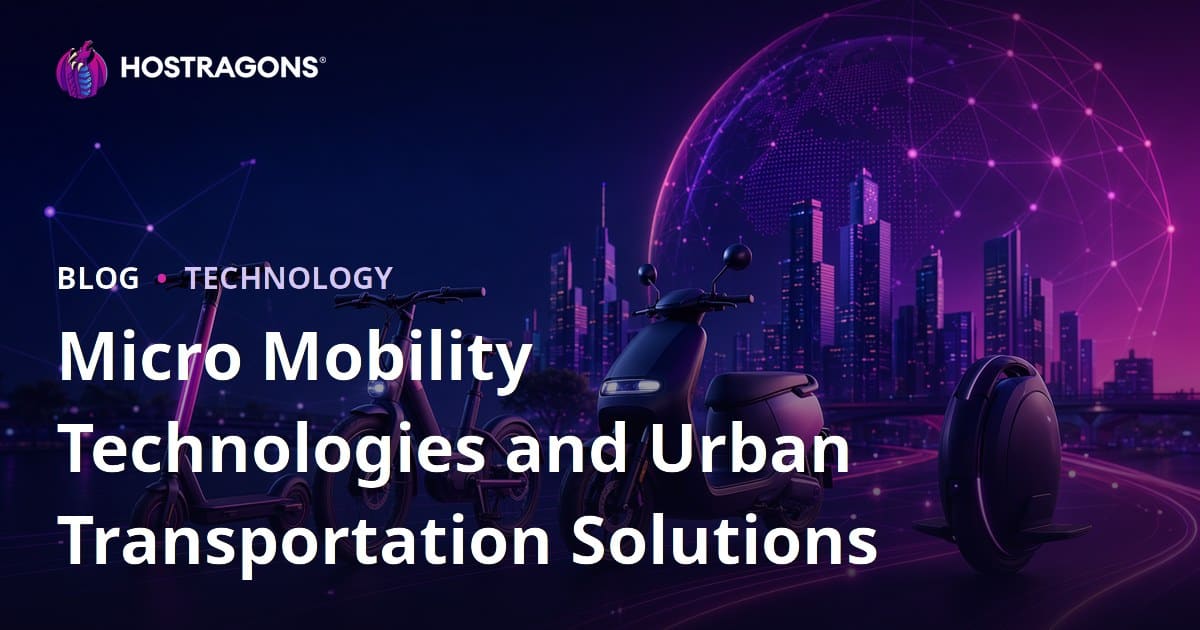
Micro-mobility technologies are providing innovative solutions to transportation problems in today's cities. In this blog post, we delve into the concept of micro-mobility, detailing its role in urban transportation systems and the benefits it offers. We examine the characteristics of micro-mobility vehicles such as e-scooters, bicycles, and other lightweight means of transport, as well as their contribution to sustainability and implementation strategies. Furthermore, we evaluate the integration of micro-mobility solutions with public transportation systems and explore future trends. By emphasizing key considerations in the use of micro-mobility, we summarize its potential and next steps in this area. Ultimately, micro-mobility is an important tool with the potential to make transportation in cities more efficient, environmentally friendly, and accessible.
Introduction to Micro-Mobility Technologies
Micro-mobility refers to lightweight and small vehicles used for covering short distances, particularly in urban transportation. These vehicles typically include electric scooters, bicycles, e-bikes, and similar personal transportation devices. Micro-mobility solutions help reduce traffic congestion in cities, improve air quality, and allow individuals to move faster and more flexibly. These technologies play a crucial role, especially in accessing public transportation and last-mile connections.
The popularity of micro-mobility vehicles is rising in parallel with advancements in technology, heightened environmental awareness, and evolving transportation demands in cities. These vehicles, easily rented and used through smartphone applications, are particularly favored among younger generations. Furthermore, micro-mobility solutions contribute to cities' sustainability goals. In this context, urban planners and managers are developing various strategies to promote the safe use and integration of micro-mobility vehicles.
Types of Micro-Mobility
- Electric Scooter
- Electric Bicycle (E-Bike)
- Shared Bicycle
- Electric Skateboard
- Segway
The use of micro-mobility vehicles also brings certain challenges. Issues such as safety, parking difficulties, and regulations need to be addressed. Therefore, it is essential for cities to establish legal frameworks that regulate and oversee the usage of micro-mobility vehicles. Additionally, educating and raising awareness among users regarding safe riding techniques is crucial. This enables users to maximize the potential benefits of micro-mobility, while also minimizing potential risks.
| Vehicle Type | Average Speed | Range | Use Cases |
|---|---|---|---|
| Electric Scooter | 25 km/h | 20-40 km | Short city distances, commuting |
| Electric Bicycle | 25-45 km/h | 40-100 km | City and out-of-town travel, recreation, sports |
| Shared Bicycle | 15-20 km/h | Unlimited (depends on usage time) | Short city distances, sightseeing |
| Electric Skateboard | 20-30 km/h | 15-30 km | Entertainment, short distance commuting |
Micro-mobility technologies play an increasingly significant role in the transportation systems of modern cities. Proper management and integration of these technologies can enhance the livability, sustainability, and efficiency of cities. In the future, micro-mobility vehicles are expected to further develop and proliferate. Therefore, it is vital for cities to be prepared for this change and to develop appropriate policies.
Role of Micro-Mobility in Urban Transportation
Urban transportation is one of the greatest challenges faced by modern cities. Increased population, traffic congestion, air pollution, and parking issues negatively impact the quality of life in urban areas. At this point, micro-mobility solutions step in, playing a significant role in shaping the future of urban transportation. Micro-mobility generally refers to lightweight and small vehicles used over short distances. Electric scooters, bicycles, e-bikes, and skateboards fall into this category. These vehicles offer practical and environmentally friendly alternatives to transportation problems, particularly in city centers and areas close to public transport stops.
Micro-mobility vehicles provide flexibility and speed in urban transportation while also presenting an eco-friendly option. When integrated with public transport, they facilitate last-mile connectivity, making the entire transportation network more efficient. For example, a person can reach the public transportation stop from their home via an electric scooter, use public transport to get to the city center, and then ride their bicycle to their workplace. This integrated transport model reduces traffic congestion, shortens travel times for individuals, and helps foster more sustainable transportation habits.
Comparison of Micro-Mobility Vehicles| Vehicle Type | Average Speed | Range | Use Cases |
|---|---|---|---|
| Electric Scooter | 25 km/h | 20-40 km | Short city distances, commuting |
| Bicycle | 15-20 km/h | Unlimited (dependent on user’s power) | City and suburb, recreation and sports |
| Electric Bicycle | 25-45 km/h | 40-100 km | City and suburb, long distances |
| Skateboard | 10-15 km/h | 5-10 km | Short distances, entertainment |
The increasing prevalence of micro-mobility solutions is leading to changes in urban transportation infrastructure. Regulations such as more bike lanes, scooter parking areas, and charging stations promote the use of these vehicles and enhance safety. Additionally, micro-mobility sharing systems allow individuals to easily access these options, eliminating ownership costs and enabling more people to benefit from these environmentally-friendly transportation alternatives.
Applications
The applications of micro-mobility vehicles are vast. They can be used for various purposes from business trips to sightseeing excursions, shopping to social activities. They are an ideal alternative for those looking to avoid crowded public transport during peak hours. Moreover, they provide a great option for exploring tourist cities and discovering new places.
The advantages offered by micro-mobility solutions are numerous. Here are some of them:
- Environmentally Friendly: Reduces carbon emissions, improving air quality.
- Reduces Traffic Congestion: Fewer vehicles on the road lead to smoother traffic.
- Solves Parking Issues: Smaller size makes finding parking easier.
- Supports Healthy Living: Encourages physical activity, contributing to healthier individuals.
- Cost-Effective: Eliminates expenses like fuel and parking fees.
- Flexible and Fast Transportation: Often faster and more flexible than public transport for short distances.
Impacts
The impacts of micro-mobility vehicles on urban transportation are felt on both individual and societal levels. Improvements in livability, reductions in air pollution, and decreases in transportation costs are all positive outcomes made possible through the adoption of micro-mobility solutions.
Micro-mobility solutions will continue to play a critical role in the future of urban transportation. However, to fully realize this potential, cities must ensure that their infrastructure is compatible with these vehicles, implement legal regulations, and educate users. When all these steps are taken, micro-mobility has the potential to make our cities more livable, sustainable, and efficient.
Features of Micro-Mobility Vehicles
Micro-mobility vehicles are lightweight transportation modes designed for short distances in urban areas, typically powered by electricity or human effort. These vehicles provide a more environmentally friendly alternative compared to cars and significantly ease access to public transit. They are gaining popularity as solutions to alleviate traffic problems and parking difficulties, especially in congested cities.
| Feature | Electric Scooter | Electric Bicycle | Shared Bicycle |
|---|---|---|---|
| Speed (km/h) | 25-30 | 25-45 | 15-20 |
| Range (km) | 20-40 | 40-80 | Limited (Depot-Based) |
| Carrying Capacity | 1 person | 1-2 people | 1 person |
| Charging Time | 3-5 hours | 4-6 hours | - |
The diversity of micro-mobility vehicles addresses users' different needs and preferences. Electric scooters are particularly popular among the youth, while electric bicycles are preferred for longer distances. Shared bicycle systems are widely used to facilitate access in city centers and support public transport integration.
Different Types of Vehicles
- Electric Scooter
- Electric Bicycle (E-bike)
- Shared Bicycle
- Electric Skateboard
- Segway
- Moped
The design of these vehicles prioritizes lightweight, portability, and ease of use. Most micro-mobility vehicles come with foldable features, allowing for more efficient travel when integrated with public transportation. Additionally, their ease of rental and use through smartphone applications enhances their accessibility.
Safety is also an important consideration in the use of micro-mobility vehicles. Many cities have introduced legal regulations concerning their use, mandating rules such as wearing helmets and adhering to specific speed limits. Manufacturers are continuously improving safety measures and emphasizing user education to enhance safety.
Benefits of Micro-Mobility Solutions
Micro-mobility solutions play a significant role in enhancing the quality of life by offering innovative and sustainable answers to transportation challenges faced by modern cities. These solutions address individuals' needs for short-distance transport while providing an environmentally friendly alternative. They offer clear advantages in reducing traffic density in urban centers, alleviating parking issues, and improving air quality.
The flexibility of micro-mobility vehicles allows users to have access to transport whenever and wherever they need it. This ease provides significant convenience for those living in areas with inadequate public transportation options. Moreover, these vehicles typically present a more economical transport alternative, helping individuals reduce their transportation expenses.
Main Advantages
- Reduces traffic congestion.
- Alleviates parking problems.
- Improves air quality.
- Lowers transportation costs.
- Provides flexible and personalized transportation options.
- Supports healthy living (increases physical activity).
Micro-mobility solutions provide crucial advantages not only for individual users but also for cities. Urban planners can integrate these solutions into urban transportation strategies to create more livable and sustainable cities. For instance, establishing dedicated lanes for micro-mobility vehicles, allocating parking spaces, and developing integrated public transport systems can encourage the use of these vehicles and enhance transportation efficiency citywide.
Furthermore, micro-mobility solutions can create new opportunities in the tourism sector. Visitors can utilize these vehicles to explore cities, easily reach tourist attractions, and experience local culture more intimately. This could increase tourism revenue and promote cities.
The table below compares the advantages and disadvantages of different micro-mobility vehicles:
| Vehicle Type | Advantages | Disadvantages |
|---|---|---|
| Electric Scooter | Fast, economical, easy to park | Limited range, safety risks |
| Electric Bicycle | Longer distance, physical activity, environmentally friendly | More expensive, parking requirements |
| Shared Bicycle | Accessible, economical, healthy | Maintenance needs, hygiene issues |
| Electric Skateboard | Portable, fun, compact | Safety risks, legal regulations |
Micro-Mobility and Sustainability
Micro-mobility solutions play a crucial role in achieving sustainability goals by transforming urban transportation habits. They offer significant potential in reducing traditional vehicle usage, lowering carbon emissions, and easing traffic congestion. In this context, electric scooters, bicycles, and other small electric vehicles provide an ideal alternative for short-distance trips while helping to minimize environmental impact.
The contributions of micro-mobility vehicles to sustainability extend beyond reduced emissions. Factors such as the recyclability of materials used in the production process, the use of energy-efficient batteries, and shared usage models also reduce environmental footprints. Furthermore, the proliferation of these vehicles allows for more livable cities and encourages individuals to adopt a more active lifestyle.
- Environmental Impacts
- Reduction in carbon emissions
- Decrease in air pollution
- Reduction in noise pollution
- Easing traffic congestion
- Reduced parking needs
- Increased energy efficiency
However, to fully leverage the sustainability benefits of micro-mobility solutions, several challenges must be addressed. Ethical sourcing of metals used in battery production, establishing effective systems for battery recycling, and safely implementing these vehicles are crucial. Additionally, addressing infrastructural gaps and raising user awareness also play critical roles in achieving sustainability goals.
| Criterion | Micro Mobility | Traditional Vehicles |
|---|---|---|
| Carbon Emission | Low | High |
| Traffic Density | Reductive Effect | Increasing Effect |
| Parking Space Requirement | Low | High |
| Energy Consumption | More Efficient | Less Efficient |
Micro-mobility serves as a vital tool for establishing a sustainable transportation system in urban areas. However, to realize this potential fully, collaboration among policymakers, urban planners, and users is essential. Well-managed micro-mobility solutions aligned with sustainability principles can contribute to cleaner, more livable, and more sustainable cities.
Implementation Strategies for Micro-Mobility

Successfully implementing micro-mobility solutions requires careful planning and a strategic approach. These strategies should encompass various factors including the integration with existing transportation infrastructure, meeting users' needs, and reaching sustainability goals. An effective implementation strategy should be designed to benefit both users and city management.
Comparison of Micro-Mobility Implementation Strategies| Strategy | Advantages | Disadvantages |
|---|---|---|
| Private Sector Partnerships | Rapid implementation, innovative solutions | Lack of city control, potential competition issues |
| Public Administration Initiatives | City-wide standards, long-term planning | Slow implementation, bureaucratic barriers |
| Hybrid Models (Public-Private Partnerships) | Fast and standardized solutions, resource sharing | Complex management, potential conflicts of interest |
| Incentives and Subsidies | Accelerates user adoption, economic support | Budget burden, long-term sustainability concerns |
Understanding user expectations and needs is critically important for a successful micro-mobility implementation. This information can be obtained through surveys, focus groups, and pilot projects. User feedback provides valuable insights for the continuous improvement and enhancement of services. Moreover, ensuring safety measures and raising user awareness are essential for the success of the implementation.
Step-by-Step Implementation
- In-Depth Market Research: Understand the target audience's needs and expectations.
- Pilot Projects: Evaluate the feasibility of implementation through small-scale tests.
- Infrastructure Readiness: Establish charging stations, parking areas, and secure riding paths.
- Legal Regulations: Create legal frameworks governing the use of micro-mobility vehicles.
- User Education: Inform users about safe riding techniques and traffic rules.
- Continuous Monitoring and Evaluation: Regularly assess performance and implement improvements.
Sustainability should also be an integral part of micro-mobility applications. The use of electric vehicles should be encouraged, vehicles made from recyclable materials should be preferred, and energy-efficient charging solutions developed. This will help reduce the carbon footprint of cities and create a more livable environment.
Successful Projects
Many cities around the world have successfully implemented micro-mobility solutions. For example, in Amsterdam, bicycle-sharing systems are widely used, helping to reduce traffic congestion. Similarly, in some cities, electric scooter-sharing programs are integrated into public transport systems, addressing last-mile transportation challenges. These projects demonstrate how beneficial micro-mobility solutions can be to cities with proper planning and management.
Micro-mobility solutions provide innovative and sustainable responses to urban transportation challenges. However, careful planning, a user-centered approach, and continuous improvement are necessary for these solutions to be effectively implemented.
The long-term success of micro-mobility solutions depends on collaboration between cities and the private sector. Public-private partnerships are essential for sharing resources, developing innovative solutions, and accelerating implementation. These collaborations will contribute to making cities more sustainable and livable.
Integration of Micro-Mobility with Public Transport
The integration of micro-mobility solutions into urban transportation networks has the potential to enhance the efficiency of public transport systems and improve user experience. This integration offers significant advantages, especially in accessing transportation stops and completing journeys from those stops to final destinations. For example, a user can easily reach the nearest bus stop from their home on an electric scooter and then ride to their workplace from the bus stop again using a scooter. This helps to overcome the challenges associated with public transport during the first and final miles.
| Integration Area | Description | Benefits |
|---|---|---|
| Access to Stops | Easy access to public transport stops with micro-mobility vehicles. | Wider user reach, increased public transport usage. |
| Route Optimization | Planning micro-mobility and public transport routes together. | Faster and more efficient travel, reduced traffic congestion. |
| Common Ticketing | A single ticket or subscription system for micro-mobility and public transport. | User convenience, encouragement of integrated transport systems. |
| Data Integration | Sharing and analyzing micro-mobility and public transport data. | Improved transport planning, more efficient resource utilization. |
For successful integration, it is crucial for cities to develop their infrastructure and regulations to support the usage of micro-mobility vehicles. Steps such as expanding bike lanes, creating scooter parking areas, and establishing safe riding zones help facilitate smooth integration. Additionally, local governments collaborating with micro-mobility companies to develop joint projects can enhance the effectiveness of integration.
- Benefits of Integration
- Increases public transport usage.
- Reduces travel times.
- Alleviates traffic congestion.
- Improves air quality.
- Diversifies transportation options for users.
- Lowers transportation costs.
The successful application of integration between micro-mobility and public transport has the potential to change user transportation habits and adopt a more sustainable urban lifestyle. This integration can help make cities more livable and eco-friendly. However, it is critical to focus on safety, accessibility, and regulation during this process to ensure the integration’s success.
Future of Micro-Mobility and Trends
The micro-mobility sector is undergoing continuous evolution due to technological advancements, environmental concerns, and the changing demands of urban living. In the future, more innovative and sustainable solutions are expected to emerge in this field. Developments in autonomous driving technologies, smart city integrations, and battery technologies will make the use of micro-mobility vehicles safer, more efficient, and more accessible. Moreover, the increase in shared micro-mobility services is anticipated to further reduce traffic congestion and improve air quality in cities.
Significant changes in the design of micro-mobility vehicles are also expected. The use of lighter, durable, and user-friendly materials will enhance the portability and lifespan of vehicles. Easily transportable vehicles such as foldable electric scooters and bicycles will offer significant advantages in integrated uses with public transportation. Additionally, improvements to safety features, increased helmet requirements, and widespread driving training will ensure the safer use of micro-mobility vehicles.
The table below summarizes key trends and anticipated developments in the micro-mobility sector:
| Trend | Description | Expected Impact |
|---|---|---|
| Autonomous Driving | Self-driving micro-mobility vehicles | Safer and more efficient transportation |
| Smart City Integration | Vehicles compatible with city infrastructure | Optimized traffic flow |
| Battery Technologies | Batteries with longer ranges and rapid charging capabilities | Enhanced usability and accessibility |
| Shared Services | Increased availability of rental and subscription models | Reduced transportation costs |
Projected Trends
- Advancements in Battery Technologies: Batteries offering longer ranges and fast charging capabilities will boost the usage of micro-mobility vehicles.
- Autonomous Driving Technologies: Self-driving scooters and bicycles will improve the safety and efficiency of transportation.
- Smart City Integrations: Micro-mobility vehicles that operate in concert with city infrastructure will optimize traffic flow.
- Expansion of Shared Micro-Mobility Services: The deployment of shared scooters and bicycles in more cities will enhance accessibility.
- Sustainable Material Usage: Vehicles made from recycled and eco-friendly materials will reduce environmental impacts.
- Enhanced Safety Features: Features such as ABS braking systems, advanced lighting, and helmet integration will increase user safety.
The future of the micro-mobility sector depends not only on technological innovation but also on regulatory changes and user behavior. For cities to support the widespread use of micro-mobility vehicles, it is critical to develop suitable infrastructure, create parking areas, and provide secure riding paths. Furthermore, users also need to comply with traffic regulations, wear helmets, and develop safe riding habits to ensure that micro-mobility remains a sustainable transportation solution. Micro-mobility solutions will continue to play an important role in urban transportation and are expected to contribute to making cities more livable and sustainable in the future.
Key Considerations for Micro-Mobility Use
When using micro-mobility vehicles, it is important to take precautions for your safety and the safety of others. While these vehicles offer practical solutions, especially in the busy urban lifestyle, they can pose risks if not used correctly. Therefore, it is important to comply with legal regulations and adopt practical measures.
The table below summarizes key safety measures and legal requirements that should be considered when using different micro-mobility vehicles. This information serves as a guide for a safe and responsible riding experience.
| Vehicle Type | Safety Measures | Legal Requirements |
|---|---|---|
| Electric Scooter | Wear a helmet, use knee and elbow pads, wear reflective clothing at night. | Comply with specific speed limits, avoid driving on sidewalks, be above a certain age limit. |
| Electric Bicycle | Wear a helmet, wear brightly colored clothing for visibility, signal when turning. | Use bicycle lanes, follow traffic rules, use lighting when riding at night. |
| Shared Bicycle | Check the condition of the bicycle, test the brakes, pay attention to adjustable seat height. | Park in designated areas, follow usage rules, return the bicycle undamaged. |
| Electric Skateboard | Wear a helmet, knee pads, elbow pads, wrist guards, maintain balance, avoid sudden movements. | Avoid riding on sidewalks, comply with specified speed limits, use in traffic-free areas. |
When using micro-mobility vehicles, it is vital to prioritize not only your own safety but also the safety of those around you. Slowing down in crowded areas, avoiding abrupt maneuvers, and communicating with other riders are critical steps to prevent potential accidents.
Recommendations and Tips
- Check the technical condition of the vehicle before use.
- Never neglect wearing a helmet and other protective gear.
- Adhere to traffic rules and local regulations.
- Be cautious in heavily pedestrian areas and reduce your speed.
- Take measures to enhance visibility during nighttime rides (reflective clothing, lighting).
- Avoid using the vehicle under the influence of alcohol or drugs.
- Stay away from cell phones or other distractions while riding.
For micro-mobility vehicles to be a sustainable transportation solution, users must behave responsibly and consciously. Proper usage of these vehicles can help reduce traffic problems in cities and contribute to environmental sustainability. Remember, safe riding is everyone's responsibility.
Conclusion and Next Steps
Micro-mobility solutions present an innovative approach with the potential to transform the transportation dynamics of cities. These technologies, particularly for short-distance travel, offer significant advantages in enhancing individual mobility while reducing traffic congestion and environmental impacts. However, to fully realize this potential, appropriate infrastructure must be established, legal regulations put in place, and users educated.
| Area | Current Status | Future Expectations |
|---|---|---|
| Infrastructure | Limited bike lanes and parking areas | Widespread bike networks and secure parking locations |
| Legal Regulations | Unclear rules and standards | Clear and applicable legislation |
| User Awareness | Low awareness and security concerns | Training programs and incentives |
| Technological Development | Continuously improving vehicles and applications | Autonomous driving and smart city integration |
Steps You Can Take
- Prioritize micro-mobility infrastructure in urban planning.
- Increase the number of bike lanes and parking areas.
- Organize campaigns to promote the use of micro-mobility vehicles.
- Establish safety standards and conduct regular inspections.
- Facilitate the integration of micro-mobility with public transportation systems.
- Create educational programs to raise user awareness.
In the future, it is anticipated that micro-mobility vehicles will further evolve, incorporating autonomous driving features while working in an integrated manner with smart city systems. This integration will enhance transport efficiency and improve the quality of urban life.
Micro-mobility is not merely a means of transport but a vital part of the vision for creating sustainable and livable cities.
However, to bring this vision to life, all stakeholders must collaborate and act with a common purpose.
Micro-mobility is set to play a pivotal role in the future of urban transport. With the right strategies and investments, our cities can become cleaner, more livable, and more accessible. Therefore, it is crucial for local governments, the private sector, and civil society organizations to work together to maximize the potential of micro-mobility.
Frequently Asked Questions
What exactly is micro-mobility and what vehicles fall under this category?