 Afrikaans
 Azərbaycan
 Bosanski
 Čeština
 Dansk
Dansk Deutsch
 English
 Español
 Filipino
 Français
 Hrvatski
 Indonesia
 Italiano
 Magyar
 Melayu
 Nederlands
 Norsk
Norsk Oʻzbek
 Polski
 Português
 Română
 Slovenčina
 Slovenščina
 Suomi
Suomi Svenska
 Tiếng Việt
 Türkçe
 Ελληνικά
 Беларуская
 Български
 Русский
 Српски
 Українська
 עברית
עברית اردو
اردو العربية
 پښتو
پښتو فارسی
فارسی አማርኛ
አማርኛ मराठी
मराठी বাংলা
বাংলা தமிழ்
தமிழ் ไทย
ไทย မြန်မာ
 한국어
한국어 中文
中文 日本語
日本語

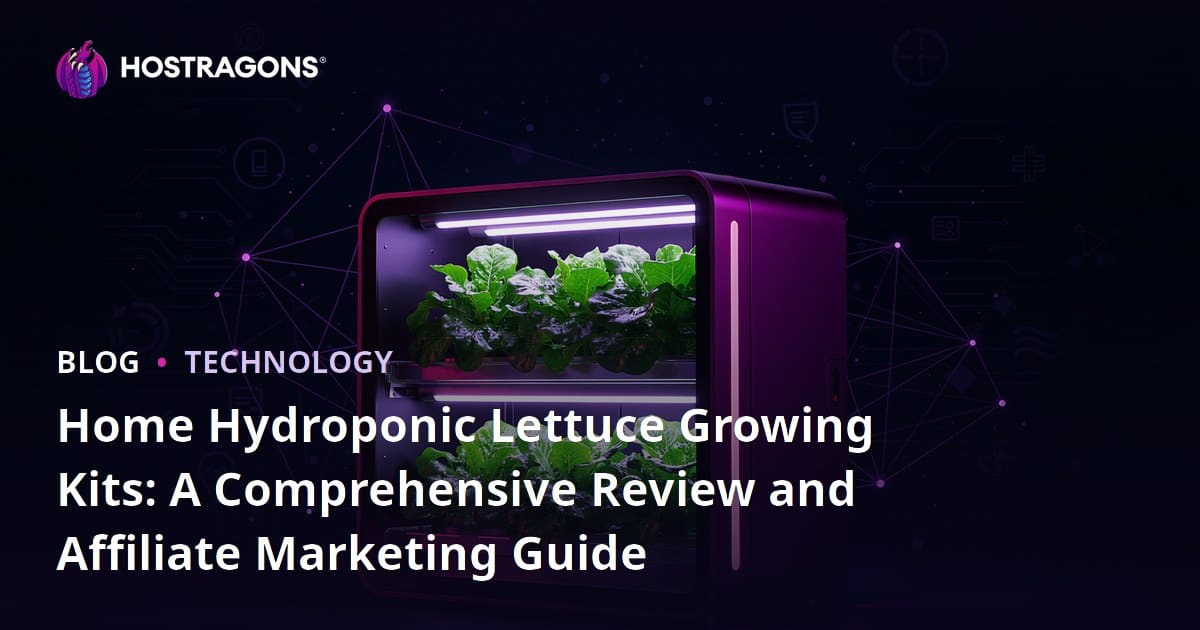
Home Hydroponic Lettuce Growing Kits are compact systems that allow you to grow lettuce indoors using water, nutrient solutions, light, and root support, without the need for soil. When the right kit is chosen, a lettuce cycle can typically be completed in 25 to 45 days, significantly reducing water consumption compared to traditional pot growing. Lettuce can be produced year-round on a balcony, kitchen countertop, or in a small room. This guide is prepared for both users looking to purchase and website owners who want to create review and affiliate marketing content in this niche.
Hydroponic lettuce kits have evolved in recent years from mere hobby products into a growing category that combines sustainable living, urban farming, fresh food security, and smart home technologies. Particularly, those who want to grow greens without pesticides at home, families wanting to teach children about plant growth, and users wishing to regularly consume fresh lettuce in small kitchens are showing great interest in these products. This interest also creates a strong niche opportunity for review blogs and affiliate marketing sites.
However, not all kits offer the same performance. Some models are only suitable for beginners, while others provide more efficient results with features such as LED lighting, timers, water level indicators, quiet pumps, and multiple growing slots. Therefore, when selecting a product, it is essential to consider not only the price tag but also the system type, capacity, light quality, ease of maintenance, consumable costs, and user support together.
What Are Home Hydroponic Lettuce Growing Kits?
Home hydroponic lettuce growing kits are mini farming systems where lettuce roots come into contact with nutrient-rich water, often supported by clay balls, sponges, rock wool, or specialized seed pods. Since no soil is used, they provide a cleaner setup for indoor environments. In these systems, the three main elements required by the plant are balanced: oxygen, light, and nutrients.
A simple kit includes a water reservoir, seed slots, growing baskets, and nutrient solution. More advanced kits may include full-spectrum LED lights, automatic light cycles, air stones, mini pumps, digital control panels, and mobile app support. Lettuce, being a leafy green, is one of the most suitable types for hydroponic systems initially due to its lower nutrient density and shorter growing time compared to fruiting plants like tomatoes or peppers.
For example, a countertop kit with 8 slots can grow 6-8 lettuce seedlings simultaneously. Harvest can occur within 3-5 weeks after the seedling stage. Users can perform several intermediate harvests by cutting the outer leaves while leaving the inner core intact. This practicality offers an economical and enjoyable experience, especially for small households that regularly consume salads.
Who Is It Suitable For?
These kits are not equally necessary for every user. Understanding the right target audience makes both purchasing decisions and affiliate content strategies more accurate.
- Apartment dwellers: Users without gardens can produce in their kitchen, on balconies, or by windowsills.
- Beginners: They can gain a controlled system experience without dealing with soil, pests, and watering mistakes.
- Health-conscious individuals: They know what kind of water, nutrients, and environment their lettuce is grown in.
- Families and educators: They can concretely demonstrate plant growth, photosynthesis, and sustainable production to children.
- Niche bloggers: They can generate affiliate income through product reviews, comparisons, setup guides, and maintenance content.
On the other hand, the kits are not completely maintenance-free. Water levels should be checked several times a week, pH and nutrient balance monitored, LED lamp height adjusted according to growth, and the reservoir cleaned at regular intervals. These tasks are not burdensome; however, they are part of the user experience that requires regular follow-up.
Criteria to Consider Before Purchasing
1. System Type
The most common systems in home kits are deep water culture, wick systems, and small NFT-like flow systems. In deep water culture models, roots grow in oxygenated nutrient solutions. This method is highly efficient for lettuce and is easily understood by beginner users. Wick systems are simpler but may have limited growth rates. Flow systems offer more advanced control but require pump and pipe maintenance.
2. Slot Count and Capacity
A mini kit with 4 slots is sufficient for individual or trial use. Models with 8-12 slots are more logical for couples and small families looking for regular consumption. Systems with 20 slots or more approach a semi-professional hobby level. The critical point here is: more slots mean greater light needs, larger reservoirs, and more maintenance.
3. LED Lighting Quality
For lettuce, light duration is typically planned within a range of 12-16 hours a day. Full-spectrum LED lighting is essential for stable growth in indoor environments. Cheap models that only provide decorative light may cause the plant to elongate but result in weak leaf structure. Good kits have adjustable lamp heights and automatic timers. This feature reduces user errors.
4. Water Reservoir and Pump Noise
In kits to be used indoors, pump noise is important. Silent systems operating at around 30-40 dB are preferred, especially in proximity to kitchens, offices, or bedrooms. Reservoir capacity is also important; water levels in small reservoirs drop quickly and require more frequent checks during summer. A reservoir of 3-6 liters is considered practical for an 8-12 slot kit.
5. Consumables and Spare Parts
Seed sponges, baskets, nutrient solutions, pH test kits, and sometimes special pods should be readily available for repurchase. Even if the kit appears inexpensive, if it relies solely on expensive pods from a single brand, long-term costs will increase. Calculating the total ownership cost while preparing affiliate content is a strong E-E-A-T signal in terms of user trust.
Comparison Table for Home Hydroponic Lettuce Kits
| Kit Type | Suitable Users | Advantages | Points to Consider | Estimated Cycle |
|---|---|---|---|---|
| 4-6 Slot Starter Kit | First-time users, single individuals | Low cost, occupies little space | Light power and reservoir may be small | 30-45 days |
| 8-12 Slot LED Kit | Small families, regular salad consumers | Good balance, higher yield | Pump noise and consumable costs should be checked | 25-40 days |
| Smart App-Enabled Kit | Tech enthusiasts | Timer, reminders, sensor advantages | Higher price, app support is crucial | 25-40 days |
| 20+ Slot Large System | Advanced hobby users | Greater harvest potential | Space, cleaning, and nutrient tracking increase | 30-45 days |
The table serves as a practical starting point for users looking to make quick selections. However, before making a definite decision, real user reviews, warranty conditions, spare part availability, and energy consumption should also be examined.
Step-by-Step Setup: How to Start Your First Lettuce Cycle?
To ensure a successful first experience, the setup should not be rushed. The following steps are a general roadmap applicable to most home hydroponic kits.
- Clean the reservoir: Rinse the water reservoir with a gentle clean that leaves no chemical residue before the initial setup.
- Add water: If possible, use rested or filtered water. Highly chlorinated water can slow seedling development.
- Prepare the nutrient solution: Follow the manufacturer's ratios. Excess nutrients do not guarantee faster growth; they can cause root burn.
- Place seedlings or seeds: Ensure that the sponges or pods are not too tightly packed. Roots need to access oxygen.
- Adjust the light: Do not keep the LED lamp too far from the seedlings. Generally, a distance of 15-25 cm is suitable for the beginning.
- Monitor the cycle: Expect germination in the first week, rooting in the second week, and rapid leaf growth from the third week onward.
- Harvest: You can cut the outer leaves to allow the plant to regrow.
A small tip based on experience: If lettuce seedlings are stretching too much towards the light in the early days, the LED may be weak or too far away. If the leaf tips are browning, the nutrient density, temperature, or pH should be checked. The ideal water temperature for most leafy greens in a home environment is around 18-22°C.
Maintenance, Cost, and Yield Calculation
Whether home hydroponic systems are cost-effective depends on the user's consumption habits. The initial purchase cost of a kit should be evaluated alongside nutrient solutions, seeds, seed sponges, and electricity consumption. For example, in a 10-slot kit, it is possible to harvest the equivalent of 6-10 lettuces per month; however, this result varies according to light duration, lettuce variety, room temperature, and user discipline.
LED lighting is typically the most noticeable energy item in the system. If a 20-40 watt LED runs for 14 hours a day, the monthly consumption could be around 8.4-16.8 kWh. This cost should be calculated based on the local electricity unit price. Pump consumption is generally lower but should still be considered in models that run 24 hours.
A feasible maintenance routine could be as follows:
- Daily: Observe leaf appearance, light height, and pump operation.
- 2-3 times a week: Check the water level and top up if necessary.
- Once a week: Measure pH and nutrient density; simple test kits may suffice.
- At the end of each cycle: Clean the reservoir, baskets, and hoses.
This maintenance habit not only increases yield but also reduces issues such as algae, bad odors, root rot, and poor growth. Since algae can form more frequently in transparent reservoirs, dark, light-blocking containers provide practical advantages.
Strategy for Those Looking to Create Review and Affiliate Sites
Home hydroponic lettuce growing kits can be a good niche for affiliate marketing, as users tend to conduct detailed research before making a purchase. As the product price increases, trustworthy reviews, real photos, setup experiences, and comparison tables tend to enhance conversion rates. At this point, merely sharing a product link is not enough; you need to offer genuine assistance to users during their decision-making process.
If you plan to set up a niche site, the first step is to choose a clear domain name. For example, a short and memorable domain that evokes concepts like hydroponics, urban farming, home lettuce, or smart gardening can be preferred. When selecting your domain, consider brand registration, ease of spelling, and long-term category expansion. At this stage, Domain Lookup and Domain Registration is a natural starting point.
The second step is a fast and reliable hosting infrastructure. As product comparison tables, visuals, user reviews, and guide contents increase over time, the site's loading speed directly affects conversion. A slow-loading affiliate page can lose users before they click on the product link. For starters, a manageable WordPress hosting package may be used, while a more powerful plan can be preferred during the growth phase. For this topic, WordPress hosting packages and Web Hosting Solutions can be evaluated.
The third step is establishing trust signals. An SSL certificate should be considered mandatory for a site containing affiliate marketing. A site without a secure connection indicator in the browser raises doubts, especially if the user is registering for an email newsletter or leaving a comment. Therefore, the use of SSL Certificate is crucial for technical SEO and user trust.
Content Plan: Which Posts Yield Conversions?
Instead of publishing a single review article in this niche, creating topic clusters is more effective. Google can better understand sites that comprehensively answer the user journey. Additionally, affiliate revenue often arises from a combination of content targeting different search intents.
- Comparison content: Best home hydroponic lettuce kits, comparison of 8 slot and 12 slot kits.
- Problem-solving content: Why do hydroponic lettuce leaves yellow, how to prevent root rot.
- Setup guides: First hydroponic lettuce attempt, pH adjustment, preparing nutrient solutions.
- Cost content: Monthly cost of growing hydroponic lettuce at home.
- Buying guides: Which kit to choose for beginners.
Before making product suggestions in each content, clarify user needs. For example, recommending a 24-slot system to a user with a small kitchen would not be appropriate. Stating honest limitations may reduce some sales in the short term; however, it increases trust and repeat visit rates in the long run.
SEO Considerations
In 2026 SEO, merely using keywords is not sufficient. The content must be supported by real experience, measurable information, user intent, and technical quality. When writing about home hydroponic lettuce growing kits, creating testing scenarios is more valuable than copying product features from the manufacturer's text.
For example, a review template could include the following criteria: box contents, setup time, first germination day, leaf development on the 14th day, harvest condition on the 30th day, pump noise, LED temperature, water topping frequency, cleaning ease, and consumable costs. If you present these criteria in the same format for each product, users can easily make comparisons.
On the technical side, visual optimization, fast themes, clean URL structure, mobile compatibility, and the use of structured data are important. For product reviews, Product, Review, and FAQ schemas can be considered where appropriate. To maintain site performance, images should be presented in WebP format, caching should be used, and unnecessary plugins should be minimized. For those seeking technical setup support, WordPress speed optimization and Website Security Guide contents may be useful.
Rules for Establishing Trust in Affiliate Marketing
Transparency is essential in affiliate marketing content. It is crucial to clearly inform users that some links may contain commissions. This disclosure is important not just for legal compliance but also for brand trust. Additionally, rather than promoting every product as the best, both strengths and weaknesses should be mentioned together.
A good review page could include the following sections:
- Who the product is suitable for
- Who it is not suitable for
- Advantages in real use
- Potential challenges in setup
- Consumable and maintenance costs
- Brief comparison with alternative products
- Final decision and purchase link
Instead of exaggerating affiliate links, integrate them into decision moments. For instance, providing links after the comparison table, in the detailed review section, and in the conclusion may be sufficient. Avoid pop-ups that disrupt the user experience and misleading discount statements.
Common Mistakes
The most common mistake beginners make is thinking that the system does not require maintenance after purchase. Hydroponic systems eliminate soil but make water and nutrient management more critical. The second common mistake is using excessive nutrients. When plants receive more minerals than they need, leaf tips can burn, and root balance can be disrupted.
The third mistake is neglecting the lighting plan. Lettuce grows thin, tall, and weak in insufficient light. The fourth mistake is failing to clean the reservoir. Flushing the system after each harvest cycle is critical for the health of subsequent production. The fifth mistake is assuming that every lettuce variety will perform the same.
For content producers, the biggest mistake is overlooking the real user intent. Users often do not just search for product names; they seek answers to practical questions such as space issues, maintenance fears, electricity costs, and harvest times. Pages that answer these questions have higher engagement and better conversion potential.
Conclusion: The Right Kit, the Right Content, and Reliable Infrastructure
Home hydroponic lettuce growing kits are an accessible and educational technology for those looking to produce fresh greens at home. The best choice is made by evaluating slot count, LED quality, reservoir capacity, ease of maintenance, and consumable costs together. On the affiliate side, success comes from honest reviews, real experiences, fast websites, and trust-building technical infrastructure.
If you plan to establish your own hydroponic review site, first clarify your niche, then build a solid foundation with a reliable domain, fast hosting, and SSL. You can make a small but correct start by reviewing the suitable infrastructure on Hostragons: Hosting Packages, Domain Registration, SSL Certificates.
Frequently Asked Questions
Are home hydroponic lettuce growing kits suitable for beginners?
Yes, especially 4-12 slot LED-supported kits are suitable for beginners. Lettuce is a short-cycle, resilient leafy green, making it a good choice for entering hydroponic systems. However, water levels, light duration, and nutrient ratios should be regularly monitored.
How many days does it take to harvest hydroponic lettuce?
In most home systems, lettuce can be harvested within 25-45 days. The time varies depending on lettuce type, LED power, ambient temperature, nutrient balance, and whether starting from seedlings or seeds. Multiple harvests can be taken from the same plant with outer leaf harvesting.
Do home hydroponic kits consume a lot of electricity?
Generally, no. A kit using a 20-40 watt LED, when operated for about 12-16 hours a day, can consume an average of 8-19 kWh monthly. The exact cost should be calculated based on device power and local electricity unit prices.
Is growing soil-less lettuce healthy?
Hydroponic lettuce can be grown healthily when using the right nutrient solution, clean water, and a hygienic system. In fact, the user can monitor growing conditions more closely. However, neglecting reservoir cleaning can lead to algae, odors, or root problems.
Is it sensible to establish an affiliate site in this niche?
Yes, because users seek detailed reviews, comparisons, and real experiences before making a purchase. To succeed, a fast website, reliable content, transparent affiliate marketing disclosures, and regular SEO efforts are required.