 Afrikaans
 Azərbaycan
 Bosanski
 Čeština
 Dansk
Dansk Deutsch
 English
 Español
 Filipino
 Français
 Hrvatski
 Indonesia
 Italiano
 Magyar
 Melayu
 Nederlands
 Norsk
Norsk Oʻzbek
 Polski
 Português
 Română
 Slovenčina
 Slovenščina
 Suomi
Suomi Svenska
 Tiếng Việt
 Türkçe
 Ελληνικά
 Беларуская
 Български
 Русский
 Српски
 Українська
 עברית
עברית اردو
اردو العربية
 پښتو
پښتو فارسی
فارسی አማርኛ
አማርኛ मराठी
मराठी বাংলা
বাংলা தமிழ்
தமிழ் ไทย
ไทย မြန်မာ
 한국어
한국어 中文
中文 日本語
日本語

In 2026, achieving success online will hinge on effective SEO strategies along with unique, high-quality content. In this article, we will explore Organic Traffic Generation, Organic Traffic Programs, and effective SEO Optimization methods. We'll discuss the pros and cons of these methods, digital marketing approaches, and showcase practical applications.
What is Organic Traffic Generation?
Organic Traffic Generation helps attract visitors organically and without advertisements. In 2026, Google's advanced AI-powered algorithms will evaluate website content quality, relevance, and user experience with greater precision. In an era where search engine algorithms and next-gen AI tools reward content originality and relevance, factors like keyword usage, up-to-date metadata, mobile-friendliness, and quick loading times become paramount.
The internal and external linking structure (internal link example), technical SEO, responsive design, and analysis of user behavior will be key elements of organic traffic generation in 2026. To enhance engagement with visitors, the inclusion of video and audio content should increase, and regularly updated, data-driven content should be provided.
One of the latest elements in SEO is "User Intent" analysis and semantic search, which will trend in 2026. Content development must continually adapt to ever-evolving algorithms. This year, establishing SEO Optimization strategies based on AI-powered analytics and trends from Google Search Console is essential.
Overview of Organic Traffic Programs
Organic Traffic Programs are next-generation services that enhance a website's organic traffic through analysis, implementation, and performance evaluation. In 2026, AI-based performance tracking tools (e.g., Search Console Insights, Rank Math AI, SEMrush 2026) will assess the current state of a site and develop customized strategies. Platforms like Hostragons offer automatic content optimization, semantic keyword analysis, and social media integration.
Strategic planning is supported by content and backlink efforts aligned with continuously changing algorithms and supplemented by online reports and feedback. Prioritizing reliable and enduring organic traffic transitions through user behavior, UX, and UI analysis ensures that brand reputation rises over time, keeping genuine users active on the site.
Maintaining stable organic traffic in 2026 requires patience and sustainability. Results may come quicker with strategies that swiftly align with algorithms, but achieving long-term success still necessitates dedicated effort.
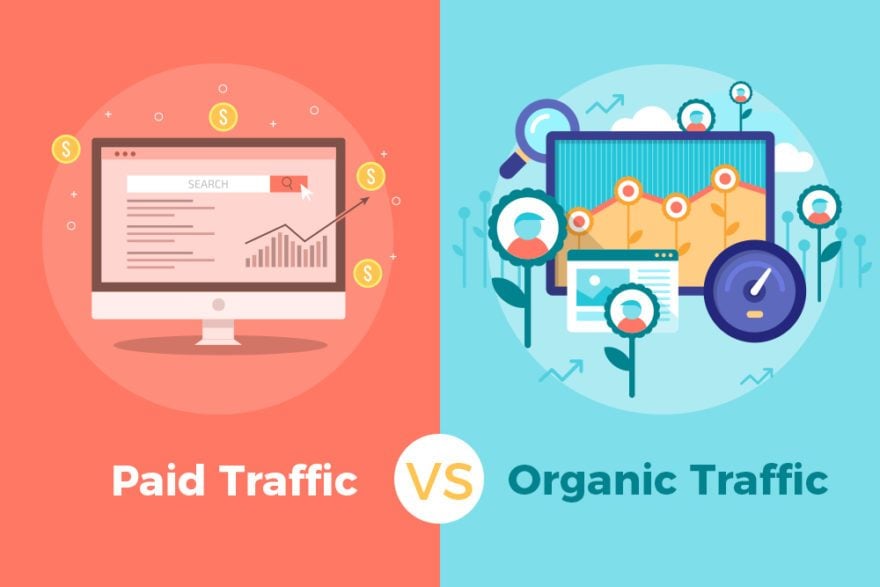
Pros and Cons
Advantages
- Natural Traffic Growth: With 2026 algorithms, websites that offer real value to users through organic traffic generation will stand out. Traffic without advertising is further supported by social signals.
- Trustworthiness and Authority: Semantic backlinks and quality content strategies help establish authority with search engines and users alike.
- Long-Term Investment: Sustainable optimization with patience yields permanent traffic; sites that rapidly adapt to new algorithms tend to grow more.
- Cost Efficiency: AI-enabled automation removes the need for manual advertising, providing financial leverage for small businesses and startups.
Disadvantages
- Time-Consuming Process: Achieving permanent organic traffic requires time, given high competition and the need to adapt to new algorithms.
- Intense Competition: By 2026, the rise of AI-generated content has intensified competition in the sector. Keeping competitor analyses current and producing unique content is crucial.
- Continuous Update Requirement: Content and technical SEO must be consistently optimized as algorithms and trends evolve rapidly.
- Return Time: Organic growth often delivers results slower than paid advertising, which may pose a risk for companies with short-term goals.
Alternative Methods and Solutions
In 2026, various digital marketing methods can support organic traffic generation, including social media content optimization, video and podcast marketing, AI-powered influencer collaborations, and email automation.
Utilizing platforms like Instagram, TikTok, and LinkedIn with fresh, trend-based visual and video content can significantly enhance brand reach. AI-driven social media campaigns integrated into the website build brand loyalty. These options can be implemented alongside Organic Traffic Programs.
Collaborating with influencers provides targeted and trustworthy traffic through micro and nano influencers in 2026. Meanwhile, email marketing, through newsletter automation and AI-focused segmentation, simplifies loyal user identification.
All of these strategies must be tailored to the business's needs, the industry, and the target audience for successful outcomes. Strategies should be regularly optimized based on AI trends and analytics.
Hostragons Organic Traffic
Examples and Practical Strategies
Successful examples of organic traffic generation in 2026 include:
- Content Strategy: Create weekly/monthly blogs, guides, video, and podcast content. Key topics like "2026 Trends in Digital Marketing" will attract visitor interest and improve SERP rankings.
- Backlink and Semantic Linking Campaigns: Strengthen authority through guest blogging, link sharing from industry forums, and semantic/contextual backlinks.
- Technical SEO and Mobile Optimization: Enhance user experience by focusing on Google Core Web Vitals, mobile compatibility, SSL certification, quick loading, and AI-based on-site navigation.
- Social Media and AI Integration: Create timely, trend-focused AI-enhanced posts from social media accounts, using stories and video series to generate social signals and traffic.
For instance, an e-commerce site achieved a 45% increase in permanent organic traffic within six months using content that aligned with the 2026 AI trends and automated social media campaigns.
Resources and Links
For current digital marketing insights and algorithm trends, visit Rank Math guide and check our latest digital marketing articles.
Frequently Asked Questions
1. What is organic traffic and why is it important?
Organic traffic refers to visitors who arrive at your site through unpaid, natural means, supported by new algorithms and AI-based assessments. It enhances your site's credibility through sustainable SEO and quality content.
2. How are Organic Traffic Programs implemented?
Strategies suitable for 2026 are developed through AI analysis of site evaluation, targeting audience identification, keyword and content planning, semantic backlinks, and technical SEO. Consistent reports and real-time updates foster a continuous increase in traffic.
3. What are the alternative digital marketing methods aside from SEO optimization?
Available methods include AI-supported social media marketing, micro-influencer collaborations, email automation, video and podcast content, PPC advertising, and trend-based digital marketing strategies.
4. Can I purchase paid organic traffic?
Yes, you can purchase a reliable, up-to-date service for 100% organic traffic from our Organic Traffic page tailored for 2026.
Conclusion
In the digital landscape of 2026, effective Organic Traffic Generation and Organic Traffic Programs combined with robust SEO Optimization strategies will enhance your site's authority and ensure long-term sustainable growth. Fortify your business’s organic traffic and brand prestige with AI trends and data-driven content. Achieving success requires patience, consistency, and the right strategies that keep pace with emerging trends. This guide provides pertinent information and examples aligned with the new era's requirements. Organic traffic generation becomes achievable across sectors through disciplined and data-focused practices.
By optimizing your strategies based on the trends of 2026, you can stand out in a competitive digital environment.