 Afrikaans
 Azərbaycan
 Bosanski
 Čeština
 Dansk
Dansk Deutsch
 English
 Español
 Filipino
 Français
 Hrvatski
 Indonesia
 Italiano
 Magyar
 Melayu
 Nederlands
 Norsk
Norsk Oʻzbek
 Polski
 Português
 Română
 Slovenčina
 Slovenščina
 Suomi
Suomi Svenska
 Tiếng Việt
 Türkçe
 Ελληνικά
 Беларуская
 Български
 Русский
 Српски
 Українська
 עברית
עברית اردو
اردو العربية
 پښتو
پښتو فارسی
فارسی አማርኛ
አማርኛ मराठी
मराठी বাংলা
বাংলা தமிழ்
தமிழ் ไทย
ไทย မြန်မာ
 한국어
한국어 中文
中文 日本語
日本語

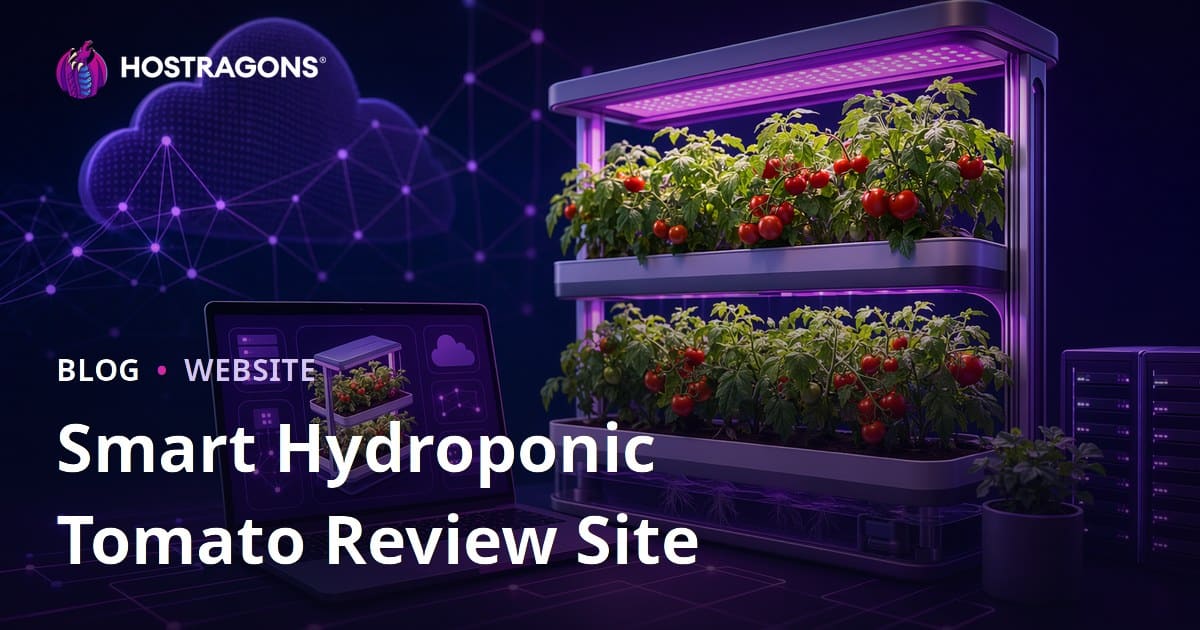
Smart Hydroponic Tomato Cultivation at Home is a focused content project that involves testing and comparing smart pots, hydroponic kits, LED grow lights, nutrient solutions, sensors, and automation systems. When such a site provides clear answers regarding which system to purchase, how to set it up, how many days it takes to yield results, and how to calculate initial costs, it can become a strong niche website from both an SEO and revenue model perspective.
This guide is specifically prepared for the Hostragons blog in terms of technical infrastructure, SEO strategy, content architecture, and reliable review methodology. We will not only focus on growing tomatoes but also on establishing a trustworthy, fast-loading, well-structured review site that can attract traffic in the long term. If your goal is to create an authoritative site centered on a specific topic, you need to plan every step carefully, from domain selection to hosting performance, from product comparison tables to E-E-A-T signals.
Why is This Niche Valuable?
Home food production, smart home technologies, and sustainable living trends have converged in recent years around the same theme: small-scale, controlled environment, data-supported production. Hydroponic systems allow for growing plants without soil. Smart sensors provide users with a more predictable growing experience by monitoring water levels, pH, EC, temperature, humidity, and light duration. Tomatoes are among the most sought-after products by home users due to their taste, yield, and care requirements, making real test results valuable.
The strong point of this area for a review site is the abundance of product variety. Smart hydroponic kits, mini greenhouse systems, full-spectrum LED lights, timers, water pumps, pH meters, seed types, and plant nutrients can all be reviewed individually. Additionally, users often search for questions before making a purchase: Does this system work on a balcony? How many tomato roots can be grown? What is the electricity consumption? How often should water be changed? Which LED gives better results? Each of these questions is a potential content title that can generate organic traffic.
How Should the Review Site Be Positioned?
The success of the site depends on clearly defining the topic boundaries. Rather than being a general gardening site, staying focused on Smart Hydroponic Tomato Cultivation at Home makes it easier for Google to associate the site with a specific area of expertise. This approach is crucial for establishing topical authority according to 2026 SEO standards.
Your positioning statement could be: An independent review site that tests smart hydroponic tomato systems for home users, calculates setup costs, and compares real growing results. This sentence simultaneously specifies the target audience, product type, benefit, and trust factor.
Segment Your Target Audience
- Beginners: Users looking to set up a hydroponic system for the first time, seeking simple kits and step-by-step guides.
- Smart Home Enthusiasts: Users wanting Wi-Fi sensors, mobile apps, automated watering, and data tracking.
- Small Space Growers: Individuals wanting to grow tomatoes in a balcony, kitchen, window sill, or 1-2 square meters of space.
- Yield-Focused Users: Those comparing how many grams of product can be obtained per root, light, and nutrient settings.
- Users in the Buying Phase: Those conducting commercial searches for the best hydroponic tomato kit, LED light, or pH meter.
Domain, Hosting, and Technical Infrastructure Plan
In a narrow niche review site, trust begins at the first point of contact. The domain name should be short, memorable, and relevant to the topic. Names like smart-hydroponics.com, homegrown-tomatoes.com, or hydroponic-tomato-guide.com not only have brand potential but also evoke the content's subject. It is advisable to avoid using Turkish characters in the domain name, keep the number of hyphens low, and allow room for future brand expansion. For domain research, the Domain Lookup link can be evaluated.
On the hosting side, speed, security, and uninterrupted access play critical roles. In product review sites, users typically look at comparison tables, visuals, and measurement results. Therefore, slow-loading pages can decrease conversion rates. Optimized WordPress hosting may be sufficient for starting out; however, if heavy visuals, test videos, and increased traffic are anticipated, a scalable hosting package should be preferred. At this stage, options like WordPress Hosting and for higher resource needs, VPS Server can be naturally considered.
Additionally, an SSL certificate should be considered mandatory. Users expect a secure connection when sharing data through product recommendations, email subscriptions, or contact forms. HTTPS is a fundamental standard to avoid browser warnings and build user trust. During the setup process, the SSL Certificate solution can be utilized.
Technical Startup Checklist
- Choose a mobile-first, lightweight, and fast theme.
- Use images in WebP format and compressed.
- Enable caching, CDN, and database optimization from the outset.
- Display review tables in a horizontally scrollable or card layout on mobile.
- Use structured data, author information, and update dates on product pages.
- Implement a security plugin, automatic backup, and strong admin password.
- Complete the sitemap, robots.txt, and Search Console connection within the first week.
Content Architecture: Establishing Authority on a Single Topic
In the 2026 SEO approach, simply publishing a large number of articles is not enough. The content must be logically connected, complete the user journey, and clearly meet the search intent. Therefore, it is healthier to structure the site around several main content clusters.
1. Basic Guides
This category addresses the fundamental questions of beginners. Topics such as what hydroponic tomatoes are, which systems are suitable for home, what the ideal pH range for tomatoes is, and how many hours LED lights should be on are discussed. A starter guide should indicate that the pH range is 5.8-6.3, the EC value is approximately 2.0-3.5 mS/cm depending on the growth stage, and the light duration is typically 14-16 hours in most indoor setups. These figures should be presented as starting ranges rather than absolute recipes.
2. Product Reviews
The most valuable content type for a review site is product articles based on real tests. When reviewing a smart hydroponic kit, the contents of the box, setup time, application quality, pump noise, water reservoir capacity, root area, LED power, availability of spare parts, and compatibility with tomatoes should all be scored separately. For instance, a system with a 12-liter water reservoir can accommodate 3-4 dwarf tomato roots, while a 3-liter desktop kit may be more suitable for basil or lettuce. Clearly stating this difference builds trust.
3. Comparison and Buying Guides
Users with buying intent often prefer direct comparisons rather than reading individual product reviews. Best smart hydroponic tomato kits, LED light comparisons for balconies, pH meter recommendations, or a starter budget calculation guide fall into this category. Each comparison article must clearly explain which product is more suitable for which type of user.
4. Experiment Diaries and Case Studies
Experiment diaries are very valuable for E-E-A-T signals. For example, you could prepare a 60-day diary for growing dwarf tomatoes, sharing weekly photos, pH measurements, EC values, water temperatures, leaf development, and flowering dates. Such content is both unique and difficult to replicate artificially. In terms of Google's helpful content approach, real experiences are stronger than traditional product promotion texts.
Sample Comparison Table
The table below is an example of a summary comparison format that could be used on the review site. In the actual site, this data must be supported by tests, manufacturer documents, or measurements.
| System Type | Initial Cost | Tomato Compatibility | Maintenance Difficulty | Most Suitable User |
|---|---|---|---|---|
| Desktop smart kit | Low-Medium | Limited to dwarf varieties | Low | Beginners |
| Balcony DWC system | Medium | High | Medium | Home users seeking yield |
| LED-supported mini greenhouse | Medium-High | High | Medium | Those wanting a controlled environment |
| Fully automated sensor system | High | High | Low-Medium | Smart home enthusiasts |
How to Establish Review Methodology?
The long-term success of a review site depends on a reliable testing method. Instead of ranking products solely based on technical specifications, measurements must be performed under the same conditions. For example, you can evaluate each LED lamp through lux or PPFD measurements at a distance of 30 cm, record the sound level of each pump in the same room using a decibel application, and measure water temperature at three different times throughout the day. Even if these measurements are not at a professional laboratory level, clearly stating the methodology builds trust.
Practical Scoring Model
- Ease of setup: Score out of 10 based on setup time and guide quality.
- Tomato compatibility: Based on root area, light power, plant height, and support needs.
- Smart features: App notifications, automatic pump, water level alerts, and data tracking.
- Maintenance costs: Expenses for nutrient solutions, filters, pumps, and spare parts.
- Yield potential: Based on flowering, fruit setting, and harvest amount.
- Price-performance: Total value offered compared to similar products.
At the beginning of each review, stating who the product is suitable for and who it is not improves user experience. For example, for someone looking for a quiet system in a small kitchen, pump noise may be a decisive factor. For someone with space on their balcony, the size of the water reservoir and plant support equipment may be more important.
SEO Strategy: Implementable Plan for 2026
When doing SEO in a niche area like Smart Hydroponic Tomato Cultivation at Home, it is more logical to focus on long-tail, high-intent queries rather than competing with broad keywords. For instance, instead of searching for hydroponic tomatoes, queries like how long it takes to grow hydroponic cherry tomatoes at home or is a smart hydroponic kit sufficient for tomatoes are more targeted.
Keyword Clusters
- Informational queries: what are hydroponic tomatoes, what should the pH be for tomatoes at home, does LED light burn tomatoes.
- Comparative queries: DWC or NFT, smart pot or hydroponic kit, full spectrum LED or white LED.
- Commercial queries: best hydroponic tomato kit, smart growing system recommendation, pH meter advice.
- Problem-solving queries: hydroponic tomato leaf yellowing, flowers present but no fruit, how to tell if roots are rotting.
- Local and living space queries: hydroponic tomatoes in an apartment, smart tomato system on a balcony, mini greenhouse in the kitchen.
Each piece of content should target a single primary intent and avoid unnecessary topic expansion. If an article discusses selecting LED lights, it should only address pH issues as relevant and provide internal links for detailed guides.
Title and Snippet Optimization
The first paragraph should be short and answer-focused. Google AI Overviews and featured snippet areas process clear definitions and bullet-point answers more easily. Therefore, each guide should directly answer the user’s question at the beginning. Then, transition to detailed sections, tables, examples, and step-by-step applications.
The heading structure should have H1 as only the page title, H2 for main sections, and H3 for subtopics. On review pages, product names, test durations, pros, cons, technical specifications, real usage notes, and conclusion sections should be orderly presented.
Revenue Model and Transparency
The revenue model for this niche site can generally be established through affiliate sales, advertising, sponsored tests, e-books, consulting, or through your own product listings. However, transparency is essential to maintain trust. If commissions can be earned from product links, this should be clearly stated. For sponsored products, indicate that testing criteria will not change and that negative aspects will also be discussed.
An example: We tested this product under balcony conditions for 45 days, with an average of 15 hours of LED-supported usage per day. Water changes were done weekly, and pH was maintained between 5.9 and 6.2. This explanation shows why users should trust the results. Sharing measurements and observations instead of merely stating it is the best product enhances the site's credibility.
Site Speed, Security, and User Experience
User experience on review sites is directly linked to revenue. If a product comparison page takes longer than 5 seconds to load, the user may switch to a competitor's site. Therefore, optimizing images, removing unnecessary plugins, using fast DNS, and quality hosting are essential. On the technical side, Web Hosting infrastructure can be supported by Server Management solutions as the site grows.
In terms of security, the admin panel should be protected, regular backups taken, and plugins kept up to date. If there are contact forms, newsletter subscriptions, or user reviews on the product review site, protection against spam and malicious attempts is necessary. SSL, a firewall, strong password policies, and automatic backups are basic security layers. If you are using WordPress, you can also provide internal links to guides on WordPress Security.
Publishing Calendar: Initial 90-Day Plan
The first 90 days of a new niche site is a critical period for establishing content foundations and technical credibility. The following plan provides an actionable start:
First 30 Days
- Complete the domain, hosting, SSL, and WordPress setup.
- Create the main category structure: Guides, Reviews, Comparisons, Experiment Diaries.
- Publish 5 basic guides: what hydroponic tomatoes are, starter equipment, pH and EC guide, LED light guide, initial setup steps.
- Add pages for About Us, Contact, Editorial Policy, and Affiliate Disclosure.
Days 31-60
- Publish at least 3 product reviews.
- Start a real growing diary and update it weekly.
- Create the first comparison table.
- Review impression queries in Search Console data.
Days 61-90
- Publish 4 buying intent content pieces.
- Strengthen internal linking and add tables to old content.
- Optimize descriptive file names and alt texts for visual SEO.
- Prepare an email newsletter or a simple free checklist.
Example Content Titles
The following titles can contribute to user intent and topic authority:
- 12 Essential Tools for Hydroponic Tomatoes at Home
- Are Smart Hydroponic Kits Really Sufficient for Tomatoes?
- Choosing LED Lights for Dwarf Cherry Tomatoes
- How to Adjust pH and EC Values in Hydroponic Tomatoes?
- DWC vs NFT System Comparison: Which Makes More Sense for Home Tomatoes?
- 60-Day Smart Hydroponic Tomato Experiment Diary
- Hydroponic Tomato Leaf Yellowing: 7 Possible Causes
- Starting Budget: How Much Does It Cost to Set Up a Smart Tomato System at Home?
Common Mistakes and Ways to Avoid Them
The most common mistake in this niche is rewriting manufacturer descriptions without testing the products. Users seek real experiences. The second mistake is neglecting the physical needs of tomatoes. Tomatoes require more light, root area, and support than most desktop plants. The third mistake is keeping the content too general. Staying focused on smart hydroponic tomatoes rather than broad topics like home vegetable growing is stronger.
Also, errors can be seen on the technical SEO side: using heavy themes, making product tables unreadable on mobile, not establishing internal links, providing outdated price information, and still promoting old products. In review sites, freshness is part of trust. Content should be updated when product stock status, new model releases, or price ranges change.
Measuring Success
Success on a review site should not be measured solely by visitor count. More accurate metrics include organic impression growth, rankings in commercial queries, click-through rates on comparison pages, email subscriptions, product link clicks, and conversions per piece of content. For example, a target of 5,000 relevant monthly visitors may be more valuable than 50,000 irrelevant visits on a general blog.
Realistic goals for the first 6 months might include: 40-60 quality content pieces, 10 product reviews, 3 comparison guides, 1 long experiment diary, 100-300 email subscribers, and a regularly increasing impression graph in Search Console. These goals vary based on competition, content quality, and technical performance; however, focused progress makes growth more measurable.
Conclusion
Establishing a review site solely focused on Smart Hydroponic Tomato Cultivation at Home offers an opportunity to build authority in a narrow but growing interest area. Success requires maintaining clear topic boundaries, conducting real tests, quickly and securely setting up technical infrastructure, and clustering content according to user intent. Selecting foundational components like domain, hosting, and SSL correctly from the outset also supports long-term SEO performance.
Before launching your project, prepare a simple content plan, a reliable testing method, and a fast web infrastructure. When needed, you can explore the domain, hosting, and SSL solutions available on Hostragons to make a solid start for your site; the key is to consistently produce trustworthy content that genuinely helps users.
Frequently Asked Questions
Can a review site for smart hydroponic tomato cultivation at home be profitable?
Yes, it can be profitable if positioned correctly. Revenue can come from affiliate sales, advertising, sponsored tests, consulting, or digital products. However, reliable content based on real tests and targeted organic traffic are necessary for profitability.
Is WordPress sufficient for this niche site?
WordPress is generally sufficient for most starter projects. With a fast theme, well-structured hosting, caching, security plugins, and regular backups, it is easy to set up a product review and comparison site.
What should the initial content focus on?
The initial content should focus on basic guides and pre-purchase questions. Topics such as what hydroponic tomatoes are, what equipment is needed, how to adjust pH and EC, how to select LED lights, and what the starting costs are should be prioritized.
How is trust established in product reviews?
Trust is established by clearly stating testing duration, measurement methods, environment used, pros, cons, and who the product is suitable for. If there are sponsored or affiliate links, they should be transparently disclosed.
Why is fast hosting important for this site?
Review sites typically contain visuals, tables, and product comparisons. Slow-loading pages can lead to user loss and low conversion rates. Fast hosting, optimized visuals, and the use of SSL support both user experience and SEO performance.