 Afrikaans
 Azərbaycan
 Bosanski
 Čeština
 Dansk
Dansk Deutsch
 English
 Español
 Filipino
 Français
 Hrvatski
 Indonesia
 Italiano
 Magyar
 Melayu
 Nederlands
 Norsk
Norsk Oʻzbek
 Polski
 Português
 Română
 Slovenčina
 Slovenščina
 Suomi
Suomi Svenska
 Tiếng Việt
 Türkçe
 Ελληνικά
 Беларуская
 Български
 Русский
 Српски
 Українська
 עברית
עברית اردو
اردو العربية
 پښتو
پښتو فارسی
فارسی አማርኛ
አማርኛ मराठी
मराठी বাংলা
বাংলা தமிழ்
தமிழ் ไทย
ไทย မြန်မာ
 한국어
한국어 中文
中文 日本語
日本語

This blog post addresses the critical topic of establishing and managing a SOC (Security Operations Center) against today’s cyber security threats. Beginning with the question “What is a SOC (Security Operations Center)?”, it examines the rising importance of SOCs, requirements for setup, best practices for a successful SOC, and the technologies used. Additionally, it covers subjects such as the relationship between data security and SOC, challenges encountered in management, performance evaluation criteria, and the future of SOCs. In conclusion, tips for a successful SOC (Security Operations Center) are provided to help organizations strengthen their cyber security.
What is SOC (Security Operations Center)?
SOC (Security Operations Center) is a centralized unit that continuously monitors, analyzes, and protects an organization’s information systems and networks against cyber threats. This center consists of specially trained security analysts, engineers, and managers responsible for detecting, analyzing, responding to, and preventing potential security events. SOCs work around the clock, 24/7 without interruption, to strengthen an organization’s cyber security posture and minimize potential harm.
A SOC is not simply a technological solution; it is an integrated combination of processes, people, and technology. These centers use various security tools and technologies to proactively identify and respond to security threats. Among these are SIEM (Security Information and Event Management) systems, firewalls, intrusion detection systems (IDS), intrusion prevention systems (IPS), antivirus software, and endpoint detection and response (EDR) solutions.
Core Components of a SOC
- People: Security analysts, engineers, and managers.
- Processes: Incident management, vulnerability management, threat intelligence.
- Technology: SIEM, firewalls, IDS/IPS, antivirus, EDR.
- Data: Logs, event records, threat intelligence data.
- Infrastructure: Secure network, servers, storage.
The primary goal of a SOC is to reduce an organization's cyber security risks and ensure business continuity. This is achieved through continuous monitoring, threat analysis, and incident response. When a security event is detected, the SOC team analyzes the incident, identifies affected systems, and takes necessary steps to prevent the spread of the event. Additionally, they implement corrective actions to determine the root cause and prevent similar incidents in the future.
| SOC Function | Description | Key Activities |
|---|---|---|
| Monitoring and Detection | Continuous monitoring of networks and systems, and detecting abnormal activities. | Log analysis, correlation of security events, threat hunting. |
| Incident Response | Rapid and effective response to detected security events. | Incident classification, isolation, mitigation, recovery. |
| Threat Intelligence | Collecting and analyzing up-to-date threat information and updating security measures accordingly. | Identifying threat actors, analyzing malware, tracking vulnerabilities. |
| Vulnerability Management | Identifying vulnerabilities in systems, risk assessment, and remediation activities. | Security scanning, patch management, vulnerability analysis. |
A SOC (Security Operations Center) is an indispensable part of modern cyber security strategy. By making organizations more resilient against cyber threats, it minimizes the impact of data breaches and other security incidents. An effective SOC adopts a proactive security posture, ensuring business continuity and safeguarding an organization’s reputation.
Why Is the Importance of SOC Increasing?
Nowadays, the complexity and frequency of cyber threats are steadily rising. Businesses are compelled to adopt more advanced security measures to protect their data and systems. At this point, the SOC (Security Operations Center) comes into play. SOC enables organizations to centrally manage the processes of detecting, analyzing, and responding to cybersecurity incidents. In this way, security teams can respond to threats more quickly and effectively.
- Benefits of SOC
- Advanced threat detection and analysis
- Rapid incident response
- Proactive identification of security vulnerabilities
- Meeting compliance requirements
- Optimization of security costs
Considering the costs of cyber attacks, the importance of SOC becomes even more prominent. When you take into account the financial impact of a data breach on businesses, the loss of reputation, and legal proceedings, adopting a proactive security approach becomes inevitable. SOC, with its continuous monitoring and analysis capabilities, can detect potential threats at an early stage and prevent major damages.
| Factor | Description | Impact |
|---|---|---|
| Increasing Cyber Threats | Ransomware, phishing attacks, DDoS attacks, etc. | Raises the need for SOC. |
| Compliance Requirements | Legal regulations such as KVKK, GDPR. | Makes SOC mandatory. |
| Data Breach Costs | Financial losses, reputation loss, legal penalties. | Accelerates the return on SOC investment. |
| Digitalization | Business processes moving into digital environments. | Expands the attack surface, increases the need for SOC. |
Additionally, compliance requirements are another factor that increases the importance of SOC. Especially institutions operating in sectors such as finance, healthcare, and public services are required to comply with specific security standards and undergo regular audits. SOC provides the monitoring, reporting, and incident management capabilities needed to meet such compliance requirements. Thanks to this, organizations can comply with legal regulations and avoid punitive sanctions.
With the acceleration of digital transformation, businesses need to be more prepared for cybersecurity risks. The widespread adoption of cloud computing, IoT devices, and mobile technologies broadens the attack surface and increases security vulnerabilities. SOC offers continuous security in these complex environments, helping enterprises manage their digital transformation processes safely.
Requirements for SOC Implementation
Establishing a SOC (Security Operations Center) can significantly strengthen the cybersecurity posture of organizations. However, successful SOC implementation requires careful planning and the fulfillment of certain requirements. These requirements cover a wide spectrum, ranging from technical infrastructure and skilled personnel to processes and technology. An improper start can lead to security gaps and operational inefficiencies. Therefore, acting meticulously during the implementation stage is crucial for long-term success.
The first step in SOC implementation is to clearly identify the organization’s needs and objectives. What types of threats do you aim to protect against? Which data and systems are prioritized for protection? The answers to these questions directly impact the scope, requirements, and resources of the SOC. Well-defined objectives aid in selecting the right technologies, training personnel, and optimizing processes. Furthermore, setting objectives provides a foundation for measuring and enhancing the performance of the SOC.
- SOC Implementation Steps
- Needs Analysis and Objective Setting
- Budget and Resource Planning
- Technology Selection and Integration
- Personnel Selection and Training
- Process and Procedure Development
- Testing and Optimization
- Continuous Monitoring and Improvement
The technological infrastructure is the cornerstone of a SOC. A robust SIEM (Security Information and Event Management) system, firewalls, intrusion detection systems, antivirus software, and other security tools are necessary to detect, analyze, and respond to threats. Proper configuration and integration of these technologies are vital to maximize data collection, correlation, and analysis capabilities. Additionally, scalable infrastructure is critical to accommodate future growth and adapt to a changing threat landscape.
| Requirement Area | Description | Degree of Importance |
|---|---|---|
| Technology | SIEM, Firewall, IDS/IPS, Antivirus | High |
| Personnel | Security Analysts, Incident Response Specialists | High |
| Processes | Incident Management, Threat Intelligence, Vulnerability Management | High |
| Infrastructure | Secure Network, Backup Systems | Medium |
Skilled and well-trained personnel are vital for the success of the SOC. Security analysts, incident response specialists, and other security professionals must possess the necessary skills to detect, analyze, and respond to threats. Continuous training and certification programs ensure that personnel are knowledgeable about current threats and technologies. In addition, SOC staff should have strong communication and collaboration skills, which are essential for effective incident management and response processes.
Best Practices for a Successful SOC
Establishing and managing a successful SOC (Security Operations Center) is one of the cornerstones of your cybersecurity strategy. An effective SOC comprises proactive threat detection, rapid response, and continuous improvement processes. In this section, we will discuss the best practices for a successful SOC and important elements you should consider.
| Criteria | Description | Importance Level |
|---|---|---|
| Proactive Threat Detection | Continuously monitoring network traffic and system logs to identify potential threats at an early stage. | High |
| Rapid Response Time | Intervening quickly and effectively when a threat is detected, minimizing potential damage. | High |
| Continuous Improvement | Regularly reviewing SOC processes to stay updated against new threats and to enhance performance. | Medium |
| Team Competence | Ensuring the SOC team possesses the necessary skills and knowledge, supported by ongoing training. | High |
There are numerous important considerations for effective SOC management. These include the standardization of processes, selection of the right technologies, and the ongoing training of team members. Additionally, regular auditing of your business processes and technological infrastructure helps identify and remediate security vulnerabilities.
- Tips for Successful SOC Management
- Regularly update and standardize your processes.
- Select and integrate the appropriate security technologies.
- Ensure your SOC team receives continuous training.
- Utilize threat intelligence actively.
- Regularly test your incident response plans.
- Encourage information sharing with your business partners.
A successful SOC is not solely about technological solutions; it also incorporates the human factor. A talented and motivated team can overcome the shortcomings of even the most advanced technologies. Therefore, it is essential to pay special attention to team building and communication management.
Communication Management
Effective communication within and outside the SOC is critical for responding to incidents rapidly and in a coordinated manner. Establishing clear and transparent communication channels accelerates information flow and prevents erroneous decisions. Furthermore, maintaining regular communication with other departments and senior management ensures that security strategies are implemented harmoniously.
Team Building
The SOC team should consist of experts with diverse skill sets. Bringing together different roles, such as threat analysts, incident response specialists, security engineers, and digital forensics experts, provides a comprehensive security posture. The effective collaboration and mutual support among team members enhance SOC effectiveness.
Continuous learning and adaptation are essential for a successful SOC. Since cyber threats are constantly evolving, the SOC team must keep up with these changes and be prepared for new threats. Therefore, investing in ongoing education, research, and development activities is vital for the long-term success of the SOC.
Technologies Used for SOC (Security)
The effectiveness of SOC (Security) operations largely depends on the quality and integration of the technologies in use. Today, a SOC requires advanced tools to analyze security data from various sources, detect threats, and respond to incidents. These technologies enable cybersecurity professionals to act proactively in a complex threat landscape.
| Technology | Description | Benefits |
|---|---|---|
| SIEM (Security Information and Event Management) | Collects, analyzes, and correlates log data. | Centralized log management, event correlation, alert generation. |
| Endpoint Detection and Response (EDR) | Detects and responds to suspicious activities on endpoints. | Advanced threat detection, incident investigation, rapid response. |
| Threat Intelligence Platforms (TIP) | Provides information about threat actors, malware, and vulnerabilities. | Proactive threat hunting, informed decision-making, preventive security. |
| Network Traffic Analysis (NTA) | Monitors network traffic and detects anomalies. | Advanced threat detection, behavioral analytics, visibility. |
Some essential technologies that should be used for an effective SOC include:
- SIEM (Security Information and Event Management): Collects, analyzes, and correlates event logs and other security data on a central platform.
- EDR (Endpoint Detection and Response): Detects, analyzes, and responds to suspicious activities occurring on endpoints.
- Threat Intelligence: Delivers current and relevant information on security threats, supports threat hunting and proactive defense.
- Security Orchestration, Automation, and Response (SOAR): Automates and accelerates incident response processes.
- Network Monitoring Tools: Analyzes network traffic to detect anomalies and potential threats.
- Vulnerability Management Tools: Scans for vulnerabilities in systems, prioritizes them, and manages remediation processes.
In addition to these technologies, behavioral analytics tools and artificial intelligence (AI)-supported security solutions are increasingly being used in SOC operations. These tools assist in detecting abnormal behaviors and identifying complex threats by analyzing large data sets. For example, alerts can be generated when a user tries to access a server they do not normally access or downloads an unusual amount of data.
To use these technologies effectively, SOC teams need ongoing training and development. The threat landscape is constantly changing, so SOC analysts must be knowledgeable about the latest threats and defense techniques. Regular drills and simulations also help SOC teams to be prepared for incidents and improve response processes.
Data Security and SOC (Security Relationship
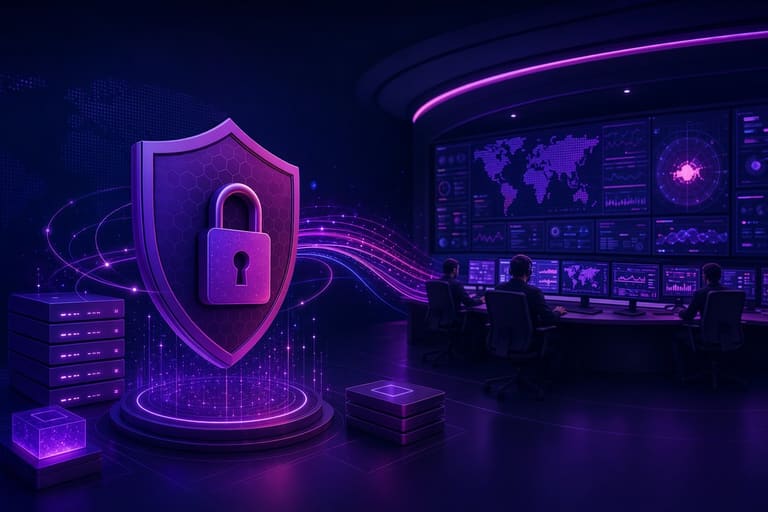
Data security is one of the most critical priorities for organizations in today’s digitalized world. The constant evolution and increasing complexity of cyber threats cause traditional security measures to become insufficient. This is precisely where the SOC (Security Operations Center) comes into play, taking on a vital role in ensuring data security. SOC (Security provides organizations with the ability to monitor their networks, systems, and data 24/7, enabling the detection, analysis, and response to potential threats.
| Data Security Component | SOC’s Role | Benefits |
|---|---|---|
| Threat Detection | Continuous monitoring and analysis | Early warning, rapid response |
| Incident Response | Proactive threat hunting | Minimizing damage |
| Data Loss Prevention | Anomaly detection | Protection of sensitive data |
| Compliance | Logging and reporting | Adherence to legal requirements |
The role of SOC in data security is not limited to just a reactive approach. SOC (Security teams proactively conduct threat hunting activities to detect attacks before they happen. In this way, they continuously improve the security posture of organizations, making them more resilient against cyber attacks.
The Role of SOC in Data Security
- Provides continuous security monitoring to detect potential threats.
- Responds quickly and effectively to security incidents.
- Supplies threat intelligence to build proactive defense mechanisms.
- Conducts advanced analyses to prevent data loss.
- Identifies security vulnerabilities and helps strengthen systems.
- Supports compliance processes with legal regulations.
SOC (Security utilizes various technologies and processes to ensure data security. SIEM (Security Information and Event Management) systems, firewalls, intrusion detection systems, and other security tools collect and analyze data from a central platform. This allows security analysts to detect potential threats faster and more accurately. In addition, SOC (Security teams develop incident response plans and procedures to enable a coordinated and effective response to cyber attacks.
There is a strong relationship between data security and SOC (Security. SOC (Security is an indispensable element for protecting an organization’s data, making them resilient to cyber attacks, and supporting compliance processes with legal regulations. Effective SOC (Security setup and management help organizations protect their reputation, increase customer trust, and gain a competitive advantage.
Challenges Encountered in SOC Management
Establishing a SOC (Security Operations Center) is an important part of a cybersecurity strategy, but its management requires constant attention and expertise. Effective SOC management involves keeping up with the ever-changing threat landscape, retaining skilled personnel, and maintaining an up-to-date technological infrastructure. The challenges encountered in this process can significantly affect an organization's security posture.
- Key Challenges and Solutions
- Recruiting and Retaining Skilled Personnel: The shortage of cybersecurity experts is a major problem for SOCs. As a solution, competitive salaries, career development opportunities, and ongoing training should be provided.
- Managing Threat Intelligence: Coping with the ever-increasing threat data is difficult. Automated threat intelligence platforms and machine learning solutions should be utilized.
- False Positive Alerts: Excessive false alarms reduce analysts’ efficiency. This situation should be minimized with advanced analytics tools and properly configured rules.
- Integration Challenges: Integration issues among different security tools and systems can hinder data flow. API-based integrations and standard protocols should be used.
- Budget Constraints: Insufficient budgets can negatively impact technological infrastructure updates and staff training. Risk-based budget planning and cost-effective solutions should be preferred.
To overcome these challenges, organizations should adopt a proactive approach, implement continuous improvement processes, and leverage the latest technologies. Additionally, options such as outsourcing and managed security service providers (MSSP) can be considered to fill expertise gaps and optimize costs.
| Challenge | Description | Possible Solutions |
|---|---|---|
| Staff Shortage | Finding and retaining qualified security analysts is difficult. | Competitive salaries, training opportunities, career planning. |
| Threat Complexity | Cyber threats are constantly evolving and becoming more complex. | Advanced analytics tools, artificial intelligence, machine learning. |
| High Volume of Data | SOCs must handle large amounts of security data. | Data analytics platforms, automated processes. |
| Budget Constraints | Limited resources restrict technology and personnel investments. | Risk-based budgeting, cost-effective solutions, outsourcing. |
Another major challenge encountered during SOC management is keeping up with constantly changing legal regulations and compliance requirements. Data privacy, protection of personal data, and industry-specific regulations directly affect SOC operations. Therefore, regular audits and necessary updates are of great importance to ensure the compliance of SOCs with legal requirements.
Measuring and continually improving the effectiveness of SOC is also an important challenge. Setting performance metrics (KPIs), conducting regular reporting, and establishing feedback mechanisms are crucial for evaluating and improving the success of SOCs. In this way, organizations can get the most out of their security investments and become more resilient to cyber threats.
SOC Performance Evaluation Criteria
Evaluating the performance of a SOC (Security Operations Center) is vitally important for understanding the center’s effectiveness and efficiency. This assessment reveals how successful the SOC is in identifying security vulnerabilities, responding to incidents, and improving overall security posture. Performance evaluation criteria should include both technical and operational metrics and be reviewed regularly.
Performance Indicators
- Incident Resolution Time: The duration between identifying and resolving incidents.
- Response Time: The speed of the initial response to security incidents.
- False Positive Rate: The ratio of false alarms to total alarms.
- True Positive Rate: The rate at which real threats are accurately detected.
- SOC Team Efficiency: The workload and productivity of analysts and other personnel.
- Continuity and Compliance: The level of adherence to security policies and legal regulations.
The table below provides an example of how different metrics can be monitored to evaluate SOC performance. These metrics help identify the strengths and weaknesses of the SOC and pinpoint areas for improvement.
| Metric | Description | Measurement Unit | Target Value |
|---|---|---|---|
| Incident Resolution Time | The time elapsed from identification to resolution of the incident | Hours/Days | 8 hours |
| Response Time | The duration of the first response after an incident is detected | Minutes | 15 minutes |
| False Positive Rate | Number of false alarms / Total number of alarms | Percentage (%) | 95% |
A successful SOC performance evaluation should be part of a continuous improvement cycle. The data collected is used to optimize processes, guide technology investments, and enhance personnel training. Additionally, regular evaluations help SOC adapt to the evolving threat landscape and adopt a proactive security posture.
It’s important to remember that evaluating SOC performance is not limited to monitoring metrics. It is also crucial to gather feedback from team members, communicate with stakeholders, and periodically review incident response processes. This holistic approach helps increase the effectiveness and value of SOC.
The Future of SOC (Security Operations Center)
As the complexity and frequency of cyber threats increases today, the role of SOC (Security Operations Center) is becoming increasingly critical. In the future, SOCs will be expected not only to reactively respond to incidents, but to proactively anticipate and prevent threats. This transformation will be made possible through the integration of technologies such as artificial intelligence (AI) and machine learning (ML). Cybersecurity professionals will use these technologies to extract meaningful insights from large data sets and detect potential threats faster and more effectively.
| Trend | Description | Impact |
|---|---|---|
| Artificial Intelligence and Machine Learning | Increasing automation in threat detection and response processes. | Faster and more accurate threat analysis, reduction of human errors. |
| Cloud-Based SOC | Migration of SOC infrastructure to the cloud. | Cost reduction, scalability, and flexibility. |
| Threat Intelligence Integration | Incorporating threat intelligence obtained from external sources into SOC processes. | Enhanced proactive threat detection and prevention capabilities. |
| Automation and Orchestration | Automating and coordinating security operations. | Reduced response times, increased efficiency. |
Future Expectations and Trends
- AI-Powered Analysis: AI and ML algorithms will analyze large datasets to automatically detect abnormal behaviors and potential threats.
- Widespread Automation: Repetitive and routine tasks will be automated, enabling security analysts to focus on more complex issues.
- The Rise of Cloud SOCs: Cloud-based SOC solutions will become more popular, offering scalability, cost-effectiveness, and flexibility advantages.
- The Importance of Threat Intelligence: Threat intelligence obtained from external sources will enhance SOCs’ capabilities for proactive threat detection.
- Zero Trust Approach: The principle of continuously verifying every user and device within the network will form the foundation of SOC strategies.
- SOAR (Security Orchestration, Automation and Response) Integration: SOAR platforms will integrate security tools, automating and accelerating incident response processes.
The future success of SOCs depends not only on investing in the right talents and technologies, but also on the ability for continuous learning and adaptation. Cybersecurity professionals will need to undergo ongoing training and develop their skills to keep pace with new threats and technologies. Furthermore, collaboration among SOCs and information sharing will contribute to building a stronger defense against cyber threats.
The future of SOC (Security Operations Center) will be shaped not only by technological advances, but also by organizational and cultural changes. Raising security awareness, training employees, and building a cybersecurity culture will be critically important for increasing the effectiveness of SOCs. For this reason, organizations should adopt a holistic approach to their security strategies and place SOCs at the center of these strategies.
Conclusion and Tips for a Successful SOC
SOC (Security Operations Center) setup and management are critical components of a cybersecurity strategy. A successful SOC increases an organization’s resilience against cyber attacks through continuous monitoring, rapid response, and proactive threat hunting capabilities. However, the effectiveness of a SOC relies not only on technology, but also on processes, personnel, and ongoing improvement efforts.
| Criteria | Description | Recommendation |
|---|---|---|
| Personnel Competence | The knowledge and skill level of analysts. | Continuous training and certification programs. |
| Technology Utilization | Efficient use of security tools. | Optimization of integration and automation. |
| Process Efficiency | The speed and accuracy of incident response procedures. | Development of standard operating procedures (SOP). |
| Threat Intelligence | Use of current and relevant threat data. | Provision of intelligence feeds from trusted sources. |
One of the most important points to pay attention to for a successful SOC is the ability for continuous learning and adaptation. Cyber threats continuously change and evolve; therefore, SOC teams also need to keep pace with these changes. Regularly updating threat intelligence, understanding new attack vectors and techniques, and preparing SOC personnel with ongoing training and simulations are essential.
Recommended Final Steps
- Proactive Threat Hunting: Instead of only responding to alerts, actively search for threats in the network.
- Continuous Improvement: Regularly review and improve your SOC processes and technologies.
- Integration and Automation: Increase efficiency by integrating your security tools and automating procedures.
- Personnel Training: Make sure your SOC team is continuously trained and prepared for current threats.
- Collaboration: Share information with other security teams and stakeholders.
Additionally, strengthening the relationship between data security and the SOC is critically important. The SOC’s collaboration with an organization’s data security policies and procedures is vital for protecting sensitive data and ensuring compliance with legal regulations. In order to respond quickly and effectively to data breaches, the SOC’s incident response plans and processes must also be regularly updated.
A successful SOC (Security Operations Center) can significantly strengthen an organization’s cybersecurity posture. However, this is a process that requires continuous investment, attention, and adaptation. Proper management of technology, processes, and human resources will help organizations become more resilient against cyber threats.
Frequently Asked Questions
What is the primary purpose of a SOC, and which functions does it fulfill?
The primary purpose of a Security Operations Center (SOC) is to continuously monitor, analyze, and protect an organization’s information systems and data against cyber threats. This includes functions such as incident detection and response, threat intelligence, vulnerability management, and compliance tracking.
How does the size and structure of a SOC vary?
The size and structure of a SOC depend on factors such as the organization’s size, complexity, industry, and risk tolerance. Larger and more complex organizations may require bigger SOCs with more personnel, advanced technology, and a wider range of skills.
What critical skill sets are required for SOC staffing?
Establishing a SOC requires personnel with various critical skills, such as incident response specialists, security analysts, threat intelligence analysts, security engineers, and digital forensics experts. It is important that these professionals have deep expertise in network security, operating systems, cyber attack techniques, and forensic analysis.
Why are log management and SIEM solutions so important for SOC operations?
Log management and SIEM (Security Information and Event Management) solutions are of critical importance for SOC operations. These solutions collect, analyze, and correlate log data from different sources to help detect and prioritize security incidents. Additionally, their real-time monitoring and alert capabilities enable rapid response.
How is SOC compliance with data security policies ensured, and which legal regulations should be observed?
SOC compliance with data security policies is ensured through strict access controls, data encryption, regular security audits, and staff training. It is necessary to pay attention to and operate in accordance with data privacy laws like KVKK and GDPR, as well as sector-specific regulations (PCI DSS, HIPAA, etc.), to conduct compliant SOC operations.
What are the most common challenges in SOC management, and how can these challenges be addressed?
The most common challenges in SOC management include shortage of qualified personnel, increasing complexity of cyber threats, data volume, and alert fatigue. To overcome these challenges, it is important to leverage automation, artificial intelligence, and machine learning technologies, invest in staff training, and use threat intelligence effectively.
How is the performance of a SOC measured, and which metrics are used for improvement?
The performance of a SOC is measured using metrics such as incident detection time, incident resolution time, false positive rate, vulnerability remediation time, and customer satisfaction. These metrics should be regularly monitored and analyzed to improve SOC operations.
How is the future of SOCs evolving, and which new technologies will impact SOC operations?
The future of SOCs is shaped by developments such as automation technologies like artificial intelligence (AI) and machine learning (ML), integration of threat intelligence platforms, and cloud-based SOC solutions. These technologies will make SOC operations more efficient, effective, and proactive.