 Afrikaans
 Azərbaycan
 Bosanski
 Čeština
 Dansk
Dansk Deutsch
 English
 Español
 Filipino
 Français
 Hrvatski
 Indonesia
 Italiano
 Magyar
 Melayu
 Nederlands
 Norsk
Norsk Oʻzbek
 Polski
 Português
 Română
 Slovenčina
 Slovenščina
 Suomi
Suomi Svenska
 Tiếng Việt
 Türkçe
 Ελληνικά
 Беларуская
 Български
 Русский
 Српски
 Українська
 עברית
עברית اردو
اردو العربية
 پښتو
پښتو فارسی
فارسی አማርኛ
አማርኛ मराठी
मराठी বাংলা
বাংলা தமிழ்
தமிழ் ไทย
ไทย မြန်မာ
 한국어
한국어 中文
中文 日本語
日本語

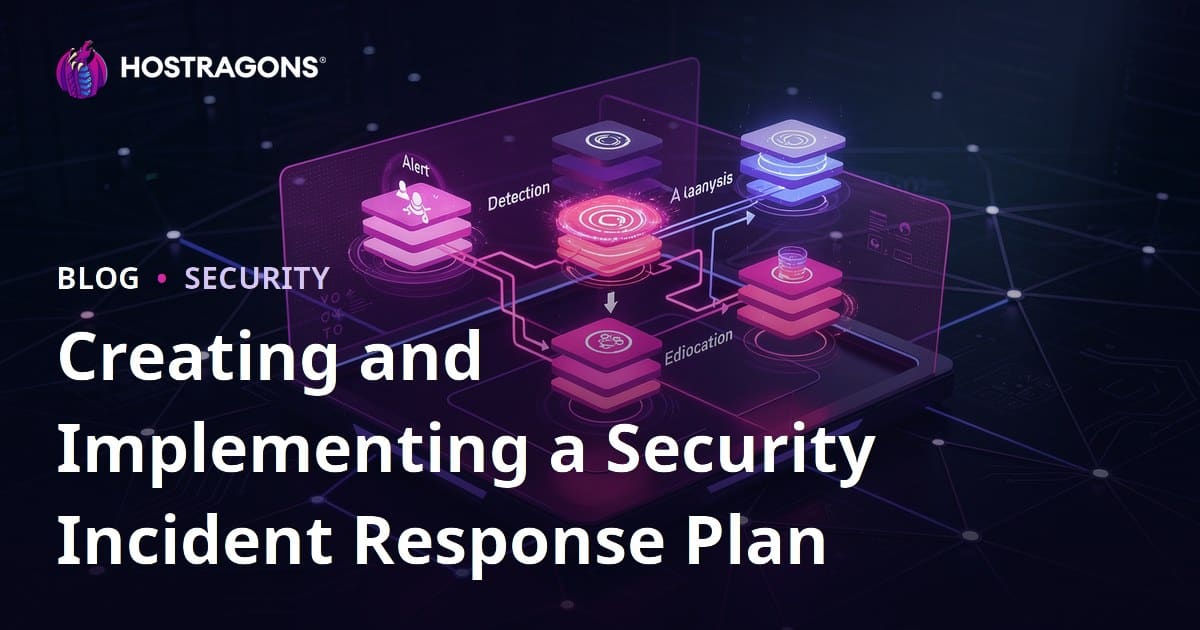
In today's world, where cyber threats are on the rise, crafting and executing an effective security incident response plan is vital. This blog post discusses the necessary steps for a successful plan, how to conduct effective incident analysis, and appropriate training methods. It also thoroughly examines the crucial role of communication strategies, reasons for failure in incident response, and mistakes to avoid during the planning phase. Additionally, we provide information on regularly reviewing the plan, tools available for effective incident management, and outcomes to be pursued. This guide aims to assist organizations in strengthening their cybersecurity and enabling swift and effective responses to security incidents.
Importance of a Security Incident Response Plan
A security incident response plan is a critical document that allows organizations to prepare for situations such as cyberattacks, data breaches, or other security threats, ensuring they can respond quickly. This plan pre-defines the steps to be taken during a potential incident, averting chaos and minimizing damage. An effective response plan should encompass technical details, communication protocols, legal obligations, and business continuity strategies.
One of the most important benefits of a security incident response plan is its provision for a proactive approach to incidents. Instead of a reactive strategy, potential risks are identified ahead of time, and preparations are made to address those risks. Therefore, when an incident occurs, rather than panicking, predefined steps can be followed for a swift and effective response. This helps protect the organization's reputation and reduces financial losses.
Benefits of a Security Incident Response Plan
- Facilitates quick and effective incident response.
- Protects organizational reputation.
- Minimizes financial losses.
- Aids in fulfilling legal obligations.
- Supports business continuity.
- Facilitates analysis and improvement processes after incidents.
During a security incident, it is critical to make informed decisions swiftly. A good response plan simplifies decision-making processes and clearly defines the roles of those involved. This way, everyone knows what they need to do, minimizing coordination issues. Additionally, regularly testing and updating the plan enhances its effectiveness and ensures preparedness for current threats.
Key Elements of an Incident Response Plan
| Element | Description | Importance |
|---|---|---|
| Incident Definition | The process of identifying the type and scope of the incident. | Critical for selecting the correct response strategy. |
| Communication Protocols | Establishing who to communicate with and how during an incident. | Essential for a fast and coordinated response. |
| Evidence Collection | Gathering and preserving evidence related to the incident. | Important for legal processes and post-incident analysis. |
| System Recovery | Restoring affected systems and data to their previous state. | Vital for ensuring business continuity. |
A security incident response plan should be more than just a document; it should be part of an organization's security culture. It is essential that all employees are aware of the plan and understand their roles. Regular training and drills enhance the plan's effectiveness and ensure that staff are prepared for incidents. This makes the organization more resilient against cyber threats and enables a more successful response during a potential incident.
Steps for a Successful Plan
Creating a successful security incident response plan requires not only mastery of technical details but also an understanding of the organization’s overall structure and operations. This process begins with a comprehensive risk assessment and continues with a cycle of continuous improvement. The effectiveness of the plan is ensured through regular testing and updates, allowing preparedness for emerging threats and optimizing response processes.
One of the fundamental elements of an effective response plan is establishing a clear communication protocol to allow for swift and accurate decision-making during incidents. This protocol should clearly define the roles and responsibilities of those involved in the response, specify communication channels, and include crisis communication strategies. Additionally, to enhance the plan's implementability, regular training and drills for staff are essential.
Step-by-Step Process
- Risk Assessment: Identify potential threats and vulnerabilities.
- Creating the Plan: Define response steps, communication protocols, and responsibilities.
- Training and Awareness: Inform and train staff regarding the plan.
- Testing and Drills: Regularly assess and improve the plan’s effectiveness.
- Communication Strategies: Ensure effective communication with internal and external stakeholders during crises.
- Update and Improve: Adapt the plan based on evolving threats and organizational needs.
The success of the plan also depends on conducting thorough and complete post-incident analyses. These analyses highlight weaknesses encountered during the response, areas for improvement, and measures needed to prevent similar incidents in the future. Therefore, post-incident evaluations are crucial for the continuous enhancement and updating of the plan.
Security Incident Response Plan Checklist
| Step | Description | Responsible |
|---|---|---|
| Risk Analysis | Identifying risks the organization may face | Information Security Team |
| Plan Development | Defining response steps and communication channels | Information Security Team, IT Department |
| Training | Raising employee awareness regarding security incidents | Human Resources, Information Security Team |
| Testing and Improvement | Regularly assess and update the plan | Information Security Team |
A successful security incident response plan should be dynamic and flexible, as cyber threats are constantly evolving. Thus, the plan must be regularly reviewed, updated, and adapted to new threats. This ensures that the organization's cybersecurity remains consistently protected and potential damages are minimized.
How to Conduct Effective Security Incident Analysis?
Security incident analysis is a critical process for strengthening an organization’s security posture and preparing better for future incidents. An effective analysis helps identify the root causes of an incident, expose vulnerabilities, and determine areas for improvement. This process includes not only assessing the technical aspects of the incident but also evaluating the organization’s policies and procedures.
To conduct a successful security incident analysis, it is first essential to collect and organize all data related to the incident. This data can be obtained from various sources, including log records, network traffic analyses, system snapshots, and user reports. The accuracy and completeness of collected data directly affect the quality of the analysis. During data collection, it is important to create a timeline of the incident and identify its different phases.
Data Sources for Security Incident Analysis
| Data Source | Description | Importance |
|---|---|---|
| Log Records | Records generated by servers, applications, and security devices | Critical for determining the incident's timeline and affected systems |
| Network Traffic Analysis | Examination of data flows across the network | Important for detecting malicious traffic and abnormal behaviors |
| System Snapshots | Real-time copies of systems | Useful for analyzing system states during the incident |
| User Reports | Notifications from users regarding suspicious activities | Valuable for early warnings and incident detection |
Once the data has been collected, the analysis process begins. In this phase, all data related to the incident is examined, correlated, and interpreted. The aim of the analysis is to understand how the incident occurred, which systems were affected, and the potential impacts of the incident. Additionally, identifying security vulnerabilities and weaknesses is also achieved at this stage. The analysis results are organized into a report and shared with relevant stakeholders.
Defining the Incident
Defining the incident is a fundamental part of security incident analysis. At this stage, it is essential to clearly ascertain what the incident is, when and where it occurred. To understand the scope and impact of the incident, it is necessary to identify the affected systems, users, and data. Incident definition serves as a framework for the remaining steps of the analysis, and its accuracy is crucial for developing an effective response plan.
Critical Elements to Understand
- The type of the incident (e.g., malware infection, unauthorized access).
- The timing and duration of the incident.
- Affected systems and data.
- The potential impact of the incident (e.g., data loss, service disruption).
- The source of the incident (if known).
- Relevant security vulnerabilities and weaknesses.
Root Causes of the Incident
Understanding the root causes behind a security incident is crucial for preventing similar incidents in the future. This involves not just technical weaknesses but also organizational and human factors. For instance, an incident might occur due to a vulnerability caused by outdated software, while inadequate security training or weak password policies could also play a role. Root cause analysis aids in identifying such factors and implementing corrective measures.
For effective root cause analysis, the following steps can be taken:
Understanding the root causes of security incidents is key to forming a proactive security posture. This analysis not only resolves issues but also enhances resilience against future threats.
Security incident analysis is a continuous improvement process that requires organizations to keep their cybersecurity strategies current. Through these analyses, organizations can be better protected against existing threats and more prepared for potential new ones in the future.
Training Methods for Security Incident Response
Security incident response training plays a critical role in preparing organizations for cyber threats. These trainings enable employees to recognize potential threats, respond appropriately, and minimize the consequences of incidents. An effective training program should include theoretical knowledge as well as practical scenarios. This way, employees gain real-world experience on how to act under realistic conditions.
The content of trainings should be tailored to the organization's size, industry, and the risks they face. For example, a company in the financial sector may focus its training on topics like data breaches and ransomware attacks, while a manufacturing organization may concentrate on threats to industrial control systems. Trainings should be repeated regularly and updated according to current threats.
Training Suggestions
- Conduct simulated phishing attacks.
- Perform incident response drills.
- Provide cybersecurity awareness training for employees.
- Create role-based training programs.
- Incorporate current threat intelligence into training.
- Conduct tests to measure the effectiveness of training.
Training methodologies should also be diverse. Instead of relying solely on presentations and lectures, various techniques like interactive games, case studies, and simulations should be utilized. This helps engage employees and aids in better understanding of the material. Moreover, feedback should be collected at the end of the training to evaluate the program's effectiveness and identify areas for improvement.
| Training Area | Training Content | Target Audience |
|---|---|---|
| Phishing | How to recognize emails and links, reporting suspicious activities | All Employees |
| Malware | Methods of malware spread, protection measures | All Employees, IT Staff |
| Data Security | Protecting sensitive data, secure storage and disposal methods | All Employees, Data Stewards |
| Incident Response | Detection, analysis, reporting, and response steps for incidents | IT Staff, Security Team |
It is important to remember that training is a continuous process. As cyber threats constantly evolve, training programs must also be regularly updated and developed. Keeping employees continually aware and prepared for new threats plays a crucial role in maintaining an organization’s cybersecurity. A successful security incident response plan should be supported by a well-trained and motivated team.
Role of Communication Strategies in Incident Management
Effective communication during security incidents is vital for maintaining control of the situation, preventing misunderstandings, and minimizing the impact of the security incident. Communication strategies aim to provide clear, consistent, and timely information throughout the entire process, from the beginning to the end of the incident. This not only helps facilitate coordination among technical teams but also keeps stakeholders informed.
An effective communication strategy should be adaptable based on the type, severity, and number of people affected by the incident. For example, less formal communication may suffice for a minor security breach, whereas a larger data breach requires a more structured and detailed communication plan. This plan should clearly state who will communicate what, when, and through which channels.
| Communication Phase | Communication Channels | Target Audience |
|---|---|---|
| Incident Detection | Email, Phone, Instant Messaging | Security Team, IT Managers |
| Initial Response | Conference Calls, Secure Messaging Platforms | Incident Response Team, Senior Management |
| Investigation and Analysis | Project Management Tools, Reporting Systems | Forensic Experts, Legal Department |
| Resolution and Recovery | Email Updates, Meetings | All Employees, Customers (if necessary) |
Furthermore, the communication strategy should encompass crisis communication. Crisis communication comes into play when public notification of the incident is required. It must be managed with a strategic approach to protect the organization's reputation, rebuild trust, and prevent the spread of misinformation. Throughout this process, transparency, accuracy, and empathy should be prioritized.
Communication Tools
The communication tools used during security incidents play a crucial role in managing the situation swiftly and effectively. These tools can range from instant messaging applications to specialized incident management platforms. What matters is that these tools are secure, reliable, and user-friendly.
Communication Strategy Recommendations
- Identify and test the communication channels to be used during the incident beforehand.
- Assign communication responsibilities and define their authority areas.
- Regularly update your crisis communication plan and conduct drills.
- Be transparent and honest in communication but protect sensitive information.
- Document and record all communications related to the incident.
- Develop tailored communication strategies for different audience groups.
The selection of communication tools depends on the organization's size, technical infrastructure, and security requirements. For instance, a large organization may prefer to use a specialized platform for incident management, while a smaller business may find a secure instant messaging application sufficient. In any case, ensuring the security and confidentiality of communication tools is essential.
It is important to remember that communication is not just about transmitting information; it also involves managing the psychological effects of the security incident and providing support to those affected. Therefore, the communication strategy should include empathy, understanding, and a supportive approach. A successful communication strategy can minimize the negative impacts of a security incident and protect the organization’s reputation.
Reasons for Failure in Incident Management

Security incident response is one of the most important reactions a company can have against cyberattacks, data breaches, or other security threats. However, not every response may be successful. The reasons for failures can vary widely, and understanding these reasons is crucial for improving future responses. For effective response, knowing potential failure points is just as important as planning, preparation, and using the right tools.
The challenges encountered during a security incident response process often stem from human factors, technological deficiencies, or process mistakes. Inadequacies in organizational structure, communication breakdowns, and misallocation of resources can also lead to failures. Therefore, an incident response plan must focus not only on technical details but also on organizational and communication aspects.
The following table summarizes common reasons for failures in incident response and their potential consequences:
| Failure Reason | Description | Potential Consequences |
|---|---|---|
| Insufficient Planning | The incident response plan is incomplete or outdated. | Delayed response, increased damage, legal issues. |
| Lack of Training | Staff having inadequate knowledge of incident response procedures. | Incorrect decisions, faulty implementations, increased security vulnerabilities. |
| Resource Shortage | Lack of necessary tools, software, or skilled personnel. | Slower response, decreased effectiveness. |
| Communication Breakdown | Inability to maintain information flow between relevant units during an incident. | Lack of coordination, conflicting actions, misinformation. |
To prevent these reasons for failure, organizations must continuously review their incident response plans, regularly train their staff, and provide necessary resources. Additionally, establishing and testing mechanisms for effective communication during incidents is also of great importance. It must be remembered that the best plan only makes sense when implemented correctly.
Primary Causes of Failure
- Inadequate documentation of the incident response plan
- Outdated security protocols
- Lack of training for incident response teams
- Insufficient resource allocation (budget, personnel, technology)
- Ineffective communication channels and protocols
- Post-incident analysis deficiency and lack of improvement cycles
Avoiding failures in the incident response process is fundamental to continuous learning and improvement. Every incident provides valuable lessons for the next response. Extracting these lessons and updating plans accordingly is key to enhancing the effectiveness of security incident management. Furthermore, proactively identifying and addressing security vulnerabilities can help prevent incidents from occurring in the first place.
Understanding the reasons for failure in incident response and taking measures in response is crucial for strengthening organizations' cybersecurity posture. A successful incident response is possible not just with technical skills, but also with effective planning, trained personnel, and ongoing improvement efforts. Therefore, organizations need to invest in their security incident response processes and continuously develop these processes.
Avoiding Mistakes in Security Incident Planning
Security incident planning is a critical part of ensuring organizations are prepared for cyber threats. However, mistakes made in this process can significantly hinder incident response efforts and potentially escalate damage. Consequently, it is vital to understand common mistakes in security incident planning and avoid them. An effective plan should not only be a theoretical document but should also be regularly tested and updated.
Many organizations do not delve into sufficient detail when creating their security incident plans. A plan filled with vague and general statements can become ineffective during a real incident. Incident-specific procedures, communication networks, and role definitions must be clearly outlined. Additionally, the plan must ensure that all stakeholders can understand it and have access to it.
The following table presents common mistakes often encountered in security incident planning along with their potential consequences and recommendations for solutions:
| Error | Potential Consequence | Solution Recommendation |
|---|---|---|
| Insufficient Risk Assessment | Misprioritization, inadequate preparedness | Conduct comprehensive risk analysis and use threat modeling |
| Outdated Plans | Old procedures, ineffective response | Regularly review and update plans |
| Inadequate Training | Confusion, delays, faulty implementations | Regularly train staff and conduct drills |
| Lack of Communication | Coordination issues, loss of information | Create clear communication channels and protocols |
Another essential point to avoid mistakes in security incident planning is to regularly test the plan. A plan that looks perfect on paper may encounter unexpected challenges during a real incident. Therefore, the effectiveness of the plan should be regularly assessed through scenario-based drills and simulations. These tests reveal the plan's weak points and present opportunities for improvement.
Mistakes to Avoid
- Insufficient Resource Allocation: Failing to allocate adequate budget and personnel for incident response.
- Lack of Communication Protocols: Not clarifying who to communicate with and how during an incident.
- Lack of Post-Incident Analysis: Failing to learn from incidents and make improvements.
- Neglecting Legal and Regulatory Requirements: Ignoring legal obligations such as data breach notifications.
- Not Sharing the Plan with Stakeholders: Failing to share the plan with all relevant departments and individuals.
Flexibility is a critical factor in security incident planning. Cyber threats are constantly changing and evolving. Therefore, the plan must be capable of adapting to these changes and accommodating various scenarios. A static and rigid plan may fall short in the face of unexpected situations and expose the organization to greater risks.
Regular Review of the Security Incident Plan
The effectiveness of a security incident response plan is revealed not just at the time of creation but also through regular reviews and updates. In an environment where technology is constantly changing, threats are evolving, and organizational structures differ, keeping a static plan up to date is impossible. Therefore, periodically reviewing the plan to identify weaknesses and improvement opportunities is critical.
The review process should encompass all aspects of the plan. This includes evaluating the scope of the plan, the clarity and effectiveness of procedures, the adequacy of communication protocols, and the sufficiency of resources. Additionally, compliance of the plan with legal regulations and company policies should be examined. Reviews should involve representatives not only from the IT team but also from other relevant departments (legal, communication, human resources, etc.). This allows for different perspectives to be considered and for the plan to be addressed more comprehensively.
| Review Area | Description | Importance Level |
|---|---|---|
| Scope | The events covered by the plan and the systems it protects | High |
| Procedures | Clarity and effectiveness of incident response steps | High |
| Communication | Speed and accuracy of notification processes to relevant individuals | High |
| Resources | The tools, software, and personnel necessary to implement the plan | Medium |
As part of the review process, simulations and drills for the plan should be conducted. This offers an opportunity to evaluate how the plan performs during a real security incident. Simulations can highlight weaknesses in the plan and provide concrete feedback for improvements. Additionally, drills help enhance the knowledge and skills of personnel in executing the plan.
Review Steps
- Evaluate the plan's scope and objectives.
- Analyze the current threat environment.
- Examine the plan's procedures and protocols.
- Verify the communication plan and relevant personnel.
- Conduct simulations and drills for the plan.
- Document the results of the review and update the plan.
The findings obtained from the review process should be utilized to update the plan. Updates can be made to provide protection against new threats, improve procedures, clarify communication protocols, or allocate resources more effectively. The updated plan should be communicated to all relevant personnel. It is crucial to remember that an outdated plan is worse than having no plan at all.
It is also important to tie the review process to a regular schedule. This ensures that the plan remains up to date consistently and adapts to the changing needs of the business. The frequency of reviews may vary based on the size of the organization, risk profile, and industry regulations. However, it is recommended to conduct a comprehensive review at least once a year.
Tools for Effective Incident Management
Having the right tools for effective security incident management is crucial for responding to incidents quickly and efficiently. These tools can encompass all processes from detection to analysis, response, and reporting of incidents. Choosing the right tools strengthens the organization’s security posture and minimizes potential damage.
Incident management tools offer a range of options suitable for different needs and budgets. They can range from open-source solutions to commercial products. What is essential is to select a solution that meets the organization's specific requirements and is compatible with the existing infrastructure. With these tools, security teams can detect, analyze, and respond to incidents faster, thereby minimizing potential damages.
| Tool Name | Features | Benefits |
|---|---|---|
| SIEM (Security Information and Event Management) | Real-time event analysis, log management, correlation | Rapid detection of incidents, prioritization of alerts |
| Endpoint Detection and Response (EDR) | Behavioral analysis at endpoints, threat hunting, incident response | Detection of advanced threats, enabling swift intervention |
| Threat Intelligence Platforms | Collecting, analyzing, and sharing threat data | Proactive security, predicting threats in advance |
| Incident Management and Workflow Systems | Incident tracking, task assignment, workflow automation | Manage incident response processes, enhance collaboration |
The following list includes some essential tools and technologies that can be used in incident management processes. These tools assist organizations in being more prepared for security incidents and responding swiftly. It should be noted that effective use of these tools also requires trained personnel and well-defined processes.
Available Tools
- SIEM (Security Information and Event Management) Systems
- Endpoint Detection and Response (EDR) Solutions
- Network Traffic Analysis (NTA) Tools
- Threat Intelligence Platforms
- Firewalls and Intrusion Detection/Prevention Systems (IDS/IPS)
- Vulnerability Scanning Tools
In addition to incident management tools, organizations must also continuously test and update their incident response plans. This allows for ongoing evaluation of the effectiveness of the tools and the appropriateness of processes, identifying opportunities for improvement. An effective incident management strategy involves not only having the right tools but also having a security team that can use these tools effectively and is open to continuous development.
Outcomes to Be Pursued in Security Incident Management
When a security incident occurs, understanding the root causes and impacts of the incident is critical. This process provides valuable insights for preventing similar incidents in the future and improving current security measures. Post-incident analyses reveal vulnerabilities in systems and provide an opportunity for updating security protocols.
In the management of security incidents, what to do afterward is critical for minimizing impacts and preventing future incidents. In this context, the causes, effects, and lessons learned from the incident should be thoroughly examined. This process yields valuable insights to strengthen the organization's security posture.
| Action Step | Description | Responsible Person/Department |
|---|---|---|
| Incident Log Review | Thorough examination of all log records and data related to the incident. | Information Security Team |
| Root Cause Analysis | Identifying and analyzing the fundamental causes of the incident. | System Administrators, Network Experts |
| Impact Assessment | Evaluating the incident's impact on systems, data, and business processes. | Business Process Manager, IT Department |
| Preventive Actions | Determining actions to prevent recurrence of similar incidents. | Information Security Team, Risk Management |
At the end of the incident management process, the findings and recommendations should be shared with all relevant stakeholders. This raises awareness across the organization and prepares it better for future incidents. Additionally, in line with the principle of continuous improvement, security policies and procedures should be updated regularly.
Conclusion and Recommended Actions
- Conduct a detailed analysis to determine the root causes of the incident.
- Apply necessary patches and updates to close security vulnerabilities.
- Conduct trainings to raise employee awareness regarding security.
- Update security policies and procedures.
- Regularly test and improve the incident response plan.
- Use advanced tools to monitor the security of systems and networks.
It is crucial to remember that the security incident management process is cyclical. The lessons learned from each incident should be used for more effective responses to future incidents. This will continuously strengthen the organization's cybersecurity posture and ensure business continuity.
Frequently Asked Questions
Why is a Security Incident Response Plan so important? What benefits does it provide to my business?
A Security Incident Response Plan helps your business prepare for security events like cyberattacks or data breaches, minimizing potential damage. It prevents damage to your image, assists in fulfilling legal obligations, reduces operational disruptions, and ultimately saves costs in the long term. The plan also ensures that you can respond quickly and effectively when incidents occur, protecting your systems and data.
What should I pay attention to when creating a successful Security Incident Response Plan? What key elements should it include?