 Operating Systems
Finding Resource-Hungry Scripts on Linux Servers with the htop Command
The htop command on a Linux server is one of the most practical monitoring tools used to identify scripts that excessively consume CPU and RAM in real-time.
 Afrikaans
 Azərbaycan
 Bosanski
 Čeština
 Dansk
 Deutsch
 English
 Español
 Filipino
 Français
 Hrvatski
 Indonesia
 Italiano Jawa
 Magyar
 Melayu
 Nederlands
 Norsk
 Oʻzbek
 Polski
 Português
 Română
 Slovenčina
 Slovenščina
 Suomi
 Svenska
 Tiếng Việt
 Türkçe
 Ελληνικά
 Беларуская
 Български
 Русский
 Српски
 Українська
 עברית
 اردو
 العربية
 پښتو سنڌي
 فارسی
 አማርኛ
 मराठी हिन्दी
 বাংলা ਪੰਜਾਬੀ ગુજરાતી
 தமிழ் తెలుగు ಕನ್ನಡ മലയാളം
 ไทย
 မြန်မာ
 한국어
 中文
 日本語



System Analyst
Has been involved in operating system performance analysis and optimization for over 10 years. Specializes in cloud-based systems.
Operating Systems The htop command on a Linux server is one of the most practical monitoring tools used to identify scripts that excessively consume CPU and RAM in real-time.
 Operating Systems
The LEMP Stack is a powerful solution for modern web development. This blog post explains in detail what the LEMP Stack is, why it s important, and what components it consists of (Nginx, MySQL, PHP).
 Operating Systems
Linux server management can be complex, especially when it comes to web hosting. This is where Virtualmin makes things easier. In this blog post, we cover what Virtualmin is, why it s a good choice, and the basics of Linux server management. We then explain the Virtualmin installation process step by step and address common pitfalls.
 Operating Systems
CentOS s end-of-life (EOL) is a critical turning point for hosting servers. This blog post examines in detail what the CentOS EOL process means, why it s important, and what alternatives are available for your servers.
 Operating Systems
Everything you need to know to boost productivity in macOS Ventura is in this blog post! You ll find plenty of tips, from notable improvements in macOS Ventura to features that will enhance your user experience.
 Operating Systems
This comprehensive blog post delves into the best operating systems available for the popular single-board computer, Raspberry Pi, along with detailed installation processes. It covers what Raspberry Pi is, why it is favored, and provides insights into the most popular operating systems.
 Operating Systems
The competition between iOS and Android is one of the most intriguing topics in the mobile world. This blog post provides a detailed comparison of the two operating systems. It explores critical points ranging from the fundamental differences between iOS and Android to usability, developer experiences, and security features.
 Operating Systems
Multi-operating systems allow you to host multiple operating systems on a single computer. This blog post explains in detail what multi-operating systems are, why they should be used, and the differences between dual boot and multi-boot.
 Operating Systems
The Windows Registry is the backbone of the Windows operating system, housing everything from system settings to application configurations. This blog post delves into what the Windows Registry is, its significance, and a detailed explanation of its structure.
 Operating Systems
User and group management in Linux systems is critical to system security and efficiency. This blog post examines in detail the fundamental concepts, user types, and authorization steps involved in user and group management in Linux systems.
 Operating Systems
Performance monitoring and bottleneck analysis in Operating Systems are critical to increasing system efficiency. This blog post examines in detail what performance monitoring in Operating Systems is, its benefits, and the tools used.
 Operating Systems
This blog post compares the BSD License and GPL licenses, which have an important place among operating system licenses. It explains what the BSD License is, its basic features and advantages, while examining the structure and differences of the GPL license.
 Operating Systems
Windows Subsystem for Linux (WSL) is a powerful tool that enables the Linux experience in Windows operating system. This blog post explains the definition and importance of Windows Subsystem, while highlighting the main benefits of using it.
 Operating Systems
macOS Auto-startup apps are critical for improving performance and optimizing workflow on macOS. This blog post takes a detailed look at what auto-startup apps are on macOS, how to set them up, and how they relate to ‘launch daemons’. It offers ways to optimize startup processes, fix potential issues, and use apps efficiently.
 Operating Systems
This blog post highlights the critical importance of operating system security and offers ways to protect against cyber threats. It provides a wide range of information from basic security principles to security vulnerabilities and solutions.
 Operating Systems
Hardening of operating systems is a critical process to increase the security of systems against cyberattacks. It involves closing vulnerabilities in ‘Operating Systems’, disabling unnecessary services and tightening authorization controls. Hardening helps prevent data breaches, ransomware attacks and other malicious activities.
 Operating Systems
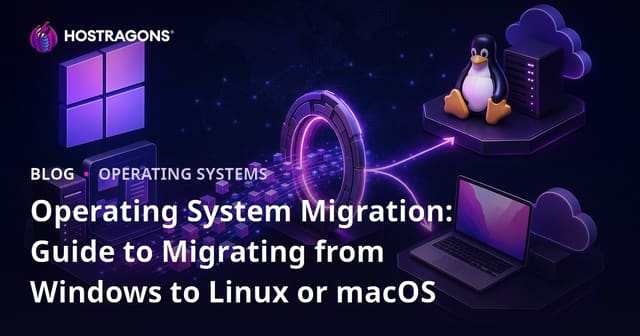
This blog post provides a comprehensive guide for those looking to migrate from Windows to Linux or macOS by covering operating system migration in detail. It explains what an operating system is and why it is important, highlighting the key differences between Linux and macOS.
 Operating Systems
Cloud-based operating systems are becoming increasingly important in today’s business world. This blog post examines the basics, advantages and disadvantages of cloud-based systems in detail. The future trends of cloud-based solutions are shed light on their impact on businesses, common usage models and applications in education.
 Operating Systems
Embedded operating systems, as the heart of embedded systems, play a critical role in a wide range of applications from IoT to industrial automation. This blog post provides a basic definition of embedded operating systems, highlighting the development and importance of embedded systems.
 Operating Systems
Hybrid cloud solutions offer flexibility and cost advantages to businesses, with operating system management being a critical component of this framework. This blog article delves into the importance, benefits, and management principles of hybrid cloud environments.
 Operating Systems
This blog post delves into the intricacies of service management on Linux systems and compares the two main approaches: systemd and SysVinit. First, an overview of service management is provided. Then, the basic features, advantages and comparative advantages of systemd over SysVinit are detailed.
 Operating Systems
This blog post explores two popular open source alternatives for operating systems: ReactOS and Haiku. It begins by defining the fundamental aspects and features of operating systems, then discusses the advantages and disadvantages of open source software.
 Operating Systems
This blog post provides a comprehensive guide to choosing the right operating system and optimizing it. The key factors to consider when choosing an operating system, recommendations for different usage scenarios, and advantages and disadvantages are examined in detail.