 Afrikaans
 Azərbaycan
 Bosanski
 Čeština
 Dansk
Dansk Deutsch
 English
 Español
 Filipino
 Français
 Hrvatski
 Indonesia
 Italiano
 Magyar
 Melayu
 Nederlands
 Norsk
Norsk Oʻzbek
 Polski
 Português
 Română
 Slovenčina
 Slovenščina
 Suomi
Suomi Svenska
 Tiếng Việt
 Türkçe
 Ελληνικά
 Беларуская
 Български
 Русский
 Српски
 Українська
 עברית
עברית اردو
اردو العربية
 پښتو
پښتو فارسی
فارسی አማርኛ
አማርኛ मराठी
मराठी বাংলা
বাংলা தமிழ்
தமிழ் ไทย
ไทย မြန်မာ
 한국어
한국어 中文
中文 日本語
日本語


மென்பொருள் திட்டங்களில் அடிக்கடி சந்திக்கப்படும் ஒரு முக்கிய சிக்கலாக வந்துள்ள தொழில்நுட்ப கடன், காலப்போக்கில் செயல்திறன் குறைவாகவும், செலவுகள் அதிகமாகவும் பார்க்கப்படுகிறது. இந்த வலைப்பதிவில், மென்பொருள் தொழில்நுட்ப கடன் என்றால் என்ன, அது எந்த காரணங்களால் உருவாகிறது மற்றும் அதை எப்படி கண்டறியலாம் என்பவற்றைப்பற்றி விரிவாக விவாதிக்கப்படும். மேலும், தொழில்நுட்ப கடனின் நிர்வாகத்துக்கான சிறந்த கருவிகள், குறைக்கும் நடைமுறைகள், குறிப்பின்கள், உள்நோக்கான புள்ளிநிலை மற்றும் நீங்கள் சேவையை மேம்படுத்த எடுத்து கொள்ள வேண்டிய நீண்டகால சேர்த்த ஆலோசனைகள் பற்றியும் விவரிக்கப்படுகிறது. மென்பொருள் திட்டங்களில் தொழில்நுட்ப கடனைக் குறைத்து சுதந்திரமான, திறமையான மேம்பாடு சூழலை உருவாக்கலாம்.
மென்பொருள் தொழில்நுட்ப கடன் என்றால் என்ன?
மென்பொருள் தொழில்நுட்ப கடன் என்பது மென்பொருள் மேம்பாட்டில் இயக்குநர் விரைவாக முடிவு செய்யும் நோக்கில் உருவான குறைபாடுகள் – நாளை கூடுதல் பணி, செலவு வருவதற்கு காரணமான உருவாக்க வழிகள். இது பல்வேறு தருணங்களில், ஒருபக்கம் அளவுக்குறை நேரம், குறைந்த பட்ஜெட், அனுபவமின்மை போன்ற காரணமாக தரப்படும். தொழில்நுட்ப கடன், எளிதில் இப்போது செயல்படும் போதிலும் – நாளை பாதுகாப்பு, செயல்திறன், புதுமைமிகு அம்சங்களில் கவலை ஏற்படச் செய்கிறது.
இதை உணர்ந்து நிர்வாகம் செய்யும் வித்தியாசம், மென்பொருள் திட்டங்கள் வெற்றிகரமாக செயல்படுவதில் முக்கியத்துவம் பெறுகிறது. அட்சர்யமாக, தொழில்நுட்ப கடன் கட்டுப்பாடு இல்லாமல் வளர்ந்தால் மென்பொருள் அபிவிருத்தி குழுக்களுக்கு கடுமை சிக்கல் உருவாகும். திறமையான நிர்வாகம், காரணத்தை அறிதல், அளவு மற்றும் முன்னுரிமை நிர்ணயித்து, இறுதியில் குறைக்க திட்டமிடுவது அவசியம்.
- மென்பொருள் தொழில்நுட்ப கடனின் முக்கிய அம்சங்கள்
- விரைவில் முடிவுக்கு வர வேண்டிய கட்டாயத்தில் உருவாகிறது.
- பகிர்ந்துகொள்ளப்படாத செலவுகளை நாளை தள்ளுகிறது.
- பழுதான பாதுகாப்பு மற்றும் செயல்திறன் ஏற்பட வாய்ப்பு.
- புதுமை கட்டுரைகளுக்கு தடையாகிறது.
- எதிர்கால கணித செலவுகளுக்கு காரணம்.
- அனைத்தும் திட்டமிடப்படாமல், அனுபவமில்லாத முறையில் ஏற்படும்.
இது பயனாளர் அனுபவம் முதல் நேரம், பாதுகாப்பு வரை எல்லா பாகங்களிலும் தாக்கம் தருகிறது. உதாரணத்திற்கு, தரமில்லா குறியீடு செயல்திறனைக் குறைக்கும், பயனாளர்களை மதிப்பீடு குறை விடச் செய்யும். பாதுகாப்பு குறைந்தால் கணினி ஊடுருவல்கள் மற்றும் விசாரணை இழப்புக்கும் வழி வகுக்கும். தொழில்நுட்ப கடனை தொடர்ந்து கண்காணித்து – மேம்படுத்துவது, நாள் வரை திட்ட வெற்றிக்கான நம்பிக்கை.
| கடன் வகை | உதிர்வு காரணம் | விளைவு | தீர்வு யோசனை |
|---|---|---|---|
| Code Repetition | Copy-paste உருவாக்கம் | Maintenance cost உயரும் | Refactoring மூலம் குறியீடுகளை ஒன்றிணைப்பு |
| Insufficient Testing | Time crunch | Error risk அதிகம் | Automated testing உருவாக்கம் |
| Complex Design | Rush design decision | Understandability குறைவு | Design Simplification |
| Legacy Technology | Lack of updates | Security issues ஏற்படும் | Technology updates |
மென்பொருள் தொழில்நுட்ப கடன், மென்பொருள் மேம்பாட்டில் தவிர்க்க முடியாதவை. எனினும், இதை அறிவாக கட்டுப்பாடுடன் நிர்வாகம் செய்தாலே திட்ட வெற்றி உறுதி. தவறினால், குறிதிறன் குறைவு, செலவு அதிகம் கைபோடும் வரை – திட்ட தேர்வு நேர இறக்கப்படலாம். மேம்பாடு குழுக்கள் தொழில்நுட்ப கடன் நிர்வாகம் மீது பயிற்சியும் முன்னேற்றமும் பெற வேண்டும்.
மென்பொருள் தொழில்நுட்ப கடனின் உதிர்வு காரணங்கள்
மென்பொருள் தொழில்நுட்ப கடன், திட்டமேம்பாட்டில் குறுகிய நேரத்தில் முடிவுக்கு வரவேண்டும் என்பதால், குறைவாக யோசித்து கடிபடிக செய்து – நாளை செலவு, சிக்கல் அதிகமாகும் சூழத் தெரியாமல் உருவாகும். திட்ட தேவைகள், நேரம் குறைவு, resourcing – ஒவ்வொன்றும் கட்டாயம் தான். காரணத்தை உணர்ந்தால், மேலாண்மை மற்றும் குறைக்கும் நடைமுறைகள் வகுக்க முடியும்.
இங்கு, தொழில்நுட்ப கடனுக்கு காரணமான பொது அம்சங்களை அட்டவணையில் பார்க்கலாம்:
| காரணம் | விளக்கம் | விளைவுகள் |
|---|---|---|
| Time Pressure | Project deadline ஆக்க முறையில் shortcut பயன்படுத்துதல் | Low code quality, skipped testing |
| Lack of Knowledge | Developersக்கும் experience குறைவு – modern stack தெரிந்தது இல்லை | Wrong architecture, buggy code |
| Changing Requirements | Project requirements dynamic, adaption mandatory | Complicated and unreadable code |
| Poor Code Quality | Clean code principles பின்பற்றாததும், bad design choices | Maintenance cost உயரும், new features ஆக்கக்கும் தடையாகிறது |
ஆக்கும் முக்கிய காரணங்கள்
- Project ஐ விரைவில் முடிக்க timing constraints
- Insufficient budget/resources
- Frequent requirement changes
- Poor code standards & coding practice
- Lack of technical knowledge or inexperienced devs
- Architecture mistakes or missing decisions
தொழில்நுட்ப கடன் உருவாகாமல் தடுக்கும் முன்வெளியை ஆக்கி, திட்டமிடலில், code reviews, continuous integration practices – அவசியம். பலதரமான developer workshop, coding best practices, documentation culture பின்பற்றுங்கள்.
தொழில்நுட்ப கடன் தவிர்க்க முடியாது என்றாலும் knowing + managing என்பது முக்கியம். தாக்கம், இப்படி ஆய்வும், முன்னுரிமையும் – குறைக்கும் நடைமுறை வகுக்கும். Otherwise, unmanaged debt திட்டத்திற்கும், அவலம் – failure risk அதிகம்.
மென்பொருள் தொழில்நுட்ப கடனை கண்டறியும் நிலைகள்
மென்பொருள் தொழில்நுட்ப கடனைக் கண்டறிவது – நிர்வாகத்தில் முதற்கட்ட தன்மையுடன், கழுமறிந்து செயல்பட – future risks குறைக்க உதவுகிறது. Code current status முழுமையாக பார்த்து, issues spotting – நிறுவனம் வருங்கால பாதிப்பு குறைக்க முடியும்.
மென்பொருள் தொழில்நுட்ப கடன் குழப்பவையில் கருவி, மார்க்க, code review, auto-analysis, agile practices – பலதரமான வாய்ப்பு உள்ளது. ஒவ்வொரு வழியும் தற்போதைய code status, performance, vulnerability – மோசமான சுற்றியமைவை அடையாளம் காட்டும்.
| நடவடிக்கை | Positive | Negative |
|---|---|---|
| Code Reviews | Expert driven, deep analysis, knowledge sharing | Time consuming, subjective, costly |
| Automated Analysis Tools | Fast, Objective, Wide Coverage | False positives, deep analysis missing, tool dependency |
| Static Code Analysis | Early security detection, improve code quality | High investment, false alarms |
| Agile Practices | Continuous improvement, fast feedback | Discipline required, universal suitability questionable |
நீங்கள் தொழில்நுட்ப கடனை கண்டறிவதில், பின்வரும் முக்கிய நடைமுறைகள்:
- Requirements clarity: முன்பதிவு requirement definition
- Evaluate code quality: Readability, maintenance, testability
- Architecture analysis: Component design, interrelation
- Dependencies review: Library, third-party integration
- Security scan: Vulnerability detection/removal
- Performance tests: Application under load evaluation
- Debt logging: Issue & recommendations record
நடப்புகள்
கடனை கண்டறிய manual code review, automated analysis, agile cycles எல்லாம் பயன்படுத்தலாம். Manual review, senior developer line-by-line check செய்யும் method. Automated tools (SonarQube, PMD) vulnerabilities, performance, quality quantification தரும். Agile iteration – feedback, continuous improvement வழி early debt identification & solution தரும்.
கருவிகள்
மென்பொருள் தொழில்நுட்ப கடனை கண்டறியும் கலம் – static code analyzers, dynamic test tools, code review platforms, project management suites – பல உணர்வு. Static analysis (SonarQube, PMD, Checkstyle) code vulnerabilities, security risks, maintainabilityல் early detection தரும், dynamic analysis tools (Load Testing Tools) performance issues கண்டு பிடித்தல் – development task tracker (Jira) debt tracking. Code review collaboration platform (GitLab, Bitbucket) feedback & issue tracking easy.
தொழில்நுட்ப கடன் என்பது, இந்த மென்பொருள் திட்டங்கள் எதிர்கால செலவூட்டும் short-cut accumulation. – Ward Cunningham
அறிந்துகொள்ளுங்கள், தொழில்நுட்ப கடன் நிர்வாகம் நிகழ்ச்சிகள், ஒவ்வொரு iterationல் கண்காணி, அளவை, குறை – தவிர்க்க முடியாதது. Otherwise, unmanaged accumulation – project health பயனாளிகள் சமாளிக்க முடியாது.
மென்பொருள் தொழில்நுட்ப கடன் நிர்வாகத்தில் பயன்படுத்தும் கருவிகள்
மென்பொருள் தொழில்நுட்ப கடன் நிர்வாகம், திட்ட வெற்றி பெரும்போது அவசியமானது. Right tools, debt tracking, prioritisation, resolution – process simplified. பசுமை கருவிகள், code analysis, project tracker, collaboration, reporting – Agile teams productivity, debt management – best practices வழங்கும்.
உருவான கருவிகள்
- SonarQube: Code quality analyse, debt auto-detection/prioritisation
- CAST Highlight: Application portfolio analysis, business impact/risk debt info
- Teamscale: Continuous code review, analysis, debt prevention/management
- Code Climate: Quality monitoring, developer feedback, debt reduction aid
- Jira: Project & issue management, debt tracking/planning
- GitLab: DevOps platform, code review, CI/CD, debt control facilitation
அடுத்து, debt management tools features/price comparison அட்டவணை:
| Tool name | Key features | Pricing |
|---|---|---|
| SonarQube | Code analysis, debt detection, quality profiles | Open source (Community), Paid (Developer/Enterprise) |
| CAST Highlight | Portfolio analysis, risk assessment, debt reporting | Licensed, price by application size |
| Teamscale | Continuous code review, architecture, compliance | Licensed, cost per project scope |
| Code Climate | Quality monitoring, auto-review, metrics tracking | Monthly subscription, by developer count |
Jira, GitLab, project management, collaboration – debt issue tracking, team communication, faster resolution easy.
மென்பொருள் தொழில்நுட்ப கடன் விளைவுகள்
மென்பொருள் தொழில்நுட்ப கடன், initial shortcut decisions – development later impacts. Short-term project success supportive ஆனாலும், long-term cost, complexity ஏறுகிறது. Impact understanding = better debt management, reduction planning critical.
| Impact Area | Description | Result |
|---|---|---|
| Development speed | Code quality dip, complexity increase | Feature slowdowns, bug fix difficulty |
| Cost | Bug fixing, refactoring needs spike | Budget overrun, high maintenance spending |
| Reliability | Insufficient testing, buggy code | Stability reduce, poor user experience |
| Security | Vulnerabilities spread, unresolved fixes | Data breach/system misuse risk up |
One domain issue triggers others: speed cuts -> deadline miss -> reputation loss -> profit erosion.
- Negative Impacts
- Development spending high
- Feature adding difficulty
- Bug count increase
- Performance degrade
- Security holes
- Team morale drop
Debt affects not just product but also devs' motivation, productivity. Constant bug fixing, issue tunneling – job frustration, efficiency loss risk.
நீண்டகால விளைவுகள்
மென்பொருள் தொழில்நுட்ப கடன் நீண்டகால விளைவுகள் – initially ignored issues grow broad impact. Strategic threat: system update tough, modernization stunted, legacy risk rising.
Debt long-term: adoption lag, market move mismatch, business survival challenge increasing – competitive edge erosion.
Technical debt, repaid late – interest, principal exceeds original workload.
Debt detection, management is not only technical, but strategic necessity. Best debt administration = project longevity assurance.
மென்பொருள் தொழில்நுட்ப கடன் தொடர்பான புள்ளிகள்
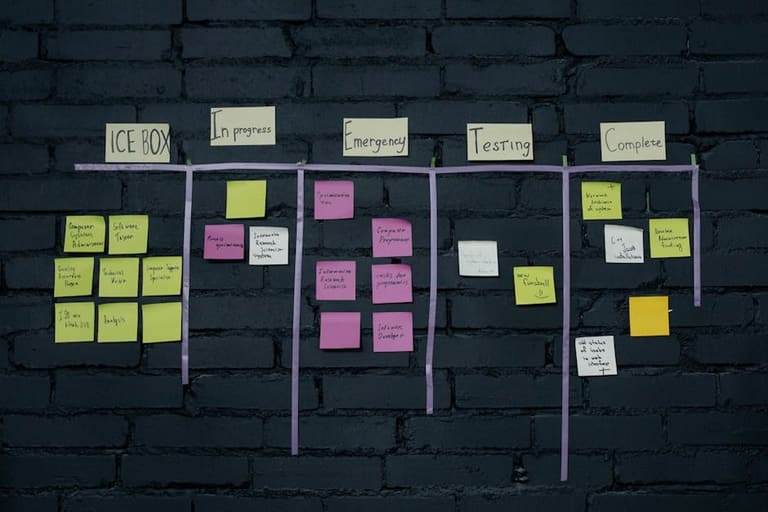
மென்பொருள் தொழில்நுட்ப கடன், அனைவரும் சந்திக்கும் – பிரச்சனையில் பிராரம்பமாக வருடந்த உணர்கிறது. சொந்த புள்ளிவிவரங்களில் debt scope, impact, need for credible management explained:
| Statistic | Value | Source |
|---|---|---|
| Technical debt percent in projects | 20-40% | Research Firm X |
| Annual cost of debt | Billion dollars | Industry Report Y |
| Time dev teams spend on debt | 25-50% | Developer Survey Z |
| Delay debt inflicts on project | 30-50% | Project Management Journal |
Debt importance – real and impactful:
- Key figures
- 20-40% of all software projects contain technical debt
- Debt costs billions annually
- Dev teams spend 25-50% of time managing debt
- Debt causes 30-50% project delays
- 60% companies lack debt strategy
- Early detection minimizes cost sharply
Statistically, debt isn't theory – it's budget, schedule, productivity, user satisfaction knocked by poor management. Managing = sustainable development & reliable output.
Prevention steps: Frequent code reviews, automated testing, refactoring, debt prioritization – successful software team culture.
மென்பொருள் தொழில்நுட்ப கடனை குறைக்கும் யோசனைகள்
மென்பொருள் தொழில்நுட்ப கடனை குறைப்பது – sustainable, healthy development நடைமுறை. Debt accumulation: cost, slowness, total failure risk. So, debt reduction strategy = top engineering priority.
Strategies span new project start & current fixes: quality raising, testing improvement, documentation upkeep, CI/CD adoption. Root-cause awareness is mandatory.
| Strategy | Description | Benefits |
|---|---|---|
| Code review | Review by team peer | Early bug spotting, quality jump, knowledge transfer |
| Refactoring | Improve code structure without changing logic | Readability, sustainability, performance |
| Test Driven Development (TDD) | Write tests first, then code | Reliability, fewer bugs, better architecture |
| Continuous Integration (CI) | Regular central repo merge | Early hidden issue detection, fast cycle |
Best strategies list:
- Full code reviews: Senior dev inspections for early bug, bad practice spotting
- Continuous refactoring: Frequent code structure/quality upgrades
- Automated tests: Unit, integration, system test coverage
- Debt management tools: SonarQube etc. for measuring/tracking/improvement
- CI/CD Adoption: Regular integration for early detection & correction
- Clean code standards: Team-consistent practices, documentation culture
Debt can't be totally wiped but managed proactively, continuous improvements, impacts minimized. Most important: Debt awareness, management, sustainable development – robust measures necessary!
மென்பொருள் தொழில்நுட்ப கடன் நிர்வாக சிறந்த நடைமுறைகள்
மென்பொருள் தொழில்நுட்ப கடன் நடுத்துமுறையாக நிர்வாகம் – நீண்டகால வெற்றிக்கு தேவை. In-depth debt tracking, measurement, ongoing reduction – dev productivity, final product quality improvement. Debt management is an ongoing refinement, not one-time fix.
| Best practice | Description | Benefits |
|---|---|---|
| Code review | Check new code quality, guideline adherence | Early error fix, higher code quality |
| Continuous Integration | Frequent master branch merging | Integration glitches down, fast feedback |
| Automated Testing | Comprehensive test execution | Early bug catch, regression risk drop |
| Debt Tracking | Regular debt log/monitor | Awareness, prioritization possible |
Debt management – regular improvement loop. Root cause analysis, fixing plan. Poor documentation, tangled code – solution needed.
- Best Practices
- Following code standards and routine reviews
- Adopting CI/CD processes
- Writing & regularly running automated tests
- Debt metric tracking tools
- Periodic architecture review & enhancement
- Documentation quality boost for understandability
Debt managing tools matter: Static analyzers for code quality rating, project management software for debt monitoring/prioritization. Enhance understanding & handling by team.
Transparency & communication = cornerstone. Dev teams communicate debt awareness, impact. Management provides resources, open environment for correction. Thus, மென்பொருள் தொழில்நுட்ப கடன் – successfully managed, long-term project health.
மென்பொருள் தொழில்நுட்ப கடன் தொடர்பான உண்மையான கேள்விகள்
மென்பொருள் தொழில்நுட்ப கடன் பற்றிய, ஏற்கனவே பலர் கேட்கும் விவரங்களை பார்க்கலாம். விபரமான பதில்கள், real-life management strategies.
பொதுச் கேள்விகள்
- Technical debt என்றால் என்ன? Rapid solution for today, defect for tomorrow – shortcut decisions cause future issues
- Debt எப்படிச் சேரும்? Delivery rush, resource shortage, lack of experience, dynamic requirements – multiple factors
- Debt எவை கண்டறிய? Code review, static analyzer, periodic audit – best practices
- Debt தாக்கம் என்ன? Maintenance up, feature slow, quality drop – cascade effect
- Debt management எப்படி? Prioritization, planning, continuous improvement cycle
Debt type categorization, occurrence area highlights:
| Debt Type | Description | Sample Scenarios |
|---|---|---|
| Code Debt | Poorly written, complex or undocumented code | Insufficient comments, unnecessary repetition, complex loops |
| Infrastructure Debt | Outdated or weak infra setup | Old servers, outdated OS, bandwidth shortage |
| Test Debt | Missing/inadequate test cases | No auto testing, manual test gaps, low coverage |
| Design Debt | Poor/inconsistent UI design | Bad navigation, color inconsistency, accessibility flaws |
Continuous review mandatory. Project managers, teams – proactive approach needed. Early diagnosis & fitting strategies – long-term debt drawback reduced.
Debt total elimination seldom possible, managed awareness, control critical for software success. Key idea: Debt isn't evil – awareness, impact assessment, conscious management matter most.
Technical debt need not be fully avoided. Key is awareness, impact understanding, actionable management.
மென்பொருள் தொழில்நுட்ப கடன் நிர்வாகம் – எதிர்கால ஆலோசனைகள்
மென்பொருள் தொழில்நுட்ப கடன் நிர்வாகம் – constant focus, proactive moves essential. Past lessons + future threat awareness = robust management, software project success possible. Forward-looking strategies now:
Winning debt management = right tools, discipline, ongoing learning. Different projects, unique strategy. Iterative trial/error, result analysis, strategy tweak – necessary. Diverse debt type management chart:
| Debt Type | Definition | Management Approach |
|---|---|---|
| Deliberate Debt | Quick win choices | Short-term gain, long-term impact minimized by planning |
| Unintentional Debt | Skill or awareness shortfall | Invest in team upskilling, early feedback via reviews |
| Inevitable Debt | Requirement/tech change | Continuous improvement, rework cycles |
| Negligence Debt | Poor coding, lack of testing | Quality culture, auto test process |
Debt cutting tactics:
- Code Reviews: Frequent, thorough reviews for bug spotting
- Automated Tests: Unit, integration, system wide test scripts
- CI/CD Adoption: Fast, safe code delivery pipeline
- Refactoring: Periodic code maintainability upgrade
- Debt Monitor Tools: SonarQube tracking debt scores
- Education: Team skill upgrades, continuous learning
Debt management is not just technical but cultural: transparency, collaboration, continuous improvement – foundational. Proactive debt management = project longevity & sustainability.
பொதுவாக கேட்கப்படும் கேள்விகள்
Technical debt ஒரு ஸாஃப்ட்வேர் திட்டத்துக்கு எப்படி தாக்கிவிடும்?
Debt, project sustainability, speed, cost – all badly influenced long-term. Bug spike, performance drop, security hole, feature development slow – even total rewrite required in severe case.
Debt = always bad?
No. Fast go-to-market, proof-of-concept urgency – deliberate debt accepted. But timely repayment/management crucial: else, deep trouble later.
Metrics for debt volume/severity?
Yes: Cyclomatic complexity, code repetition, test coverage, static analysis scores, security scan results – debt quantification possible.
How prevent debt formation in dev process?
Regular reviews, solid coding standards, CI/CD, solid test coverage, architecture foresight, refactoring – prevention steps.
Refactoring's debt reduction power?
Refactoring = code readability/performance upgrade without logic change. Complex/hard-to-maintain/problematic code – prioritize for refactoring. Feature addition pre-refactor often wise.
Agile & debt management in sprints?
Debt tasks planned per sprint: Refactoring, test writing, code cleanup. Debt's importance/prioritization set with product owner, dev team, stakeholders.
Legacy debt vs new project debt management?
Legacy debt tougher: higher, complex, documentless code. Requires careful plan, test, refactoring – higher risk than new build debt.
Debt tools (SonarQube, PMD) usage benefits?
SonarQube, PMD – code quality analysis, debt quantification, bug/vulnerability detection. Periodic run, result review, prioritized fix– essential. Tool config must suit project needs.