 Afrikaans
 Azərbaycan
 Bosanski
 Čeština
 Dansk
Dansk Deutsch
 English
 Español
 Filipino
 Français
 Hrvatski
 Indonesia
 Italiano
 Magyar
 Melayu
 Nederlands
 Norsk
Norsk Oʻzbek
 Polski
 Português
 Română
 Slovenčina
 Slovenščina
 Suomi
Suomi Svenska
 Tiếng Việt
 Türkçe
 Ελληνικά
 Беларуская
 Български
 Русский
 Српски
 Українська
 עברית
עברית اردو
اردو العربية
 پښتو
پښتو فارسی
فارسی አማርኛ
አማርኛ मराठी
मराठी বাংলা
বাংলা தமிழ்
தமிழ் ไทย
ไทย မြန်မာ
 한국어
한국어 中文
中文 日本語
日本語


Software project များတွင် အများဆုံးကြုံရသော ပြဿနာတစ်ခုဖြစ်သော software technical debt သည် အချိန်အကြာမြင့် လုပ်ဆောင်သွားသည့်အခြေအနေတွင် performance ကျဆင်းမှု၊ စရိတ်ပေါ်တိုးမှုစသည်ဖြင့် အနာဂတ်အတွက် စိန်ခေါ်မှုများကို ဖြစ်စေပါသည်။ ဒီ blog စာရေးသမားမှာ Software technical debt ရဲ့ အဓိပ္ပါယ်၊ ဖြစ်ပေါလာတဲ့အကြောင်းရင်းများ၊ သိရှိနားလည်နိုင်ဖို့နည်းလမ်းများ အစုံအလင်ဖော်ပြထားပါတယ်။ သို့တည်းမဟုတ် technical debt ကို သက်တမ်းမြင့်စိတ်ချအောင် ပိုင်နိုင်ကြည့်ရှုဖို့ tool များနဲ့ လျှော့ချနိုင်သော strategy များကိုလည်း လမ်းပြပါသည်။ Technical debt ၏ထိရောက်မှု၊ အတည်ပြု statistics များ၊ practical ကောင်းကျိုးရှာခြင်းနည်းလမ်းများနဲ့ ပြင်ဆင်တိုးတက်ရေး အကြံပေးချက်များထောက်ပြပါသည်။ Project အတွင်း technical debt ကို လုပ်ငန်းရှင်ကျဖို့ စနစ်တကျ manage လုပ်ပြီး တည်တံ့မြင့်မားတဲ့ development environment တစ်ခုတည်ဆောက်နိုင်ပါသည်။
Software Technical Debt ဆိုတာဘာလဲ?
Software Technical Debt ဟုခေါ်ဝေါ်သည်မှာ ဒီသမားတော် software ပိတ်ပင်မှုကို လျှော့ချရန် မျှော်မှန်းချက်အတိုင်း မလုံလောက်ဘဲ ပိုပြီးလျင်မြန်, ပိုလွယ်ကူသောနည်းလမ်းကို အသုံးချသဖြင့် အနာဂတ်အတွက် အပို effort ခံယူရမည့် အားနည်းချက် ဖြစ်နေသည်။ ဒါကို project တွင် အလုပ်များစွာသေချာ plan မလုပ်ဘဲ လုပ်ကြံသည့်အခါ၊ နည်းပညာကြေးလမ်းနားမသိ၊ သို့မဟုတ် တစ်စုံတစ်ယောက် တစ်ချိန်ကသိမ်းဆည်းသွားသည့်ကြေးဆိုပြီး ကြုံမြင်ဖေါ်ထုတ်သည်။ သိသာသော technical debt ရဲ့ အကျိုးအာနိသင်များမှာ စာမျက်နှာ ဖြေရှင်းမှု၊ အသစ် feature ထည့်သွတ်တာ မလွယ်တော့သဖြစ်ပြီး မဖြစ်မနောက် မလုံလောက်တဲ့ security အားနည်းချက်အစများ ဖြစ်နိုင်သည်။
Technical Debt ကိုနားလည်ခြင်းသည် project တွေတည်တံ့မှု၊ စီမံခန့်ခွဲမှုကောင်းမှုအတွက် မရှိမဖြစ်လိုအပ်သည်။ Project မှာ debt တစ်ခုရှိနေရင်၊ အချိန်ကြာမြင့်တာနဲ့ code structure ပိုမိုရှုပ်ပေါ်လာပြီး အဖွဲ့တွေအတွက် အထင်ရှားဆုံးအကြံဖန်တည်ပေးနိုင်သည့်အရာတစ်ခုဖြစ်သည်။ အပြည့်အဝ manage လုပ်ဖို့ strategy တွေမှာ debt ပါ (ကြောင့်ဖြစ်လာတဲ့အရာ), measure (ဘယ်လောက်ရှိသလဲဆိုတိုင်းတာခြင်း) နဲ့ prioritize (အရေးကြီးဆုံးကနေစလုပ်ပြီး တဖြည်းဖြည်းနဲ့ လျှော့ချသွားခြင်း) တို့ပါဝင်သည်။
- Software Technical Debt အဓိပ္ပါယ်များ
- ဖော်ရွေမြန်မြန်ဆန်ဆန် အဖြေတစ်ခု သွားရွေးချယ်မှုတွေကြောင့် ဖြစ်လာသည်
- နောက်အနာဂတ်တွင် အပိုကူညီပေးရမည့် စရိတ်နဲ့ effort ရှိတတ်သည်
- Code base ကို maintain လုပ်ဖို့ မလွယ်ကူတော့သည့် သက်တမ်းနာဘေး ကွင်းဆိုင်မှု ဖြစ်စေနိုင်သည်
- Feature အသစ်သွ('@/အတိုးအားနည်း'၂၀'ချံ'), ယုံကြည်ကောင်းမွန်စဉ်အနေနဲ့နည်းနည်း slow တစ်ဆင့်သွားသည်
- Security risk ပိုမြင့်တတ်သည်
- အဖော်ကျွမ်းကျင်သမျှပဲ မသိမသာဖြစ်တတ် သို့မဟုတ် မိမိတို့ကြား အလိုအလျှောက် default ဖြစ်တတ်သည်
Technical debt effects တွေကို၊ Software performance က user experience အခြေအနေပေါ် ပေါ်ပေါက်တတ်သည်။ ဥပမာ၊ အရည်အသွေးမကောင်းတဲ့ code quality ကြောင့် application တစ်ခု slow ဖြစ်ပေါ်သည့်အခါ၊ user စိတ်မကျေနပ်ဖြစ်လာနိုင်သည်။ Security vulnerability နဲ့ system ဆိုင်ရာသည် ဗဟုသုတနှင့် မာတိကာပါတဲ့အတွက် data breach ဖြစ်နိုင်သည်။ Technical Debt ကို အဆက်မပြတ် စစ်တမ်းနဲ့ နှစ်ဆကို manage လုပ်သင့်ပြီး အချိန်ကြာကြီး code ကို အသုံးပြုမယ့်အတွက် Project ရဲ့ တည်တံ့မှုကို တိုးမြှင့်နိုင်သည်။
| Debt Type | Reason | Effect | Solution |
|---|---|---|---|
| Code Repeat | Copy-paste programming | Maintenance cost တိုးတက် | Refactoring သုံးပြီး code များကိုပေါင်းခြင်း |
| Insufficient Testing | Time constraint | Bug risk တိုးတက် | Automated testing အားဖြင့် လုပ်ဆောင်ရန် |
| Overcomplex Design | Hasty design decision | Understandability နည်း | Design simplicity တွင် အလေးပေးရန် |
| Obsolete Technology | Lack of upgrade | Security risk တိုးတက် | Technology upgrade |
Software Technical Debt သည် project တစ်ခုမှာ ကြုံနေရမည့် တစ်စိတ်တစ်ပိုင်းငွေကြေးဝယ်ယူမှု ဖြစ်နိုင်သည်။ လည်းနိဒါင်ချုပ် manage လုပ်ခြင်း၊ အုပ်ချုပ်ခြင်းသည် project ၏ အောင်မြင်မှုအတွက် မရှိမဖြစ်လိုအပ်မှု ဖြစ်သည်။ Otherwise technical debt ကိုလိုအပ်အောင် မ manage လုပ်နိုင်လျှင် code quality သက်တမ်းကျဆင်း၊ cost တိုးတက်၊ even project fail ဖြစ်နိုင်သည်။ ထို့ကြောင့် software developer အဖွဲ့ technical debt management ကို စနစ်တကျသိရှိနားလည်ပြီး proactive ဖြစ်ဖို့ အရေးကြီးသည်။
Technical Debt ဖြစ်ပေါလာတဲ့အကြောင်းရင်းများ
Software Technical Debt သည် project တွေမှာ မသိမသာ၊ မသန်မသင်ပဲ လုပ်အသုံးဆုံးကြရသော အေတိုင်အမြန် result လုပ်ရတဲ့ decision များကြောင့် ဖြစ်လာသည်။ Technical debt ၏ဖြစ်ပေါ်ပေးသည့်အကြောင်းရင်းသည် project ဆိုင်ရာ requirement, fixed deadline, resource limitation စသည်တို့ကြောင့် ဖြစ်စေရန်အရာစုံဖြစ်နိုင်သည်။ Technical debt ဖြစ်လာတဲ့ Factor များကို နားလည်ရင် debt ကို manage လုပ်နိုင်ဖို့ first step ဖြစ်ပါတယ်။
တနည်းလမ်းဖော်ပြချက်အနေဖြင့် အောက်ဖော်ပြထားတဲ့အတန်းအနည်း Table ကို ကြည့်နိုင်ပါတယ်။
| Reason | Explanation | Possible Outcome |
|---|---|---|
| Time Pressure | Deadline မပျက်ဘို့ temporary solution ကိုရွေးချယ်တဲ့ဖြစ်စဉ် | Code quality ကျဆင်း, testing process ကျော်ခဲ့ |
| Insufficient Knowledge | Developer များ နည်းပညာထဲတွင် မလုံလောက်ပါဘူး | Wrong architecture decision, coding mistakes |
| Changing Requirements | Project အစဥ်အစဲခုလို မပြည့်စုံ requirements, code မှာ ad-hoc လုပ်ဆောင်မှု | Complex code structure, maintainability ဆိုး |
| Bad Code Quality | Clean code principle မလိုက်နာ, bad design decisions | Maintenance cost နှင့် new feature အသစ်တွေလုပ်ရာတွင်အခက်အခဲတွေ့ |
Technical Debt အသေးစိတ် အကြောင်းရင်းများ
- Time constraints ဖြစ်လို့ အလျင်အမြန် delivery လုပ်ရေး
- Resource budget နည်း၊ limitation ကြောင့်
- Requirement change များမြန်၊ continuous change
- Code standard သိနားမလည်၊ implement မလို့
- Experience နည်း Developer များ
- Architecture decision fail, design problem
Technical debt ဖြစ်ပေါ်မှုကာကွယ်ရေးအတွက် proactive ဖြစ်သော attitude နဲ့ development process တွင် plan တစ်ခုဖန်တီးခြင်း၊ resource မှာ လုံလောက်စွာ allocate လုပ်မှု၊ regular code review, continuous integration စနစ်ကျပေးခြင်းများက debt မပေါက်စေပါတယ်။ အဖွဲ့တွေကို training တစ်စုံလျှောက်ထားခြင်း၊ best-practice တွေ follower ဖြစ်နိုင်ရုံအထိ အရေးကြီးပါတယ်။
Debt ကို တစ်ခါတစ်ရံ မဖြစ်နိုင်ဘူး ဆိုတော့, conscious management ဖြစ်ရင် project အောင်မြင်တဲ့အတွက် positive impact ဖြစ်နိုင်ပါသည်။ Debt ကို မကြည့်မနေရင် uncontrolled debt accumulation ဖြစ်သွားလျင် project fail လည်း ဖြစ်နိုင်သည်။
Technical Debt ကိုသိစိတ်စမ်းဖော်ထုတ်ခြင်း အဆင့်များ
Technical Debt ကို detect လုပ်ဖို့တစ်ဆင့်တစ်ဆင့် သိစစ်စမ်းကြည့်သည်က မရှိမဖြစ်အရေးကြီးသည်။ Debt awareness က developer တွေကို long-term sustainable solution တစ်ခုရရှိစေပါသည်။ ဒီ process မှာ code, architecture, dependency, security, performance စသည့် အားနည်းချက်တွေကို deep survey လုပ်ပါသည်။
Technical debt detect လုပ်ခြင်းသည် project stage တစ်ခုစီနှင့် ပတ်သက်ပြီး နည်းလမ်းအမျိုးမျိုးကိုယူဆောင်ပါသည်။ သုံးနိုင်တဲ့ method တွေမှာ manual code review, automatic static analysis တို့ပါဝင်သည်။ Manual review က human brain နဲ့ deep knowledge sharing ပေးနိုင်သော်လည်း, time consuming ဖြစ်တတ်ပြီး subjective ဖြစ်တတ်သည်။ Automated tool က rapid, objective scan တစ်ခုပေးသည်။
| Method | Advantages | Disadvantages |
|---|---|---|
| Code Review | Human touch, Knowledge sharing | Time & Cost တက် ၊ Subjectivity တက် |
| Automated Analysis Tool | Speed ၊ Wide Coverage ၊ Objectivity | False Positives, Limitation, Tool dependency |
| Static Analysis | Early security discover ၊ Code quality boost | Cost ၊ False positive |
| Agile Practice | Continuous improvement ၊ Quick Feedback | Discipline လို ၊ Appropriate for team |
Debt detect အဆင့်များမှာ project မတစ်ပတ်စီဖို့အသုံးတင်လို့ရနိုင်သည်။ Debt accumulation ကို အစစအရာအပေါ် ဖြည်းဖြည်းလျှော့တင်နိုင်သည်။
- Requirement Clearly Define: Software function ကို project ကိုလက်တွေ့ define လုပ်ရန်
- Code Quality Assessment: Code readable, maintainable, testable စစ်တမ်း
- Architecture Survey: Architecture integrity, relationship ကို value နှင့် survey
- Dependency Analysis: Third party library/systems သိသာစမ်းကြည့်ရန်
- Security Scanning: Security vulnerability တစ်ခုနဲ့တစ်ခု check
- Performance Testing: Load/performance profile စစ်တမ်း
- Debt Registry: Issue, suggestion, todo list ကို record
Debt Detect Methods
Technical debt နှင့်ပတ်သက်လို့ detect tool တွေ အမျိုးမျိုးရှိပါတယ်။ Manual review က အတင်း code ကို စာကြည့်ဖြစ်ပါတယ်။ Automated tool က code ကို security, bug, quality issue အလိုအလျှောက် scan လုပ်နိုင်ပါတယ်။ Agile practice မှ continuous feedback cycle ဟာ debt accumulation ကို အချိန်နဲ့အမျှလိုက်လုပ်ပြုနိုင်ပါတယ်။
Debt Detect Tools
Software technical debt detect/management tools တွေမှာ static analysis tool, dynamic analysis tool, code review, project management tool တွေရပါတယ်။ Static tool က code run မလုပ်ဘဲ syntax, bug, security, code quality စတာကို spot တင်ပါတယ်။ Dynamic tool က actual run ပြီး performance, run-time issue ကို detect လုပ်ပါတယ်။ Code review tool က dev team collaboration နှင့် feedback ပေးမှုကို facilitate လုပ်ပါတယ်။ Project management tool က debt tracking, prioritizing, resolving ပေါ်မှာ assistance ပေးပါတယ်။
"Technical debt, future development cost accumulation from quick fixes." – Ward Cunningham
သတိထားဖို့က technical debt management ကို continuous process လုပ်ပေးဖို့ပါ။ Debt တိုးလာသွားမယ်ဆိုရင် project ၏ success ကို သက်တမ်းထိခိုက်မှုရှိလာနိုင်ပါတယ်။ Debt management အတွက် investment လုပ်ခြင်း၊ decision consciously လုပ်ခြင်း က အရေးကြီးပါတယ်။
Technical Debt အုပ်ချုပ်ရန် သုံးနိုင်တဲ့ Tool များ
Technical Debt Management ကို proper tool တွေ သုံးမယ်ဆိုရင် debt detect, prioritize, resolve တိုးတက်ကြံ့ကြံ့ အလုပ်လုပ်နိုင်သည်။ Debt management tool တွေမှာ code analysis, project management၊ real-time collaboration, reporting features တွေလည်းပါရှိသည်။
Recommended Tools
- SonarQube: Code quality ကို auto detect, prioritize
- CAST Highlight: Application portfolio analysis, business impact & risk profile assessment
- Teamscale: Continuous code review & analysis for debt prevention and management
- Code Climate: Code quality monitor, feedback for developers
- Jira: Project & workflow management tool, debt related issue tracking
- GitLab: DevOps platform, code review, continuous integration/deployment support
ဓာတ်တန္းစာရင်းမှာ popular debt management tools တွေ ကို compare ဖော်ပြထားပါတယ်။ မတစ်ခုစီနဲ့ project size, budget, requirement မတူတာကြောင့် solution တစ်ခုချင့်ရှင်းနိုင်ပါတယ်။
| Tool Name | Main Features | Pricing |
|---|---|---|
| SonarQube | Code analysis, debt detection, quality profile setting | Free (Community Edition), Paid (Developer, Enterprise) |
| CAST Highlight | Application portfolio analysis, risk assessment, debt reporting | License-based, dependent on app size |
| Teamscale | Continuous code review, architecture analysis, compliance check | License-based, depend on project scale |
| Code Climate | Code quality monitoring, automated review, metrics tracking | Monthly subscription, depend on developer count |
အထက်ပါ tools အပြင် collaboration platform တွေ (ဥက SonarQube, Jira, GitLab) technical debt tracking, team communication, resolution process တိုးဖို့ထောက်ပံ့မှုလည်းရှိပါတယ်။
Technical Debt ၏ထိခိုက်မှု
Technical Debt သည် rapid solution မြန်မြန်လုပ်ဖို့ decision တွေကြောင့် project မှာ short-term success ရပေမဲ့ long-term cost, complexity, performance degrade ဖြစ်စေပါတယ်။ Effects များကို လေ့လာရင် debt နှင့် management strategy တစ်ခုတည်ဆောက်နိုင်ပါတယ်။
| Impact Area | Explanation | Result |
|---|---|---|
| Development Speed | Code quality degrade/complexity increase | New feature slow, bug fix hard |
| Cost | Bug fix/rework increase | Budget overrun, maintenance cost up |
| Reliability | Testing insufficient, buggy code | Stability down, user experience poor |
| Security | Security hole grow, no patch | Data breach/system compromise risk |
Debt effect တွေက မတစ်ခုစီက mutual impact တွေဖြစ်သဖြင့် လက္ခဏာကို business နှင့် user trust အပေါ် သက်တမ်းသက်သာစွာထားနိုင်ပါတယ်။
- Negative Effects
- Development cost increase
- Feature addition hard
- Bug frequency up
- Performance down
- Security hole create
- Team morale trouble
Debt management မလုံလောက်ချင်ရင် developer team ရဲ့ satisfaction, productivity လည်း down သွားနိုင်ပါတယ်။
Long-Term Effects of Technical Debt
Technical debt ၏အချိန်ကြာမြင့် အကျိုးအာနိသင်တွေမှာ initial stage မှာ underestimate လုပ်ထားတဲ့ issue တွေ, later stage မှာ business strategy နဲ့ competitiveness ကို impact ဖြစ်စေလို့ကြုံရတတ်သည်။
Debt accumulation က system modernization, new technology adoption, system lifespan ကို be-micro လုပ်တတ်သည်။ Business ဟာ market change ကို catch up လုပ်ရခက်သွားနိုင်သည်။
"Technical debt များ၊ သက်တမ်းနှင့်အမျှ မပေးမနေရပါက၊ ငွေပေးချေဖို့ interest rate ပိုကြီးလာတတ်သည်၊ original debt ပါထက် လှည့်ပတ်ကြီးလာနိုင်သည်။"
Debt detect/manage ကို technical necessity & strategic planning တစ်ခုအနေဖြင့် လုပ်ဖို့ဖို့အရေးကြီးသည်။
Technical Debt အကြောင်းသောအချက်အလက်များ
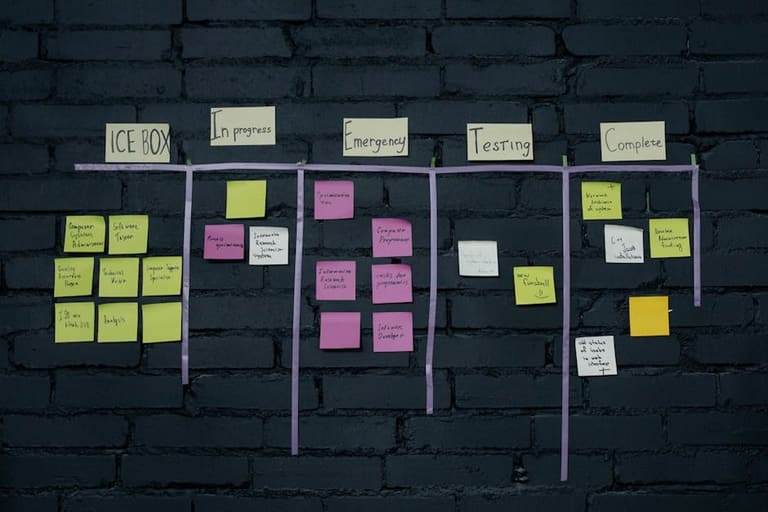
Technical Debt သည် software development industry တွင် widespread ဖြစ်ပြီး long-term ဘေးထွက်အနာဂတ် impact ဖြစ်စေသည်။ Debt prevalence & impact ကို data တွေကြည့်ပြဿနာ နားလည်နိုင်ပါတယ်။
Debt cost, frequency, impact statistics အလိုအလျှောက် ပြသနေသည်။
| Stat | Value | Source |
|---|---|---|
| Technical Debt ratio (project) | 20%-40% | Research Firm X |
| Annual Debt Cost | Billions USD | Industry Report Y |
| Dev Team Debt Management Time | 25%-50% | Dev Survey Z |
| Debt caused Project Delay | 30%-50% | PM Journal |
Debt သက်တမ်း impacts ကြည့်လျှင်၊ Project တွေမှာ အနည်းဆုံး ၂၀-၄၀% debt ပါနေတတ်ပြီး, industry-wide impact များဖြစ်ပါတယ်။
- Key Stats
- Average 20-40% of software projects contain technical debt
- Annual cost for technical debt billions USD
- Dev teams spend 25-50% time for debt resolution
- Debt can cause 30-50% project delay
- Debt management strategy မရှိတဲ့ company 60%
- Early Debt Detect အကြောင်း cost reduction significantly ဖြစ်နိုင်
Debt သည် theory မှသာမက actual company budget, timeline, productivity ကို real-life impact ဖြစ်စေသည်။ Debt management is technically & financially indispensable.
Debt resolution အတွက် proactive strategy တွေမှာ code review, automated test, refactor, prioritization ပါသင့်ပါတယ်။
Technical Debt လျှော့ချခြင်းလမ်းကြောင်းများ
Technical Debt resolution သည် sustainable development အတွက် must-have ရှိသည်။ Debt တွေ build up လျှင် budget တိုး, development speed down, even project fail ဖြစ်နိုင်တော့ strategy ဖန်တီးပြီး implement ဖြစ်ခြင်းမှာ importance ပါသည်။
Debt resolution methods တွေမှာ code quality boost, test practice reinforce, documentation update, CI/CD adoption, debt cause prevention strategy ပါသည်။
| Strategy | Explanation | Benefits |
|---|---|---|
| Code Review | New code reviewed by teammate | Early bug find, quality up, knowledge sharing |
| Refactoring | Improve existing code without changing function | Readability up, maintainability, performance |
| Test Driven Development (TDD) | Write tests first before code | Reliable code, fewer bugs, better design |
| Continuous Integration (CI) | Regular integrate code to central repository | Early integration issue detection, speed up development |
Debt reduction strategies:
- Full Code Review: Senior developer thoroughly review for early bug, bad practice detection
- Continuous Refactor: Regular update, lean code for low complexity, readable structure
- Automate Testing: Unit/integration/system tests for reliability
- Debt Management Tool usage: SonarQube etc. for debt measurement and improvement area finding
- CI/CD: Regular integration/test to catch early bug
- Clean Code Standard: Team-level coding rule enforcement for maintainable code
Debt totally erase impossible ဆိုပေမယ့် effective strategy နဲ့ continuous improvement တွေ့နိုင်ပါတယ်။ Debt awareness, management, sustainability focus ကို အပြည့်အဝ လုပ်ဖို့အရေးကြီးပါသည်။
Debt Best Practice
Technical debt effective management သည် project success, future issue prevention ကို enable ပေးသည်။ Strategy တစ်ခုတည်ဆောက်မှ team productivity, product quality နဲ့ debt accumulation ကောင်းမွန်သည်။ Continuous monitoring, proper measure, reducing တို့ပါသည်။
| Best Practice | Description | Benefits |
|---|---|---|
| Code Review | Quality, rule compliance check | Early bug tracking, improved code quality |
| Continuous Integration | Frequent changes to main branch | Integration trouble reduce, fast feedback |
| Automated Testing | Test automation (unit/integration/system) | Regression risk low, bugs caught early |
| Debt Tracking | Routine debt measurement, registry | Awareness, prioritization |
Debt management သည် process improvement continuous ဖြစ်ရမည်။ Reason study, mitigation planning, documentation enhancement, architecture simplification တို့ implement လုပ်ပါ။
- Best Practices
- Code standard, regular code review
- CI/CD deployment
- Automated testing routine
- Debt tracker tool usage
- Architecture regular review
- Documentation completeness, code readability
Proper tool usage (statics analysis tool, project management tool) debt detect/measure/track/resolve ကျေးဇူးမြင့်ပေးသည်။
Transparency, communication on debt is crucial. Developers, managers, stakeholders must align debt resolution resource allocation & strategy. Effective debt control enables long-term project sustainability.
Technical Debt အကြောင်းမေးခွန်းများ
Technical debt - project developer, manager, stakeholder များ မေးခွန်းများအကြား အသားပေးပြီး ရှင်းလင်းဖော်ပြခဲ့ပါသည်။
FAQ
- Technical debt ဟာဘာလဲ? Rapid solution code/design decision မှာ later problem ဖြစ်နိုင်သော choice (future repayable effort, risk).
- Debt ဘယ်လိုဖြစ်လာသလဲ? Deadline chase, resource deficient, dev inexperience, changing requirement က debt accumulate ဖြစ်စေသည်။
- Debt detection ထောက်ရှိတာလား? Code review, static analysis, regular audit လုပ်နိုင်ပါတယ်။
- Debt effect ကဘာလဲ? Maintenance cost, development speed, code quality down.
- Debt management ကိုးကြောင်း? Prioritize, plan, regular improvement process implement.
Debt type classification overview
| Debt Type | Explanation | Scenario |
|---|---|---|
| Code Debt | Bad, complex, undocumented code | Few comments, unnecessary repetition, complex loops |
| Infrastructure Debt | Outdated, inadequate infrastructure | Legacy server, OS version old, bandwidth weak |
| Test Debt | Insufficient testing scenario | No automated test, low manual test coverage |
| Design Debt | Poor, inconsistent UI design | Bad navigation, inconsistent color, accessibility problem |
Debt management process - always iterate review/resolve. Manager, developer team proactive mitigation, early resolution strategy implement.
Debt totally erase impossible, managed well, project success sustained. Summary: Awareness, impact understanding, conscious management key.
Technical debt is not to avoid totally. Awareness, impact understanding, conscious decision management are key.
Debt Forward Strategy Recommendation
Continuous attention/proactive measure required for technical debt management. Last experience review, future risk anticipation, strategy evolve, team discipline, tool/technique suitability optimize. Different strategy for different project/context. Experiment, evaluate, refine debt management approach always needed. Debt type wise management summarized:
| Debt Type | Definition | Management Approach |
|---|---|---|
| Intentional Debt | Deliberate shortcut for quick result | Short-term benefit, mitigation/plan for future impact |
| Unintentional Debt | Lack of knowledge/experience | Continuous training, early review find mistake |
| Inevitable Debt | Requirement change, technology evolution | Continuous improvement, regular refactor |
| Careless Debt | Poor coding, lack of testing | Raise coding standard, enforce automated testing |
Debt management tactic for both current/future debt reduction/prevention:
- Code Review: Early error detection
- Automated Testing: Reliability/quality up
- CI/CD Process: Fast/secure deployment
- Refactor: Improve readability, maintainability
- Debt Tracker Tool: Continuous analysis/monitor
- Education: Skill/training for developer team
Debt management not only tech issue, but also organizational culture. Transparency, collaboration, continuous improvement are essential. Proactive debt management is key for long-term software success and sustainability.
အမြဲမေးခြင်းများ
Software project တစ်ခုမှာ debt ကို ဘယ်လို handle လုပ်မလဲ?
Debt accumulation causes long-term sustainability, development speed, cost impact (bug, performance, security, feature addition hardship, sometimes rewrite needed).
Debt bad all the time? သိသာသော time-to-market, prototype test, rapid release, intentional debt may be valid, but repay/management essential or troubles occur.
Debt measurement metric what? Cyclomatic complexity, code duplication, test coverage, static analysis report, security analysis result for measurement & severity assessment.
Debt avoidance preventive action? Regular code review, clean code adoption, CI/CD process, sufficient test coverage, architecture care, refactor, routine code clean-up.
Refactor role? Refactor increases readability, maintainability, performance; prioritize for complex/hard to maintain/slow code; advisable before feature expansion.
Agile debt management how? Sprint planning must include debt reduce task (refactor, test, code cleaning), prioritize with team, product owner.
Legacy code debt difference? Legacy project debt heavier, complex, documentation weak, needs careful planning, testing, refactor.
Debt management tool benefit/how to use? SonarQube, PMD detect key issue (duplicate, complexity, security hole), routine scan, analyze, prioritize, fix, setup for project need.