 Afrikaans
 Azərbaycan
 Bosanski
 Čeština
 Dansk
Dansk Deutsch
 English
 Español
 Filipino
 Français
 Hrvatski
 Indonesia
 Italiano
 Magyar
 Melayu
 Nederlands
 Norsk
Norsk Oʻzbek
 Polski
 Português
 Română
 Slovenčina
 Slovenščina
 Suomi
Suomi Svenska
 Tiếng Việt
 Türkçe
 Ελληνικά
 Беларуская
 Български
 Русский
 Српски
 Українська
 עברית
עברית اردو
اردو العربية
 پښتو
پښتو فارسی
فارسی አማርኛ
አማርኛ मराठी
मराठी বাংলা
বাংলা தமிழ்
தமிழ் ไทย
ไทย မြန်မာ
 한국어
한국어 中文
中文 日本語
日本語


ఈ బ్లాగ్ వ్యాసం, సాఫ్ట్వేర్ refactoring గురించి లోతుగా విశ్లేషిస్తుంది. Refactoring అంటే ఏమిటి, ఎందుకు అవసరం, ప్రధాన మార్గం ఏందనీ వివరించుంది. విభిన్న refactoring పద్ధతులను చర్చిస్తూ, ఎక్కడ refactoring అవసరం వచ్చేది గుర్తించేందుకు కోడ్ smell గురించి వివరిస్తుంది. Refactoring సమయంలో జరిగే సాధారణ పొరపాట్లు, ఉత్తమ ప్రాక్టీస్లు, వాడాల్సిన పరికరాలు, డెవలప్మెంట్ ప్రాసెస్లపై ప్రభావం, ప్రాజెక్ట్ మేనేజ్మెంట్ కనుసర్యాన్ని సమీక్షిస్తుంది. చివరికి, refactoring ద్వారా సాఫ్ట్వేర్ నాణ్యతను ఎలా మెరుగుపరచవచ్చో స్పష్టంగా చూపిస్తుంది.
సాఫ్ట్వేర్ Refactoring అంటే ఏమిటి? ఎందుకు అవసరం?
సాఫ్ట్వేర్ refactoring అంటే, ప్రస్తుత కోడ్ ని పనిచేస్తున్న విధానం మార్చకుండా, లోపలి నిర్మాణాన్ని మెరుగుపరచడం. ఉద్దేశ్యం — కోడ్ స్పష్టంగా, సులభంగా చదివేలా, నిరంతరం మెరుగుబడుతో ఉండేలా చేయటం. అనవసరమైన complexity ను తగ్గించటం; ప్రస్తుత technical debt తగ్గించటం; కొత్త ఫీచర్లు చేర్చే అవకాశం సులువుగా చేయటం. Refactoring అంటే bugs సరిదిద్దడం లేదా కొత్త ఫీచర్లు చేర్చడం కాదు— ఇది పూర్తిగా లోపలి నిర్మాణం పెంపు పై ఫోకస్ ఉంటుంది.
Refactoring ప్రధాన లక్ష్యం, complexity తగ్గించటం, modularity పెంపు చేయటం. ప్రభావం— sections మధ్య dependency తగ్గుతుంది, మార్పులు సులభం అవుతుంది. Refactored code ద్వారా కొత్త ఫీచర్లు త్వరగా చేర్చవచ్చు, bugs త్వరగా గుర్తించవచ్చు, overall maintenance ఖర్చు తగ్గుతుంది.
| ప్రాధాన్యత | Refactoring ముందు | Refactoring తర్వాత |
|---|---|---|
| కోడ్ Complexity | అతి ఎక్కువ | తక్కువ |
| పఠనీయత | కష్టం | సులువు |
| నిలుపుకోవడం | తక్కువ | అతి ఎక్కువ |
| మార్పు వేగం | నెమ్మదిగా | త్వరగా |
Refactoring సమయంలో అత్యంత ముఖ్యమైనవి— code behavior మార్చకూడదు. చిన్న చిన్న అడుగులుగా పూర్తి చేయాలి, ఎప్పటికప్పుడు unit tests లేదా integration tests నడిపి, వాస్తవానికి code సరిగ్గా పని చేస్తున్నదా తెలుసుకోవాలి.
Refactoringతో లాభాలు:
- కోడ్ పఠనీయత పెరుగుతుంది
- సులువుగా అర్థమౌతుంది
- Bug ని త్వరగా resolve చేయవచ్చు
- కొత్త ఫీచర్లు వేగంగా చేర్చవచ్చు
- Maintenance ఖర్చు తగ్గుతుంది
- Team collaboration మెరుగవుతుంది
సాఫ్ట్వేర్ refactoring — ప్రాజెక్ట్ విజయం కోసం అత్యవసరం. సతతరంగా Refactoring చేయటం వల్ల code quality పెరుగుతది, development process వేగంగా సాగుతుంది, ఖర్చు పెద్దగా తగ్గుతుంది. Refactoring టెక్నికులు నేర్చుకుంటే, వ్యవసాయంగా విధించుకుంటే, professional అమలులో గొప్ప ప్రయోజనం ఉన్నది.
సాఫ్ట్వేర్ Refactoring లోని ముఖ్యాంశాలు
Refactoring అంటే behavior మార్చకుండా లోపలి నిర్మాణం మెరుగుపరచడం. ఈ ప్రాసెస్ లో code readability, understandability, sustainability పెంపించే లక్ష్యంగా ఉంటుంది. ముఖ్యంగా, code complexity తగ్గించటం, వేరే systems తో ఉన్న ఇంటరాక్షన్ మార్చకుండా అర్థం చేసుకోవడంలో సులుబువు ఇవ్వటం. మంచి Refactoring వల్ల, మరో developer కూడా changes మరియు కొత్త ఫీచర్ చేర్చేవారు సునాయాసంగా చేయగలరు.
Refactoring సాధారణంగా చిన్న అడుగులుగా సాగుతుంది. ప్రతి దశలోపల, tests నడుపుతూ, behavior మార్చపడలేదు భావించాలి. Continuous integration & automated testing కు Refactoring process బహిరంగంగా నివేదిస్తుంది. చిన్న చిన్న పరిమితిలో ఫాలో అవటం వల్ల, errors గుర్తించడం సులువు, reliability పెంపు అవుతుంది. ప్రతీ దశలో code పని చేస్తున్నదని నిర్ధారించడం ద్వారా development uninterruptedly సాగుతుంది.
- ఘటనా విశ్లేషణ: ప్రస్తుత code ని పరిశీలించి ఇంప్రూవ్ చేసే చోటు కనుగొనటం.
- పథకం: Refactoring steps & priorities నిర్వచించటం.
- Test వ్రాయడం: ముందు behavior చెడకుండా ఉండాలని testలు రూపొందించడం.
- చిన్న అడుగులు: చిన్న మార్పులు చేసి, దానిని stepwise అమలు చేయడం.
- Testing: ప్రతి దశలో testలు నడిపి, bugs గుర్తించడం.
- Integration: మార్పులను ప్రధాన codebase లో అన్వయించటం.
Refactoring అనేది డెవలప్మెంట్ ప్రాసెస్ లో అభాగ్యంగా భాగస్వామ్యం. పెద్ద సహాయ పద్దతుల్లో, పదేపదే Refactoring తో code లో deterioration, technical debt accumulation ని డబ్బ. దీని ఫలితం— longevity & maintenance చెరుపు.
Refactoring సమయంలో వాస్తవికంగా ప్రాముఖ్యత— test coverage. Testలు behavior శుద్ధంగా ఉంటుందని నిర్ధారించుకొని, security లోపాలు లేకుండా పుయించుకోండి. Refactoring చేస్తూ readability పెంపు, unnecessary complexity ని తీయాలి. ఇలా చేస్తే, కొత్త developerకి code ఒక textbookలా కనిపిస్తుంది!
Refactoring రకాలూ: ఏ పద్ధతులు పనిచేస్తాయ్?
సాఫ్ట్వేర్ Refactoring — code behavior ను మార్చకుండా లోపలి నిర్మాణాన్ని మెరుగుపరిచే పద్ధతి. ఇది readability, understandability, sustainability పెంపు చేయడానికి అవసరం. డెవలప్మెంట్ life cycle లో Refactoring continual process. ఎక్కడ సామాన్యంగా code smell/problem వస్తే, దాన్ని తొలగించి, code quality పెంపుపరచడానికి ప్రత్యేక టెక్నికులు ఉన్నాయి. ఈ chapter లో, commonly used Refactoring methods, sample usage పరిశీలిద్దాం.
| Refactoring పద్ధతి | వివరణ | ఉద్దేశ్యం |
|---|---|---|
| Extract Method | విరివిగా ఉన్న method ను చిన్న manageable methodలుగా విభజించడం | Readability పెంపు, repetition తీయడం |
| Inline Variable | చిన్న variable ను code లోనిఅక్కడే ఉపయోగించడం | అనవసర variable తొలగింపు |
| Replace Method with Method Object | చెరిపియుని పెద్ద method ని, method object ద్వారా తగ్గించడం | Smaller, testable parts విభజించటం |
| Replace Data Value with Object | primitive data value (string/integer) ను ఒక object ద్వారా represent చేయటం | Data behavior చేర్చక |
Refactoring సాధారణంగా చిన్న stepwise మార్పులతో జరుగుతుంది. ప్రతీ step పూర్తయిన తర్వాత test చేస్తూ, errors early చక్కబెట్టుకోవాలి. సరైన Refactoring technique ను వినియోగించటం ప్రాజెక్ట్ అవసారం & code smell అదుపు ద్వారా నిర్ణయించాలి.
Refactoring టెక్నికులు
Refactoring టెక్నికులు — code structure మెరుగుపరచటానికి పద్ధతులు. ఇవి readability పెంపు, complexity తగ్గించటం, changes futureలో సులభంగా చేయటానికి ఉపయోగపడతాయి. కొన్ని techniques చిన్న scope లో ఉంటే, మరెన్నింటిలో deep changes ఉంటాయి.
ప్రముఖ Refactoring టెక్నికులు:
- Extract Method
- Extract Class
- Rename Method
- Encapsulate Field
- Replace Conditional with Polymorphism
- Replace Loop with Pipeline
సామాన్యంగా వాడే పద్ధతులు
ప్రధానంగా ఉపయోగించే Refactoring పద్ధతులు — usual code issues తగ్గించడానికి. ఉదాహరణ: Extract Method ద్వారా పెద్ద methodలను manageable small methodsగా విభజించవచ్చు; Extract Class ద్వారా overloaded class ను చిన్న classesగా విడదీయవచ్చు.
Refactoring అంటే code design మెరుగుపంర ప్రాసెస్. ఇది readability పెంపు, maintenance అందుబాటులోకి వచ్చేది, కొత్త ఫీచర్ చేర్చటం risk తగ్గించేది. — Martin Fowler
ఉదాహరణలు
Refactoringను అర్థం చేసుకోవాలంటే రియల్టీ world ఉదాహరణలు బాగా ప్రయోజకరంగా ఉంటాయి. ఉదా, ecommerce systemలో order process method బాగా lengthy అయితే, Extract Method technique తో చిన్న చిన్న దశల్లో విభజించొచ్చు; class ఎక్కువ burden వహించినపుడు, Extract Class ద్వారా lightweight, focussed classesగా విభజించవచ్చు. ఇప్పుడే కావాలని, Refactoring అనేవి నిరంతరం సాగుతాయి ; ఏదైనా దశలో అని, ఒంటి దశలో కాకుండా, నిర్మించు, సవరించు మీదో ముందుకెళ్తాం.
Code Smells: Refactoring అవసరం చూపే ఉదాహరణలు
Development సమయంలో code complexity, readability తగ్గిపోతూ ఉంటుంది. తద్వారా code smell/enumerate చేసే patterns వస్తాయి— ఇవే Refactoring అవసరం గుర్తించేందుకు సూచనలు. Code smells వలన దీర్ఘకాలిక sustainability, maintainability తగ్గుతుంది. వాస్తవికంగా smell ఈ project నిలుపుకోవడంలో వ్యతిరేక ప్రభావాన్ని చూపుతుంది.
Code smells - design errors, bad coding practices, outdated codeలు. Smellలు ఒకటిగా అయితే పెద్దగా ప్రభావం లేకపోయినా, కలిస్తే code maintenance impossible అవుతుంది, errors ఎప్పటికప్పుడు వస్తాయి, development slow అవుతుంది. ఇది ఒక code quality కి ముఖ్యమైన వాస్తవికాలని.
ప్రధాన code smells:
- Long Methods: వ్యయంగా lengthy methods, multiple responsibilityగా ఉండటం
- Large Classes: అధిక ఫీల్డ్స్, methods, maintenance కష్టం
- Duplicated Code: Same code block దాదాపు అంతే locationలో ఉంది, changes వేడికి సంబంధాలు
- Long Parameter Lists: Methodకి బోల్డు parameters, readability & accuracy తగ్గుతుంది
- Dead Code: Unused code, unnecessary space occupy చేస్తుంది
- Comments: Excessive comments కావాల్సిన info convey చేయవు, outdated అవుతాయి
నిమ్న టేబుల్ లో కొద్ది code smells & వాటికి సరిపడే Refactoring techniques చూపించాం. Clean & maintainable code కోసం ఇవి పూర్తిగా అవసరం.
| Code Smell | వివరణ | Refactoring టెక్నిక్ |
|---|---|---|
| Long Methods | Method line count అతిగా, responsibilities అనేకం | Extract Method, Replace Method with Method Object |
| Duplicated Code | Code block redundancy | Extract Method, Form Template Method |
| Large Classes | Class responsibilities ఎక్కువగా ఉండటం | Extract Class, Extract Interface |
| Long Parameter Lists | Too many parameters in method | Introduce Parameter Object, Preserve Whole Object |
Code smells & Refactoring process ను సంవత్సరాంతం పోలాలి. Regular code review, automated analysis tools వినియోగించాలి, clean code principles పాటించాలి. Clean & orderly code base — longevity & quality foundation!
Code smells Refactoring అవసరం తెలుపుతాయి— smell detect చేసి, correct technique ఉపయోగించటం ద్వారా complexity తగ్గించవచ్చు.
Refactoringలో సాధారణ తప్పులు
Refactoring అంటే code structure మెరుగుపుంచే పవిత్ర ప్రాసెస్— అయితే, తొలి స్థాయిలో తప్పులు చేస్తే, software stability పొరపాట్లలోకి దారి తీస్తాయ్. Refactoring process లో అన్ని స్థాయులలో తగినదిగా జాగ్రత్తలు అవసరం.
| తప్పు | వివరణ | అందే సమర్పణ |
|---|---|---|
| Test Coverage లేకపోవడం | Refactoring ముందు/తర్వాత testలు లేకపోవడం | Unexpected errors, crash చెయ్యటం |
| Big Bang Approach | Huge changes at once | Debugging కష్టం, code unreadable అవుతుంది |
| లేదని Plan | Refactoring ఏ దశలో ఎలా చేయాలో వివరించకపోవడం | Resource wastage, failure risk |
| Code అర్థం కానిది | Refactor చేయబోయే code గురించి పూర్వ సమాచారం లేకుండా మార్పు చేయడం | Wrong changes, functionality break |
Refactoringలో Test Driven Development (TDD) principles పాటించడం తప్పులు నివారించేందుకు అత్యవసరం. Comprehensive test suite design చేసుకోవడం, stepwise changes చేయడం, debugging early చేయడం ముఖ్యమైనవి. Changesను revert చేయగలడం కోసం version control (Git) ఉపయోగించాలి.
విడవకుండా ఉండాల్సిన పొరపాట్లు:
- Tests వ్రాయకుండా Refactoring ప్రారంభించడం
- Large-scale changes ఒకదశలో attempt చేయడం
- Code behavior అర్థం లేకుండా మార్పులు చేయడం
- Revert/undo option లేకుండా, version control వాడకపోవడం
- Team members తో communication లేకపోవడం
Refactoringకి ముందు code behavior అర్థం చేసుకుని, Naming conventions పక్కాగా పాటించాలి. Collaboration, code review ద్వారా error detection పెంపు అవుతుంది.
Refactoring మార్పులు undo చేసుకోవడం కోసం version control absolute necessity— commit-wise division చేయాలి. Planning, testing, cooperation, backup — Refactoring success keys!
Refactoring కు ఉత్తమ ప్రాక్టీస్లు
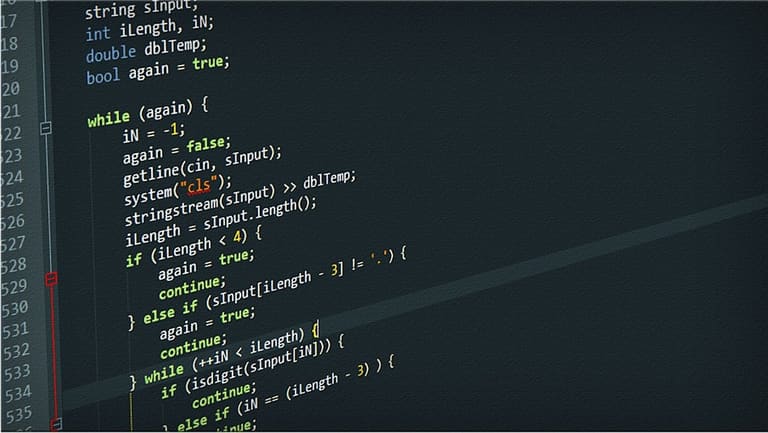
Refactoring process లో కోడ్ తరచుగా బాగా చదివేయదగిన, సులువుగా అమ్మడగిన, sustainable మారుతూనే ఉంటుంది. సరైన ప్రాక్టీస్లు పాటించనప్పుడు code complexity పెరుగుతుంది, bugs వస్తాయి. ఇప్పుడు, Refactoring లో వస్తున్న ప్రమేయాలు, practical approaches వివరించాప్తాము.
Refactoring కు ముందు— code ని పూర్తిగా అర్థం చేసుకోవడం, comprehensive test suite అమర్చడం తప్పనిసరి. Tests ద్వారా code integrity నిర్ధారించవచ్చు. Unit, integration, system tests కూడా జాగ్రత్తగా అమలు చేయాలి. Test coverage లేకుండా Refactoring అంటే, blind walking!
| Best Practice | వివరణ | Benefits |
|---|---|---|
| Small Steps | Refactoringని manageable stepsగా విభజించడం | Error risk తగ్గుతుంది, tracking easy అవుతుంది |
| Continuous Testing | ప్రతి step తర్వాత tests నడిపించటం | Bugs early detect అవుతాయి, safe refactoring |
| Code Review | Refactoring తర్వాత code ఇతరులకు చూపించటం | Quality పెంపు, issues identify అవుతాయి |
| Version Control | Stepwise version tracking | Undo facility, team collaboration |
Refactoring లో మరో కీలకమైన విషయమేమంటే — goal oriented refactoring చేయాలి. ప్రతి మార్పు clear goalతో ఉండాలి— readability, performance, complexity minimize చేయడం. Arbitrary changes చేసినా ఉపయోగం లేదు, కలిసి ఫలితం రావడం లేదు. Refactoring కు ముందు definite plan తయారు చేయాలి.
Refactoring అప్షన్ టిప్స్:
- Tests ముందుగా వ్రాయండి, code integrity నిర్ధారించండి.
- Small, logical steps తీసుకోండి, test చేయండి.
- Codeని peersతో review చేయండి, feedback తీసుకోండి.
- Version control software వాడండి, changes tracking చేయండి.
- Complex logic ను simplified solution ద్వారా చెరకు చేయండి.
- Redundant code తొలగించండి.
Refactoring నాలుగు పంజారాల్లో ఒకటి కాదు, perpetual cycle అని భావించాలి — code నుంచిiterationకు iterate–గా మెరుగుపరచాలి. Codebase కూడా evolve అవుతూ, Refactoring adjust అవుతుంది; continual Refactoring కన్నా longevity, quality, maintenance, reliability ఎక్కువ!
Refactoring Tools: ఏవి వాడాలి?
Refactoring process లో సరైన tools ఉపయోగించడం productivity పెంపు, error minimization keys. మార్కెట్ లో plenty of tools ఉన్నాయి. Tools ద్వారా code analysis, automated refactoring, quality improvement చేయడం ఎక్కువ కానేకూడా తక్కువ timeలో చేయవచ్చు. Tools సెలక్షన్ project size, language, environment & team experience ఆధారంగా చేయాలి.
Tools ద్వారా manual tedious steps automate చేయవచ్చు. Variable name change, method transfer, complex condition simplify చేయడం— toolతో clicks ద్వారా చేయొచ్చు. ఇది consistencyకు, error preventionకు ఉపయోగపడుతుంది. However, tools blind trust చేయకూడదు; outcomeని గుర్తించి, tests నడిపించాలి.
| Tool Name | Supported Languages | Features |
|---|---|---|
| JetBrains IntelliJ IDEA | Java, Kotlin, Scala, Groovy | Advanced code analysis, automated refactoring, code completion |
| Eclipse | Java, C++, Python, PHP | Plugins support, automated refactoring, formatting |
| Visual Studio | C#, VB.NET, C++ | Integrated development, automated refactoring, debugging |
| Resharper | C#, VB.NET | Advanced analysis, quick fixes, automated refactoring |
Tool ఎంపిక language, integration skills, usability, cost మీద ఆధారపడి. Feature suitability, team workflow integration చూడాలి. Massive projectsకే high-level analysis, automation tools అవసరం; small projectsలో lightweight editor suffice. Correct tool selection నా Refactoring success keys!
Tools are just assistants, Refactoring itself is a design judgement. Tool outcome, logic, tests validate చేయాలి.
Popular Refactoring Tools:
- JetBrains IntelliJ IDEA
- Eclipse IDE
- Microsoft Visual Studio
- Resharper
- NetBeans
- PyCharm
Refactoring కోసం డెవలప్మెంట్ ప్రక్రియలు
Refactoring process, software development lifecycle లో inseparable. Sustainable, readable, extendable codebase అవసరం. Structured process వల్ల code quality, development speed, team productivity పెరుగుతుంది.
Refactoring process వాజ్వ్యంగా— code inspection, improvement spots, test design, action steps. Steady planning & meticulous execution తో తప్పులు minimize చేయాలి:
| Step | వివరణ | Key Points |
|---|---|---|
| Inspection | Code review, improvements spot చేయడం | Code smells identify, measure complexity |
| Planning | Strategy, priority setting | Risk calculation, schedule design |
| Testing | Coverage for affected code | Unit, integration tests |
| Execution | Small steps apply, improvement integrate | Stepwise move, periodic testing |
Refactoringలో Test Driven Development (TDD) pillars. Test coverage process startలోనే పూర్తి చేయాలి; code behavior unchanged అని trust verification keys.
Test ప్రక్రియ
Testing — Refactoring process foundation. Each stepలో behaviour intact అని validate చేయడానికి tests. Unit, integration, system tests అన్ని స్థాయిల్లోవు. Unit tests — function లేదా method level; integration tests — modules/microservices; system tests — end-to-end.
Testsలు — early regression detect చేయడం, safe refactoring అమలుకు keys.
Execution steps:
- Code inspection, improvable spots
- Refactoring plan, priority
- Testing design affected code
- Stepwise Refactoring, testing
- Final validation, stepwise move
- Continuous improvement loop
DevOps Integration
Refactoring-DevOps integration వల్ల delivery speed, automation, stability, traceability పెరుగుతుంది. DevOps — Development/Operations collaboration philosophy. Continuous Integration (CI), Continuous Delivery (CD) ద్వారా, code change వచ్చిన ప్రతీదశలో tests నడిపి, Refactoring impact evaluate చేయవచ్చు.
CI/CD pipeline ద్వారా code change వచ్చినప్పుడే automated testing, Refactoring validation జరగవచ్చు. DevOps tools ద్వారా usage metrics, tracking, improvement analytics అలానే ఉన్నాయి.
DevOps-Refactoring integration — Agile response, adaptability, competitive edge పెంపు keys.
Refactoring process ప్రాజెక్ట్ మేనేజ్మెంట్ పై ప్రభావం
Refactoring process — ప్రాజెక్ట్ మేనేజ్మెంట్ పై ప్రత్యక్ష/అపరిచిత ప్రభావం చూపుతుంది. Code_structure/readability/maintainability లో మార్పు వల్ల, processesలో optimization, schedule, budget, productivity direct impact ఉంటుంది.
Refactoring–management relationship పై ఇంపాక్ట్: readable code వల్ల, కొత్త developer onboarding simple అవుతుంది; error fixing త్వరగా పూర్తవుతుంది, version risk తగ్గుతుంది; predictability, control, momentum(keys).
Refactoring ద్వారా పొందే లాభాలు:
- Readability పెంపు
- Bug fixing వేగంగా
- Feature integration మెరుగవుతుంది
- Technical debt తగ్గుతుంది
- Team productivity పెంపు
- Longevity of project
Refactoring management impact overview:
| Metric | Before Refactoring | After Refactoring | Description |
|---|---|---|---|
| Bug Rate | High | Low | Complex code prone to errors; Refactoring reduces it |
| Development Speed | Slow | Fast | Readable code, fast feature integration |
| నిర్వహణ ఖర్చు | High | Low | Messy code maintenance is hard; Refactoring reduces cost |
| Team Productivity | Low | High | Readability boosts efficiency |
Refactoring-mgmt impact maximize చేసే keys: Planning, Continuous Integration, Automated Testing, correct timing/selection. Wrong process — negative consequence!
Refactoring ద్వారా నాణ్యత పెంపు
Refactoring developed process యొక్క inseparable part. Iterative clean-up, structure improvment ద్వారా, project longevity, sustainability keys. Refactoring — code readability, new feature addition, error reduction, stability excel margin keys.
Refactoring–especially massive/complex projects లో — critical. Technical debt reduce చేయడం వల్ల, codebase manageable/readable. Productivity, timeline, performance optimize చేయవచ్చు.
Refactoring contributions overview:
| Area | Before Refactoring | After Refactoring |
|---|---|---|
| Code Quality | Poor, complex, unreadable | Excellent, simple, readable |
| Maintenance Ease | Hard, time-consuming | Easy, fast |
| Bug Rate | High | Low |
| Feature Addition | Hard, risky | Easy, safe |
Refactoring success keys overview:
- Test suite design: Refactoring–before comprehensive tests మూలంగా
- Small steps: Large changes–avoid, stepwise move
- Continuous integration: Frequent base merging
- Code smells identify: Refactoring need spot
- Team collaboration: Communication, feedback
Refactoring regularly, with correct techniques/tools, quality maintenance bug reduction, longevity, feature agility keys. Refactoring ఏదో one-off fix కాదు — continual improvement, learning opportunityగా ఉండాలి.
అడిగే ప్రశ్నలు
Refactoring అంటే ఏమిటి, Software Project కి ఎందుకు అవసరం?
Refactoring అంటే ప్రస్తుత code functionality మార్చకుండా, readability, sustainability, performance improver. Technical debt తగ్గుతుంది, code గంట సులువు, feature addition వేగంగా, error minimise, quality పెంపుకు keys.
Refactoring విధానంలో ఏమికీ జాగ్రత్తలు పాటించాలి? ఏ principles follow చేయాలి?
Small steps, test coverage, SOLID, DRY, YAGNI principles–modularity, flexibility, understandability. Version Control, backup keys. Random changes కాకుండా, clear objectives with version tracking.
ఎక్కడ Refactoring అవసరం అని తెలుసుకోవాలి? Code smellలూ ఏమిటి?
Code smell — Long methods, Large classes, Duplicate code, Excessive parameters, Switch/case overload, Complex conditions. ఇవన్నీ code management problem హైకూ keys.
Refactoringలో typical mistakes ఏమిటి, ఎలా తముమనవచ్చు?
Test coverage తక్కువ, large changes once, plan లేకపోవడం, code behaviour చెక్కిపోలేదు మార్పులు. Small steps, testing, planning, understanding, version tracking keys.
Refactoring effective చేయటానికి practical tips ఏమిటి?
Initial inspection, small steps, testing, peer review, automated tools, continual process. Refactoring perpetual reliability keys.
Refactoringలా process easy చేయడానికి tools ఏమివున్నాయ్?
IDEs support out-of-box–renaming, extraction; SonarQube static analysis code smells detect, suggestions provide.
Refactoring process developmentలో ఎలా integrate చేయాలి? Agileలో ఎలా అయిపోతుంది?
Every sprintలో Refactoring slot, technical debt minimise plans. Agile iterative modelలో code improvment perpetual process; feature development time లోపలా code refinement keys.
Refactoring process project timeline/managementలో ఏమి ప్రభావం చూపుతుంది?
Initial delay — long-term process control, sustainability, bug reduction, productivity పెంపు. Predictable schedule, budget adherence keys.