 Afrikaans
 Azərbaycan
 Bosanski
 Čeština
 Dansk
Dansk Deutsch
 English
 Español
 Filipino
 Français
 Hrvatski
 Indonesia
 Italiano
 Magyar
 Melayu
 Nederlands
 Norsk
Norsk Oʻzbek
 Polski
 Português
 Română
 Slovenčina
 Slovenščina
 Suomi
Suomi Svenska
 Tiếng Việt
 Türkçe
 Ελληνικά
 Беларуская
 Български
 Русский
 Српски
 Українська
 עברית
עברית اردو
اردو العربية
 پښتو
پښتو فارسی
فارسی አማርኛ
አማርኛ मराठी
मराठी বাংলা
বাংলা தமிழ்
தமிழ் ไทย
ไทย မြန်မာ
 한국어
한국어 中文
中文 日本語
日本語


இந்த வலைப்பதிவு, மென்பொருள் refactoring–இன் அடிப்படைக் கோட்பாடுகள், அவசியம் மற்றும் நடைமுறை முறைகள் குறித்து விரிவாக முன்வைக்கிறது. Refactoring என்றால் என்ன, அது ஏன் தேவையானது, அதன் நுணுக்கங்கள் மற்றும் செயல்முறை எப்படி மென்பொருள் தரத்தை உயர்த்துவது என்று அறிவுறுத்துகிறது. இதில் வெளியே காணப்படும் refactoring உத்திகள், refactoring–ஐ தேவைப்பட வைக்கும் “code smell” வகைகள், மற்றும் மிகப்பெரிய refactoring–இல் மாய்க்கப்படும் வழிகளைக் குறிப்பதோடு, சிறந்த நடைமுறைகளை பகிர்கிறது. என்கிற குறிகாட்டிகளை முறையாக சுட்டிக்கொள்கிறது. Refactoring–க்கு பயன்படும் கருவிகள், மென்பொருள் வளர்ச்சி மற்றும் திட்ட முகாமில் அதன் தாக்கம் ஆகியவையும் விவரிக்கிறது. இறுதியில், refactoring–இன் மூலம் மென்பொருளின் தரத்தை மேம்படுத்தும் திறனை தெளிவுறுத்துகிறது.
மென்பொருள் Refactoring என்றால் என்ன? ஏன் முக்கியம்?
Refactoring என்பது மென்பொருளின் நடவடிக்கை மாற்றம் இல்லாமல் அதன் உள் அமைப்பை மேம்படுத்தும் செயற்பாடு. முக்கிய நோக்கங்கள் — புரியும், கையாளும், மற்றும் பராமரிக்க வசதியான coding–ஐ உருவாக்கினால், refactoring–இன் மூலம் technical debt குறைந்து, புதிய feature–களுக்கு அடித்தளம் வலுவாகிறது. Refactoring–இல் bug–ஐத் திருத்துவது, அல்லது புதிய functionality–ஐச் சேர்ப்பது இல்லை; தனி இடத்தில், code–ஐ தூய்மையாக்குவது மட்டுமே கவனம்.
Refactoring–இன் அடிப்படை நோக்கம் — code பிரிவுகளுக்குள் dependency குறைத்து, complexity–ஐக் குறைத்து modular–ஐ அதிகப்படுத்துதல். இதனால் code–ஐ update செய்ய எளிதாகும், புதிய feature–கள் விரைவாக integrate செய்ய முடியும், bug–ஐ சுலபமாக கண்டுபிடிக்கலாம், எனவே மென்பொருள் பராமரிப்பு செலவு குறைகிறது.
| வசதி | Refactoring முன்னும் | Refactoring பிற |
|---|---|---|
| Code குழப்பம் | அதிகம் | குறைவு |
| படிப்பது | கடினம் | எளிது |
| நிலைத்தமை | குறைவு | அதிகம் |
| மாற்றம் செய்யும் வேகம் | மந்தமாக | வேகமாக |
Refactoring–இல், code–இன் செயல்பாட்டை மாற்ற கூடாது என்பதை ஊடாக மறக்கவே கூடாது. ஆகவே, இவ்வாறு refactoring small steps–இல் test–களுடன் செய்ய வேண்டும். ஒவ்வொரு refactoring action–க்கு unit testing அல்லது integration testing மேற்கொள்ளவும்.
Refactoring–இன் நன்மைகள்
- Code–இன் படைப்புமை உயர்கிறது.
- Code–ஐ மேலும் புலப்படுத்த உதவுகிறது.
- Debugging–ஐ விரைவாக்கும்.
- புதிய feature–ஐ integrate வைக்க எளிதாகும்.
- Maintenance செலவு குறைக்கிறது.
- அணியினர் பணியில் better collaboration.
Refactoring, மென்பொருள் நடைமுறை முன்னேற்றத்திற்கு மிகவும் அவசியம். தொடர்ச்சியாக refactoring–ஐ நடைமுறைப்படுத்தினால் code தரம் உயர்கிறது, development period குறைகிறது, overall project expense–இலும் குறைவு. அவ்வாறு, developer–கள் refactoring–இன் technikal–ஐ ஆழமாக கற்று வாரிச் செய்ய வேண்டும் — இது தொழில் வளர்ச்சிக்குப் பாராட்டும் உதவியாகும்.
Refactoring–உடன் தொடர்புடைய அடிப்படைக் கருத்துகள்
மென்பொருள் refactoring என்பது code–இற்குள், அதன் வெளிப்படையான outcome–ஐ மாற்றாமல், structure–ஐ தூய்மை செய்வது. இதை செய்வதை code–இன் படிப்புமை, புரிதல், மற்றும் maintain–இல் வளம் அதிகரிக்கும். Refactoring–இன் அடிப்படை நோக்கம் — code complexity–ஐ குறைத்து, வெளி interface–ஐ disturb செய்யாமல், code–இற்குள்ளே quality–ஐ உயர்த்தல். நல்ல refactoring–ஐ developer–கள் எளிதாக மாற்றம் செய்து, புதிய functionality–ஐ கூறலாம்.
Refactoring mostly small steps–இல் இந்த நடைமுறை நடக்கும்; அனைத்தும் test–களுடன் verify செய்ய வேண்டும். இந்த continuous integration & automated test routines–உடன் tight–ஆ கூட்டு. Small steps–இல், error–ஐ விரைவில் detect செய்யலாம், மேலும் code working–இல் செயலாக நடக்கலாம்.
- Analysis: இடத்தில் code–இன் நிலை மற்றும் மேம்படுத்தும் chance–கள் வகை.
- Planning: Refactoring step–களை data–வியல் order–இல் வரிசைப்படுத்துதல்.
- Test Writing: Existing action–ஐ கைப்பாற்ற test–களில் எழுதுதல்.
- Small Steps: Change–ஐ small, safe steps–இல் refactor செய்வது.
- Testing: ஒவ்வொரு step–க்கு tests–ஐ verify செயல்.
- Integration: Change–ஐ main codebase–இல் சேர்த்தல்.
Refactoring–ஐ routine–ஆ நடைமுறைப்படுத்த வேண்டும் — especially big projects–இல். Continuous refactoring–இல் technical debt–ஐ avoid செய்ய முடியும், code–ஐ காலம் கடந்தடியாக தடைகளை தவிர்க்கும். தனிவிதமாக software lifetime–ஐ prolong செய்து development expense–ஐ குறைக்கும்.
Every refactoring–இல், test–களில் verify செய்யவும்; இது code–இன் outcome–ஐ disturb செய்யாததற்குத் guarantee. Refactoring–இல் unnecessary complex–ஐ clean செய்யவும், readable–ஐ utmost–ஆ செய்யவும். இதனால் team–இல் code–ஐ விரைவில் update செய்யும் வசதி வரும்.
Refactoring வகைகள்: எந்த முறைகள் உள்ளன?
Refactoring–இல், தேவையில்லாமல் code–இன் structure–ஐ quality–ஆவும் sustain–இலும் uplift செய்யும். Different refactoring methods–இல், code–இனில் கருத்தாலய பிழைகள் நிவர்த்தும், readability–ஐ increase செய்யும், maintainability–ஐ force–ஆயாக்கும். இந்த section–இல் principal refactoring technikal, methods, practical examples–ஐ படிக்கலாம்.
| Refactoring Method | விளக்கம் | நோக்கம் |
|---|---|---|
| Extract Method | Long methods–ஐ சிறிய, manageable fragments–ஆ காண்க. | Readability–ஐ raise, repeats–ஐ avoid. |
| Inline Variable | Simple variable–ஐ நேரடி statement–இல் inline செய்க. | Unneeded variables–ஐ clean செய்யும். |
| Replace Method with Method Object | Long & complex method–ஐ Method Object–ஐயில் மாற்றும். | Testable fragments–இல் decompose செய்யும். |
| Replace Data Value with Object | Simple data–ஐ (string/integer) object–ஆயாக்கும். | Data–இன் behavior–ஐ extend செய்யும். |
Refactoring–இல் small, safe steps–இல் execution–ஐ verify செய்ய வேண்டும் — each step–அditi test–இல் விட்டு முடிவு செய்ய வேண்டும். Choose right refactoring technikal suited for the code smell–இற்கு பொருந்தும். Good refactoring strategy–இல்லையென்றால் long-term success impossible.
Refactoring Technikal
Refactoring technikal–ஐ structure–ஐ uplift செய்ய logic–ஆ function செய்யும். இந்த technikal–ஐ readability, reduce complexity, easier future changes–ஐ மாற்றுவதற்காக குழந்தை steps–ஆபடி செல்லும். சில technikal–ஐ tiny change–இல், சில technikal–ஐ comprehensive variation–இல் செய்க.
Popular refactoring methods
- Extract Method
- Extract Class
- Rename Method
- Encapsulate Field
- Replace Conditional with Polymorphism
- Replace Loop with Pipeline
அடிக்கடி பயன்படுத்தும் refactoring முறைகள்
Common methods–இல், code–இனில் கண்டுண்டு நிறைந்த issues–ஐ விட்டு விடும். Extract Method–ஐ long & complex methods–ஐ fragment–ஆ செய்வது சிறந்தது. Extract Class–வாக overloaded class–ஆ kleinen classes–இல் பாகி.
Refactoring என்பது code–இன் design–ஐ uplift–ஆ செய்வது. இது readability–ஐ வெகு உயர்வு, maintenance–ஐ short–ஆ ஆக்குகிறது, மற்றும் new features–ஐ less risky–ஆ integrate செய்யும். — Martin Fowler
நடமுறை எடுத்துக்காட்டுகள்
Practical refactoring examples–ஐ வழங்குவது theory–ஐ practice–ஆ மாற்றிட உதவும். உதாரணத்திற்கு, ecommerce app–இல் long order process method–ஐ extract method–ஆ frame–க, each stage test–இல்/maintain–இல் easy. Overloaded class–ஐ small/domain classes–ஆ split செய்யும். Modular, scalable–ஆயாக நுழைக்கும்.
Refactoring–ஐ continuous–ஆ கையாளுங்க; project–இன் எக்காலத்திலும் நடைமுறைப்படுத்தலாம். Periodic refactoring–ஐ code–இன் quality–ஐ high–ஆ, bugs–ஐ low–ஆ, developments–ஐ agile–ஆ மனித முடியும்.
Code Smells: Refactoring–ஐ தேவைபடும் சூழல்கள்
Code–இன் complexity–ஐ time–ஆ வளரும்போது unavoidable. Code smells–இல் refactoring–ஐ signal–செய்ய special patterns–உள்ளன. இது project–இன் sustainability, expandability–ஐ down–செய்யும். Code smells–ஐ identify & fix–செய்வது high-quality software–இற்கும் அவசியம்.
Smells–ஐ mostly design fault, poor coding practice–ஐ வேறு update–ஐ accommodate–செய்யும் aged code–இல் வரும். Stand alone–ஆ issues இல்லை; but combined–ஆ, manage–இல் super hard/bug prone/development slow–ஆ ஆக்கும். Early smell detection & right refactoring–களால் success guarantee.
Key Code Smells
- Long Methods: Multiple duties, unreadable methods.
- Large Classes: Overloaded, overloaded properties & methods.
- Duplicated Code: Same blocks repeated many places.
- Long Parameter Lists: Excessive parameters; unreadable/bug prone.
- Dead Code: Unused code lines, confusing/space wasting.
- Overused Comments: Excess comments; misleading/outdated.
Table–இல் common smells–க்கான refactoring methods–ஐ காட்டுகிறது:
| Code Smell | விளக்கம் | Refactoring Technikal |
|---|---|---|
| Long Methods | Multiple lines, many responsibilities. | Extract Method, Replace Method with Method Object |
| Duplicated Code | Repeat blocks across codebase. | Extract Method, Form Template Method |
| Large Classes | Too many properties & methods. | Extract Class, Extract Interface |
| Long Parameter Lists | Excessive arguments for methods. | Introduce Parameter Object, Preserve Whole Object |
Code smells–ஐ identify–செய்து periodic code review–இல், automated analysis–இல் பிழை கண்டுபிடி. Clean code principle–ஐ start–இல்லாக maintain–மேலும் easy. Clean/smart codebase–இல்லா, project–இன் lifetime/quality assure பிரயோஜனம்.
Smells–ஐ refactoring–இல் fix–செய்வது, code–இன் maintainability, readability–ஐ maximum–ஆ நடக்கும். Right refactoring methods–ஐ இன்னும் break–complex codes, manage–ஆ code–ஆ காட்டி விடலாம்.
Refactoring–இல் மிகவும் அடிக்கடி செய்யும் பிழைகள்
Refactoring–இல், code structure–ஐ cleanup–செய்யும் process–இல்லாது, மென்மையான செயல்பாடு. But careless refactoring–இல் heavy mistakes–ஐ invite–செய்யும். Stability lost, new bugs arise, productivity down–ஆ ஆகும். Main pitfalls–ஐ மேலோட்டமாக பார்க்கலாம்.
| பிழை வகை | விளக்கம் | பிரதி விளைவுகள் |
|---|---|---|
| Insufficient Testing | Refactoring–க்கு முன்னும், பின்னும் test–ஐ neglect. | Unexpected errors, app crash risk. |
| Large Steps | All changes in one giant commit. | Debugging hard, unreadable code. |
| Poor Planning | Unplanned refactoring, unclear goals. | Wasted resource/project fail. |
| Code misunderstanding | Not knowing code–இன் operation. | Risk of breaking app behavior. |
Refactoring pitfalls–க்கு escape–ஆ, test-driven development (TDD)–ஐ strongly embrace–ஆ, full test suite–ஐ prior–இல் எழுதி verify செய்யவும். Small steps–ஐ prefer–ஆ, each step–இல் test–ஐ run செய்யவும்.
Dont's in Refactoring
- Test எழுதாமல் refactoring–இல் விரைவாக நடப்பது.
- Big changes–ஐ single step–இல் செய்யும்.
- Code–இன் operation–ஐ குறித்த தெளிவு இல்லாமல் modify.
- Refactoring–இல் rollback/backup/surium control–இல் neglect.
- Team–உடன் interaction–ஐ கவனிக்கவே இல்லை.
Refactoring–இல், code misunderstand–ஐ avoid–ஆ, basic cleanup methods–ஐ first–ஆ use செய்யவும் (eg: long methods–ஐ fragment–ஆ, variable names–ஐ meaningful–ஆ). Team–இல் communicate–செய்யும் refactoring–ஐ கட்டாயம் teamwork–ஆ செய்யவும்.
Refactoring–இல், surium control–ஐ version–ஆ பயன்படுத்த வேண்டும் (Git/other). Each step–ஐ commit–ஆ, any error easy revert–ஆ. Success–அன refactoring planning, testing, collaboration–இல் lies.
Refactoring–இற்கான சிறந்த நடைமுறைகள்
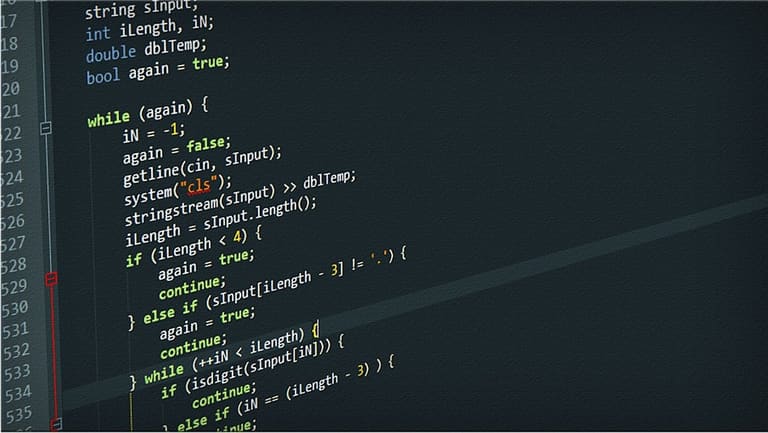
Refactoring–இல், code–இன் function–ஐ மாற்றாமல் structure–ஐ cleanup–செய்யும். Success–ஐ அதிகப்படுத்த சில golden rules–ஐ பின்பற்ற வேண்டும். முரணாகச் செய்யின், code–இன் complexity–ஐ fix–ஆ, bug–ஐ random–ஆ invite–செய்யும்.
Refactoring–க்கு முன்னே, code–இன் logic–ஐ total–ஆ study–ஆ, test–ஐ தலைவராக இருக்கு வேண்டும். Comprehensive tests– குறைந்த refactoring–இலிச் change–இனில், existing function–ஐ disturb செய்யாது என்பதில் அனுமானம். Unit/integration/system test–இல் மொத்தம் verify.
| சிறந்த நடைமுறை | விளக்கம் | நன்மைகள் |
|---|---|---|
| Small Steps | Refactoring process–ஐ micro steps–இல் split. | Bug risk drop, track changes. |
| Continuous Testing | Every step–ஐ test–இல் verify. | Early bug detection, safe refactoring. |
| Code Review | Refactoring–க்கு பிறகு, code–ஐ peer review–ஆ செய்யும். | Quality assurance, problem exposure. |
| Version Control | Versioned refactoring–ஐ commit–ஆ, track–ஆ. | Rollback–ஆ.எளிது, collaboration easy. |
Refactoring–இல், each step–இன் clear goal–ஐ specify–ஆ, aim–ஆ readability uplift, simplify logic & boost performance–ருக்க வேண்டும். Random refactoring–இல் no real gain; plan–ஆத refactoring–இல் only benefit possible.
Refactoring Tips
- Existing tests–ஐ prior–ஆ எழுதி run செய்து, code–இன் status–ஐ ensure செய்யவும்.
- Small, meaningful steps–இல் proceed–ஆ, each step–இல் tests–ஐ run செய்யவும்.
- Team–இல் code–ஐ feedback–ஆ share செய்யவும்.
- Version control–இல் all refactoring track–ஆ, manage–ஆ.
- Complex logic–ஐ clean/readable–ஆ ஆனவைப் பெறவும்.
- Redundant/repeated code–ஐ remove செய்யவும்.
Refactoring–ஐ constant improvement–ஆ conceive செய்ய வேண்டும். It’s not a once-off cure, but ongoing—adapting as the codebase grows and evolves. Periodic refactoring–இல், code–ஐ update/readable/sustain–ஆ maintain–ஆ உருவாக்கலாம். Success recipe for long-lived software.
Refactoring–க்கான கருவிகள்: எதை பயன்படுத்தலாம்?
Proper refactoring tools–இல் productivity uplift, bugs minimize–ஆ செய்யும். Market–இல் plenty of refactoring tools, with special pros/cons. Tools–இல் code analyze–ஆ, spot issues–ஆ, auto refactor–ஆ, code quality boost–ஆ developer–இற்கு support–ஆ. Tool selection– project scale, language, environment, team skill–உடன் fit செய்ய வேண்டும்.
Refactoring tools–இல் normally manual work–ஐ auto–ஆ செய்க, eg: variable renaming, method moving, simplifying conditions etc. Tools–இல் code consistency protect & bug prevent–ஆ support. Still, auto refactoring–இல் check–ஆ, manual review–ஆ என்ற பண்பாட்டை தவிர்க்கிறதால் change–ஐ accept–ஆ, reject–ஆ செய்யவில்லை. Always test carefully.
| Tool Name | Supported Languages | Features |
|---|---|---|
| JetBrains IntelliJ IDEA | Java, Kotlin, Scala, Groovy | Advanced code analysis, automatic refactoring, code completion |
| Eclipse | Java, C++, Python, PHP | Plug-in based, auto refactoring, code formatting |
| Visual Studio | C#, VB.NET, C++ | Integrated dev environment, auto refactoring, debugging |
| Resharper | C#, VB.NET | Deep code analysis, quick fixes, automatic refactoring |
Tool selection–இல், language support, integration apt, usability, cost–all criteria–ஐ judge செய்ய வேண்டும். Tools–இன் offering– project need–உடன் fit செய்ய வேண்டும் (big/complex–ஆ ஆகியும் advanced refactor tool–இல் go செய்யப்பட்டு small/straightforward–ஆ basic editor suffice). Right tool–இற்கான choice–ஐ மறக்கவே கூடாது: project success–இல் key player.
Refactoring tools–இன் role–ஒன்றாக auxiliary; mind/logic–இல் real design–ஐ uplift–ஆ human factor–ஐ ever-important–ஆ. Tools–ஐ quicken–ஆ, expedite–ஆ, but final decision team–இனால்; so tools–ஐ judicious–ஆ, context–இல் use–ஆ, aim–ஆ recognize–ஆ; tests–ஐ run செய்து, effect–ஐ validate செய்யவும்.
Popular Refactoring Tools
- JetBrains IntelliJ IDEA
- Eclipse IDE
- Microsoft Visual Studio
- Resharper
- NetBeans
- PyCharm
Refactoring–இற்கான மென்பொருள் வளர்ச்சி பணிகள்
Refactoring–இல், code function–ஐ unaffected–ஆ structure–ஐ நன்மை செய்யும் process–இல். Development–இன் lifecyle–இல் compulsory element–ஆ, readable, maintainable, scalable codebase–ஐ guarantee செய்யும். Proper refactoring practices– code quality–ஐ boost–ஆ, dev speed up, team effectiveness–ஐ raise–ஆ செய்யும்.
Success lies in well-organized steps–இல்; normally, code review–ஐ, smell detect–ஐ, test–ஐ, refactor steps–ஐ carefully implement–ஆ. Each step–இல் meticulous planning–ஐ missing–ஆ pitfalls–ஐ easy invite–ஆ.
| Step | விளக்கம் | முக்கியம் |
|---|---|---|
| Analysis | Code review & improvement spots–ஐ pinpoint. | Spot code smells, measure complexity. |
| Planning | Refactoring plan–ஐ strategy–ஆ, priority–ஆ arrange. | Risk assessment, schedule layout. |
| Test Writing | Test coverage–ஐ write–ஆ refactoring zone–இலிச். | Unit/integration tests–இல் implement. |
| Implementation | Refactor–ஐ carry out & improvement apply. | Small changes, periodic testing. |
Refactoring–இல் TDD principle–ஐ strictly follow–ஆ. Testing–இல், refactoring–இல் action–ஐ unaffected–ஆ challenge–ஆ. Refactoring–க்கு முன்னே necessay test–ஐ write செய்ய வேண்டும்.
Test பணிகள்
Testing–இல், refactoring–இன் backbone. Refactoring–க்கு முன்னே, full test suite–ஐ ready–படுத்த வேண்டும். Test–கள் regression–ஐ spot, refactoring–இல் impact–ஐ identity. Unit test–இல் micro verify, integration test–இல் modules–ஐ cross check, system test–இல் total validation.
Consistent test writing/execution–இல் safe refactoring–அcredit.
Implementation steps
- Code review & improvement spot identification.
- Refactoring plan–ஐ strategize, prioritize.
- Test coverage–ஐ write.
- Small refactoring steps–இல் execute.
- Every step–இல் test–ஐ run, ensure success.
- Repeat–ஆ refactoring as required.
DevOps Integration
DevOps–இல் refactoring–ஐ integrate–ஆ faster, automated dev/deploy–ஐ possible–ஆ. DevOps–இல் dev/ops teams–இல் collaboration boost–ஆ. DevOps–இல் refactoring–ஐ include–ஆ, CI/CD–ஐ enable–ஆ, updates–ஐ quick, reliable deliver–ஆ teamwork–ஆ.
CI/CD pipeline–இல், every code change–இல் tests–ஐ auto–ஆ run–ஆ refactoring–இலிச் validate–ஆ. Early error detect–ஆ, production–ஆ bug reach–ஐ eliminate–ஆ. DevOps tools–இல் refactoring tracking/reporting–ஐ team–இல் improvement measure–ஆ, optimize–ஆ.
DevOps–இல் refactoring integration–ஆ, fast market adaptations/customer demands–ஐ fulfill–ஆ, competitive edge–ஐ enable–ஆ teamwork–ஆ.
Refactoring–இன் திட்ட முகாமில் தாக்கம்
Refactoring–இன் direct/indirect project management impact–ஐ core–ஆ. Refactoring–இன் cleaned code–இல் maintainable, readable, easy–ஆ future update–ஆ, project scope–இல் optimize செய்யும். Proper refactoring–இல் delivery, expense, productivity–அcredit.
Understand refactoring impact–இல், multiple improvement areas–இல் code readability uplift–ஆ, new dev onboarding–ஐ fast–ஆ; easy bug tracking–ஆ, release risk–ஐ minimize–ஆ, test short–ஆ. Manager–இன் project–ஐ predictable/control செய்யிற்றற்கு refactoring–ஆ வெற்றி.
Refactoring Benefits
- Readability uplift.
- Debugging accelerate.
- New feature integration ease.
- Technical debt drop.
- Team productivity boost.
- Long-lived software assurance.
Below table, refactoring–இன் project management metrics–இல் impact–ஐ showcase செய்யும்:
| Metric | Before Refactoring | After Refactoring | Explanation |
|---|---|---|---|
| Bug rate | High | Low | Complex code prone to errors. Refactoring reduces bugs. |
| Development time | Long | Short | Readable code — faster new feature addition. |
| Maintenance cost | High | Low | Tough maintenance pre-refactor; easier post-refactor. |
| Team productivity | Low | High | Simple code enables productive teamwork. |
Refactoring maximize–ஆ project–இன் management impact–ஐ plan–ஆ, integrate continuous integration/automated tests–ஐ வெகு படி. When/where refactoring–ஐ conduct–ஆ informed decision அவசியம்; wrong refactoring–இல் disaster.
முடிவு: Refactoring மூலம் முற்பட்ட தர உயர்வு
Refactoring–ஐ development–இன் permanent part–ஆ regard செய்ய வேண்டும். Constant code cleanup/update–இல் project–இன் lifetime, sustainability–இற்கு insurance. Refactoring raises readability, future features–ஐ expedite–ஆ, bug risk minimize–ஆ; overall quality boost guaranteed.
Especially for large/complex apps, refactoring critical role–இல் technical debt erase–ஆ, team–இன் efficiency elevate–ஆ, performance/resources optimize–ஆ. Below table refactoring–இன் contribution–ஐ summarize–ஆ:
| Field | Before Refactoring | After Refactoring |
|---|---|---|
| Code quality | Poor, confusing, unreadable | High, simple, readable |
| Maintenance ease | Hard, slow | Easy, fast |
| Bug rate | High | Low |
| Feature addition | Difficult, risky | Easy, safe |
Success–ஆ refactoring–ஐ follow–ஆ, key points–ஐ careful–ஆ beachten:
- Test insurance: Full test suite before & after refactoring.
- Small steps: Avoid large changes, go in controlled steps.
- Continuous integration: Frequent commit, merge, test in codebase.
- Spot code smells: Identify refactoring needs early.
- Team collaboration: Refactoring–ஐ team–உடன் coordinate–ஆ.
Refactoring–ஐ routine, right tools–இல் implement–செய்யும் code quality up, maintain easy, bug drop, feature fast add–ஆ; project success/sustainability assure. Refactoring should be considered not just fix–ஆ, but continuous learning/improvement–ஆ.
அடிக்கடி கேட்கப்படும் கேள்விகள்
Refactoring என்றால் என்ன? ஏன் project–க்கு அவர்கள் அவசியம்?
Refactoring என்பது code–இன் behavior–ஐ மாற்றாமல், readability, maintainability, performance–ஐ uplift–ஆ. Project–இற்கு necessity; technical debt reduce–ஆ, code–ஐ better understandable–ஆ, feature fast–ஆ, bug low–ஆ.
Refactoring–இல் என்ன கட்டுப்பாடுகள் அவசியம்?
Small steps–இல் proceed–ஆ, each step–இல் code–ஐ test–ஆ; design principles–இதில் SOLID, DRY, YAGNI follow–ஆ. Focus– readability, modularity, flexibility uplift–ஆ. Version control–இல் changes–ஐ backup–ஆ.
Code smells–ஐ எப்போது detect செய்ய வேண்டும்?
Long methods, huge classes, duplicated codes, excess parameters, switch/case overload, complex conditionals — all signal code smell/refactoring need. Unmanageable code–இல் smell detect–ஆ early necessary.
Refactoring–இல் common mistakes & escape–ஆ எப்படி?
Test–இல் neglect, all-in-one big changes, poor planning, code–இன் understanding–ஐ ignore. Escape–ஆ, break–ஆ, test–ஐ every step–இல் run–ஆ, code–இன் work–ஐ clear understand–ஆ plan–ஆ proceed–ஆ.
Refactoring–ஐ efficient–ஆ செய்ய practical tips?
Code status–ஐ first–ஆ analyze–ஆ; small steps–இல், each step–இல் test–ஐ verify–ஆ; auto refactoring tools–ஐ use–ஆ; code review–ஐ feedback–ஆ; refactoring–ஐ continuous process–ஆ adopt–ஆ.
Refactoring–ஐ accelerate–ஆ supportive tools?
Many tools: IDE–கள் auto refactoring (rename, extract method, extract class); SonarQube–ஆ static code analysis–இல் smell detection/refactoring suggestions–ஐ offers.
Refactoring–ஐ project dev–இல் adopt–ஆ எப்படி? Agile–இல் refactoring practice?
Every sprint–இல் refactoring time–ஐ reserve–ஆ; technical debt reduce–ஆ regularly refactoring plan–இல். Agile–இல், refactoring each iteration–இற்கு built-in, new feature develop–ஆ, code uplift–ஆ target–ஆ.
Refactoring–இன் project management/schedule–இல் impact?
Initial–ஆ refactoring project slow–ஆ; but long-term, management easier–ஆ. Readable/maintainable code–இல், feature fast add, bug avoid, productive teamwork. Project time/budget–இல் benefit–ஆ.