 Afrikaans
 Azərbaycan
 Bosanski
 Čeština
 Dansk
Dansk Deutsch
 English
 Español
 Filipino
 Français
 Hrvatski
 Indonesia
 Italiano
 Magyar
 Melayu
 Nederlands
 Norsk
Norsk Oʻzbek
 Polski
 Português
 Română
 Slovenčina
 Slovenščina
 Suomi
Suomi Svenska
 Tiếng Việt
 Türkçe
 Ελληνικά
 Беларуская
 Български
 Русский
 Српски
 Українська
 עברית
עברית اردو
اردو العربية
 پښتو
پښتو فارسی
فارسی አማርኛ
አማርኛ मराठी
मराठी বাংলা
বাংলা தமிழ்
தமிழ் ไทย
ไทย မြန်မာ
 한국어
한국어 中文
中文 日本語
日本語

இந்த வலைப்பதிவு கட்டுரையில், நவீன அடையாளம் விசாரணைக்கு பயன்படுத்தப்படும் புகழ்பெற்ற முறைகள் முறைகளில் ஒன்றான OAuth 2.0 பற்றி விரிவாக பகிரப்படுகின்றது. OAuth 2.0 என்றால் என்ன, ஏன் அது அவசியம், ஆவணப்படுத்தும் இப்போதைய Identity பயன்முறைகளின் அடிப்படைகள், JWT (JSON Web Token) பற்றிய விளக்கம், அதன் செயல்பாடு, OAuth 2.0 மற்றும் JWT இடையிலான வித்தியாசம் ஆகிய எல்லாம் பற்றிய விவாதங்கள் வழங்கப்படுகின்றன. OAuth 2.0-இல் அடையாளம் விசாரணையை எப்படிச் செய்யலாம், JWT பயன்படுத்துவதின் பலன்கள், பாதுகாப்பு நடவடிக்கைகள், கவனிக்க வேண்டிய அம்சங்கள், செயல்பாட்டு உதாரணங்கள், சிறந்த நடைமுறைகள் – இவை எல்லாவற்றையும் ஒருங்கிணைக்கிற ஒரு முழுமையான வழிகாட்டி இங்கே கொடுக்கப்பட்டுள்ளது. இனி வரும் காலத்தில் இந்த Identity Verification தொழில்நுட்பத்தின் ஊடாக ஏற்படும் புதிய சிந்தனைகள் பற்றிய முன்னுரைகளும் இடம்பெறுகின்றன.
OAuth 2.0 என்றால் என்ன? ஏன் அவசியம்?
OAuth 2.0 என்பது இணைய பயன்பாடுகளில், பயனர் தனது கடவுச்சொல் பகிராமல், மூன்றாம் தரப்பு பயன்பாடுகளுக்கு குறிப்பிட்ட privileges இனை authorization செய்யும் அங்கீகாரம் முறையாகும். இதன் மூலம், password-ஐ பகிரும் அபாயம் இல்லாமல், app-கள் அவசியமான resource-களுக்கு மட்டும் access பெற வாய்ப்பு கிடைக்கும். இது ஒரு தரமான பாதுகாப்புக்குத் தாத்தீடு நல்குகிறது. Web, mobile பயன்பாடுகள் வெகுவாக பரவி வரும் நிலையில், OAuth 2.0 என்பது நம்பகமான, பொதுவான authorization platform ஆகும்.
இந்த protocol-ன் முக்கியத்துவம் பாதுகாப்பும், அன்வைகமும். பாரம்பரிய ரூபத்தில் password-ஐ நேரடியாகச் share செய்ய வேண்டிய இடத்தில் இப்போது OAuth 2.0, risk-ஐ குறைத்து – authorization server வழியாக access-ஐ control செய்யும். பயனர் எந்த app எந்த resource-க்கு access வேண்டும் என்று தீர்மானிக்கலாம். அவன் privacy பாதுகாப்பும், app-களுக்குத் தேவையான privilege-வும் நன்கு வழங்கலாம்.
முக்கிய அம்சங்கள்
- பாதுகாப்பு: கடவுச்சொல்லை உடனடியாக பகிராமல் பாதுகாப்பு.
- அன்வைகம்: பல platform-களுக்கும் இதனை adaptation செய்யலாம்.
- பயனர் கட்டுப்பாடு: எந்த app எதை access செய்யும் – decision user கையில்.
- இணக்கமான standardisation: உலகளாவிய acceptance-உம், protocol ன் பொதுவான பயனும்.
- டி.யஸ் integration: apps-களில் authorization handle செய்ய எளிதாகிறது.
OAuth 2.0, பயனர்களுக்கு மட்டுமல்ல, developers-க்கு கூட விசுவாசமான standard interface வழங்குகிறது. Developers authorization handling-ஐவிட, புரவலமான API-களை பயன்படுத்த விரைவாகவும் பாதுகாப்பாகவும் application-ஐ publish செய்ய முடியும். இவர் விருப்பத்திற்கேற்ப, protocol-ஐ விரிவாக்கிக் கொண்டு, தனிப்பட்ட தேவைகளை பூர்த்தி செய்யும் solution-களை உருவாக்கலாம்.
| Protocol | விளக்கம் | நலன்கள் |
|---|---|---|
| OAuth 1.0 | முன்னைய version, முறைசார் மற்றும் complex. | மிக உயர்ந்த பாதுகாப்பு, ஆனால் integration கஷ்டம். |
| OAuth 2.0 | நவீன, உலகமுழுவதும் நன்கு பயன்படும் version. | சிறப்பு, adaptation, user-friendly. |
| SAML | Enterprise apps-க்கு identity authentication. | Centralised identity management. |
| OpenID Connect | OAuth 2.0-ன் மேல் identity validation layer. | Identity இருபுறமும் standard delivery. |
OAuth 2.0 என்பது, Web மற்றும் mobile apps-க்கு பாதுகாப்பாக authorization-ஐ வழங்கும் மிக முக்கிய protocol. இப்போது user வேறு app-க்கு verified access privilege-ஐ வழங்க முடியும். அதே சமயம், developer பரிமாணங்களில் இது சிறந்த productivity-ஐ நல்குகிறது. Digital Era-வில் இத்தகைய protocol-ஐ சரிவர புரிந்து, பாதுகாப்பாக வழங்குவது developer-களுக்கும் user-களுக்கும் அவசியமானது.
நவீன அடையாளம் விசாரணையின் அடிப்படைகள்
இப்போது Web மற்றும் mobile app-கள் பரவலாக பயன்பாட்டில் உள்ளதால், user-ஐ நம்பிக்கையுடன் authenticate செய்யும் நவீன Identity Verification முறைகள் அவசியமானவை. உயர்ந்த usability-ஐ வழங்கும் பதற்றம், பாதுகாப்பை எனவும், OAuth 2.0 மற்றும் JWT போன்ற technologies இதில் முதன்மை நிலையில் உள்ளன. இந்த protocol-கள், multisystem access-இல் seamless user experience-ஐ வழங்குகின்றன.
பாரம்பரிய முறையில் user/password combo க்கு இப்போது பல பாதுகாப்பு சாஸ்திரம் உள்ளது. User-கள் பல web/mobile platform-களுக்கு வெவ்வேறு password-ஐ பராமரிக்க வேண்டுமா, தாக்குதலாளர்களிடம் password களெடுக்கப்படுமா என்ற risk உள்ளது. புதிய authentication முறைகள் அதனைப் பரிசோதித்து, authorization-ஐ நேர்த்தியாக control செய்ய modern approach வழங்குகின்றன.
| Authentication நடைமுறை | நன்மைகள் | பாதுகாப்பு குறைகள் |
|---|---|---|
| பாரம்பரிய (username/password) | Easy to use, popularity | Risk, poor usability, attack prone |
| OAuth 2.0 | Secure authorization, centralised auth | Complex configuration, resource heavy |
| JWT (JSON Web Token) | Stateless authentication, easy scalability | Token management issues |
| Multi-factor Authentication (MFA) | High security, advanced protection | Extra step, compatibility barrier |
நவீன authentication-இல், சமூக மீடியா மூலம் login, OTP/email மூலம் code validation, biometric verification ஆகிய பல வாயிலுகள் உள்ளன. OAuth 2.0 இவற்றை support செய்யும் வடிவில் இப்போது app-கள் authorization-யை better usability-ஐ வழங்கித்தோடும். JWT technology-யும் authorization data-ஐ safely transfer செய்ய நவீன solution அளிக்கிறது.
Better authentication-க்கு, பாதுகாப்பு, usability combo ஆக கீழ்வரும் காலத்திட்டங்களில் implement செய்ய பரிந்துரைக்கப்படுகிறது:
- பாதுகாப்பு தேவைகள்: Risk analysis செய்யவும்.
- நடமுறை protocol select செய்யவும்: OAuth 2.0, OpenID Connect ஆகியவற்றில் relevant-ஐ தேர்வு செய்யவும்.
- JWT integration: Tokens மூலம் security validate செய்யவும்.
- MFA Enable: Extra security layer-ஐ இணைக்கவும்.
- Security audits: Regular vulnerability inspection செய்யவும்.
- User training: Users security best practices-ஐ அறிய வேண்டும்.
நவீன authentication systems, Web/mobile ஆப்ஸ்களுக்கு வெளியிடத்துக்கான must-have. OAuth 2.0, JWT போன்ற protocol-கள் user authorization-ஐ பாதுகாப்பாகக் கொண்டு செல்லும் திறன் கொண்டவை. அவற்றின் integration process, user experience-ஐ மேம்படுத்தும், security risk-ஐ குறைக்கும். எனவே, developers/systems administrators அவற்றை சரிவர புரிந்துகொண்டும், best practices-ஐ பயன்படுத்த வேண்டும்.
JWT என்பது என்ன, எப்படி வேலை செய்கிறது?
OAuth 2.0 process-களில் JWT (JSON Web Token) என்பது முக்கிய பதிப்பாகும். JWT என்பது authentication data-ஐ digital signature-ஐ கொண்டு validate செய்யும் JSON format-ஐயும். இது easy portability-ஐ கொண்டது மற்றும் security integrity-ஐ மட்டுமல்ல, flexibility-ஐயும் வழங்குகிறது.
JWT எந்த structure?
- Header (பதிவு): Token type/Signature algorithm பற்றி கூறுகிறது.
- Payload: User info போன்று claims-ஐ data இல் வைத்திருக்கும்.
- Signature (அங்கீகாரம்): Header மற்றும் Payload-ஐ secret key-ஊடாக signed.
இதில் digital signature-ன் protection எந்த unauthorized modification-ஐ prevent செய்யும்.
JWT நன்மைகள்
- Simple/Portable: JSON format-ல் மற்றும் multi-platform interoperability.
- Stateless: Server-side session persistence-இல் dependency இல்லை.
- Protection: Signature-ஊடாக security insurance.
- Usage Diversity: Authentication, authorization, info transfer.
- Standardised: Most languages/tools support.
JWT process எப்படி?
User login req (username/password) server-க்கு. Validate பின் JWT token-ஐ issue. User subsequent requests-இல் JWT attach செய்து server-க்கு தெரிவிக்கிறார். Server JWT-ஐ verify செய்து access grant/policy handle செய்யும்.
| அம்சம் | விளக்கம் | உள்ளடக்கம் |
|---|---|---|
| Header | Token type/Signature algorithm | {alg: HS256, typ: JWT} |
| Payload | User-specific claims/details | {sub: 1234567890, name: John Doe, iat: 1516239022} |
| Signature | Header + Payload-ஐ signed hashed. | HMACSHA256(base64UrlEncode(header)+.+base64UrlEncode(payload), secret) |
| Usage | Common JWT scenarios | Authentication, authorization, API gateway control |
OAuth 2.0-ஊடாக JWT பயன்படுத்தும் போது, Modern stateless authentication-க்கு foundation-ஐ வழங்குகிறது. Digital signature integrity-ஊடாக security maximize செய்யும். அவனுடைய popularity, versatility-ஐயும் server scalability-ஐயும் ஊக்குவிக்கிறது.
OAuth 2.0 மற்றும் JWT இடையிலான வேறுபாடுகள்
PHP-ல், OAuth 2.0 மற்றும் JWT protocol-கள் நிறைய தடம் overlap செய்வதில் இருந்தாலும், அவை போதுமான வகையில் தனித்துவம் கொண்டவை. OAuth 2.0 என்பது authorization protocol; JWT என்பது information validation/token format. Protocol Vs format, authorization Vs authentication என்பதே இவை இடையே பெரும் வித்தியாசம்.
OAuth 2.0 process, access privilege-ஐ delegation செய்ய third-party resource-க்கு. JWT-ன் purpose, access/identity data-ஐ securely transfer validation-ஊடாக safety-ஐ உறுதி செய்வது. Digital signature-ஊடாக manipulation prevent செய்யலாம். ஏற்கனவே access privilege OAuth 2.0-இல் வழங்கப்பட்டால், JWT அதனை token-ல் encapsulate செய்யிறது.
| அம்சம் | OAuth 2.0 | JWT |
|---|---|---|
| Purpose | Authorization | Secure Data Transfer |
| Type | Protocol | Token Format |
| Usage | Delegating resource access | Authentication/Privileges in token |
| Security | Access token validation | Signature integrity |
குறிப்பு: OAuth 2.0 என்பது resource permission-க்கு gate-keeper; JWT என்பது access card. Integration process அதனை seamless-ஆக security யும் usability-யும் வழங்குகிறது.
Real-world secure implementation, protocol configuration correcta; token security-யும் relevant cryptographic algorithm-ன்கு. Best practices-ஊடாக exploitation minimize செய்யும்.
OAuth 2.0 உடன் அடையாளம் விசாரணை செயல்முறை – எப்படி நிர்வகிப்பது?
வேறுபட்ட Web/mobile apps-இல், OAuth 2.0 authorization framework-ஐ பயன்படுத்தும் போது, password இல்லாமல் third-party app-களுக்கு user privilege-ஐ securely delegate செய்யலாம். Privacy, usability, security combo-உம் இதில் fundamental advantage. Structured process-ஐ developers design செய்ய security guaranteed authorization flow-ஐ அளிக்கின்றது.
Procedure:
App authorization server-க்கு authorization req-ஐ அனுப்பும். User authorization server-இல் login செய்ய permissions-ஐ grant செய்யும். App requested resource-க்கு access token-ஐ பெறும்.
OAuth 2.0 actors-ன் roles:
| Actors | விளக்கம் | பொறுப்புகள் |
|---|---|---|
| Resource Owner | User | Access permission grant |
| Client | Application | Access request submission |
| Authorization Server | Identity validation/authorization provider | Token issue |
| Resource Server | Store resource data | Token validation/access fulfillment |
Access token-ஃ security critical. Access token-ஐ authorization server generate செய்து, apps resource server-கு access-ஐ facilitate செய்யும்.
ஆப்ஸ் அனுமதி முயற்சி
User-க்கு எந்த app resource access வேண்டும் – explicit consent உண்டாக்கும். OAuth 2.0 இதனை visualise செய்து, user-ஐ informed manner-இல் consent செய்ய செய்கின்றது. Privacy protection, unwanted access restriction.
Identity Verification Steps
- App authorization server-க்கு authorization request.
- User authorization server-இல் login.
- User app-க்கு தேவையான permissions-ஐ grant.
- Authorization server access token-ஐ issue.
- App access token-ஊடாக resource server-ஐ access செய்யும்.
- Resource server token validate செய்து, resource provide.
Structured flow-ஊடாக, security tailor, usability enhanced authorization-flow available.
பயனர் அடையாளம் விசாரணை
User identity verification – OAuth 2.0 process-ஈனில் vital step. Authorization server-ஃ user data validate செய்து, authorization அளிக்கின்றது. Unauthorized access prevention, data protection என்பது இந்த step-இன் ஆதாரமாகும்.
Implementation time-இல், access token security, authorization server firewalling, user permission micro-management; இவை எல்லாம் exploitation-ஐ reduce செய்யவேண்டும்.
JWT பயன்பாட்டின் புதிய நலன்கள்
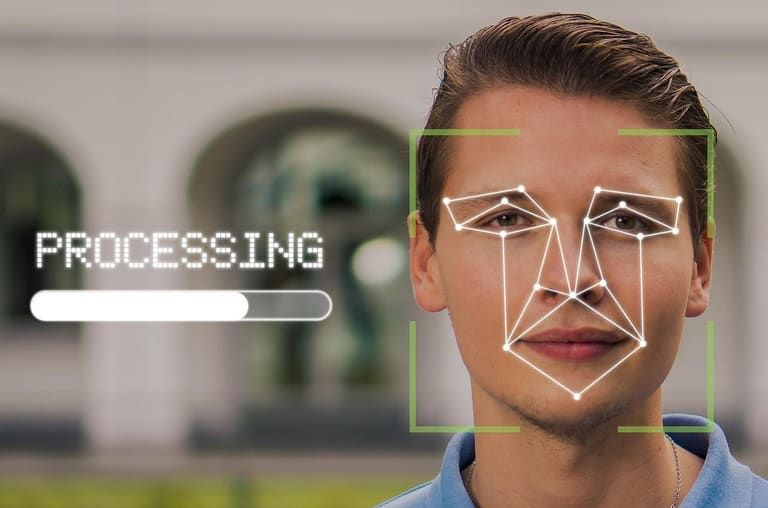
OAuth 2.0 மற்றும் JWT சேர்த்து பயன்படுத்தும் போது, web/mobile apps-க்கு protection, scalability, usability ஆகியவற்றை வழங்குகிறது. JWT-யின் advantage statelessness – server-side session store செய்யவேண்டாம், scalability கிடைக்கும், performance boost ஆகும்.
முக்கிய நன்மைகள்
- சிறந்த scalability: Server-side session இடமில்லை.
- Performance: DB hits குறைத்து app speed அதிகரிக்கும்.
- Protection: Digital signature integrity maintained – tampering prevented.
- Portability: Multi-platform, multi-language utilisation possible.
- Simplicity: Easy parse JSON structure.
Comparison table:
| அம்சம் | JWT | பெரும்பதிரைய session management |
|---|---|---|
| State | Stateless | Stateful |
| Scalability | High | Low |
| செயல்திறன் | High | Low |
| Security | Advanced (Digital signature) | Basic (Cookies only) |
JWT-யின் digital signature protection – access token expiration, theft risk reduction பற்றிய security layer-ஐச் சேர்க்கிறது. OAuth 2.0 integration-ஐ security validate & efficient authorization-க்கு foundation-ஐ வழங்குகிறது.
OAuth 2.0 பாதுகாப்பு மற்றும் கவனிக்க வேண்டியவை
OAuth 2.0 powerful authorization framework ஆகும்; ஆனால் misconfiguration/exploitation-ஐ சாத்தியமாக்கும் vulnerabilities அவசியமாக கவனிக்க வேண்டும். Wrong implementation-ஐ data-leak/access risk ஆகும். Hence, security-first approach தேவை.
| Security measure | விளக்கம் | முக்கியத்துவம் |
|---|---|---|
| HTTPS deployment | Man-in-the-middle attack prevention | Very high |
| Token encryption | Safe token storage/transfer | Very high |
| Scope micro-management | Minimum resource access for apps | நடுத்தரம் |
| CSRF protection | Cross-site request forgery, open redirect prevention | Very high |
உத்தரவாத security steps
- HTTPS must: Always encrypted communication between client/server/auth-server.
- Token safe storage: Access/refresh tokens encrypted & firewall-protected.
- Scopes restricted: Apps requested minimum permissions only.
- CSRF Prevent: State parameter, CSRF tokens implemented.
- Short token expiry: Access tokens must expire quickly.
- Authorization server patch/update: Frequent security update/check – ex: IdentityServer4, Keycloak.
Security maintenance continuous process; developer/security teams ஆன்ட்ரட்க் vulnerability, periodic security audit, user awareness program – இதெல்லாம் protocol security-ஐ upheld செய்ய help செய்யும்.
OAuth 2.0 செயமுறை உதாரணங்கள்
தனித்துவமான apps-க்களில் OAuth 2.0 implementation ஈமுக்கான security scenarios-ஐ சரிவர புரிதல் அவசியமானது. எனவே, தடம் பிரிந்த authorization flows-ஐ table-இல்:
| Authorization type | விளக்கம் | சாதாரண scenario | Security concerns |
|---|---|---|---|
| Authorization Code | Post-user consent, code exchanged for token | Web server apps, backend apps | Token not exposed to client; safest |
| Implicit | Direct token issue by auth server | SPA (single-page apps), JS client apps | High risk; no refresh token |
| Resource Owner Password | User directly submits credentials to app | Legacy/trusted apps | Password exposure risk |
| Client Credentials | App-based access privilege | Server-to-server communication, background processing | Own resource only |
Each app-type specific security pitfalls-ஐ பதற்றமாக awareness-ஐ உருவாக்க scrambling must. Mobile/web apps-இல் token storage/access – different challenge; PKCE (Proof Key for Code Exchange) usage especially in mobile apps.
Web Apps பயன்
Web apps-இல், Authorization code flow usage – user authorization server-க்கு redirect, permission grant, app token exchange. Server-side token issue safer than client-side.
மொபைல் Apps பயன்
Mobile apps authorization; PKCE (Proof Key for Code Exchange) security layer essential – token access/stealing minimize செய்ய mobile-special flow, tighter security must.
நவீன அடையாளம் விசாரணைக்கு சிறந்த நடைமுறைகள்
நவீன identity verification systems, OAuth 2.0/JWT-இன் சந்தாதிய மேம்பாடு security/usability combo-ஐ வழங்குகிறது. Yet, best-practices முக்கியம்:
| Best Practice | விளக்கம் | முக்கியத்துவம் |
|---|---|---|
| Token duration minimize | JWT tokens expire quick | Theft risk minimised |
| Refresh token deployment | Long sessions with refresh token | Usability+security combo |
| HTTPS Must | Full-channel encryption | Attack prevention |
| Scope management | Granular permissions only | Unauthorized access blocked |
Security continuous improvement:
- Optimize token duration: Frequent expiry, use refresh tokens
- HTTPS compulsory: Assume insecure channel unless encrypted
- MFA/2FA enable: Extra security
- Scope micro-management: Only minimum privilege
- Regular security audit: System update + security testing
- Latest libraries: Up-to-date frameworks/SDK பயன்
User experience must remain seamless; SSO, social-login, user-friendly flow deployed. Continuous innovation in identity verification must be tracked; system/admin awareness critical.
முடிவு மற்றும் எதிர்கால மாற்றங்கள்
இந்த பதிவில் OAuth 2.0 மற்றும் JWT modern identity verification systems-இல் என்ன பதற்றமும், மாற்றமும் வழங்குகின்றன என்ற கேள்விக்கு விடை பதிநின்றது. OAuth 2.0 authorization-ஐ seamless-ஆக simplifying; JWT identity info-ஐ secure-ஆக encapsulate – dual protection பருமார். Developer/system admin சிறந்த user experience-ஐ வழங்க security risk-ஐ குறைக்க, இந்த protocol உள்வாங்க வேண்டும்.
| அம்சம் | OAuth 2.0 | JWT |
|---|---|---|
| Purpose | Authorization/delegation | Authentication + info transfer |
| Mechanism | Token issue by auth server | Signed, encrypted info transmission |
| Application | Third-party resource access enable | API security/session management |
| Security | HTTPS, token validity handling | Digital signature/encryption |
Action-guidelines
- Learn OAuth 2.0/JWT basics: Relevant resources read, process conceptualise.
- Security first: HTTPS, secured token handling, periodic security checks.
- Use frameworks/libraries: Integrate tested SDKs for OAuth/JWT.
- Test environment: Before production, simulate flows, break/fix vulnerabilities.
- Stay updated: Track latest updates/security patches protocol/tools.
உருவாகும் Id verification tech-ல், decentralized identity, blockchain, biometrics, AI-driven security – upcoming trends. Risk-adaptive authentication, FIDO standards, Zero-knowledge proof technologies, behavior analysis – all new angles that must be watched. Developer-கள் security evolution-ஐ உறுதி செய்ய updates-ஐ monitor செய்யவேண்டும்.
ஒருபோதும் OAuth 2.0/JWT எனப்படுவது tool போல்; அதன் application security-யும் developer-களின் கைப்பொறுப்பும். Security best-practices-ஐ அன்வைப்பது மட்டுமே attack, exploitation, data-loss ஆகியோர்க்கு தடுப்பு.
அடிக்கடி கேட்கப்பட்ட கேள்விகள்
OAuth 2.0 –அதன் முக்கிய நோக்கம், எந்த சிக்கல்களுக்கு தீர்வு?
OAuth 2.0 user password/credentials இல்லாமல் third-party apps-க்கு resource access-ஐ security delegate செய்யும் authorization framework. User-privilege delegation, privacy preservation, password sharing withdrawl – best outcome.
JWT structure – இதலுள்ள details, அது எப்படி validate செய்யப்படும்?
JWT structure: header, payload, signature. Header – token type/crypto algo; payload – claims/user data; signature – secret key-ஊடாக signed, server-side verification – correct signature-ா validate.
OAuth 2.0 + JWT combo – இவற்றால் கிடைக்கும் நன்மைகள், combo எந்த scenario-இல் சம்பந்தப் படும்?
OAuth 2.0 – authorization; JWT – authentication/data transmission. Combo-ஐ API security, microservice architecture, distributed systems-இல் seamless privilege validation-க்கு; API access authorization JWT format-இல் encapsulate செய்யலாம்.
OAuth 2.0 flows (Authorization Code, Implicit, Resource Owner Password, Client Credentials) – என்ன வித்தியாசம், எப்போது எது பயன்படுத்த வேண்டும்?
Authorization Code – safest, backend apps-க்கு; Implicit – SPA type client-க்கு; Owner Password – legacy/trusted apps; Client Credentials – app-to-app/server-to-server. Usage context security needs-ஐ rootை.
JWT expiry/time handling; expired JWT-க்கு system என்ன செய்யவேண்டும்?
'exp' tag-ஊடாக expiry; expired JWT-க்கு error message – refresh token usage retry; refresh token expiry-க்கு user re-login compulsory.
OAuth 2.0 integration security gaps – எதை கவனிக்க வேண்டும், பாதுகாப்பு உத்தரவு?
CSRF, Open Redirect, token stealing — common risks. State parameter, redirect whitelist, secured HTTPS, short-lived tokens, login attempt restrict, MFA usage – all must deployed.
OAuth 2.0/JWT integration library/tools – எந்தப் பயன்பாடுகள் உள்ளது, அதன் நோக்கம்?
Spring Security OAuth2 (Java), Passport.js (Node.js), Authlib (Python) – ready-made SDK; token issue/validate, authorization flows – simplified development, security ensured.
Modern identity verification tech – எதிர்காலத்தில் எந்த innovations, future approach?
Biometrics, behavioral authentication, blockchain ID, zero-knowledge proof, FIDO standardisation – future trends. Security-usability balance, interoperability improve செய்யும்.