 Afrikaans
 Azərbaycan
 Bosanski
 Čeština
 Dansk
Dansk Deutsch
 English
 Español
 Filipino
 Français
 Hrvatski
 Indonesia
 Italiano
 Magyar
 Melayu
 Nederlands
 Norsk
Norsk Oʻzbek
 Polski
 Português
 Română
 Slovenčina
 Slovenščina
 Suomi
Suomi Svenska
 Tiếng Việt
 Türkçe
 Ελληνικά
 Беларуская
 Български
 Русский
 Српски
 Українська
 עברית
עברית اردو
اردو العربية
 پښتو
پښتو فارسی
فارسی አማርኛ
አማርኛ मराठी
मराठी বাংলা
বাংলা தமிழ்
தமிழ் ไทย
ไทย မြန်မာ
 한국어
한국어 中文
中文 日本語
日本語

இந்த வலைப்பதிவு, மைக்ரோசர்வீஸ் கட்டமைப்புகளில் முக்கிய இடம் வகிக்கும் API Gateway பற்றிய கருத்தை தமிழில் விரிவாக ஆராய்கிறது. மூலக் கொள்கைகள், API Gateway என்ன, ஏன் அவசியம் என்று தொடங்கி—இடைவழிச் செய்வது, பாதுகாப்பு, செயல்திறன் மேலாண்மை, API Gateway-மைக்ரோசர்வீஸ் உறவு, திறன் மேம்பாட்டுப் பயன்கள், வெற்றியுள்ள நடைமுறை உதாரணங்கள் ஆகியவை தீவிரமாகப் பகிரப்படுகிறது. API Gateway, முதற்கட்ட முறையே, API Gateway-மைக்ரோசர்வீஸின் பங்கு, நிரலாக்கம் மற்றும் வணிகத்தில் உருவாக்கும் வாய்ப்புகளை யோசனையுடன் ஒளிவடிவமாகச் சொல்கிறது. உங்கள் தொழில்நுட்ப உருவாக்கத்திலும் செயல் நேர்த்தியிலும் API Gateway தமிழ் கவனத்துடன் பங்களிக்கும் வழிகள் இங்கு பதியப்பட்டுள்ளது.
API Gateway: என்ன, முக்கியம்
API கேட்வே என்பது, மைக்ரோசர்வீஸ் கட்டமைப்பில் client மற்றும் பின்னணி சேவைகள் இடையே பாலமாக நிலைநிறுத்தும் மிக முக்கிய கட்டமைப்பு. அதன் உண்மையான நோக்கம், குழப்பமான பின்னணி கட்டமைப்பை clienții விடும் பார்வையில் அழகாக, எளிதாக, ஒருவரிசிலேயே காணும் வகையில் ஃபாகட்ஸைப் (facade) ஏற்படுத்துவது. பல சேவைகளை நேரடியாக தொடர்புகொள்ளாமல், ஒரு நொடி (single entry point) வழியே அனைத்தும் செய்வது. இது பாதுகாப்பு, அனுமதிக் கட்டுப்பாடுகள், பரிசோதனை, traffic control, மற்றும் audit லாஜிக்குகள் போன்ற பனும்பணிகளையும் நீட்டிக்கிறது.
API கேட்வே மைக்ரோசர்வீஸ் கட்டமைப்பில், சீர்மையைக் காக்கிறது. ஒவ்வொரு microservice தனிப்பட்ட பணி/பயன்பாட்டை மட்டும் கவனிக்க, client-இடையே API Gateway காரியத்தை லட்சியமாகக்கொள்கிறது. இவை development ஆற்றலைக் கூடி, agility-யை கூட்டி, mobile/web/IoT/third-party apps-க்கு தனிப்பட்ட API-யை தர உதவுகிறது.
API Gateway-இன் முக்கிய அம்சங்கள் மற்றும் செயல்பாடுகள் இதோ கருத்துரையில்:
| அம்சம் | விளக்கம் | இயலம் |
|---|---|---|
| Routing | Client request-களை சரியான microservice-இலாக்கும். | Clientக்கு complexity குறைகிறது. |
| Authentication | Client identity-களை உறுதி, authorization-ஐ செய்கிறது. | பாதுகாப்பு அதிகரிக்கிறது. |
| Traffic Management | Request rate-ஐ limit செய்து, load balancing செய்கிறது. | செயல்திறன் கூடிய படி நியமிக்கிறது. |
| Transformation | Request-response format பரிமாற்றி கொள்கிறது. | பல client வைபாக்கும் (diversity) எதிர்கொள்ளும். |
API கேட்வே மிக முக்கிய கட்டமாகும். சரியான configuration, உலகப்பயன்பாட்டிலும் வேலைக்கு நேர் உதவியாகும்—performance எல்லை அதிகம், security அரை குறையில். ஆனால் API Gateway design எல்லாம் முறையாக உருமாற்றம் செய்ய வேண்டும்.
API Gateway-இன் பேச்சு நன்மைகள்:
- Client-க்கு தகவல் குழப்பம் குறைகிறது.
- Microservice-களின் independence பாதுகாப்பு.
- Security அதிகரிக்கும்.
- Performance optimal-ஆகும்.
- Multi-client-க்கு custom API-க்கள் தரும்.
- Development அதிக வேகமாக செல்லும்.
இப்போது ஒரு modern application architecture-க்கு API Gateway அத்தனை நாதியை கபாலமாக வைக்கிறது, நல்ல design செய்யும் போது, உங்கள் IT பயணத்தில் சிறந்த வெற்றிக்கு வழியளிக்கும்.
Microservices மேற்பார்வை
Microservices architecture என்பது, application-களை சிறிய, independent, scalable சேவைகளாக பிரிப்பது; இதன் நோக்கம், monolithic application-க்கு வரும் குழப்பம், scale-ஆயில் பல சிக்கல்களுக்கு நல்ல தீர்வு. API கேட்வே எந்த தேவைக்கோ ஒரு key player, வெளியே பரிவர்த்தனை வசதியாக்கிறது.
Microservices-இன் முக்கிய நடைமுறை ஒன்று, Single Responsibility Principle. ஒவ்வொரு microservice தன்வகை பணி மட்டும் பார்க்க வேண்டும். இதனால், service-களும் விளக்கமாகவும், develop/test வசதியாகவும் அமையும். ஒரு service-இல் மாற்றம் இருந்தாலும் மற்ற services பாதிக்காது, இதன் overall stability மேம்படுகிறது.
Microservices கட்டமைப்பில், services எல்லாம் API வழியே பேசும். API Gateway இந்த central hub-ஆக security, routing, traffic controlல விளாயும். கீழ்க்காணும் table, microservice core principles-க்கும் API Gateway-இன் support-பும் சேர்த்து பரிசீலனையாகக் காட்டுகிறது:
| Microservice Principle | விளக்கம் | API Gateway பங்கு |
|---|---|---|
| Single Responsibility | Service ஒன்று — one job. | சரியான service-க்கு request-ல் தயாரிக்கிறது. |
| Independent Deployment | Service independent-ஆ deploy செய்யலாம். | Version management, compatibility maintain. |
| Scalability | ஒரொரு service scale செய்யலாம். | Traffic balancing, load distribution. |
| Fault Isolation | ஒரு service-இல் fault மற்ற service-க்கு தெரியாது. | Faulty service-க்கு traffic cut, others unaffected. |
Microservices-இன் elasticity, agility கூடும்; தனித்தனியா quick develop செய்கிறது. API கேட்வே இன்னும் flexibility காட்ட, new service add/remove/update-க்கு central spot தருகிறது. கீழ்க்காணும் steps, microservice பேர்ப்பு flow-ஐ short-cut-ஆக தருகிறது:
- தேவை பகுப்பாய்வு: Application split-ஏற்பாடு.
- Service Design: ஒவ்வொரு service-க்கு நேரளா API.
- Independent Development: Team-wise quick develop.
- Automated Testing: Service-level tests எல்லாம்.
- Continuous Integration: Service எல்லா அளவிலும் integration.
- Automated Deployment: Automatic delivery.
- Monitoring & Logging: Service-க்கு monitor/logging வெகுவாக.
Microservices-இல் fault resistance, resiliency கணிப்பீடுகள் முக்கியம். Service crash வேளையில் system சரியாக function-ஆக்கு வேண்டும். API கேட்வே, circuit breaker mechanism-ஐ உள்கொண்டு fault-ஐ isolate செய்து system health-ஐ maintain செய்கிறது.
பெரும் application-களை சிறிய, திருடக்கூடிய (manageable) இயக்கும் microservices, development/break-fix கடைசியில் பாதையை அமைக்கிறது. – Martin Fowler
Microservices principles குறித்த உட்பாடுகள், flexibility, resiliency, scalability எல்லாம் தரும். API கேட்வே இவை வழங்க critical part.
API Gateway கட்டமைப்பு: உறுப்பு வகைகள்
API கேட்வே architecture is microservice அம்மொழி application-க்கு சுட்டம் சாவடி பாயாகும். Mobile, web clients போன்றது backend-இன் complexity-ஐ காணாமல், API Gateway வழியே data fetch/submit செய்தால், security, routing, authentication, authorization எல்லாம் centralized-ஆ நடக்கின்றன. இது ஒவ்வொரு service-ஐ simple/FOCUS-ஆவாக்கின்றது.
API Gateway, பல microservice-கு வருகைக்கும், மீலவும் ஒரே response-வாக client பார்க்க முடியும். Data aggregation-யும் சொல்கிறது, client-க்கு multi-service jump செய்யும்-ஐ அவசியம் இல்லை. Load balancing, routing எல்லாம் API Gateway-ஐ ஆதருகிறது, total performance usage அதிகரிக்கிறது.
| அம்சம் | விளக்கம் | நன்மைகள் |
|---|---|---|
| Routing | Requests–right microserviceக்கு. | Performance boost, load balancing. |
| Authentication | Requests validate–security safeguard. | Unauthorized access prevent, secure data. |
| Transformation | Various formats–conversion. | Integration simplified, format mismatch gone. |
| விகித வரம்பு (Rate Limiting) | Request speed limit; overload prevent. | System stable, resources optimal use. |
API Gateway's central purpose: microservice architecture complexity ஆ நீக்கி, client interface அழகாக simple-ஆ நிரலாக்கவும். Security policies centralized-ஆ தான் செயல்படுகிறது.
API Gateway செயல்பாடுகள்
API Gateway's main actions: request routing, authentication/authorization, transformation, rate limiting, caching. Centralizing security removes per-service repetition. Examples: authentication/authorization at gateway-level means microservices தனியா worry செய்ய வேண்டாம்.
API Gateway Components
- Routing Engine
- Authentication Module
- Authorization Module
- Rate Limiting System
- Cache Manager
- Transformation Layer
API Gateway protocol conversion support-யும் தருகிறது. For example, RESTful API use செய்யும் service-க்கு gRPC-இல் மற்ற service, API Gateway intermediate conversion செய்து, seamless interaction செய்கிறது.
Microservices தொடர்பு முறைகள்
API Gateway, microservice-களுக்குள் conversation-ஐ manage செய்கிறது. REST API, message queues, gRPC—all connection types supported. API Gateway, communication methods managed, scalability-flexibility மட்டும் இல்லை, monitoring/tracking-யும் centralized-ஆ செய்யவும் API Gateway நிரலாகிறது.
API Gateway error handling-யும் அழகாக நிறைவேற்றும்; faulty service-க்கு error capture செய்து, client-க்கு meaningful reply, alternate fallback ஓகே செய்கிறது. Extra: better UX.
Microservices—திரும்ப, சிறிய, autonomy கொண்ட services—ஒருங்கிணைந்த system-ஆ செயல்படும். – Martin Fowler
Microservices இடையிலான தகவல் பரிமாற்றம்
Microservice architecture-இல், service endpoints சந்திக்க உறுதி-பணி செய்கிறது. Proper protocol/type, requirements, scalability/security, team familiarity—all select/load. Main types: Synchronous communication vs Asynchronous communication.
| Communication Type | Protocol | Advantages | Drawbacks |
|---|---|---|---|
| REST API | HTTP/HTTPS | Simple, common, easy to deploy | Synchronous, latency sensitive |
| gRPC | HTTP/2 | High performance, bidirectional stream | Complex, steep learning curve |
| Message Queues | AMQP, MQTT | Asynchronous, reliable, scalable | Complex config, possible inconsistency |
| Event Driven Architecture | Kafka, RabbitMQ | Loose coupling, real-time streams | Hard event management, consistency risky |
Synchronous (REST API/gRPC): service-to-service, immediate reply needed. REST widespread—HTTP + JSON/XML; gRPC—HTTP/2, high performance, bidirectional. பொறுமை (wait) குறைந்தது but dependency அதிகம்.
Asynchronous (Message Queue/Event Driven): service-to-service direct dependency இல்லாமல், message queue இடையே; Kafka/RabbitMQ more scalable, less coupling.
Key factors when picking communication:
- Requirements: Real-time? Volume/speed?
- Scalability: Load spike என்றால் scale?
- Reliability: Data loss, handshake reliability?
- Security: Data encrypted/protected?
- Complexity: Team familiarity, management effort?
API Gateway, all requests centrally managed; inter-service complexity reduced, security increased. Request routing, authentication, rate limit—all handled gateway-side.
API Gateway பாதுகாப்பு: சிறந்த நடைமுறைகள்
API Gateway–microservice architecture-இல் அதி முக்கிய இடம்; external world-கு central entry-point-ஆகும், attackers-க்கு target. API கேட்வே security: unauthorized access, privacy, uptime—all priorities.
Authentication/authorization (OAuth 2.0, JWT)—very essential; authentication—who, authorization—what access. Traffic encrypted, sensitive data shielded.
Security Practices
- Authentication/Authorization: OAuth 2.0, JWT protocol.
- Input validation: Verify inbound data, prevent code injection.
- Rate limiting: Prevent DoS/overuse.
- SSL/TLS Encryption: All network encrypted.
- API Keys: Access control per client.
- Web Application Firewall (WAF): Common web attack protection.
Threats & Remedies summary table:
| Threat | Description | Prevention |
|---|---|---|
| Unauthorized Access | Non-validated clients reach API | OAuth 2.0/JWT, RBAC |
| SQL Injection | Malicious SQL inbound | Input validation, parametrized queries, ORM use |
| XSS | Malicious scripts run browser | Input/output clean, Content Security Policy |
| DoS | API overloaded, unusable | Rate limiting, request filtering, resource allocation |
Security is not one-time; regular updates/patches, vulnerability scan, incident response—all must do. New threats occur—agile defense needed.
Performance Management: API Gateway பயன்பாடு
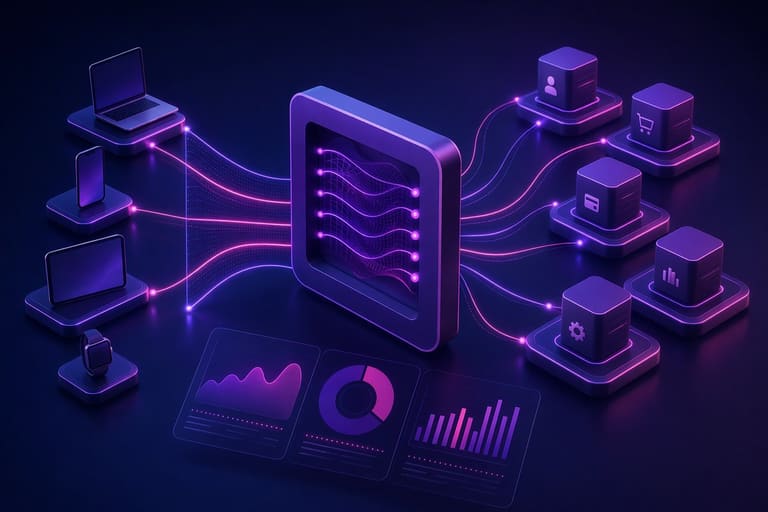
API Gateway—performance management-இல் முக்கியம்; correct configuration, total app performance, latency, UX—all boosted. API Gateway-இல் நீளமாக performance monitor, bottleneck spot, optimization opportunity—all neat. Caching feature—frequent data fast access, backend service stress low.
| Metric | Summary | Why Important |
|---|---|---|
| Response Time | API Gateway reply speed | UX, app total responsiveness |
| Request Count | Volume per time | System load, capacity overview |
| Error Rate | Failure % | Reliability, stability marker |
| Resource Use | CPU, RAM, Network | Efficiency, scalablity |
- Caching: Frequently accessed data–fast reply.
- Throttling: Request limit–overload avoid.
- Compression: Data shrink–network load decrease.
- Monitoring/Analyzing: Metrics tracking, improvement.
API செயல்திறன் மேம்பாட்டு வழிகள்
Performance boost: load balancing (multiple backend split workload), circuit breaker (fault service traffic cut), auto-scaling (demand based size), asynchronous communication (background long operations). All improve system stability, UX, reliability.
API Gateway optimal performance: microservices architecture success path. Proper config + correct strategy = sharply increased performance.
Update Gateway, patch security holes, monitor regularly—performance stable, security assured.
API Gateway & Microservices: இணைப்பு நிலை
Microservices architecture: applications–small, independent, distributed units–rapid development & scalable. Complexity high if client-direct many services interaction. API கேட்வே is orchestra conductor—single entry, smart routing, central security, response aggregation—all act like maestro. API கேட்வே ensures client sees only single entry point, microservices comfortably focus only business logic.
Interaction Workflow
- Client request enter Gateway.
- Gateway analyze/select destination service.
- If required, request transformation/enrichment.
- Send to correct microservice(s).
- Collect replies.
- Aggregate/transform reply.
- Reply to client.
API Gateway reduces complexity, boosts optimization; cache frequently accessed data, load balance requests, performance metrics for improvement. Continuous monitoring=continuous improvement.
| அம்சம் | API கேட்வே | Microservice |
|---|---|---|
| Role | Client-service bridge | Independent business logic provider |
| Duties | Routing, auth, rate limit, caching | Business logic, data handling |
| Independence | Independent of microservices | Independent of other services |
| Scalability | High traffic ready, scalable | Auto-scale, independent scaling |
API Gateway: absolutely integral part. Proper planning, well executed Gateway, microservice power unlock, fast development, top performance.
API Gateway மூலம் வருமானம், தரம்
API Gateway–efficiency boost, development speed up, operational cost reduction, overall performance improvement. Here are core tips for maximizing API Gateway use:
API Gateway Efficiency Metrics
| Metrik | விளக்கம் | Optimization Path |
|---|---|---|
| Response time | Gateway request turnaround speed | Caching, load balancing, smart routing |
| Per-request cost | Resource spend per API request | Reduce useless transfer, optimize resource use |
| Deployment frequency | New features update rate | Automated deployment, CI/CD pipelines |
| Error rate | Request failure % | Proper error management, monitoring, alerts |
Big advantage: Single entry point; client–direct multiple microservices not needed–just Gateway. Development simplified, maintenance easier.
Efficiency boosting tips
- Caching: Quick reply, microservice load reduction
- Load balancing: Spread requests, high performance, avoid single point failures
- Auto scaling: Scale up/down adaptively, cost control
- API analytics: Monitor calls, spot issues, continual improvement
- Error management: Handle errors gracefully, quick fix process
- Version management: API version control, backwards compatible updates
Gateway security is not just safety, it's reliability improvement; unauthorized access blocked, resource waste avoided.
Continuous monitoring, optimization vital; regular analysis spots bottlenecks, ongoing improvements ensure best output.
API Gateway: வெற்றிப் பயன்பாட்டு உதாரணங்கள்
API Gateway solutions: multiple industry adoption, small startups to enterprise giants utilize. High-traffic apps, mobile API integration, complex business flows–all benefit from security, performance, easy management.
| Use Case | Benefits | Example |
|---|---|---|
| E-commerce platforms | Traffic management, personalized UX, secure payments | Product recommendations, fast checkout |
| Financial firms | Secure APIs, regulatory compliance, rapid transactions | Mobile banking, auto loan validation |
| Healthcare | Secure patient data sharing, integrated services, mobile health | Tele-medicine, remote health monitoring |
| Media/Entertainment | Content distribution optimization, personalized content, multi-platform support | Video streaming, online gaming |
E-commerce: API Gateway mobile/web integration, secure payment, fast shopping–user experience + system load improved.
Finance: Gateways secure, regulatory compliant (API-level access control), automated loan/banking operations.
Healthcare: Data privacy/Central control, doctor access via Gateway, tele-medicine streamlined.
Media: Content flow optimized, user-centric suggestions, Gateway multiplatform delivery—with user engagement & revenue increase.
இறுதிவழி: API Gateway & Microservices மேலாண்மை
API Gateway, Microservices architecture-இல் central hub. Security, performance, scalability—all Gateway power. Direct access avoided–single entry; client face simplified, management easy.
| ஆன்மை | API Gateway-யுடன் | API Gateway இல்லாமல் |
|---|---|---|
| Security | Central policy, easy monitor | Distributed, inconsistent configuration |
| செயல்திறன் | Optimized routing/caching | Individually tuned, spread effort |
| Manageability | One-stop management, monitoring | Scattered, complex |
| Scalability | Independent of services | Inter-service scaling issues |
API Gateway advantages support microservices success. Developers–focus only on business logic; infrastructure worries Gateway handle. Communication standardized–integration easy.
Immediate Action Points
- API Gateway security priority planning
- Performance metrics constant watch, bottleneck detection
- Scalability needs planned, proper strategy
- Standardized microservices communication–better integration
- Use Gateway as central management point, operational efficiency increase
- Development cycle–Gateway tools optimize
No modern microservice system without API Gateway; correct Gateway config, active monitoring, and strategic usage = performance/security/scalability triple jump. India's tech business, market agility, Gateway-யை கணிப்பில் (consider) முறையாகப் பாருங்கள்!
அடிக்கடி கேட்கப்படும் கேள்விகள்
API Gateway-இன் அடிப்படை நோக்கம் மற்றும் எந்த சிக்கைகள் தீர்க்கும்?
API Gateway, மைக்ரோசர்வீஸ் கட்டமைப்பில் வெளியே single-entry point. Client–direct server access-ஐ தடுக்கும்; சிக்கல் குறைத்தல், பாதுகாப்பு, routing, authentication/authorization, traffic handling—all managed centrally. Clients backend complexity worry செய்ய வேண்டாம்; developer team-க்கு focus, efficient work.
மிக்ரோசர்வீஸ் கட்டமைப்பில் monolithic-ஐ விட பல service வைத்தால் ஏன் வேலை பதும்?
Microservices: small, independent, easily deployable/testable units; fast development, quick bug fix, tech diversity, fail-safe (a part fails, whole stays up!), scalable infrastructure—all benefit.
API Gateway architecture-ஐ உட்பட முக்கிய component-கள் மற்றும் போக்கு?
API Gateway architecture: routing, authentication/authorization, rate limiting, transformation, API composition. Routing–destination service selection, authentication/authorization–secure access control, rate limiting–overload prevent, transformation–request adaptation, composition–multi-service data integration; each in Gateway, not repeated per service.
Microservices-இடையிலான தகவல் பரிமாற்றத்தில் எந்த முறைகள் பயன்படும்?
RESTful API (synchronous), message queues (asynchronous)—popular. RESTful: easy, common, but direct dependency; message queues: loose coupling, flexible, but infra/config management extra complex.
API Gateway பாதுகாப்பு பிரச்சனைகளுக்கு எந்த வகை policy வைத்தால் பாதுகாப்பு அதிகம்?
Authentication (OAuth 2.0, JWT), authorization, input validation, HTTPS, API keys, DDoS protection, firewall; regular vulnerability scan, patch updates—all needed for secure setup.
API Gateway ஆட்சியில் performance எப்படி உயர்த்துவது? Metrics என்ன?
Caching, load balancing, connection pooling, compression, parallel handling—performance boost. Metrics: latency, request count, error rate, resource use (CPU, RAM).
API Gateway, Microservices-cut complexity குறைக்கும், development மேம்பாடு எப்படி?
Client–direct microservice access avoid; centralized Gateway; developer–backend detail independent–API-யை நேரடியாக பயன்படுத்த, integration easy; API management/security centralized.
API Gateway-ன் defect, drawback-கு, சிக்கல் ஏற்படும் போது என்ன செய்யலாம்?
Single-point failure risk, complexity increase, performance bottleneck, etc. Solutions: high availability (HA) plan, load balancing, monitoring/alerting systems, regular optimization/upgrade API Gateway.