 Afrikaans
 Azərbaycan
 Bosanski
 Čeština
 Dansk
Dansk Deutsch
 English
 Español
 Filipino
 Français
 Hrvatski
 Indonesia
 Italiano
 Magyar
 Melayu
 Nederlands
 Norsk
Norsk Oʻzbek
 Polski
 Português
 Română
 Slovenčina
 Slovenščina
 Suomi
Suomi Svenska
 Tiếng Việt
 Türkçe
 Ελληνικά
 Беларуская
 Български
 Русский
 Српски
 Українська
 עברית
עברית اردو
اردو العربية
 پښتو
پښتو فارسی
فارسی አማርኛ
አማርኛ मराठी
मराठी বাংলা
বাংলা தமிழ்
தமிழ் ไทย
ไทย မြန်မာ
 한국어
한국어 中文
中文 日本語
日本語


ఈ బ్లాగ్ పోస్ట్ నేడు డిజిటల్ విప్లవానికి దారితీసిన క్లుప్తమైన టెక్నాలజీ ఫౌండేషన్ అయిన Neural Networks (న్యూరల్ నెట్వర్క్స్) సంక్లిష్టతను లోతుగా పరిశీలిస్తుంది. న్యూరల్ నెట్వర్క్స్ అంటే ఏమిటి? డీప్ లెర్నింగ్కు ప్రాధాన్యత, పని తీరూ, ప్రక్రియ, లాభాలు-నష్టాలు వివరంగా వివరిస్తుంది. వాస్తవ పరిమాణంలో అనువర్తన ఉదాహరణలతో, Neural Networks ద్వారా డేటా విశ్లేషణ ఎలా జరుగుతుందో, డీప్ లెర్నింగ్ కోసం చేయాల్సిన ముందస్తు ఏర్పాట్లు, శిక్షణ పద్ధతులు & వ్యూహాలు దీని సారాంశం. అలాగే, ఈ టెక్నాలజీకి సంబంధించిన ముఖ్యమైన గణాంకాలు కూడా ఉన్నాయి. ధోర బాధ్యతతో వాడుకోవాలి అనే విషయాన్ని చివర్లో హైలైట్ చేస్తూ, ఈ ప్రతిభ ఆటోమేషన్ టెక్నాలజీని ఆచరణలోకి తీసుకురావాలనుకున్న వారికి నడుం బిగింపు వేదికగా ఈ అనుసంధానం నిలుస్తుంది.
Neural Networks అంటే ఏమిటి? ప్రాథమిక ఆలోచనలు
Neural Networks అనేది మానవ మెదడు పనితీరు ప్రేరణతో రూపొందించిన యంత్ర అభ్యాస మోడల్. సాధారణంగా చెప్పాలంటే, ఇది పరస్పరం లింక్ అయ్యే nodes (neurons) తో, వాటి కలయికను weight ద్వారా భరించేలా నిర్మించబడింది. ఇది inputs process చేసి outputs ఉత్పత్తి చేస్తుంది; trainingలో connections/weights ని optimize చేయడం ద్వారా పనితీరును పెంచుతుంది. Neural Networks ముఖ్యంగా విస్తృత డేటా సర్కులను వాడే, nonlinear relationsని model చేయాల్సినప్పుడు చాలా ప్రభావవంతంగా పనిచేస్తుంది.
వివరించాలంటే, Neural Networks ప్రాథమిక లక్ష్యం మానవ మెదడు డేటా process చేయడం అనుకరించటం. artificial neurons మరియు synapses పరస్పర సంబంధాల interaction, biological neurons యాత్రానే simulate చేయడం. ప్రతి neuron అది పొందిన inputsకి weights పెట్టి, activation function ద్వారా output ఇవ్వడం. ఆ outputs తదుపరి layerకి inputగా వెళ్ళి, ఈ cycle network depth ఆధారంగా తిరుగుతూ ఉంటుంది. ఈ processనూ ännu సంక్లిష్ట patterns నేర్చుకోగలదు.
Neural Networks లోని ప్రధాన ఆలోచనలు
- Neuron (Perceptron): మూలబుట్ట, inputs process చేసి output అందిస్తుంది.
- Weights: న్యూరన్ల మధ్య link ప్రాముఖ్యత. Trainingలో update అవుతుంది.
- Activation Function: న్యూరన్ output ఎలా ఉంటుందో నిర్ణయించే nonlinear function, సిగ్మాయిడ్, relu, tanh వంటి సాధారణ రూపాలు.
- Layers: హైరార్కికల్ Structure: input, hidden, output layers.
- Learning Rate: weights, bias values update వేగాన్ని నియంత్రిస్తుంది.
- Backpropagation: Errorని తగ్గించేందుకు weights update చేసే ప్రక్రియ.
Neural Networks multiple layersతో తయారవుతుంది. Input layer data అందిస్తుంది, Hidden layers process చేస్తుంది, Output layer results అందిస్తుంది. Performance activation functions, layers depth, architectureపై ఆధారపడి ఉంటుంది. Trainingలో weights–bias మార్చడం backpropagation algorithm ద్వారా జరుగుతుంది; Error minimize చేయడమే లక్ష్యం.
| పదం | అర్థం | ఉదాహరణ |
|---|---|---|
| Neuron | Neural networkలో ప్రాథమిక processing unit | Imageలో pixels process చేయడం |
| Weight | Neurons మధ్య అనుసంధానం కారణ భారం | మరొక neuronపై ప్రభావం ఎన్ని స్థాయిలో ఉంటుందో |
| Activation Function | Output నిర్ణయించే mathematical function | Sigmoid, ReLU, Tanh |
| Layer | న్యూరన్ల structure grouping | Input, Hidden, Output layer |
డీప్ లెర్నింగ్ ప్రాధాన్యత మరియు అనువర్తనాల విశ్లేషణ
Neural Networks అనేది AIలో విప్లవాత్మక పురోగమానికి దారితీసింది. Deep learning వల్ల, సంక్లిష్ట data sets నుంచి స్వయంగా patterns నేర్చుకోవడం సాధ్యమైంది. సాంప్రదాయ machine learning అల్గోరిథమ్స్ బలహీనమయ్యే చోట deep learning models accuracy–performance విషయంలో బెస్ట్ తీసుకురావడం జరిగింది.
Big Data ageతో పాటు deep learning ముఖ్యమైన పాత్ర పోషిస్తుంది. భారీ data process చేయడం వల్ల, enterprises మహత్తరమైన decisions తీసుకునేందుకు సహాయంగా patterns–relations బయటపడతాయి. ఉదాహరణగా, ecommerce సంస్థ deep learningతో customer behaviour deep analyse చేసి, personalize చేస్తూ sales పెంచుకోగలదు.
డీప్ లెర్నింగ్ వాడే ముఖ్యమైన రంగాలు:
- చిత్ర (Image) గుర్తింపు & classification
- Natural Language Processing (NLP), text analyse
- ధ్వని గుర్తింపు, తిరిగి synthesize చేయడం
- ఆటోనమ్ వాహనాలు, రాబోటిక్స్
- ఫైనాన్స్ model, risk analysis
- ఆరోగ్య పరీక్ష, చికిత్స
Deep learning వలన చిన్న సంస్థలు (SME)కూ కూడా వీలైన అవకాశాలు చూపిస్తూ ఉంటుంది. Cloud-based deep learning platformలతో, SMEs reasonable priceలో Deep Learning ప్రయోజనాలను పొందగలరు; Pretrained models & custom models రెండూ ఉపయోగించవచ్చు.
Health techకు కూడా deep learning నూతన మార్పులు తెస్తోంది—diagnostics, drug discovery, personalized medicine వంటి సేవలలో. Deep learning algorithms medical images process చేసి, diseases early stageలో గుర్తించి, ఆలస్యం లేకుండా సంభవిత చికిత్స చేపడుతాయి. ఈ పరిణామాలు, సహజంగా, మానవ ఆరోగ్యపై భవిష్యత్తులో ప్రభావాన్ని విస్తరించవు.
Neural Networks: కార్యకలాపాల అర్థం
Neural Networks అనేది సంక్లిష్ట సమస్యలు address చేయడానికి రూపొందించిన computational models. అవి inter-linked artificial neurons కలిపిన networkగా పనిచేస్తాయి, connectionsలో weights ఉంటాయి, trainingలో ప్రశ్న–పరిష్కారం ప్రాధాన్యతను ఒక్కొక్కటిగా refine చేస్తూ సరైన answerకి కనీసం proximity అందిస్తాయి. కేవలం inputs process చేయడం కంటే, nonlinear relations, ఫంక్షన్స్ అనర్బలా approximate చేయడంలో ఫలితమిస్తున్నాయి.
ఏ neural networkనూ, input layer, hidden layers, output layer అని మూడు ముఖ్యమైన stages ఉంటుంది. Input layer నుంచి డేటా లాక్కొని, hidden layersలో abstract representations నిర్వహించడం, final result output layerకి ఇవ్వడం. ఒక్కో layerలో mathematical functionsతో neurons interactions network learning powerని నిర్దేశిస్తాయి.
| లేయర్ పేరు | వివరణ | పని |
|---|---|---|
| Input Layer | బయటి డేటా networkకి అందిస్తుంది | డేటా feed చేయడం |
| Hidden Layer(s) | డేటా process చేయడం, features extraction | పెద్ద patterns నేర్చుకోవడం |
| Output Layer | Final prediction/result | Output ఇవ్వడం |
| Weights | Neurons మధ్య connection value | ప్రాముఖ్యత నిర్ణయించడం |
Learning processలో, training data (inputs, desired outputs) ఇవ్వడం ద్వారా, network predictionను actual targetతో పోల్చి, error (loss) మదింపు చేయడం జరుగుతుంది. Error reduce చేయడాన్ని backpropagation algorithm వాడుతుంది; network క్రమబద్ధీకరిస్తూ ఇంకా తోడ్పడే ప్రక్రియను iteratively repeat చేస్తుంది. Performance satisfactory స్థాయికి వచ్చినంతవరకు ఈ training కొనసాగించాలి.
Neural Networks Learning Steps
- Data Collection & Preparation: వినూత్న training data తీసుకొని, శుభ్రంగా నిర్ధారించడం.
- Model ప్లాన్: సరైన network architecture ఎంచుకోవడం.
- Weights Initialization: random values తో start చేయడం.
- Forward Propagation: input networkలో ప్రయాణించి, prediction తయారు చేయడం.
- Error Calculation: prediction–actual value మధ్య difference.
- Backpropagation: errorను networkలో reverse జరిపి, weightsని update చేయడం.
- Repetition: Desired performance వచ్చు వరకు process repeat చేయడం.
Successful neural network trainingకు proper data, architecture, parameter tuning అవసరం. Overfitting మీద Regularization techniques, Evaluation కోసం validation datasets తప్పనిసరి. ఇవన్నీ, neural networksను డిజిటల్ నూతన ప్రగతి వైపు నడిపించడంలో కాలాన్ని మించింది.
Neural Networks లాభాలు-నష్టాలు
Neural Networks అధిక-పరిష్కార సామర్థ్యం, continuous-learning శక్తితో industry-level changes తెచ్చింది. అదే సమయంలో, limitationsను కూడా గుర్తించాలి. ఒక networkని, practicalగా implement చేయాలంటే, లాభ–నష్టాలను పరిగణనలోకి తీసుకోవాలి.
- లాభాలు:
- Complex relations model చేయడం
- Data-driven learning
- వివిధ రకాల డేటాను handle చేయడం
- Error tolerance
- Parallel processing
- నష్టాలు:
- High computing అవసరం
- Unexplained results (black box)
- Overfitting ప్రమాదం
- Large datasets మీద ఆధారపడటం
- Tuning లో కష్టం
అత్యుత్తమ ప్రయోజనం: nonlinear relationships model చేస్తుంది. Images, language, time-series వంటి domainsలో human-level performance. కానీ, massive data & computing power లేని సందర్భంలో, performance తగ్గుతుంది.
| Factor | లాభాలు | నష్టాలు |
|---|---|---|
| Accuracy | High accuracy సాధ్యం | Overfitting/performace down ప్రమాదం |
| Data Need | Big datasetsను నేర్చుకోగలవు | Data తక్కువ ⇒ poor results |
| Interpretability | - | Decisions కారణాలు explain చేయడం కష్టం |
| Cost | Parallel processing speed | High computing ఖర్చు |
Deep problem: neural networks black box nature. Model reasoning ఇవ్వటం clinical, credit domainsలో trust లోపించవచ్చు. అందుకే, Explainable AI (XAI) techniques–regularization/cross-validation for overfitting అవసరం! Proper planning, right setup, data, capacity–regular assessmentతో మీ projectకి neural networks మంచి solutionగా నిలుస్తుంది.
Neural Networks అనువర్తనాలు: ఉదాహరణలు
పెరుగుతున్న data complexityలో neural networks వాడుక విస్తరించింది. Business, health, robotics, finance–జీవితంలో అనేక మార్పులు కలుగుతోంది. Deep learning algorithms వలన సాధ్యం కాని problemsకి practical solutions లభించి, productivityలో పురోగతి సాధించాము. కొన్ని అనువర్తనాల మౌలిక ఉదాహరణలు కింద ఇవ్వగలము.
| వాడుక ప్రాంతం | వివరణ | ఉదాహరణ |
|---|---|---|
| చిత్ర గుర్తింపు | Images నుంచి objects, patterns identification | Face recognition, medical image analysis |
| ధ్వని గుర్తింపు | Speech-to-text, audio command understanding | Siri, Google Assistant, voice search |
| Natural Language Processing | Text, language meaning, creation, translation | Chatbot, machine translation, summarization |
| ఫైనాన్స్ | Data analyse, prediction | Credit scoring, fraud detection |
Neural networks అనేక రంగాల్లో విస్తృతంగా – deep learningతో సంక్లిష్ట analytics/insight సాధ్యమయం. నిర్ధారంగా, కారణ–పరిమితి విషయాల్లో దీని practical sideతో వ్యాపార/సాంకేతిక/వ్యక్తిగత ప్రయోజనాలు పరస్పరంగా కలిసి లాభపడతాయి.
ముఖ్యమైన అనువర్తన ఉదాహరణలు:
- హెల్త్కేర్: Disease detection, drug research, precision medicine
- Automotive: Autonomous driving, vehicle safety, driver assist
- Finance: Credit scoring, fraud analyse, algotrade
- Retail: Customer behaviour, product recommendation, inventory manage
- Energy: Consumption prediction, smart grids, efficiency
- Education: Personalized learning, performance analytics, auto grading
సమయానుగుణంగా, deep learning algorithms–neural networks సంవత్సరానికొకసారి కొత్త కొత్త functional మార్గాలు తెరిచి, మన జీవన నాణ్యత పెంచడం కోసం పని చేస్తుంది.
చిత్ర గుర్తింపు
చిత్ర గుర్తింపు అనేది neural networksతో అత్యధిక ప్రాబల్యంగా కనిపించే ఫీచర్. Deep learning (particularly Convolutional Neural Networks) imagesలో faces/objects/featuresని human-level accuracyతో నిర్ధారించడం సాధ్యమైంది. Security, medical diagnostics—అన్ని రంగాలూ వాడుతున్నాయి.
ధ్వని గుర్తింపు
Voice recognitionలో neural networks speech-to-text, audio command processingను digital industryలో ప్రాధాన్యతను పెంచాయి. Siri, Google Assistant, voice search, transcriptionకు ప్రాథమిక ప్రోగ్రాం అవుతుంది. RNN, LSTM వంటి advances audio contextలో high performance సాధించాయి.
నేచురల్ లాంగ్వేజ్ ప్రాసెసింగ్
NLP (Natural Language Processing)కు neural networks text insight, summarization, translation, chatbot, sentiment analyse వంటి పనుల్లో భారీ అగ్రగామి. Transformer models వచ్చి, machine translation–text production విద్యావృత్తంలో ముఖ్యతను సంపాదించాయి.
Neural Networks ద్వారా డేటా అనాలిసిస్ ఎలా చేయాలి?
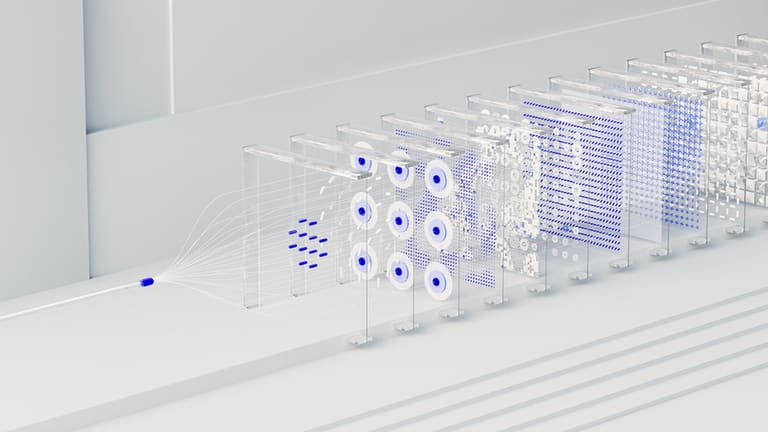
సంక్లిష్ట datasetsలో Neural Networks ద్వారా data విశ్లేషణ cutting-edge మార్పుకు దారితీసింది. Big dataset process చేసి, patterns, prediction, classification ఇచ్చే విషయాల్లో neural networks traditional statistical methods కన్నా మెరుగైన పనితీరును ప్రదర్శించాయి. తెలుగు రంగాల్లో, finance, marketing, medical, engineering segmentల్లో ఉపయోగాన్ని పెరుగుతోంది.
ముందుగా data శుభ్రంగా, process చేయదగినది అయితే, clean చేయడం, missing values fill చేయడం, outlier rectify చేయడం network performance స్థాయిని గణనీయంగా పెంచుతుంది. Feature selection, scaling వంటి preparatory steps: poorly prepared data network errorకి కారణం అవుతుంది. అందుకే, right data prep ఎంత ముఖ్యమో ఎప్పుడూ గుర్తుంచుకోండి.
| Step | వివరణ | అవసరం |
|---|---|---|
| Data Collection | Relevant data కొనగలిగే ప్రక్రియ | Accurate model foundation |
| Data Cleaning | Missing/error correction | Consistency-critical |
| Feature Selection | Best features pick | Performance boost |
| Model Training | Neural network trained | Best prediction basis |
డేటా విశ్లేషణ ప్రారంభంలో Steps:
- Dataset Insight: Variables, issues, context నమోదు చేయడం.
- Data Clean & Prep: Missing/Outlier process, right formatకు రావడం.
- Feature Engineering: New features create, transform చేయడం.
- Model Selection & Training: Best neural architecture pick, train చేయడం.
- Model Validation: Performance measure, tuning optimisation.
- Model Optimisation: Hyperparameters, architecture refinement.
- Results Interpretation: End results meaningful explain చేయడం.
Performance improvise చేయాలంటే regularization techniques (overfitting avoid), optimisation algorithms (Adam, SGD)–continuous monitoring/pruning network వ్యాపార decisionలో ప్రముఖ పాత్ర పోషిస్తుంది.
డీప్ లెర్నింగ్ కోసం కావాల్సినవి & ప్రిపరేషన్
Deep Learning projects ప్రారంభించడానికి theoretical knowledge, practical skill కలిగి ఉండడం ముఖ్యం. Right tools–hardware ఎన్నుకోవడం, proper prep చేయడం, successful project foundation స్థాయిని నిర్దారించాలి.
Foundational hardware/software: powerful computer, GPU, RAM, datasets large-scale process చేస్తే అవసరం. Software: Python, TensorFlow, Keras, PyTorch, visualization Matplotlib/Seaborn. All tools skillful usage ముఖ్యమైనది.
డీప్ లెర్నింగ్ కోసం కనీసం కావాల్సినవి:
- Python proficiency
- Linear algebra/statistics basics
- TensorFlow/Keras/PyTorch familiarity
- Big Data experience
- GPU support
- Data visualization mastery
technical proficiency మాత్రమే కాదు — problem solve skill, analytical thinking, continuous learning కూడా అవసరం. Deep learning హైదరాబాద్ ever-changing, adapt–innovate చేయడం ద్వారా స్థిరమైన growth దాదాపు నిత్యం అవసరం. Project విజయం కోసం continuous learning & adaptationపై invest చేయాల్సిందే.
Neural Networks: శిక్షణ & వ్యూహాలు
Neural Networks సందేశం కోరుకున్న goals సాధించడానికి effective training process తప్పనిసరి. Weights–bias optimise చేసి, goal-oriented result training చేయాలి. Big datasets–optimisation algorithms తప్పనిసరి.
Training: inputs(feed), output(actual target)తో error(loss) కలిగితే అదివారి. Error minimise చేయడం కోసం optimisation algorithms(weights/bias update) iteratively training చేస్తారు, validation–testingతో performance check చేయడం–network strengthen అవుతుంది.
Neural Networks Training Steps:
- Data Collection & Preparation: Clean, quantity, normalized data
- Model Selection: Architecture, activation function, layers ఎంచుకోవడం
- Training Parameters Setup: Learning rate, batch size, epochs వంటి కార్యక్రమాలన్నీ
- Training: Data split (train/validation), regular adjustment
- Evaluation: Test data performance, metrics(acc, precision)
- Hyperparameter Optimization: Grid/random/Bayesian search
Training strategy: Fast & effective learning, transfer learning (use pretrained weights for new task), regularization (overfitting avoid)—dropout, L1/L2 మొదలైనవి. Modern deep learning, performance-optimize సమతుల్యం కోసం ఇదే మార్గం.
Neural Networks తో ప్రధాన గణాంకాలు
ఈ కాలంలో Neural Networks చేరిన స్థాయి, ప్రపంచాన్ని మార్చిన రంగం, వేరే గణాంక పరిచయానికి దారితీసింది. మహత్త్వం, గణాంకాలు, అభివృద్ధిని అర్థం చేయడం, future potential చూస్తారు.
Healthcare, finance, automotive, retail కొన్ని రంగాల్లో neural networks విస్తృతంగా వాడుతున్నాయి; disease diagnosisలో, fraud detectionలో, vehicle automationలో సహాయంగా ఉన్నాయి. పలు రంగాల్లో network versatility ముంచు విధంగా సహకరిస్తుంది.
| Statistic | Value | వివరణ |
|---|---|---|
| Global Neural Networks Market Size (2024) | $15 Billion USD | Current market scale |
| Annual Growth Rate (CAGR) | 30% | Year avg growth rate |
| Most Used Sector | Healthcare | Main application vertical |
| Expected Market (2030) | $75 Billion USD | 2030 target size |
క్రింద neural networks గురించి ఆసక్తికర గణాంకాలు ఇవ్వడం వల్ల ఈ tech progress, future potential మరింత అర్థ మవుతుంది.
Neural Networks గురించి ఆసక్తికర గణాంకాలు:
- 2024లో neural networks industry $15B USD స్థాయికి చేరింది.
- Healthcare applicationsలో network leading role ఉంది.
- Fraud detectionలో neural networks performance 90% accuracy వరకు వచ్చింది.
- Autonomous driving networks ద్వారానే accident rateలను తగ్గించాయి.
- NLPలో human-like generated content సాధ్యమైంది.
Neural networks practical knowledge–usage modern careersకు advantageను ఇస్తుంది. మరింతగా ఇవి కొత్త అవకాశాలు తెస్తాయి.
ముగింపు: Neural Networks వాడటంలో జాగ్రత్తలు
నేటి IT, Web, Data platformsలో Neural Networks game-changer. కానీ దీనికీ పరిగణనలోకి తీసుకోవాల్సిన కొన్ని విషయాలు ఉన్నాయి. Data quality, model complexity, training, evaluation, performance assessment; project outcome numbers may mislead unless these handled properly.
Planning stageలో deep risk analysis చేయడం, trainingలో performance monitoring, necessary updates timetableకు భరోసా. క్రింది టాబ్లలో, network implementationలో focus areas & pitfalls:
| Field | Care Tips | Challenges |
|---|---|---|
| Data Quality | Accuracy, completeness, consistency | Poor/missing/error-prone data ruins learning |
| Model Selection | Problem తీవ్రతకి architecture fit | Wrong model⇒bad performance |
| Training | Right optimisation, learning rate | Overfitting/underfitting risk |
| Performance Evaluation | Accuracy/generalisation test | Wrong metrics mislead |
Continuous skills upgrade, new tech trial, knowledge sharing, Neural Networks projects result improvise చేయాలి. కొన్ని key points మీకు reminder:
- Neural Networks వాడే టైమ్లో గుర్తుపెట్టుకోండి:
- Dataset నిర్మాతగా analyse & clean చేయాలి.
- Problemకి suitable architecture ఎన్నుకోవాలి.
- Regular training–performance monitoring చేయాలి.
- Overfitting/underfitting ముప్పు వారించాలి.
- Different datasetల్లో generalisation check చేయాలి.
- Tech updates–trial తప్పని సరి.
Proper planning–monitoring–continuous learningతో neural networks practical deliverables enhance చేయవచ్చు. Neural Networks tool; విజయశీలత అది వాడే వ్యక్తిలో ఉంది.
అత్యంత తరచుగా అడిగే ప్రశ్నలు
Neural Networks ఇప్పటి వరకు ఈ స్థాయిలో ఎందుకు ఆదరణ పొందాయి & ఎలాంటి segments ని మార్చాయి?
Big Data process చేయడం, complex patterns నేర్చుకోవడం వల్ల, image recognition, NLP, health, finance, autonomous driving వంటి domainsలో deep impact చూపింది. Compute power–data access tech development కూడా popularityను మరింత పెంచింది.
Deep Learning performance కి ఎన్ని factors ప్రభావితం & optimise చేయడం ఎలా చేయాలి?
Performance: Data quality, architecture, optimisation, hardware, hyperparameters. Data cleaning/preparation, correct model (CNN, RNN), right optimiser (Adam, SGD), hardware (GPU), hyperparameters (learning rate, batch size) careful tune చేయడం ప్రతిసారి performance మెరుగుపరచుతుంది.
Neural networks decision process ఎట్టి పరిస్థితుల్లో explainable చేయాలి & ఈ transparency ఎందుకు ముఖ్యం?
Decision transparency కోసం attention mechanism, LIME, SHAP వంటి tools వాడాలి. ఇది trust పెంపొందిస్తుంది, error traceability, ethical handling, ముఖ్యంగా health/finance/legal sectorsలో.
Project ప్రారంభించే ముందు, ఏ Stages & Steps avoid చేయకూడదు & Success key steps ఏమిటి?
Problem definition, data sourcing/prep, model planning, training, validations తప్పనిసరి. Clean data, right architecture, right optimisation, continuous assessment, accuracy-centric metric selection–project successకు కీలకమైంది.
Data విశ్లేషణలో neural networks traditional methodsకి ప్రధమ ప్రాధాన్యత ఏంటి?
Complex, nonlinear relations model చేయడం, automatic feature engineering, high accuracy, continuous adaptation–changing data conditionsకు అనుకూలంగా ఉంటాయి.
Trained model actual productionలో నిరుపయోగమైతే, hurdles ఏమిటి & overcome ఎలా చేయాలి?
Model size, compute cost, real-time delivery, regular update hurdles. Model pruning/quant, hardware acceleration (GPU/TPU), lifelong learning strategies ఉపయోగపడతాయి.
Neural networks ethics challenges, overcome చేయడానికి best practices ఏమిటి?
Ethics: privacy, bias, transparency, autonomy. Solutions: anonymization, fair algorithms, explainable models, guidelines for autonomy.
Neural networks విద్యార్దులకు/kareer aspirantsకి resource list & skillset ఏవి ముఖ్యం?
Online courses (Coursera, Udemy), books (‘Hands-On Machine Learning with Scikit-Learn, Keras & TensorFlow’), open source libraries (TensorFlow, PyTorch), maths, Python, ML algorithms knowledge, problem solve, continuous improvise ముఖ్యం.