 Afrikaans
 Azərbaycan
 Bosanski
 Čeština
 Dansk
Dansk Deutsch
 English
 Español
 Filipino
 Français
 Hrvatski
 Indonesia
 Italiano
 Magyar
 Melayu
 Nederlands
 Norsk
Norsk Oʻzbek
 Polski
 Português
 Română
 Slovenčina
 Slovenščina
 Suomi
Suomi Svenska
 Tiếng Việt
 Türkçe
 Ελληνικά
 Беларуская
 Български
 Русский
 Српски
 Українська
 עברית
עברית اردو
اردو العربية
 پښتو
پښتو فارسی
فارسی አማርኛ
አማርኛ मराठी
मराठी বাংলা
বাংলা தமிழ்
தமிழ் ไทย
ไทย မြန်မာ
 한국어
한국어 中文
中文 日本語
日本語

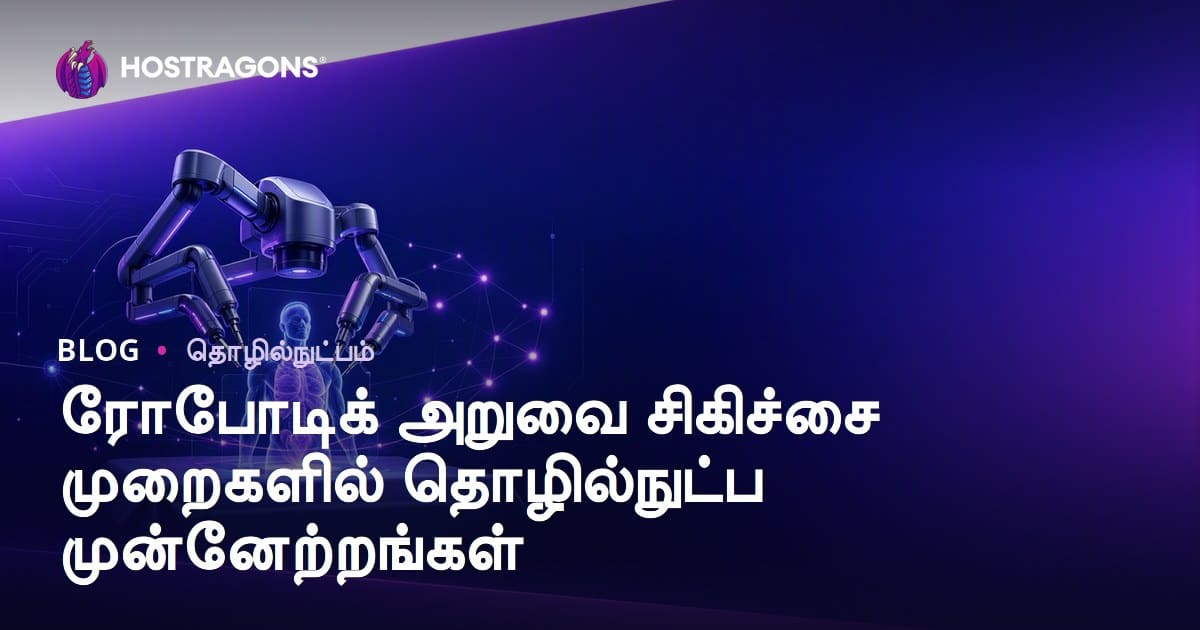
ரோபோடிக்சி சிகிச்சை இன்று மருத்துவத்தில் மிக முக்கிய இடம் பெற்றுவிட்டது. இந்த வலைப்பதிவில், ரோபோடிக்சி அறுவைசிகிச்சை அமைப்புகளில் தொழில்நுட்ப வளர்ச்சி மற்றும் மாற்றங்களை விரிவாக பார்க்கப் போகிறோம். முதலில் ரோபோடிக்சி அறுவைசிகிச்சை என்றால் என்ன என்பதை அடிப்படையான விளக்கத்துடன் அறிமுகப்படுத்துகிறோம், பின்னர் அமைப்புகளின் வரலாற்று வளர்ச்சி, கருவிகளின் கூறுகள், மாடல் வகைகளானவை பற்றி விவாதிக்கிறோம். ரோபோடிக்சி அறுவைசிகிச்சையின் பலன்கள், குறைகள், வெற்றிவீதம் பற்றிய ஆய்வுகள், நோயாளி பாதுகாப்பு, பயிற்சி மற்றும் சான்றிதழ் வளர்ச்சி ஆகியவை இதில் பிரதானமாக இடம்பெறுகின்றன. ரோபோடிக்சி அறுவைசிகிச்சையில் சமீபத்திய புதிய தொழில்நுட்பங்கள் மற்றும் எதிர்கால பூவியியல் ரியக்கங்கள் சுட்டிக்காட்டப்படுகின்றன. இந்த விரிவான வலைப்பதிவு, ரோபோடிக்சி அறுவைசிகிச்சை பற்றிய தெளிவான அறிவு வேண்டுபவர்களுக்கு பலவிதமான தகவலை வழங்கும்.
ரோபோடிக்சி அறுவைசிகிச்சை என்றது? அடிப்படையான விளக்கங்கள்
ரோபோடிக்சி அறுவைசிகிச்சை என்பது, சிக்கலான அறுவைசிகிச்சைகளை செருக்கு, துல்லியம் மற்றும் முழுமையான கட்டுப்பாட்டுடன் செய்யும் முறையாகும். மருத்துவர்கள் அறுவைசிகிச்சை மேஜையில் இருக்காமல், ஒரு தனி தொகுதியில் உள்ள ரோபோடிக்ஸ் கைகள் மற்றும் கருவிகளை இயக்குகிறார்கள். அந்த ரோபோடிக்ஸ் அமைப்பு, மருத்துவர் செய்கிற கைச்செயல்களை நேரடியான நேரத்தில் ரோபோடிக்ஸ் கருவிகளுக்கு மாற்றுகிறது. மனித கை செல்ல முடியாத இடங்களில் கூட முடிவற்ற துல்லியம் வழங்க முடியும்.
ரோபோடிக்சி அமைப்புகள், மூன்று பிரதான கூறுகளால் உருவாக்கப்பட்டுள்ளன: அறுவைசிகிச்சை தொகுதி (console), நோயாளி இடம் (robotic kollar), மற்றும் அசாதாரண உயர்தர 3D காணொளி அமைப்பு. Console-ல் மருத்துவர்கள் 3D உயர்திருப்பாக்காச் காட்சியுடன் செயல்பாடுகளை சிறிது எனக்கட்டுப்படுத்துகிறார்கள். ரோபோடிக்ஸ் கைகள், மனித கை செயல்பாடுகளை மிஞ்சும் விதமாக அசைத்து, கைச்சளியைக் குறைத்து, கட்டுப்பாட்டை வழங்குகின்றன.
ரோபோடிக்சி அறுவைசிகிச்சையின் பலன்கள்
- சிறிய வெட்டுகளுடன் minimal invasive முறையாக ஆகும்
- குறைந்த இரத்தவிதப்பு, விரைவான குணமடைவு
- அழுத்தம் குறைவு, குறைந்த வலி
- உயர் துல்லியம் மற்றும் முடிவடைய வாய்ப்பு
- மருத்துவர் சோர்வை குறைத்து தொடர்ந்து அறுவைசிகிச்சை செய்ய முடிகிறது
- மூன்று பரிமாண காட்சி – அறுவைசிகிச்சைக்கு நுண்ணான அனுகுமுறை
ரோபோடிக்சி அறுவைசிகிச்சை பெரும்பாலும் உரோலாஜி, நாயிகையியல், பொதுவாக/general surgery, இதயம் தொடர்பான அறுவை/vascular surgery, குழந்தை அறுவைசிகிச்சை போன்ற துறைகளில் பயன்படுத்தப்படுகின்றது. குறிப்பாக, prostat kanseri, hysterectomy, mitral kapağı onarımı உள்ளிட்ட சிக்கலான இடங்களில் இது வெற்றிகரமாக செயல்பட்டு வருகிறது. இந்த தொழில்நுட்பம், மருத்துவரும் நோயாளியும் பலன்கள் பெறும் வகையில், நாள்தோறும் புதுமைகளுடன் வளர்ந்து வருகிறது.
ரோபோடிக்சி அறுவைசிகிச்சைக்களை பயன்படுத்துவதால், நோயாளிக்குத் துயரமின்றி மற்றும் விரைவில் குணமடைப்பை வழங்குகிறது. மருத்துவர்களுக்கு துல்லியமாக மற்றும் கட்டுப்பாட்டுடன் செயல்பாட்டை வழங்குவது காரணமாக ரோபோடிக்சி அறுவைசிகிச்சை நவீன மருத்துவத்தின் முக்கிய அம்சமாகவும், எதிர்காலத்தில் அதிகமாக அங்கீகரிக்கப்படும் முறையாகவும் மாறுகிறது.
ரோபோடிக்சி அறுவைசிகிச்சை: வரலாறு மற்றும் முன்னேற்றம்
ரோபோடிக்சி அறுவைசிகிச்சை நவீன மருத்துவத்தின் ஆச்சரியமான மற்றும் விரைவில் வளர்ந்த பகுதியானது. இந்த முன்னேற்றங்கள், மருத்துவர்களுக்கு அதிக துல்லியத்துடன் minimal invasive பொது அறுவைசிகிச்சையை வழங்குவதோடு நோயாளி குணமடைவு காலத்தை துரிதப்படுத்துகின்றன. ரோபோடிக்சி அறுவைசிகிச்சையின் வரலாறு, பொறியியல் மற்றும் மருத்துவத்தின் இணைப்பால் அமைகிறது. முதலிலிருந்து இன்று வரை – எளிய முயற்சிகளிலிருந்து குறும்பாக்கவும், தேடலும், சோதனையும் நிறைந்த ஒரு அவசரம்!
ரோபோடிக்சி அறுவைசிகிச்சையின் முன்னேற்றம் விஞ்ஞானிக்களின் முயற்சிகளாலும், தொழில்நுட்ப மாற்றங்களாலும் வடிவமாகி வருகிறது. ஆரம்பக்கால ரோபோடிக்சி கருவிகள், மருத்துவர் இயக்கங்களை மிக எளிதாக பின்பற்றும் வகையில் basic robot-mimicலை கொண்டிருந்தன. தற்காலத்தில் இதற்குள் கண்காணிப்பு, அசாதாரண சுற்று கட்டமைப்பு, AI உள்ளிட்ட மாற்றங்கள் சந்திப்பதால் மிகவும் சிக்கலான அறுவை செயல்பாடுகளுக்கு கூட இது பயன்படுத்தப்படுகிறது. இந்த வரலாற்று பயணம், ஒரு தொழில்நுட்பத்தில் பூவியியல் வளர்ச்சியை நமக்குக் காட்டும்.
| ஆண்டு | வளர்ச்சி | முக்கிய அம்சங்கள் |
|---|---|---|
| 1980 | முதல் ரோபோடிக்சி சிகிச்சை முயற்சி | ஆரம்ப stage, குறைந்த துல்லியம் |
| 1990 | AESOP மற்றும் ROBODOC | Voice control, orthopaedic surgical field |
| 2000 | Da Vinci Surgical System | 3D visuals, advanced robotic mobility |
| 2010-இன்று | நவீன அமைப்புகள் | AI, minimal invasion method |
ஏராளமான தடைகள் இந்த வளர்ச்சிக்கு நேர்ந்தன – அதிக செலவு, சுருக்கமான பயிற்சி, மருத்துவர்களுக்கு புதிய பயிற்சி அவசியம் போன்றவை. எvetthough தொழில்நுட்ப முன்னேற்றம் ஏற்படும் போது, செலவு குறைய, user-friendly அமைப்பு கிடைக்க, புதிய பயிற்சி திட்டங்கள் உருவாகத் தொடங்கின. இன்று ரோபோடிக்சி அறுவைசிகிச்சை பல மருத்துவமனையில் பொதுவாக rootin-ஆகவும் பயன்படுத்தப்படுகிறது.
முதல் ரோபோடிக்சி அறுவைசிகிச்சை முயற்சிகள்
1980களில், முதல் முயற்சிகள் இணைந்து, basic mimic robotics அறுவைச் செயல் ஆரம்பமானது. ROBODOC, hip and knee prosthesis surgery-இல் bone-cutting precision வழங்கியது; AESOP, endoscopic procedures-இல் camera positioning-காக பயன்பட்டது – surgical assistant தேவையை அளித்தது. இந்த முறைகள், ரோபோடிக்சி திறனின் seeds விதைத்தன.
வரலாறு வரிசை
- 1980-களில் ஆரம்பம்
- ROBODOC மற்றும் AESOP-ஐ அறிமுகம்
- Da Vinci Surgical System – commercial launch
- Minimal invasive surgical methodologies-ஆகும்
- AI integration, machine learning
- ரோபோடிக்சி பயிற்சி முறைகள் பன்முகமாக வளர்ச்சி
நவீன ரோபோடிக்ஸ் அமைப்புகள்
இன்றைய arrangements (Da Vinci Surgical System), மிக உயர்ந்த துல்லிய, 3D imagery, minimal invasiveness, இவை உrologi, gynaecology, vascular & general surgery-இல் வயங்கும். AI, machine learning integration-ன் வழியாக, operation realtime data analysis, predictive surgical support – outcome அபரிமிதமாக உயர்கிறது.
ரோபோடிக்சி அறுவைசிகிச்சை எஞ்சும் ஒரு தொழில்நுட்பம் இல்லாமல், தெரிவை shaping செய்யும் புகழ் – Dr. Ramalingam
எதிர்கால திட்டம் – நவீன, self-learning, adaptive robotics; remote surgery, quick emergency-response, rural healthcare reach – இது மருத்துவத்தில் புதிய திசையைக் காட்டும்.
ரோபோடிக்சி கருவி கூறுகள்
ரோபோடிக்சி அறுவைசிகிச்சை அமைப்புகள், advanced devices-ஆகும்; surgeon skill limits கூட தாண்டும் precision, flexibility, control கிடைக்கும். பல கூறுகள் – console, robotic arms, imaging systems, special surgical tools – ஒவ்வொன்றும் ஒரு critical role (successful surgery outcome-க்கு).
- முக்கிய கூறுகள்
- ஷர்ஜன் Console
- ரோபோடிக்ஸ் கைகள்
- 3D imaging systems
- EndoWrist type surgical instruments
- Integration & control software
Console, surgeon commands-ஐ real-time robotic arms-க்கு "translate" செய்யும் face; advanced imaging-யில், operation area is delivered in high-res, 3D; robotic arms surgical tools வைக்கி, narrow/deep regions-இல் precise procedures possible.
| குறிப்பு | விளக்கம் | பிரதான வேலை |
|---|---|---|
| Console | Surgeon interface | Robotic arm control, visual management |
| Robotic arms | Surgical tool manipulation | Cutting, suturing, tissue handling |
| Imaging system | High-resolution operation visuals | 3D, zoom & lighting |
| Surgical tools | EndoWrist-technology tools | Cut, grip, suture, cauterize |
EndoWrist surgical instruments human wrist movements-ஐ மிஞ்சி, flexibility/static zones-ஐ delicately handle செய்யிறது. surgery modality-அனுமானப்படி special tools change செய்ய வழிகாட்டுகிறது.
Integration software, command translation/automation – advanced algorithms, sensors, surgical error-risk-ஐ minimize செய்து, surgeon outcome, patient healing fastest-ஆம்.
ரோபோடிக்சி அறுவைசிகிச்சை அமைப்புகளின் வகைகள்
ரோபோடிக்சி அறுவைசிகிச்சை அமைப்புகள், medical specialty-க்கு ஏற்ப model variety-யுடன் முறையாக மாறும். வளர்ச்சியுடன், surgeon-க்கு better control/vision, ergonomic workspace-வை, faster recovery, less complication-ஐ நோயாளிகள் பெறுகிறார்கள்.
பிரபலமான அசைவம்:
- Da Vinci Surgical System: எல்லா surgical domain-க்குமே நன்கு பெறப்பட்டது.
- Rosa robotic: Neurosurgery, orthopaedics field-இல் use.
- Mako robotic arm: Knee/hip prosthesis surgical precision.
- Artas hair transplantation robotics: Hair restoration field.
- CyberKnife: radiosurgery, tumour treatment-க்கு.
Model comparisons:
| Model Name | Specialties | Highlights |
|---|---|---|
| Da Vinci Surgical System | General, urology, gynae, cardiac | High-res 3D imaging, precision control |
| Rosa | Neurosurgery, ortho | Realtime navigation, bespoke surgical planning |
| Mako | Knee/hip prosthesis | Accurate bone cutting, implant precision |
| CyberKnife | Radiosurgery | Non-invasive, precise high-dose delivery |
இவை எல்லாம் specialty-யில் superior resultக்கு tailor செய்யப்பட்டுள்ளது; rapid development, patient safety, surgical outcome maximization.ரோபோடிக்சி அறுவைசிகிச்சை technology-யில் innovation, new arenas open செய்கிறது.
ரோபோடிக்சி அறுவைசிகிச்சையின் பலன்கள் மற்றும் குறைகள்
Genuine benefits:ரோபோடிக்சி அறுவைசிகிச்சை-இலே surgeon-க்கு highest precision/control possible, tighter spaces/sensitive anatomy-இல் obvious edge. Robotic arms human mobility-ஐ exceed, minimally invasive cuts possible – this gives less pain, faster healing, minimal scarring; 3D visuals, operation-depth, surgical outcomes higher.
Disadvantages: High system cost, maintenance, training investment; surgeon training necessity slows nationwide adoption; technical failure – unexpected risk. Also, expert surgery required – everyone cannot do robotic surgery without full training.
Art & Disadvantage Summary
- Art:
- Ultimate precision & control
- Minimal cut, minimal scar
- Quick recovery
- Detailed visuals
- Less pain
- Disadvantage:
- High investment
- Specialist surgeon necessity
- Tech-failure risk
Comparison:
| Criteria | Advantage | Disadvantage |
|---|---|---|
| Precision | Ultimate control | Tech-failure risk |
| Recovery | Rapid healing | – |
| Cost | – | High cost |
| View | High-res 3D visuals | – |
| Training | – | Expert surgeon necessity |
ரோபோடிக்சி அறுவைசிக்ச்சி modern medicine-இன் big leap; care must be taken to analyse risk/benefits; optimal outcome for patient/surgeon.
ரோபோடிக்சி அறுவைசிகிச்சை வெற்றிமானைகள் – ஆய்வுகள்
ரோபோடிக்சி அறுவைசிகிச்சை traditional surgery-க்கு விரைவாக மேலோட்டம் செய்யும், precision & control-இன் வழிகாட்டி. Success rates depend on surgeon skill, technology, patient selection, surgery type; clinical research is vital for outcome validation.
Success rate differs by specialty; for example, urology prostate surgery-இல் – less blood loss, quicker recovery. Colorectal surgery-இல், robotic results equal to traditional sometimes. Branch-specific study is essential.
| Surgery area | Robotic success % | Traditional % |
|---|---|---|
| Prostate cancer | 90–95% | 80–90% |
| Hysterectomy | 95–98% | 90–95% |
| Colorectal | 85–90% | 80–85% |
| Mitral valve | 90–95% | 85–90% |
Success rate highlights
- Prostate surgeries – better urinary control outcome
- Hysterectomy – less complications
- Colorectal – faster bowel function (less pain)
- Mitral valve – precise suturing, valve function
- Surgeon experience major impact on success rate
Patient should review data, consult experienced surgeon for best decision, field advances are key for outcome improvement.
ரோபோடிக்சி அறுவைசிக்ச்சையில் புதிய தொழில்நுட்பங்கள்
Technology advancements increase ரோபோடிக்சி அறுவைசிக்ச்சி precision, minimal invasiveness, result elevation. Visual improvement, smart feedback, cutting edge sensors, AI – all push surgeon ability, patient outcome higher.
Latest imaging, 3D visual, advanced sensors – surgeon view enhancement, delicate procedure, robotic arm agility, micro movements – even complex procedures possible.
| இணைவு | விளக்கம் | பலன் |
|---|---|---|
| 3D imaging | Immersive visuals | Depth perception, surgical navigation |
| Augmented Reality (AR) | Surgical plan overlay | More precise planning, execution |
| Haptic feedback | Touch sensation for surgeon | Controlled & safe intervention |
| AI | Decision support algorithms | Speed, accuracy, efficiency |
Minimal invasion by technology, faster healing, less complication, especially urology/gynae/general/cardio surgery-இலே frequent use. Complex cases also benefit.
AI/விரைவு கற்றல் இணைவு
AI integration, ரோபோடிக்சி அறுவைசிக்ச்சி intelligence radically raises. Surgical planning, image analysis, strategy, risk prediction – big data analysis optimal outcome possible.
New tech highlights
- Advanced imaging
- Haptic feedback sensation
- AI-planned procedures
- AR visual overlay
- Micro robotic surgery
- Cloud surgical data analytics
அதிரடி/துல்லிய கட்டுப்பாடு அமைப்புகள்
Robotic control systems millimetric precision, tremor suppression, safe intervention (nerves/vessels proximity) possible; enables complex operation mastery, remote surgery potential, rural patient access.
ரோபோடிக்சி அறுவைசிக்சி – technology's transformative power. AI/AR integration will push surgical frontiers.
ரோபோடிக்சி அறுவைசிகிச்சை & நோயாளி பாதுகாப்பு
Widespread robotic use boosts safety focus; system reliability, surgeon training, hospital team coordination, correct usage, regular maintenance – all vital.
Safety protocols:
| Protocol Name | Details | Frequency |
|---|---|---|
| System safety check | Pre-operation functional/hardware review | Each surgery |
| Emergency protocol | Response steps for system issue/failure | Periodic |
| Sterilisation protocol | Surgical tool standard sterilisation | After every use |
| Patient positioning protocol | Safe/precise patient placement | Before each surgery |
Safety is team responsibility; technology reliability, skill sharing critical. Pre/post operative patient education, risk awareness, regular feedback analysis – are best practice.
Safety tips
- Continuous robotic surgery staff training
- Periodic robot system maintenance/calibration
- Careful patient pre-surgery assessment
- Complication readiness, emergency protocol strictness
- Patient/relatives full operation info
- Meticulous post-operation monitoring/followup
Patient safety must be improved through ongoing quality efforts, technology upgrades, staff training, feedback analysis. ரோபோடிக்சி அறுவைசிக்ச்சி progress shines when patient-centric.
Correct use can enhance patient safety/outcome, but demands ongoing staff training/planning. – Dr. Jayalakshmi, Robotics Specialist
ரோபோடிக்சி அறுவைசிக்ச்சையிற்கான பயிற்சி & சான்றிதழ்
Surgeon proficiency demands deep study, structured training, certification – both theory & practical, supervised by specialists. Stepwise skill progression, gaining system knowledge, surgical risk awareness, specialty procedure mastery.
Training phases:
- Basic intro: robot system principles, structure
- Simulation: virtual scenario practice
- Animal procedures: test laboratory
- Mentoring: real patient cases with expert guidance
- Certification exam: theory and practice
- Continuous professional upskilling
System education duration comparison:
| System | Average training duration | Certification requirements |
|---|---|---|
| Da Vinci | 3–6 months | Basic, simulation, mentor, exam |
| Rosa | 2–4 months | Basic, special, clinical, exam |
| Mako | 1–3 months | Basic, planning, procedure, exam |
| Artas | 1–2 weeks | Basic, assessment, operation, exam |
Certification means ரோபோடிக்சி அறுவைசிக்ச்சி proficiency. Regular practice, education, case count – necessary for validity. Requirements vary – specialty/system-wise.
எதிர்கால ரோபோடிக்சி அறுவைசிகிச்சை: எதிர்பார்ப்புகள் & முன்னேற்றங்கள்
ரோபோடிக்சி அறுவைசிக்ச்சி எதிர்காலத்தில், AI, machine learning, nanotechnology progress – systems smarter, more precise, autonomous. Complex surgery, less invasion, rapid healing. Remote surgery – geography limitation gone, global patient access.
Objectives: Technical skill improvement, patient safety, cost efficiency, training excellence. Simulation/AR in surgeon training/operation planning – major impact. Personalized surgery – unique patient match – tailored care.
Future trends:
- AI-driven autonomous surgery systems
- Nanorobots – cellular-level surgery
- AR navigation
- Remote surgery scaling
- Personalized surgical plans
- Robotic rehabilitation – faster recovery
End result – less blood loss, less pain, rapid healing, high patient quality, shorter hospital stays. But, ethics/social dimensions – robot decision roles, human boundary issues – need debate.
ரோபோடிக்சி அறுவைசிக்ச்சி will keep advancing medical frontiers – new outcome, better patient/surgeon satisfaction guaranteed.
அடிக்கடி கேட்கப்படும் கேள்விகள்
ரோபோடிக்சி அறுவைசிகிச்சை எப்படி வேறு, எந்த நேரத்தில் பயன்படுத்தப்படுகிறது?
ரோபோடிக்சி அறுவைசிக்ச்சி – surgeon நேரடி கை intervention இல்லாமல், robot system-ஐ operation செய்யும். Minimal invasion, higher precision. Complex/sensitive surgeries (prostate, heart valve repair, gynae procedures) – frequent use. Small cuts, quick recovery, less pain – key benefit.
Surgeon robots-ஐ பயன்படுத்த பயிற்சி தேவையா? எவ்வளவு காலம்?
ஆம்; special training/certification essential – theory, practical; usually weeks/months long. Regular practice – required for valid certification.
Patient risk என்ன, இது குறைக்க என்ன செய்தல்?
All surgery risks (infection, bleeding, nerve damage); robotic precision reduces risk. Risk minimization: careful patient selection, planning, advanced imaging, strict sterilisation, system maintenance.
All patients use robots surgery? எப்படி அதைபடி எடுத்துக்கொள்ள?
Every patient not suitable – health, obesity, prior surgeries, anatomy complexity – suitability affected. Severe lung disease, abdominal adhesions – challenge. Thorough evaluation needed.
Cost – robots surgery expense higher? ஏன்?
Yes; high system purchase/maintenance, special training, instrument cost. But, faster recovery/less complication reduces long-term expense.
Future innovations-என்ன? எந்த நவீன மாற்றங்கள் வரப்போகின்றன?
AI/machine learning integration, small/flexible robotics, 3D-printed custom tools, tele-surgery growth, AR surgical overlays – future highlights.
இந்தியாவில் (தாயில்) – எந்த hospital, expert levels?
Big multispeciality/private/medical college hospitals – Chennai, Bangalore, Delhi, Mumbai – robotics surgery systems. Indian surgeons – international training, successful cases. Widespread service, skilled surgeon training ongoing.
Post-robotic surgery – recovery faster? Care steps?
Recovery quicker, less pain; small stitches, lower infection, rapid mobility. Steps: medicine, wound care, avoid heavy lifting, regular exercise, immediate doctor consult if pain/swelling/redness/discharge.