 Afrikaans
 Azərbaycan
 Bosanski
 Čeština
 Dansk
Dansk Deutsch
 English
 Español
 Filipino
 Français
 Hrvatski
 Indonesia
 Italiano
 Magyar
 Melayu
 Nederlands
 Norsk
Norsk Oʻzbek
 Polski
 Português
 Română
 Slovenčina
 Slovenščina
 Suomi
Suomi Svenska
 Tiếng Việt
 Türkçe
 Ελληνικά
 Беларуская
 Български
 Русский
 Српски
 Українська
 עברית
עברית اردو
اردو العربية
 پښتو
پښتو فارسی
فارسی አማርኛ
አማርኛ मराठी
मराठी বাংলা
বাংলা தமிழ்
தமிழ் ไทย
ไทย မြန်မာ
 한국어
한국어 中文
中文 日本語
日本語


இந்த வலைப்பதிவு, செயல்பாட் நிரலாக்கம் (Functional Programming) என்ற பரிமாணத்தையும், பக்க விளைவுகளை (side effects) எப்படி சரிவர கட்டுப்படுத்துவது என்பதை விரிவாக ஆராய்கிறது. செயல்பாட் நிரலாக்கம் என்பது என்ன, அதன் நன்மைகள் மற்றும் பக்க விளைவுகளை அடக்குவதில் அதன் பங்கு பற்றி தெளிவாக விளக்கப்படுகிறது. பக்க விளைவுகளை குறைக்க சிறந்த நடைமுறைகள், பரவலாக பயன்படுத்தப்படும் செயல்பாட் நிரல் மொழிகள், திறமையான பக்க விளைவு மேலாண்மை முறைகள் மற்றும் செயல்திறனுடன் தொடர்பான அம்சங்கள் விவரிக்கப்படுகிறது. மேலும், பக்க விளைவுகள் குறித்த பொதுவாக செய்யப்படும் பிழைகள் குறித்து அச்சுறுத்தல் செய்யப்படுகிறது; செயல்பாட் நிரலாக்கம் தொடர்பான சிறந்த learning resources-களும் வழங்கப்படுகின்றன. கட்டுப்படுத்தப்பட்ட செயல்பாட் நிரலாக்கம் அணுகுமுறையை எப்படி செயல்படுத்துவது என்பதையும், இந்த paradigm-இன் நன்மைகளைப் போற்றுவது எப்படி என்பதையும் ஒழுங்குள்ளதாக சுருக்குகிறது.
செயல்பாட் நிரலாக்கம் என்றால் என்ன?
செயல்பாட் நிரலாக்கம் என்பது, கணிதத்தின் function-களை முன்நிதிபடுத்தும் ஒரு நிரல் அணுகுமுறை. இதில், program-ம் variables-ம் states-ம் மாற்றப்படுவதில்லை; எப்போதும் நேர்மையான மதிப்புகளைக் காட்டும் functions மட்டுமே எழுதப்படுகின்றன. செயல்பாட் நிரலாக்கம் பக்க விளைவுகளை குறைக்கும், மற்றும் code-ஐ தீர்மானம், சோதிக்கக்கூடியதாக, reuse செய்ய ஏடாகும் வகையில் motive-யை அமைக்கிறது.
Parallel processing-இல், செயல்பாட் நிரலாக்கம் மிகவும் முக்கியமானது. Big data, distributed systems போன்ற விஷயங்களுக்கு இது மிகவும் suit ஆகிறது. Asynchronous/parallel logic-ஐ neat-ஐ fasilitate செய்யவும், code-ஐ அழகாக மற்றும் bug-free உருவாக்கும், செயல்பாட் principles-ஐ modern developer கற்பது மிகவும் அறியத்தக்கது.
| அம்சம் | செயல்பாட் நிரலாக்கம் | Imperative Programing |
|---|---|---|
| முக்கிய அச்சு | ஹவ்ஸ் values-தெரித்து functions | state-ஐ தொடர்ந்து modify செய்யும் commands |
| பக்க விளைவுகள் | குறைவு | பெரும்பாலும் ஒழுக்கமற்று வருகிறது |
| மாறி நிலை | State/variable பரிணாமம் இல்லை | State/variable constantly update செய்யும் |
| பரலல் செயல் | அருகில் இயலுமை அதிகம் | பெரும்பாலும் கடுமையாகும் |
கணித அடிப்படையினால, program correctness-ஐ சரிவு செய்ய easy-யாகும். State/variable பரிணாமம் இல்லாமை, debugging-க்கு உதவும், மற்றும் code-இடையே unexpected influence-ஐ தடுக்கும். Functional languages-ல் higher-order functions, lambda expressions போன்ற mega-powerful tools-வை provide செய்கிறது; concise, readable code-வையாகும்.
இது paradigm-ஐ விளக்குவதில் அடிபடையான ஆக்ஸியமானவைகள், code-ஐ எப்படி அமைக்கிறது என்பதில் road-map-ஐ அளிக்கும். பலநாள் உயரும், scalable applications-க்கு இது நல்லதாக அமைந்துள்ளது.
முக்கிய செயல்பாட் நிரலாக்கக் கொள்கைகள்
- Pure Functions: ஒரே input-க்கு ஒரே output-ஐ வழங்கும்; பக்க விளைவுகள் இல்லை.
- Immutability: Once data structure created, never changed.
- Higher Order Functions: Functions-ஐ argument-ஆக எடுக்க/return-ஆக வழங்கும் functions.
- Lambda Expressions: Anonymous functions.
- Recursion: Function self-call செய்கிறது.
- Side-effect Free: Functions-ல் global variables-யும், input/output-வும் touch செய்வதில்லை.
Traditional imperative style-ஐத் தவிர, செயல்பாட் நிரலாக்கம் புதுமை யாரும் கற்று கொள்ளத்தக்கது. State-change sequence-ஐ விட, data-transform chain-ஆக problem-ஐ model செய்கிறது. இது ஒரு keerthi, but experience-இல் bug-less, clean, maintainable code-ஐ pave செய்கிறது.
செயல்பாட் நிரலாக்கம் — நன்மைகள்
செயல்பாட் நிரலாக்கம் — modern software development என்பதை முன்னேற்றுகிறது. Readability-யும், testability-யும், maintainability-யும் நல்லமையாகும். Side-effect தவிர, application reliability, predictability அதிகமாகும்; complexity அனேகமாக குறைகிறது.
- நன்மைகள்
- Bug-கள் குறைவு: State/variable இல்லை, easy debugging.
- Easy Testing: Functions independent-ஆக check செய்யலாம்.
- Clear Readability: Code functionality easily grasp செய்யலாம்.
- Better Parallelisation: Individual functions parallel-ஆ operate செய்யமுடியும்.
- Minimal Side-effects: Outside-world-யில் unwanted impact குறைக்கிறது.
Large/complex projects-க்கு functional style அணுகுமுறை modular-ness, reusability-யை தூற்றுகிறது. Object oriented program-ஐ விட, functional approach modular-ness, code re-use-ஐ focus செய்யும்போது, parallelism & concurrency-யின் அவசியம் நல்ல இழை கோடுகளில்.
| Advantage | விளக்கம் | பிரவேசம் |
|---|---|---|
| Readability | செயல்பாட் code-ம் understandable-ஆவும், simple-ஆவும் இருக்கும். | Development/runtime-errors மிகக் குறைவு. |
| Testability | Independent functions-ஐ sát-test செய்யலாம். | Reliable/stable code. |
| Maintainability | Easy மாறி பகுதி code-ஐ maintain/refresh செய்ய இயலும். | Long-term cost reduction. |
| Parallelisation | Concurrent execution facilitated. | High throughput/performance. |
Functional math basis-இல் correctness proof-களும், formal analysis-களும் easy-யாகும். Critical systems-க்கு (e.g. fintech, medical devices) reliability, safety, auditability ஆகியவை paramount. Most functional languages-ல் immutability enforced-ஆகும்; எண்ணிக்கையும் debug-ஐ easy-யாகு.
Functional programming — abstract, reusable solutions-ல் thinking style-ஐ foster செய்கிறது. மறக்க வேண்டாம், இது just program-ning paradigm மட்டுமல்ல; எந்த problem-க்கும் generic, reusable solutions-ஐ Evolve செய்யும் approach-ஆயிருக்கிறது.
செயல்பாட் நிரலாக்கம் மற்றும் பக்க விளைவு மேலாண்மை
செயல்பாட் நிரலாக்கம், software development-இல் functional paradigm — தமிழில் வளர்ச்சி. Purity-யை centralize செய்கிறது. Side-effect என்பது, ஒரு function-ம் அதன் scope-ஐ விட வெளியே உள்ள state/values அதிர்வதை குறிப்பிடுகிறது. Side-effects code predict-ஐ reduce செய்கிறது; testability-யும் down ஆகும். Functional approaches, side-effects-ஐ minimum-இதில் control செய்கிறது.
Side-effect management சுவையானது. Example: variable change, file-write, database actions, network calls—all side-effects. Functional programming, side-effects-ஐ restrict வந்தபோது, code maintainability/testing better-ஆகும். Key strategies:
| Strat | விளக்கம் | மாதிரி |
|---|---|---|
| Pure Function Usage | Inputs- மூலம் output-வை production; no external influence. | A function just adds two numbers given as input. |
| Immutable Data Structures | Once created, data never changed; all transforms yield new data. | List element update-ல், new list-ஐ உருவாக்குகிறோம். |
| Isolated Effects | All effectful code centralized in dedicated modules; rest stay pure. | Input/output just handled in a particular file/module. |
| Monads | Specialized structures to tame effects. | IO monad for all effectful tasks. |
Functional code, tight side-effect control-ல் testability, parallelisation, error reduction-ல் shine செய்கிறது. Side effect management is not just good coding, but scalable application success-க்கு secret-key.
பக்க விளைவுகள் மற்றும் செயல்பாட் வடிவமைப்பு
Functional design, side-effects-ஐ maximum-யாக minimize செய்யும் நோக்கில் functions pure-ஆக உருவாக்கப்படுகிறது. Effectful operations (I/O/database) clearly localized-ஆக schedule செய்ய வேண்டும்; readable, maintainable code-யில் easy-யாகும்.
பக்க விளைவுகள் கட்டுப்பாட்டிற்கு முறைகள்
Side-effects-ஐ direct-ஆ பயன்படாதா, indirect-ஆ control செய்யவேணும். Key steps:
பக்க விளைவு management — stepwise
- Pure function-ஐ பயனாக்குதல்: Girdies-ஐ மட்டும் செயலாற்றும் functions.
- Immutability: Data structures never change; only new values generated.
- Effect Isolation: All effectful code in specific modules.
- Monads: Effects-ஐ taming/controlling structures.
- Explicit Data Pipeline: Data flow-ஐ documented-ஆ specify செய்தல்.
- Testing Boost: Minimized effects code-யில் testing enriched-ஆகும்.
இந்த முறைகள் Functional Programming consistency, reliability-க்கு growth-ஐ strongly support செய்கிறது.
Functional programming, side-effects-ஐ problem-அல்ல; control-பண்ணும் attribute-ஆ model செய்கிறது.
பக்க விளைவுகள் நிதானம் — சிறந்த நடைமுறைகள்
Functional principles-ஐ strict-ஆ adhere செய்ய, side-effects-ஐ control, code reliability/testing ADD செய்கிறது. Here, best practices:
Immutability- மற்றும் input-அக focus — data structures once created, never changed; every function always returns new data. Never modify function arguments; always produce fresh values.
Side effect management — tips:
- Pure functions only, when possible.
- Immutability insist.
- Effectful operations isolate.
- Strategic error handling plan.
- Dependency injection for testability.
- Log effects for accountability/traceability.
Effects isolate செய்வது core logic-ஐ untouched-ஆக வைத்தல். For instance, I/O/database/user input actions-ஐ dedicated module/file-க்கு restrict செய்ய, rest of code unaffected. Easier debugging/testing.
Side-effect management strategeries
| Strategy | விளக்கம் | நன்மைகள் |
|---|---|---|
| Pure Functions | Outside dependency-less, just input/output focus. | Easy test, predictable, parallel opportunity. |
| Immutability | Shot: data never changes after creation. | Effect elimination, consistent data. |
| Effect Isolation | I/O/db-effect removed from code core. | Debug, modularity. |
| Error Management | Smart exception/report handling. | Stability, user-friendly error prompt. |
Tools like monads (in some languages), result/option types (for error management) used for effect control. Testability, safety — much easier.
செயல்பாட் நிரல் மொழிகள்
Functional paradigm gaining popularity — many languages support it, each tailored for specific scenarios. E.g. data analysis, AI, parallel, reliability — all well served.
Functional languages promote immutability, effects-minimalism, modular reusable code. Key languages:
- Haskell: Purely functional, strong type system.
- Lisp: Flexible syntax/macros; pioneering functional paradigm.
- Scala: Supports both functional/object-oriented.
- Erlang: Designed for distributed/concurrent systems.
- F#: Powerful .NET friendly functional language.
- Clojure: Modern Lisp dialect, JVM-based.
Comparison table:
| Language | Paradigm | Special Features |
|---|---|---|
| Haskell | Pure Functional | Immutability, lazy eval, strong types |
| Scala | Multi-paradigm | Type inference, pattern matching, actor model |
| Erlang | Functional | Concurrency, fault-tolerance, distributed |
| Clojure | Functional | Lisp syntax, immutable datastructures, concurrency |
Though initial learning curve tough, payoff (reliability, safety) in complex/critical apps huge. Right language choice — based on project/team experience.
செயல்பாட் நிரலாக்கம் — பக்க விளைவுகளை குறைக்கும்
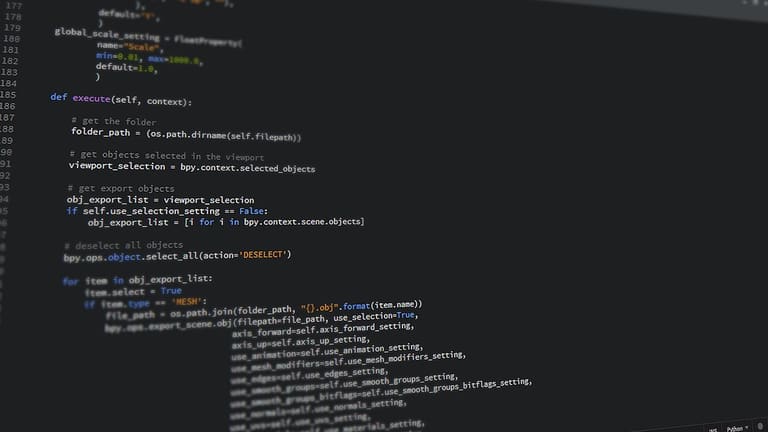
Functional programming side-effects-minimal, easily testable code boost-ஐ வழங்குகிறது. Errors-ஐ minimal-ஆக உருவாக்கவும், solid application-ஐ rapid develop-பண்ணவும் suited. Avoid mutable state, pure functions, immutability key to effect minimization.
Core: function not depending on anything but its input; output fully determined by input. No global state/file/network-ல touch. Pure functions always same-out for same-in, making test/debug easy.
| Feature | Explanation | Role in Functional Programming |
|---|---|---|
| Pure Functions | No dependency on external state; side effects nil. | Reduces side-effects, improves testability. |
| Immutability | Once initialized, data untouched. | Consistency, error avoidance. |
| Function Composition | Combine small functions into complex logic. | Modularity, reusable code. |
| Higher Order Functions | Functions take/return other functions. | Abstraction, flexibility. |
Side-effects-ஐ minimal-ஆக functional programming offers many superpowers. For instance, global variable manipulation/file write avoided; bug-finding streamlined.
Effect minimisation tips:
- Use pure functions: Consistent out for consistent in.
- Avoid mutable state: Go for immutable data structures.
- Composition: Combine tiny, testable functions.
- Isolate effects: Effectful operations in dedicated module.
- Use monads: Structured effect management.
- Test-driven development: Write tests before code, catch effects early.
Some languages (like Haskell) let you specify effectful zones clearly, using monadic typing. Effects thus auditable and controlled.
உதாரணங்கள் & பயன்பாடுகள்
E-commerce app: Order-processing workflow-ஐ pure function-அக fragment செய்யலாம் — validation, payment, stock check, shipment — each step pure, depending only on input. Easy test/debug.
Functional paradigm — less bugs, easier tests, sustainable code guarantee.
செயல்பாட் நிரலாக்கம் மற்றும் செயல்திறன்
Functional programming — especially large-scale apps-ல் — performance impacts. Immutability, purity brings some overhead, but parallelization/cache benefits deliver huge throughput.
| Feature | Functional Approach | Imperative Approach |
|---|---|---|
| Data Change | Immutable | Mutable |
| Side Effects | None | Present |
| Parallelisation | Easy | Hard |
| Caching | Effective | Limited |
Performance downside: data copy overhead; every time new immutable structure, memory usage grows — but consistency rises and bug risk lowers. Choose data structures carefully; avoid unnecessary cloning.
Performance notes:
- Recursive (not loop) function use: impacts stack/overhead for some cases.
- Immutability: good for small data, sometimes heavier for big-volumes.
- Pure functions: parallelisation super-easy, works fine for multicore systems.
- Cache: functional code exploits effective caching — same-in always same-out.
- Lazy evaluation: avoids unnecessary computation.
- Compilers optimise: good functional languages automatically optimise code.
Overall performance — largely depends on language/compiler: eg, Haskell compiler optimises code, enabling functional code to match imperative speed.
Relationship between paradigm and performance complex — analyse casewise. Parallel/cache advantages significant; modern multicore CPUs optimal usage possible.
பக்க விளைவுகள் — பொதுவான பிழைகள்
Functional principles-ஐ implement செய்யும்போது, common pitfalls plenty. Knowing traps means clean code, scalable software. Side-effect management fundamental — wrong handling, unpredictable app behaviour.
Common misconceptions/mistakes:
- Attempting to eliminate all effects (sometimes not practical).
- Location/impact of effects not clearly understood.
- Storing state in global variables — leads to unexpected bugs.
- Assuming function depends only on input.
- Testing effects overlooked.
- Monadic structures/tools not adopted for effect isolation.
Effect testability often ignored — effectful functions hard to unit-test. Always isolate effects, test individually.
Effect management — challenges:
| Error Type | Description | Preventive Method |
|---|---|---|
| Global Variable Use | Function modifies global state | Avoid globals, prefer immutable structures |
| I/O Operations | Reads/writes to file/network calls uncontrolled | Isolate, monadify where possible |
| Unexpected Exceptions | Function throws unhandled exceptions | Use try-catch, smart error handling |
| Order-dependency | Function depends on execution order | Async/concurrency tools adoption |
State management — classic challenge; mutable state breeds bugs. Use immutable structures; instead of modifying, produce new objects.
Full effect elimination sometimes impractical (eg, DB write). Focus: control, isolate, monadify, strategic error management.
செயல்பாட் நிரலாக்கம் — resource guide
Functional programming master செய்ய plenty of resources. Books, blogs, courses, communities — theory/practice — portfolio grow செய்ய. Use multiple resources; multiple perspectives; interactive learning.
Some resources focus on theory, others code, courses interactive, communities peer-support — diversify learning. See below table for types:
| Resource Type | Description | Advantages |
|---|---|---|
| Books | In-depth explanation of principles/concepts | Detailed knowledge, thorough examples, long-term reference |
| Online Courses | Lessons, exercises, projects | Flexible, practical, instructor assistance |
| Articles/blogs | Current topics, best practice, solutions | Quick access, diverse views, up-to-date |
| Communities/forums | Peer interaction, Q&A, experience sharing | Support, problem solving, new ideas |
Some recommended books/articles:
- Structure and Interpretation of Computer Programs (SICP) – Harold Abelson, Gerald Jay Sussman
- Functional Programming in Scala – Paul Chiusano, Rúnar Bjarnason
- Thinking Functionally with Haskell – Richard Bird
- Real World Haskell – Bryan O’Sullivan, Don Stewart, John Goerzen
- Why Functional Programming Matters – John Hughes (Article)
- Out of the Tar Pit – Ben Moseley, Peter Marks (Article)
Be patient; consistent practise. Try different languages/approaches; develop your coding style. Join communities, share ideas — continuous learning = mastery.
சுருக்கம் மற்றும் செயல்படுத்தும் படிநிலைகள்
This article, functional paradigm principles/side-effect management — detailed. Functional programming clears, readable, testable code yields; effect control means robust/stable apps. Now, you know key concept and control strategies.
First, adapting paradigm — slightly tough. But, payoff: modular, readable, maintainable code. Controlled effects — easy debugging/fixing. Be patient, practise.
Key points table:
| Principle | விளக்கம் | மாதிரி |
|---|---|---|
| Immutability | Data structure never changes | JavaScript const or immutable types |
| Pure Function | Same input, same output | Number addition function uses only inputs |
| Higher Order Functions | Functions as arguments/results | JavaScript map/filter/reduce functions |
| Composition | Building complex logic from small functions | Chaining output of two/more functions |
Implementation steps:
- Learn fundamentals: Deeply understand pure/immutable/higher-order/recursion etc.
- Practise: Try small projects, use principles.
- Refactor: Rewrite existing code, reduce effects.
- Write tests: Functional code testing is easy — use it.
- Join communities: Learn/share, update skills.
- Use libraries: Adopt lodash/ramda etc. for productivity.
Functional paradigm is a tool — not always optimal for every problem. Right usage, delivers quality, makes development enjoyable. Best wishes!
கேள்வி/பதில் — FAQ
செயல்பாட் நிரலாக்கத்தை பிற நிரலாக்க paradigm-களில் இருந்து கண்டிப்பது என்ன?
செயல்பாட் நிரலாக்கம், mutable data-ஐ minimal-ஆக்கு, pure functions, immutable data structures, declarative logic-ஐ focus செய்கிறது. Object-oriented like paradigms mostly mutable state, imperative logic-ஐ centric.
செயல்பாட் நிரலாக்கம் readability/maintainability-க்கு என்ன advantages?
Pure functions – code predictable, easy debug/test. Immutable structures – bugs minimal; code sustainable.
Side-effect என்றால் என்ன, ஏன் முக்கியம் மாவும்?
Function, just returning value not enough; updates program state/file/db/network, etc. Functional programming-ல், effects minimal-ஆக்க focus, as effects bring complexity, bug-risk, testing-hardness.
Side-effect-ஐ full-ஆக்க eliminate செய்ய முடியுமா? இல்லை குறைக்க முயலுமா? எப்படி?
Full-elimination not always practical; target is effect minimisation. Solution: pure functions, isolated modules for effects, monads for effect-control.
Functional programming-க்கு best languages என்ன?
Haskell, Lisp, Clojure, Scala, F#—all best for paradigm; each supports pure/immutable/higher-order features strongly. Strong type-systems prevent bugs.
Performance-wise—functional versus imperative—advantage/disadvantage?
Immutability/pure functions — parallelisation/cache effective. Sometimes more memory (large data) required. Large/parallel processing best fit; but learning curve/memory usage initially higher.
Beginner pitfalls—effect management பற்றி என்ன தவிர்க்க?
Global state manipulation, effectful functions, outside-world dependency, test-avoidance — avoid. Focus: pure, immutable, isolated modules.
Functional programming skill development-க்கு resource suggestions?
Books (SICP), Coursera/EdX courses, StackOverflow/Reddit communities, Official docs for chosen language — all great. Practise essential; community helps.