 Afrikaans
 Azərbaycan
 Bosanski
 Čeština
 Dansk
Dansk Deutsch
 English
 Español
 Filipino
 Français
 Hrvatski
 Indonesia
 Italiano
 Magyar
 Melayu
 Nederlands
 Norsk
Norsk Oʻzbek
 Polski
 Português
 Română
 Slovenčina
 Slovenščina
 Suomi
Suomi Svenska
 Tiếng Việt
 Türkçe
 Ελληνικά
 Беларуская
 Български
 Русский
 Српски
 Українська
 עברית
עברית اردو
اردو العربية
 پښتو
پښتو فارسی
فارسی አማርኛ
አማርኛ मराठी
मराठी বাংলা
বাংলা தமிழ்
தமிழ் ไทย
ไทย မြန်မာ
 한국어
한국어 中文
中文 日本語
日本語

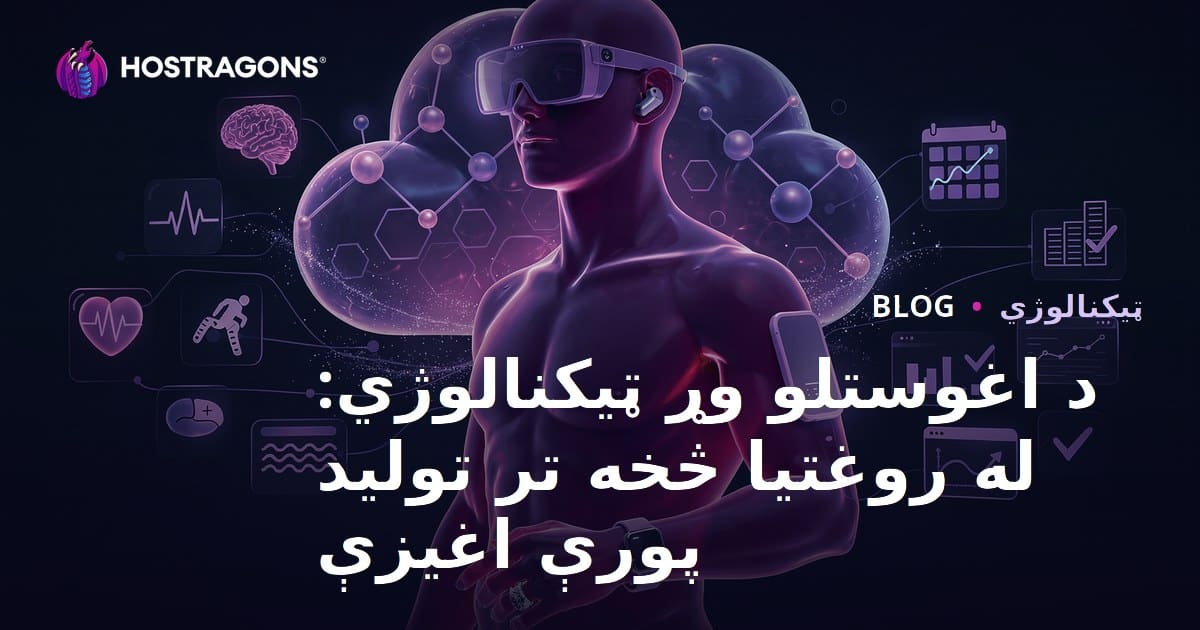
Wearable technologies have become a significant aspect of modern life across various fields. In this blog post, we delve into the definition, historical development, and importance of wearable technologies. These gadgets are utilized in a wide range of areas, from health tracking to productivity in the workplace, from education to daily living. While emphasizing the positive effects of wearable devices on health, we also discuss their advantages in business processes and their potential in education. Furthermore, various types of wearable technologies and their applications are introduced, and future trends are anticipated. By evaluating the benefits and drawbacks in a balanced manner, we highlight important considerations when using these technologies. Ultimately, the future of wearable technologies is bright and will continue to significantly impact our lives.
Definition and Importance of Wearable Technologies
Wearable technologies are electronic devices that interact directly with our bodies and can perform various functions. These devices can be used for many different purposes, such as tracking daily activities, monitoring health conditions, communicating, and even optimizing business processes. They appear in various forms, such as smartwatches, fitness trackers, smart glasses, and wearable medical devices.
| Type of Wearable Technology | Key Features | Areas of Use |
|---|---|---|
| Smart Watches | Notifications, health tracking, GPS | Daily use, sports, communication |
| Fitness Trackers | Step counting, heart rate monitoring, sleep tracking | Health and fitness, exercise |
| Smart Glasses | Augmented reality, video recording, information access | Entertainment, education, industrial applications |
| Wearable Medical Devices | Continuous glucose monitoring, ECG tracking | Healthcare, chronic disease management |
The importance of wearable technologies lies in their data-driven approaches that enable individuals and organizations to make more informed decisions. For instance, an athlete can enhance training efficiency with a wearable device, while a physician can remotely monitor a patient's health condition. Businesses can benefit from these technologies to improve the productivity and safety of their employees.
Important Elements of Wearable Technologies
- Ease of Use: Devices should have simple and intuitive interfaces.
- Data Accuracy: The data collected must be reliable and accurate.
- Battery Life: Devices must offer sufficient battery life for extended use.
- Compatibility: Seamless integration with different devices and platforms.
- Security: Protection of personal data and ensuring privacy.
With the widespread adoption of these technologies, significant changes are occurring in areas like health, sports, business, and education. People increasingly depend on wearable technologies to lead more active and healthy lives, manage work processes more efficiently, and enrich their learning experiences. In the future, it is anticipated that more advanced wearable technologies, integrated with artificial intelligence and the internet of things (IoT), will become an indispensable part of our lives.
Wearable technologies transcend mere accessories, becoming essential tools that simplify our lives, enhance our efficiency, and improve our health. The potential these technologies offer continues to grow with the advancements in technology.
Historical Development of Wearable Technologies
Wearable technologies have become an integral part of our lives today. However, the origins of these technologies date back much further than one might think. The first wearable devices were initially designed primarily for calculation and time measurement purposes but have evolved over time to integrate sensors, wireless communication, and advanced software, becoming much more complex and capable. This evolution can be seen as a reflection of the search for technology's integration with the human body.
Understanding the historical development of wearable technologies allows us to better assess existing innovations and future potential in this field. The first steps were taken in the 16th century when pocket watches became portable. Later, in the 20th century, devices like hearing aids and the first electronic calculators can be considered pioneers of wearable technologies. However, the rise of modern wearable technologies has been made possible by advancements in microelectronics and wireless communication technologies.
Stages of Development
- 16th Century: The invention of portable watches marked the first step in wearable technologies.
- Early 20th Century: Health-focused devices such as hearing aids emerged.
- 1970s: Calculator watches and the first wearable computers appeared.
- 2000s: Bluetooth headphones and fitness trackers became popular.
- 2010s: Smartwatches, smart glasses, and advanced health sensors emerged.
- Today: AI-supported wearables, integrations of virtual reality and augmented reality.
Today, wearable technologies are used not only for entertainment and communication, but also in health tracking, sports performance analysis, safety, and industrial applications. These devices significantly enhance the quality of life for users while also improving efficiency and safety. In the future, wearable technologies are expected to become even more personalized, integrated with artificial intelligence, and develop a more organic connection with the human body.
| Period | Example of Wearable Technology | Key Features |
|---|---|---|
| 16th Century | Portable Watches | Time display, mechanical operation |
| Early 20th Century | Hearing Aids | Sound amplification, analog technology |
| 1970s | Calculator Watches | Calculation, digital display |
| 2010s | Smartwatches | Multiple sensors, wireless communication, app support |
The historical development of wearable technologies is a product of humanity's curiosity about technology and its continuous desire for progress. This journey from the past to the present offers clues about what to expect in the future. The potential of wearable technologies to revolutionize health, education, business, and many other areas ensures that investments and research in this field will continue to grow.
Effects of Wearable Technologies on Health
Wearable technologies facilitate a revolutionary change in the health sector, allowing individuals to monitor and manage their health more closely. Through these devices, users can continuously gather real-time information about bodily functions, activity levels, and sleep patterns. The data obtained supports both individual health management and provides health professionals with better insight into evaluating their patients' conditions.
Air Quality Trackers
For those living in large cities, air quality is a significant health factor. Wearable air quality trackers measure the level of air pollution in the user's environment, alerting them to potential health risks. This enables individuals with respiratory conditions like asthma or allergies to take necessary precautions when air quality is poor.
The following table provides examples of various applications and benefits of wearable technologies in the health sector:
| Wearable Technology | Application in Health | Potential Benefits |
|---|---|---|
| Smart Watches | Heart rate monitoring, step counting, sleep analysis | Early diagnosis, activity tracking, improved sleep quality |
| Fitness Bands | Calorie burning, exercise duration, distance measurement | Increased motivation, weight management, higher physical activity levels |
| Glucose Sensors | Continuous monitoring of blood sugar levels | Facilitated diabetes management, reduced risk of hypoglycemia/hyperglycemia |
| ECG Monitors | Continuous monitoring of heart activity | Arrhythmia detection, early diagnosis of heart diseases |
The accuracy and reliability of the data provided by wearable technologies are crucial for their effective use. Therefore, users should ensure that the devices they choose are clinically tested and approved.
Fitness Trackers
Fitness trackers encourage individuals to adopt a healthier lifestyle by helping them track their daily activities and exercise routines. These devices record data such as step count, distance, and calories burned, supporting users in reaching their goals.
Health Benefits
- Improvement of cardiovascular health
- Support for weight management
- Enhancement of sleep quality
- Reduction of stress levels
- Assistance in chronic disease management
- Facilitation of physical activity habits
The personalized health tracking offered by wearable technologies empowers individuals to make more informed health decisions. However, it is crucial to remember that these devices are not diagnostic tools, and individuals experiencing health issues should always consult a healthcare professional.
We must not forget that:
Wearable technologies hold great potential in the health sector, but they will yield beneficial results only when used correctly and consciously. The data provided by these devices should be evaluated by a healthcare professional to ensure the most accurate and effective health management.
Impact of Wearable Technologies on Work
Wearable technologies are creating significant transformations in the workplace. Especially with their increasing usage in recent years, they provide great advantages in increasing employee productivity, optimizing work processes, and ensuring a healthier work environment. These technologies can offer feedback by monitoring employee performance while also preventing workplace accidents and enhancing safety.
Productivity Increase
Wearable devices can assist employees in completing their tasks more efficiently. For example, smartwatches and smart glasses make it easier for employees to quickly access information, communicate, and manage their tasks. This saves time and boosts overall productivity.
Some wearable technologies that can be used to monitor and improve employee performance, along with their benefits, are summarized in the table below:
| Wearable Technology | Application Area | Contribution to Productivity |
|---|---|---|
| Smart Watches | Notification tracking, communication | Instant information access, quick communication |
| Smart Glasses | Augmented reality applications | Hands-free information access, task tracking |
| Fitness Trackers | Health and activity monitoring | Improvement of employee health, increase in motivation |
| Smart Workwear | Ergonomic support, safety monitoring | Reduction of injury risks, safe working environment |
Advantages in the Workplace
- Increased Productivity: Tasks can be completed more quickly and effectively.
- Improved Communication: Seamless communication through instant messaging and notifications.
- Enhanced Workplace Safety: Prevention of workplace accidents and reduction of risks.
- Health Monitoring: Tracking and improving the health conditions of employees.
- Better Time Management: Planning and tracking tasks efficiently.
- Data-Driven Decisions: Strategic decisions based on performance data analysis.
Time Management
Wearable technologies can improve time management by helping employees plan their days more efficiently. For instance, smart calendar applications and task reminders make it easier for employees to keep track of their appointments and important tasks. Additionally, the data collected through wearable devices allows employees to analyze how they spend their time and avoid inefficient activities.
The advantages offered by wearable technologies contribute to creating a more dynamic and efficient working environment. However, it is crucial to consider issues such as privacy and data security during the utilization of these technologies. In this context, companies should provide necessary training for their employees and develop appropriate policies.
Wearable technologies are not just a trend in the workplace; they are powerful tools with the potential to enhance productivity and employee well-being.
Wearable technologies will continue to play a significant role in the workplace. The correct integration of these technologies and providing solutions that cater to employee needs will help companies gain a competitive advantage and achieve sustainable growth.
Role of Wearable Technologies in Education
The education sector is experiencing significant transformation thanks to wearable technologies. These technologies make learning processes more interactive, personalized, and accessible, offering new opportunities for both students and educators. The data collected through wearable devices can be used to understand learning styles, monitor performance, and optimize educational programs. This allows for the design of adaptive learning experiences that better meet individual student needs.
To understand the potential of wearable technologies in education, we must closely examine their various applications and advantages. Positive effects are observed in many areas, from increasing student participation in class to reducing teachers' workloads. Especially augmented reality (AR) and virtual reality (VR) supported wearable devices offer students the chance to conceptualize abstract concepts into concrete experiences.
Applications and Benefits of Wearable Technologies in Education
| Wearable Technology | Application Area | Benefits |
|---|---|---|
| Smart Watches | Class tracking, time management | Enhancing student organization, reminders |
| VR/AR Glasses | Virtual classroom environments, interactive learning | Concrete understanding of abstract concepts, increased motivation |
| Fitness Trackers | Physical activity tracking, health awareness | Encouragement of healthy living habits, increased energy levels |
| Smart Badges | Attendance tracking, student monitoring | Reduction of absenteeism issues, increased safety |
Development-Enhancing Tools
- Smart Pens: Facilitate note-taking and recording lessons.
- Wearable Sensors: Measure students' attention and focus.
- Augmented Reality Apps: Make books and educational materials interactive.
- Virtual Reality Simulations: Provide opportunities to experience historical events and scientific experiments.
- Smart Clothing: Enhance student comfort by tracking body temperature and posture.
- Hearing Aids: Aid students with hearing impairments in classroom participation.
For wearable technologies to be successfully applied in education, it is crucial to train and support teachers on these technologies. Educators can use these tools to make their lessons more engaging and effective. Also, enhancing the technological infrastructure of schools and providing affordable solutions for students are essential.
Hearing Aids
Hearing aids significantly impact education, especially for students with hearing loss. These devices help students better hear lessons and actively participate in classroom discussions. Advanced hearing aids reduce distracting background noise, aiding the student in focusing on the lesson.
The role of wearable technologies in education is an evolving field. In the future, it is expected that smarter and more personalized wearable devices integrated with artificial intelligence and machine learning will be more widely used in education. These technologies could serve as important tools for maximizing students' learning potential and ensuring equal educational opportunities.
Wearable Technologies: Applications and Types

Wearable technologies have become an integral part of our daily lives, revolutionizing a variety of domains, including health, sports, entertainment, and work. These devices can monitor users' movements, measure biometric data, and synchronize with smartphones or other devices to provide information. Let’s take a closer look at the applications and types of wearable technologies.
Wearable devices go beyond being mere accessories; they have become personal assistants, health advisors, and even security tools. The possibilities these devices offer not only enhance the quality of life for users but also allow businesses to increase their productivity and competitiveness. Particularly in the health sector, early diagnosis and tracking of diseases have become possible thanks to wearable technologies.
| Type of Wearable Device | Key Features | Areas of Use |
|---|---|---|
| Smart Watches | Notifications, activity tracking, GPS, heart rate monitoring | Daily use, sports, health monitoring |
| Smart Bands | Step counting, sleep tracking, calorie calculation | Fitness, health tracking |
| VR Glasses | Virtual reality experience, 3D visualization | Entertainment, education, simulation |
| Smart Clothing | Body temperature measurement, performance tracking | Sports, health, safety |
The diversity of wearable technologies is increasing every day, offering solutions for different needs. For example, smart glasses provide augmented reality experiences, while smart clothing products can continuously monitor body functions. This variety enables users to choose the most suitable device for their needs and preferences.
Smart Watches
Smartwatches are among the most popular wearable technologies. In addition to basic functions such as displaying notifications, making calls, and sending messages in sync with smartphones, they also offer features like activity tracking, heart rate monitoring, and GPS. Some models even include advanced health features like EKG and blood oxygen level measurement.
Smartwatches assist users in tracking their daily activities and closely monitoring their health. They are particularly valuable tools for athletes to measure and improve training performance. Furthermore, the sleep tracking feature provides insights to enhance sleep quality.
Popular Wearable Devices
- Apple Watch
- Samsung Galaxy Watch
- Fitbit Sense
- Garmin Venu
- Xiaomi Mi Band
- Huawei Watch GT
Smart Bands
Smart bands offer a lighter and more affordable alternative to smartwatches. They typically include fitness-oriented features such as step counting, sleep tracking, and calorie calculation. Some advanced features commonly found in smartwatches (such as GPS and EKG) are usually not present in smart bands. However, their long battery life and simple usability make them an ideal choice for those who want to track daily activities.
Smart bands are especially suitable for those just starting with sports or individuals looking to monitor their daily activities. Their user-friendly interfaces and extended battery life allow users to avoid the hassle of frequent recharging. Additionally, some models feature water resistance, making them suitable for use during swimming or other water sports.
Wearable technologies offer innovative solutions that simplify our lives, ranging from personal health tracking to enhancing workplace productivity. The future of these technologies is promising, and their potential is quite high.
Wearable technologies are becoming an indispensable part of our lives as their applications and diversity continue to grow. These devices play significant roles in maintaining our health, improving our productivity, and enhancing our quality of life.
Future and Trends of Wearable Technologies
Wearable technologies continue to revolutionize various areas of our lives. Today, these technologies, which range from smartwatches to fitness trackers, are preparing to offer even more integrated and personalized solutions in the future. Advances in artificial intelligence, augmented reality, and nanotechnology are greatly enhancing the potential of wearable technologies. This gives rise to new opportunities in sectors such as healthcare, sports, business, and entertainment.
| Trend | Description | Expected Impact |
|---|---|---|
| Improvements in Health Monitoring | More accurate sensors and AI-supported analyses | Early detection of chronic diseases and personalized treatment approaches |
| Integration of Augmented Reality | AR experiences through wearable devices | More interactive and informative experiences in education, entertainment, and business processes |
| Flexible and Wearable Devices | Lightweight, durable, and more user-friendly wearable devices | Enhanced usability and portability |
| Energy Efficiency | Longer battery life and wireless charging technologies | Facilitation of continuous use of wearable devices |
In the future, wearable technologies are expected to become an integral part of our lifestyle, transcending their role as mere tools. In particular, wearable devices integrated with artificial intelligence will analyze users' behaviors to provide personalized suggestions, thereby enhancing lifestyle quality. For instance, a wearable device could suggest better sleep practices based on tracking a user's sleep patterns or recommend relaxation techniques by measuring stress levels.
Anticipated Trends
- Smarter and More Personalized Health Tracking
- Widespread Adoption of Augmented Reality-supported Applications
- Development of Flexible and Wearable Devices
- Integration of Wearable Payment Systems
- Advancements in Energy Efficiency and Wireless Charging Technologies
- Wearable Sensors Produced with Nanotechnology
The future of wearable technologies raises ethical and security issues as well. Protecting user data privacy, ensuring the security of devices against cyber-attacks, and developing technology within ethical frameworks will be critical for sustainable growth. Thus, both developers and users must be diligent and responsible in these matters.
The future of wearable technologies is not only shaped by technological advancements but also by users' needs and expectations. Therefore, manufacturers and developers should adopt a user-centered approach to ensure the successful proliferation of wearable technologies. With careful regard for personal data protection and user privacy, wearable devices have the potential to offer a healthier, more productive, and more connected life.
Advantages and Disadvantages of Wearable Technologies
Wearable technologies have the potential to create revolutionary changes in many areas of our lives, but it is essential to carefully evaluate the advantages and disadvantages that these technologies bring. While they offer various benefits, from health tracking to ease of communication, they can also raise concerns about privacy and addiction. Therefore, it is vital to adopt a conscious and balanced approach when using wearable technologies.
One of the advantages of wearable devices is the ease they provide in health and fitness tracking. Users can more closely monitor their health status and adjust their lifestyles accordingly with tools like pedometers, heart rate monitors, and sleep tracking devices. This is particularly beneficial for individuals with chronic conditions. However, it is necessary to be cautious about the accuracy and reliability of the data these devices provide. Despite the use of advanced sensors and algorithms, measurements from these devices may not always be 100% accurate.
Pros and Cons
- Pros:
- Health and fitness monitoring
- Ease of communication and instant notifications
- Navigation and location identification
- Enhanced security features
- Efficiency and time management
- Cons:
- Privacy concerns
- Risk of addiction
- Battery life issues
Another significant advantage of wearable technologies is their potential to increase productivity in the workplace. With smartwatches and other wearable devices, employees can check emails, receive meeting reminders, and even perform some tasks using voice commands, greatly simplifying their tasks, particularly when they need to work hands-free or while on the move. However, the continuous distraction these devices present may impair concentration and negatively affect productivity.
Comparative Analysis of Wearable Technologies
| Feature | Advantages | Disadvantages | Recommendations |
|---|---|---|---|
| Health Tracking | Personalized health data, proactive health management | Concerns about data privacy, potential for misleading information | Choose reputable brands, regularly share your data with your doctor |
| Communication | Instant notifications, hands-free communication | Ongoing distractions, social isolation | Customize notifications, allocate time for social interaction |
| Productivity | Task management, time-saving | Addiction, over-reliance | Limit device usage, enhance real-world skills |
| Security | Location tracking, emergency notifications | False alarms, technical failures | Properly configure device settings, regularly test them |
Wearable technologies are becoming an integral part of our lives, offering both advantages and disadvantages. While using these technologies, it is essential to adopt a conscious and balanced approach that takes potential risks into account. Regularly checking privacy settings, limiting device usage, and verifying data from reliable sources will help you make the most of these technologies.
Important Considerations When Using Wearable Technologies
Wearable technologies can assist us in various areas of our lives, but if not used correctly, they can also carry certain risks. To leverage the advantages offered by these devices and protect ourselves from potential downsides, several important points must be considered. This section will thoroughly examine what we need to pay attention to when using wearable technologies.
| Considerations | Description | Importance |
|---|---|---|
| Privacy Settings | Adjusting data collection and sharing settings of devices | Protection of personal data |
| Health Data Security | Secure storage and sharing of health data | Preventing misuse of sensitive information |
| Correct Usage | Using devices according to user manuals | Extending device life and obtaining accurate data |
| Battery Health | Properly charging the battery and protecting it from extreme temperatures | Maintaining device performance and longevity |
While enjoying the personalized experiences offered by wearable devices, it is important to safeguard our privacy and security. These devices gather a wide range of data, from our steps to our sleep patterns and from our heart rates to our location information. Understanding how this data is used and who it is shared with is the first step toward protecting our personal privacy. By carefully examining data collection and sharing options in the device settings menu, we can control what information is collected and who it is shared with.
Usage Tips
- Regularly update your device's software.
- Check and adjust your privacy settings as needed.
- Use strong passwords to keep your health data secure.
- Utilize your device according to its user manual.
- Turn off unnecessary features to extend battery life.
- Protect your device from extreme temperatures.
The security of our health data is equally important as our privacy. Health data collected via wearable devices can contain sensitive information, and unauthorized access to this information could have serious consequences. Therefore, we should reinforce the security settings of our devices and applications, encrypt our data, and share it through trusted platforms. Additionally, we should regularly monitor who we share our health data with and how it is used.
The correct use of wearable technologies is another critical aspect to consider. By carefully reading the usage manuals of these devices, we can learn how to use them properly. Incorrect use can diminish device performance, lead to inaccurate data collection, and potentially shorten the device's lifespan. Consequently, effectively using these devices ensures we gain the utmost benefit from them while avoiding possible issues.
Conclusion: Future of Wearable Technologies
Wearable technologies have begun to manifest in many areas of our lives and possess the dynamic potential to significantly increase their impact in the future. With innovative solutions offered in diverse sectors—from health to education and business to daily life—these technologies are in a constant state of development and transformation. In the coming years, advancements in artificial intelligence, 5G technology, and sensor technology are expected to make wearable devices even smarter, more personalized, and user-friendly.
| Technology Area | Expected Developments | Potential Effects |
|---|---|---|
| Health | Remote patient monitoring, personalized medication therapies | Improved quality of healthcare services, reduced costs |
| Workplace | Augmented reality-supported work applications, performance monitoring | Increased productivity, optimized work processes |
| Education | Virtual reality-supported learning environments, personalized educational programs | Enrichment of the learning experience, increase in learning success |
| Daily Living | Smart home integration, personalized entertainment experiences | Improved quality of life, easier daily tasks |
However, alongside this bright future, careful attention must also be paid to issues like privacy, security, and data confidentiality as wearable technologies continue to proliferate. Protecting users' personal data, ensuring device security against cyber-attacks, and developing technology in accordance with ethical principles are critical for fostering sustainable growth. In this context, both manufacturers and users must act with diligence and responsibility.
Action Steps
- Conscious Use: Understanding the potential benefits and risks of wearable technologies.
- Security Measures: Configuring device security settings and updating them regularly.
- Data Privacy: Understanding how personal data is collected and used and checking privacy settings.
- Ethical Values: Promoting the ethical use of technology.
- Education and Awareness: Being informed about wearable technologies and educating others.
- Providing Feedback: Contributing to product improvements by giving feedback to manufacturers and developers.
Wearable technologies are powerful tools with the potential to significantly influence our lives. While capitalizing on the opportunities these technologies provide, it is essential to approach them consciously and responsibly by taking into account the potential risks. The future of wearable technologies will be shaped by the collective efforts of users and developers.
Frequently Asked Questions
What innovations do wearable technologies bring to our lives?
Wearable technologies transform our lives by enabling us to track our health, enhance workplace productivity, offer more interactive learning experiences in education, and streamline daily activities. They elevate our quality of life through personalized experiences and instant feedback.
What are the primary devices associated with wearable technology?
Smartwatches, fitness trackers, smart glasses, virtual reality headsets, wearable sensors, and even smart clothing fall under the category of wearable technology. Each has different applications and features.
What is the potential of wearable technologies in health?
Wearable technologies allow for continuous monitoring of our heart rate, sleep patterns, activity levels, and even blood sugar levels. This helps closely track our health status, contributing to early diagnosis and personalized treatments, thus boosting the quality of healthcare services.
How can wearable technologies affect performance in the workplace?
In the workplace, wearable technologies help employees monitor their physical activity levels to maintain their health while simultaneously increasing efficiency in work processes. For example, smart glasses can facilitate faster and easier inventory tracking in the logistics sector.
How can wearable technologies be utilized in education?
Wearable technologies can provide students with more interactive and personalized learning experiences. Through virtual reality headsets, students can concretely experience lesson topics, while wearable sensors can help measure students' attention levels, assisting in optimizing learning processes.
What ethical issues may arise with the proliferation of wearable technologies?
The widespread adoption of wearable technologies brings issues like data privacy, security, and discrimination to the forefront. Transparency and regulations concerning how personal data is used, who it is shared with, and the security of that data are of utmost importance.
What can be said about the future of wearable technologies, and which trends are prominent?
The future of wearable technologies is incredibly promising. We will soon see smarter and more personalized devices thanks to the integration of artificial intelligence and machine learning. Additionally, trends likely to emerge include more advanced sensors and diagnostic capabilities in healthcare, increases in energy efficiency, and sleeker designs.
What recommendations do you have for those looking to start using wearable technology?
Before starting to use wearable technology, identify your needs and expectations. Compare the features and prices of different devices to make a choice that fits your budget. Additionally, pay attention to the usability, data privacy, and security of the device.