 Afrikaans
 Azərbaycan
 Bosanski
 Čeština
 Dansk
Dansk Deutsch
 English
 Español
 Filipino
 Français
 Hrvatski
 Indonesia
 Italiano
 Magyar
 Melayu
 Nederlands
 Norsk
Norsk Oʻzbek
 Polski
 Português
 Română
 Slovenčina
 Slovenščina
 Suomi
Suomi Svenska
 Tiếng Việt
 Türkçe
 Ελληνικά
 Беларуская
 Български
 Русский
 Српски
 Українська
 עברית
עברית اردو
اردو العربية
 پښتو
پښتو فارسی
فارسی አማርኛ
አማርኛ मराठी
मराठी বাংলা
বাংলা தமிழ்
தமிழ் ไทย
ไทย မြန်မာ
 한국어
한국어 中文
中文 日本語
日本語

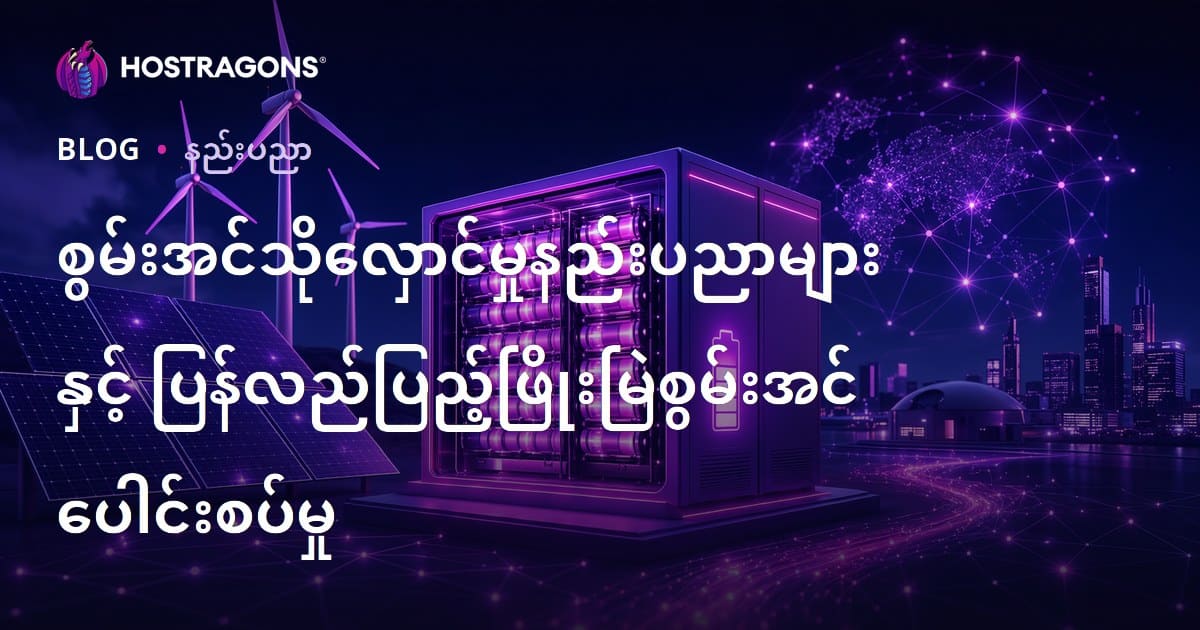
စွမ်းအင်သိုလှောင်နည်းပညာသည် ပြန်လည်သုံးစွမ်းနိုင်စွမ်းအင်၏ အားထုတ်သုံးမြောင်းမှု အတွက် အရေးကြီးသော အခန်းကဏ္ဍတွင် တစ်ဦးတည်း ကျယ်ပြန့်နေသည်။ ဒီဘလောက်အပိုင်းတွင် စွမ်းအင်သိုလှောင် ဆိုတာဘာလဲ၊ ပြန်လည်သုံးစွမ်းနိုင်စွမ်းအင်နှင့် ဘယ်လိုဆက်နည်းထားသည်၊ အသုံးဝင်မှုများ၊ စွမ်းအင်သိုလှောင်နည်းပညာအမျိုးမျိုး၊ နည်းလမ်းများ၊ ပြုပြင်မှုပြုလျက်ရှိသည့် ဖွံ့ဖြိုးတိုးတက်မှုများအတွက် မြန်မာအလုပ်အကိုင်လောကမှ လက်တွေ့အသုံးချမှုလည်းဝင်ပါစေဖို့ အချက်အလက်များ တင်ပြသွားမည်။ အနာဂတ်အတွက် စွမ်းအင်သိုလှောင်ရင်းနှီးမြှုပ်နှံမှုများသည် တာရှည်ပြီး စနစ်တကျသော စွမ်းအင်ခြွင်းလွန်သော ရှေးခယျြမှုနှင့် အကျိုးဖြစ်မှုများကို ထောက်ပြလိမ့်မည်။
စွမ်းအင်သိုလှောင်နည်းပညာ များ ဆိုသည်မှာ?
စွမ်းအင်သိုလှောင် ဆိုသည်မှာ ထုတ်ယူစွမ်းအင်ကို တစ်စိုက်တစ်ဆ လိုအပ်ချိန်အထိ ကန့်သတ်ထားနိုင်ရေးဖြစ်သည်။ ထိုနည်းလမ်း၊ စွမ်းအင်ထုတ်လုပ်မှုအချိန်နှင့် သုံးစွမ်းမှုအချိန် မတူသည့်အခါ ဦးစွာအရေးကြီးတတ်သည်။ အထူးသဖြင့် ပြန်လည်သုံးစွမ်းနိုင်စွမ်းအင် (solar, wind) သည် အချို့ကာလတွင်သာ အာရုံခံနိုင်သည့်အတွက်၊ သိုလှောင်နည်းပညာများသည် တည်ရှိမှု၊ ယုံကြည်နိုင်မှုနှင့် တတ်္တိန်မှု တိုးမြှင့်ရေးမှာ ဦးတည်ပေးသည်။ စွမ်းအင်သိုလှောင်စနစ်များသည် မလိုအပ်သည့်အချိန်တွင် ထုတ်ယူမည့် အပိုစွမ်းအင်ကို သိုလှောင်ပြီး လိုအပ်သည့်အခါ ပြန်လည်အာပာလွှင့်နိုင်သည်။
ပြန်လည်သုံးစွမ်းနိုင်စွမ်းအင်များရေးရာတြယ်ဆက်မှုအပြင်၊ သိုလှောင်နည်းပညာများသည် grid stability နဲ့ ပြန်လည်သုံးစွမ်းနိုင်စွမ်းအင်၏ efficiency တိုးမြှင့်မှုနဲ့ မလေးဘက်သိုလှောင်ကုန်ကျစရိတ်လျော့နည်းမှုတွင်ဘယ်သူမှ မပါလောက်သည်။ တပွဲတင် အမျိုးမျိုးသော စနစ်များ (battery, thermal, mechanical, chemical) နဲ့ အပြင် နယ်ပယ်အလိုက် အသုံးပြုနိုင်သည်။ တော၊ မြို့၊ စက်မှုသည်နယ်ပယ်၊ ကိုက်ညီစွမ်းအင် grid များအထိ အသုံးအပိုင်းတွေများသည်။
စွမ်းအင်သိုလှောင်နည်းပညာအမျိုးအစားများ
- Battery စနစ်များ (Lithium-ion, Lead-acid, flow batteries)
- Pumped Hydroelectric Storage
- Compressed Air Energy Storage (CAES)
- Thermal Energy Storage
- Hydrogen Depolama
- Mechanical Energy Storage (Flywheels)
ဒီနည်းပညာဖွံ့ဖြိုးမှုများသည် စွမ်းအင်ပိုင်းကြီးအတွက် ကြီးမားသော ပြုပြင်မှုပါဝင်စေနိုင်သည်။ သုံးစွမ်းမှုအတွက် စနစ်တကျ၊ တာရှည်၊ တစ်ပေါက်မြင့် efficiency – နည်းလမ်းအသစ်အများကြီး ပေါ်လာသည်။ ပိုမိုကျသည့် အနာဂတ်တွင် လှုပ်ရှားမှုများ၊ fossil fuel ကို လျော့သော dependence နဲ့ ကျယ်ပြန့်ပြန်လည်သုံးစွမ်းနိုင်စွမ်းအင် နေရာတည်မြှင့်ပေးနိုင်သည်။
စွမ်းအင်သိုလှောင်နည်းပညာ၏ ဦးညွှန်ချက်တွေကို သုံးစွမ်းမှုသက်တမ်း၊ capacity, efficiency, cost, life cycle, environmental impact စတာများအဟုထွေးလုပ်ခြင်းဖြစ်သည်။ Battery systems အချို့သည် frequency regulation၊ short backup အတွက် အထူးသင့်တကယ် သင့်လျော်သည်။ Pumped hydroelectric သည် ကြီးမားသော grid storage အတွက် ဆက်လက်ပြည့်စုံသည်။ အောက်မှာ အမျိုးအစားတစ်ချို့ကို တွဲမယ့် comparison တွင်ဖော်ပြထားသည်။
| နည်းပညာ | သိုလှောင် capacity | Efficiency | အသုံးဝင်ပုံ |
|---|---|---|---|
| Lithium-ion battery | အလယ် | %85-95 | Electric vehicles, Grid balancing, Residential storage |
| Pumped Hydro | အရမ်းကြီး | %70-80 | Large-scale grid storage |
| Compressed Air | အရမ်းကြီး | %40-70 | Large-scale grid storage |
| Flow Batteries | အလယ်-အရမ်းကြီး | %70-80 | Grid balancing, Long-duration storage |
ပြန်လည်သုံးစွမ်းနိုင်စွမ်းအင် နှင့် စွမ်းအင်သိုလှောင် ပေါင်းစည်းမှု
ပြန်လည်သုံးစွမ်းနိုင်စွမ်းအင် resource များသည် တစ်နိုင်တစ်ရန် မှတင်အနာဂတ် ခလုတ်သည့် output ဖြစ်သည်။ နေဖန်ရေသည် နေထွက်ချိန်၊ လေကြောင်းသည် လေတိုက်ချိန်ပေါ်တွင်သာ အလုပ်လုပ်နိုင်သည်။ ပြန်လည်သုံးစွမ်းနိုင်စွမ်းအင်သံသရာအရည်အသာ ကွာခြားမှုကို တစိစိသွေဖို့ စွမ်းအင်သိုလှောင်နည်းလမ်းများ အရေးပါသည်။ မလိုအပ်ချိန်တွင် ထုတ်ယူနှင့် သိုလှောင်မှုကြောင့် ပိုမိုတည်ကြီးပြီး reliable grid တပ်ဆင်နိုင်သည်။
Excess energy ကို သိုလှောင်ပြီး လိုအပ်ချိန်တွင် ပြန်လည်ပြောင်းလွှင့်နိုင်သည်။ Grid balancing/ black-out prevention အတွက် အရေးကြီးဖြစ်သည်။ ရှည်လွန်ရာဒေသများ၊ grid access မကောင်းသည့် ဧရိယာတွင်လည်း ပြန်လည်သုံးစွမ်းနိုင်စွမ်းအင် resource အပေါ် လုပ်ငန်းတိုးတတ်နိုင်သည်။
ပြန်လည်သုံးစွမ်းနိုင်စွမ်းအင်နှင့် သိုလှောင်နည်းလမ်း ၅ ဆင့်
- Production forecast ပြု၍ သိုလှောင်မှုလိုအပ်ချက်ရွေး
- Appropriate storage နည်းပညာရွေး (battery, hydrogen, ...)
- Integration လုပ်ခြင်း
- Grid compliance ပေါင်းစည်းခြင်း
- Optimization များ EMS နဲ့ ချိန်ညှိ
နည်းပညာများအားဖြင့် compare မှုတစ်ခုကို အောက်မင်တင်ထားသည်။
| နည်းပညာ | Advantages | Disadvantages | အသုံးပြုနယ်ပယ် |
|---|---|---|---|
| Lithium-Ion Batteries | High density, fast response | High cost, limited lifetime | EV, Grid storage |
| Lead-Acid | Low cost, widely available | Low energy density, short life | Backup power, small storage |
| Pumped Hydro | High capacity, long life | Geographic limitation, environmental impact | Large-scale grid |
| Hydrogen Storage | High density, long-term storage | Low efficiency, high cost | Transport, industry |
ပြန်လည်သုံးစွမ်းနိုင်စွမ်းအင်နှင့် စွမ်းအင်သိုလှောင်နည်းပညာ ပေါင်းစည်းမှုသည် supply continuity သာမက energy market stability/ price volatility ကို ပြဿနာတွေ့သည်။ Demand peak တွင် stored energy ကို လွှင့်၍ grid operation flexibility ရရှိသည်။ စွမ်းအင်သိုလှောင်သည် ပြန်လည်သုံးစွမ်းနိုင်စွမ်းအင် future လောက၌ major role ပေးနိုင်သော။
စွမ်းအင်သိုလှောင်နည်းပညာ ကိုအသုံးပြုခြင်း၏ ကျိုးရှိမှုများ
စွမ်းအင်သိုလှောင်နည်းပညာများသည် မြန်မာနိုင်ငံပါလည်း ပြန်လည်သုံးစွမ်းနိုင်စွမ်းအင်ကို မကျန်မကျ တန်းခြင်းအသုံးပြုနိုင်စေသည်။ Generated energy ကို later usage အတွက် သိုလှောင်နိုင်သဖြင့် grid reliability တိုးတက်သည်။ Especially solar & wind ပြန်လည်သုံးစွမ်းနိုင်စွမ်းအင် ကြီးများ continuity ကို တိုးတက်စေသည်။
- ကျိုးရှိမှုမိတ်ဖက်သည်
- Grid စနစ်တကျ, ဦးညွှန်ချက်ထိန်းချုပ်ရေး
- Renewable Integration ကို အထူးကောင်းမွန်
- Cost efficiency, အလုပ်သန်သည့် rate ထိထိ
- Backup power, blackout prevention
- Energy independence မြှင့်တင်
- Carbon footprint ဤမပြည့်သွားစေ
ထုတ်လုပ်စွမ်းအင်အတွက် efficiency တိုးတက်မှု၊ ဦးညွှန် cost efficiency (off-peak hour၊ low-cost energy), consumer expense လျော့နည်းမှု၊ blackout လိုအပ်သော critical points တွင် backup role ရရှိဖို့တင်ပေးသည်။
| Advantage | Description | Impact |
|---|---|---|
| Grid balancing | Supply & demand အတွက် frequency ဆွေ့ပေးသည် | Reliable & stable grid |
| Cost reduction | Lower expensive source reliance | Lower bill, better efficiency |
| Uninterruptible power | Power continuous in outage | Critical facility operation |
| Environmental benefit | Fossil fuel dependency reduction | Lower carbon, greener |
စွမ်းအင်သိုလှောင်နည်းပညာတို့သည် local resource ကို သိုလှောင်နိုင်သောဖြင့် energy independence ပိုတိုးသည်။ Geopolitics risk မြင့်သည့် နိုင်ငံများအတွက် ဆောင်ရွက်မှုလည်း ရှိသည်။ ပတ်ဝန်းကျင်အတွက် carbon emission နှင့် environmental impact လျော့နည်းရေးမှာလည်း အထွေထွေးွဆုံးအာပာပါသည်။
စွမ်းအင်သိုလှောင် ဆိုသည်မှာ renewable uptake နဲ့စုသော ဦးကောင်းခပ်တင်စားသည်။ Myanmar ဆိုရင် rural mini-grid, နယ်နင်း solar installation, စက်မှုသုံး grid, ပြည်စာ ရုံး, လုပ်ငန်း၊ အနာဂတ်တွင် long-term sustainable energy solution ဖြစ်လာနိုင်သည်။
စွမ်းအင်သိုလှောင်စနစ်အမျိုးမျိုး (နည်းလမ်းမျိုးစုံ)
စွမ်းအင်သိုလှောင်သည် renewable source ရဲ့ output instability နှင့် supply security ကို တိုးမြှင့်နိုင်ဖို့ critical importance ရှိသည်။ Mechanical, thermal, chemical, electrochemical schemes တစ်နည်းလည်းပေါ့ကိုယ်ပေါ်တွင် solution အမျိုးမျိုးရှိသည်။ Project specific need, cost efficiency ပြီးနောက်သင့်တော်မှုကို ရွေးချယ်ရန်လည်း တင်များသည်။
Grid balancing, renewable integration, efficiency optimization အတွက် ဒီသိုလှောင်နည်းလမ်းများ ယုံတည့်ပါတယ်။ Solar/wind တွင် production fluctuation ကို balance ပေးတယ်။ On-demand power delivery ပြုလုပ်နိုင်သည်။
| Method | Technology | Application |
|---|---|---|
| Mechanical Storage | Pumped Storage, CAES | Grid balancing, large-scale |
| Thermal Storage | Heat, cold storage | Heating/cooling, industry process |
| Chemical Storage | Hydrogen generation, Synthetic fuel | Transport, grid storage, long-duration |
| Electrochemical | Lithium ion, Lead-acid batteries | EV, portable, grid balancing |
သိုလှောင်နည်းပညာများသည် supply security နဲ့ environmental sustainability အတွက် စနစ်တကျတိုးပေးသည်။ Fossil fuel reliance တစ်စုံညိတ်နှင့် carbon emission လျော့သည်။ Cost efficiency များလည်း consumer အတွက် အကျိုးရှိသည်။
- စွမ်းအင်သိုလှောင်နည်းလမ်းအော်ဒါ
- Lithium Ion Battery
- Pumped Hydroelectric
- Compressed Air Energy Storage (CAES)
- Flow Batteries
- Thermal Energy Storage
- Hydrogen Depolama
နည်းလမ်းအသီးသီးကို အောက်မှာ မြန်မာ context မှာ လေ့လာသွားပါမည်။
Battery စနစ်များ
Battery အမျိုးမျိုး၊ အထူးသဖြင့် Lithium Ion battery ကို စွမ်းအင်သိုလှောင် များတွင် ပြည်တွင်းပြည်ပ အသုံးပြုမှု အရေအတွက်ဆုံးပါသည်။ High density, long lifespan, fast response ကို EV မှ grid-scale storage လောက်အသုံးပြုသည်။ နည်းပညာတိုးတတ်မှု တစ်နေ့တာနှင့် cost efficiency, performance တိုးတက်တာများ ရနိုင်သည်။
Hydrogen သိုလှောင်ခြင်း
Hydrogen depolama နည်းပညာသည် long-duration, large-scale စွမ်းအင်သိုလှောင် ထာဝရအတွက် ငွေမြှုပ်ရာအလားအလာရှိသည်။ Electrolysis ဖြင့် ပြန်လည်သုံးစွမ်းနိုင်စွမ်းအင် surplus ကို hydrogen production ပြု၍ later fuel cell ဖြင့် back to power ပြုလုပ်နိုင်သည်။ Gas/liquid/solid storage mode ပါဝင်သည်။ Best fit for renewable excess usage & transport application များ။
အပူနှင့်အအေးသိုလှောင်နည်းပညာများ
Thermal storage system မှာ Heating/Cooling ကို later use သို့သိုလှောင်နိုင်သည်။ Big building HVAC, industrial process efficiency တိုးတက်အတွက် រ water/ice/PCM (Phase Change Material) နည်းလမ်းအသုံးပြုသည်။ Peak load reduction, energy bill savings, grid stress reduction အတွက် အသုံးဝင်သည်။
ပြန်လည်သုံးစွမ်းနိုင်စွမ်းအင်စနစ်များတွင် သိုလှောင်နည်းပညာ၏ အခန်းကဏ္ဍ
ပြန်လည်သုံးစွမ်းနိုင်စွမ်းအင် (solar, wind, hydro) ကြီးများတွင် စွမ်းအင်သိုလှောင်စနစ်သုံးခြင်းသည် continuity, reliability, emission reduction တစ်ခုလုံးသည်။ Intermittent/variable nature ကို balance ချ၊ efficiency တိုးမြှင့်၊ grid backup/ operation flexibility ပြုလုပ်ခြင်းတွင် ပါဝင်သည်။
Grid balancing, carbon emission reduction, cost efficiency, energy independence တိုး၊ peak shaving/ stabilization ဝင်ယူသည်။ Solar/wind ရဲ့ variability တွင် stored energy ကို later supply ပြုလုပ်နိုင်ကြောင်း ရရှိသည်။
Depolama system ရဲ့ Benefits
- Grid balancing: Generation fluctuation ကို stabilize
- Efficiency: Lower loss, better use
- Cost saving: Peak hour ကို stored energy ဖြင့် minimize
- Emission reduction: Fossil fuel consumption cut
- Independence: Local resource/power autonomy
| Storage Technology | Renewable Use | Advantages |
|---|---|---|
| Battery Storage | Solar, Wind | Fast response, efficient |
| Pumped Hydro | Hydro, Wind | Large capacity |
| Thermal Storage | Solar, Geothermal | Heat/cool storage |
| Hydrogen Storage | Solar, Wind | Long-duration, fuel cell use |
စွမ်းအင်သိုလှောင်သည် grid stability, cost saving, renewable transition တိုးမြှင့်စေသော critical tool ဖြစ်သည်။
စွမ်းအင်သိုလှောင် အနေနဲ့ လိုအပ်သော အခြေခံအစိတ်အပိုင်းများ
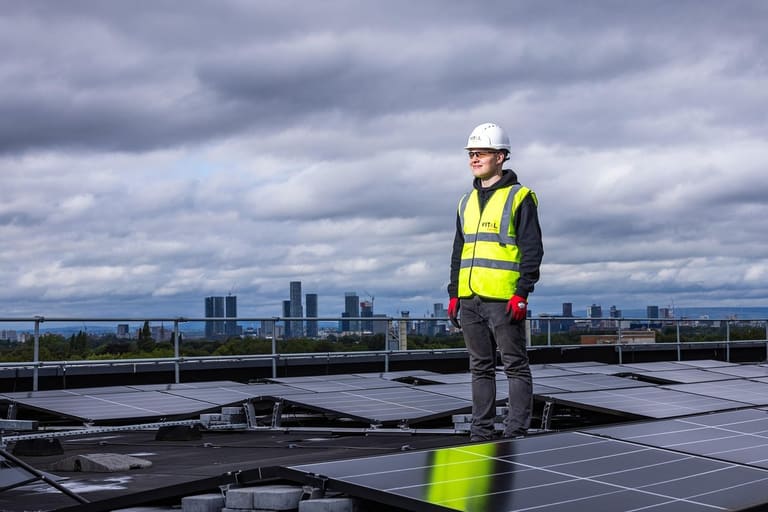
စွမ်းအင်သိုလှောင် စနစ်များအလားအလာမှ လုပ်ဆောင်နိုင်စွမ်းကို infrastructure တည်ဆောက်မှုအထက်ပေါ်တည်ရှိသည်။ Storage tech, energy conversion (inverter converter), grid coupling, monitoring & control system ဆိုသည့် core နှင့် soft component ေတြကို နားလည်ရမည်။ Battery/hydrogen/CAES/thermal ကြီးကို လျှောက်သုံးပြီး ဘယ်နည်းပညာမှ project-specific advantage တစ်ခုရှိသည်။
Infrastructure Components
- Storage Unit: Battery/hydrogen tank/thermal storage dependent
- Power Converter: Inverter/rectifier for DC/AC transitions
- Grid Coupler: Interface & protective devices
- EMS: Optimization & coordination for grid
- Monitoring & Control: Performance tracking, alerts, remote operation
- Safety Systems: Over-voltage, fire, surge protections
Technology-only approach မရင် regulation, incentives ၊ Environmental policy တစ်ပြိုင်ညီ ဖြစ်ရမည်။ Grid integration ease, environmental impact mitigation policy, infrastructure planning နှင့် sustainable consideration မရှိမဖြစ်ပါ။
| Infrastructure | Description | Key Features |
|---|---|---|
| Storage unit | Energy storage core – battery/hydrogen/storage tank | Capacity, efficiency, durability, safety |
| Converter | DC/AC transformers, harmonics | Efficiency, response, distortion |
| Grid interface | Connection for power injection | Voltage, current, protection |
| EMS | Optimization software/hardware | Remote monitoring, grid sync |
ပြန်လည်သုံးစွမ်းနိုင်စွမ်းအင်ပရောဂျက်များတွင် သိုလှောင်နည်းပညာ အသုံးဝင်ပုံ
Solar/wind/hydro output fluctuation အတွက် grid stability challenge ပေါ်မှာ စွမ်းအင်သိုလှောင် system အနေနဲ့ efficiency၊ reliability တစ်ခုပြုလုပ်နိုင်သည်။ Solar plant surplus ကို battery store ပြု၍ night/grid-blackout အထိ support role, wind plant surplus ကို later supply backup ပြုလုပ်နိုင်သည်။ Renewable fraction တိုး တင်ပြ နိုင်သည်။
- Successful Project Examples
- Hornsdale Power Reserve (Tesla battery/ Australia)
- Moss Landing Energy Storage (California)
- German grid battery integration project
- Japanese pumped hydro system
- China mega-battery grid deployments
| Storage System | Renewable Source | Application | Advantages |
|---|---|---|---|
| BESS (Battery Energy Storage System) | Solar, Wind | Grid balancing, regulation, arbitrage | Fast, modular |
| PHS (Pumped Hydro Storage) | Solar, Wind, Hydro | Large storage, grid stabilization | Capacity, lifespan |
| CAES | Solar, Wind | Large storage, grid support | High capacity |
| TES (Thermal Energy Storage) | Solar Thermal, Geothermal | Heating/cooling, power generation | Efficient, affordable |
Cost analysis – Initial investment high but long-term maintainability & grid efficiency value တရားပေးသည်။ Battery tech price drop များသည် widespread adoption ကိုအာနေလိမ့်မည်။
စွမ်းအင်သိုလှောင်နည်းပညာများ၏ ထုတ်လုပ်မှုကုန်ကျစရိတ်
စွမ်းအင်သိုလှောင် နည်းပညာရဲ့ cost structure တွေသည် technology, project scale, geographic aspect, regulation, efficiency, lifetime, O&M (operation/maintenance) တစ်အုပ်ထဲမှာ variable ဖြစ်သည်။ Investment, operation, maintenance, conversion loss, lifespan တစ်ခုပေါက်အတွက် cost-benefit analysis မလိုတော့ရွေးပါတယ်။
Cost affecting factors:
- Technology choice (Lithium, flow, hydro, thermal)
- Storage size/capacity, output power
- Scale factor – large project gets per-unit cost advantage
- Site/geography/infrastructure context
- O&M long-term expenses & efficiency loss
| Technology | Typical Cost (€/kWh) | Application | Advantages |
|---|---|---|---|
| Lithium-ion battery | 250 – 500 | Grid, household, EV | Energy density, fast |
| Flow Battery | 300 – 600 | Grid, long duration | Durability, scalable |
| Pumped Hydro | 50 – 100 | Large grid | High capacity, mature |
| Thermal Storage | 20 – 80 | Heating/cooling/process | Low cost, efficient |
Lithium-ion battery cost reduction, government incentives, tax benefit, carbon pricing strategy တို့သည် widespread adoption/support အတွက် economic attractiveness ကို တိုးပေးနိုင်သည်။
Feasibility study - cost/environment/social-benefit/grid integration – project Sustainability အတွက် အရေးကြီးသည်။
သိုလှောင်နည်းပညာနယ်ပယ်တွင် အနာဂတ်မြင်ကွင်းနှင့် သြဇာ
စွမ်းအင်သိုလှောင်နည်းပညာသည် renewable, efficiency, smart-grid planning တွေ နဲ့ ပြည့်စုံလာသည်။ Battery innovation (solid-state/lithium-sulphur), energy density upgrades, lifespan extension, grid-scale deployment၊ AI/ML optimized operation တို့သည် future outlook ကို တိုးထားသည်။
| Trend | Description | Impact |
|---|---|---|
| Solid-state battery | Solid electrolyte, safer | Safety, energy density up |
| Lithium-sulfur battery | Lower material, high capacity | Cost down, density up |
| Density increase | More storage, small size | Space efficiency, system flexibility |
| Grid-scale solution | Multiple MW-scale deployment | Grid stability, improved integration |
AI/ML, smart optimization, future storage management, smart-grid integration, charging network spread, expanded EV infrastructure, better renewable utilization—all play a part. Government policy, incentive, standardization/ certification တို့မပါမဖြစ်။
- Battery price downtrend
- System lifespan up
- Grid-scale storage deployment
- EV charging infra increase
- Smart-grid integration ease
- Renewable efficiency boost
Technical efficiency နဲ့ policy support တို့ပေါင်းလှုပ်၍ sustainable/grid-reliable future energy ecosystem တိုးတက်မည်။
စွမ်းအင်သိုလှောင် စနစ်များသည် အနာဂတ် စွမ်းအင်ကဏ္ဍ သွားရာလမ်းမှာ ခေါင်းဆောင် principal ျဖစ္လာမည်။ ပြန်လည်သုံးစွမ်းနိုင်စွမ်းအင် volatility, grid stability, efficiency တှ် critical leverage ရစေနိုင်သည်။
Environmental impact ၊ battery recycling ၊ waste management နဲ့ compliance လိုအပ်သည်။ Greener battery innovation, recycling process enhancement စနစ်တွင် future sustainable storage ecosystem တိုးတက်စေနိုင်သည်။
နိဂုံးအချက်များ
စွမ်းအင်သိုလှောင်နည်းပညာအား renewable integration မှာ grid stability, carbon reduction, economic efficiency တိုးထားသည်။ System cost downtrend, efficiency uptrend, battery tech advance နဲ့ popular EV/residential storage များ ဖြစ်လာသည်။ Grid-independent local storage solution တစ်ခုဖြစ်သည်။
| Storage Method | Advantage | Disadvantage |
|---|---|---|
| Lithium-ion battery | High density, fast | High cost, limited life |
| Lead-acid battery | Low cost, widely used | Low density, short life |
| Flow battery | Long lifespan, scalable | Low density, complex design |
| Pumped Hydro | High capacity, long-life | Geography, environmental limit |
Policy/finance support – grid-scale storage, incentive/tax/rebate – adoption facilitate။ Awareness, education, technical training အချက်အလက် ပိုမြှင့်ရေး စနစ်တကျဖြစ်ရမည်။
အနာဂတ်တစ်လျှောက် စွမ်းအင်သိုလှောင် ပိုပို smart/integrated system ဖြစ်လာမည်။ A.I., M.L. optimization, demand forecast နဲ့ grid-responsive operation တောက်လျား။ Grid resilience, flexible/efficient/sustainable system capability ပိုတိုးခဲ့မည်။
- Actionable Recommendations
- R&D investment for storage technology
- Renewable project integration encouragement
- Cost reduction policy implementation
- Awareness campaign, training
- Performance/safety standard protocol
- Accessible finance model
- Grid integration improvement
စွမ်းအင်သိုလှောင်နည်းပညာသည် Myanmar မှာလည်းရှိလာပြီး renewable transition, efficient adoption, sustainable future အတွက် core accelerator တစ်ခုဖြစ်လာနိုင်သည်။
မေးခွန်းများ – FAQ
စွမ်းအင်သိုလှောင်နည်းပညာတွင် ဘာဖြစ်လို့ အရေးပါပြီး ဘယ်လိုအသုံးဝင်သလဲ?
Produced energy ကို later use အတွက် store & optimize ပြုလုပ်၊ intermittent renewable output ကို balance ချ၊ reliable power အတွက် solution ဖန်တီးသည်။ Independence & emission reduction ချဲ့နိုင်သည်။
Solar/wind output ကို ဘာလို့ သိုလှောင်နည်းလမ်းလိုအပ်သလဲ?
Seasonal/hourly fluctuation (night, cloudy, calm period) တွင် output zero ဖြစ်လို့ stored energy နဲ့ continuous supply create လုပ်ရန်လိုအပ်သည်။ Grid integration efficiency သို့ကောင်းမွန်သည်။
Storage system installation/use – Enterprise/consumer အတွက် ဖြည့်စွမ်းမှုများ?
Cost savings, grid-off operation, outage resilience, renewable proportion မြှင့်တင်, efficiency enhancement, environmental sustainability တစ်စေသည်။
Lithium battery ကလွဲပြီ နည်းလမ်းအမျိုးမျိုးလည်း?
Lead-acid, flow battery, hydrogen storage, thermal storage, mechanical (pumped hydro, CAES) etc. – Each unique size/cost/life/application suitability. Pumped hydro – large-scale; lithium – small/residential.
Renewable + storage integration – system overall performance ဘယ်လိုတိုးတက်သလဲ?
Storage integration allows reliability, efficiency, stored energy supply, minimize loss, optimize operation.
Installation/maintenance အတွက် infrastructure ဘာလိုအပ်သလဲ?
Space, grid connection, safety, monitoring/control, battery management, cooling, expert staff, toolkit.
အနာဂတ်မှာ storage system cost နည်းလာ၊ efficiency တိုးလာလား? Impact ဘာလဲ?
Yes, cost downtrend, efficiency up – Competitive advantage, wider deployment, renewable transition faster.
Environmental impact – storage system သည် ဘယ်လို minimize ပြုနိုင်သလဲ?
Recyclable materials, efficient processes, proper waste management, regulatory compliance, life cycle analysis – minimize impact, better sustainability.