 Afrikaans
 Azərbaycan
 Bosanski
 Čeština
 Dansk
Dansk Deutsch
 English
 Español
 Filipino
 Français
 Hrvatski
 Indonesia
 Italiano
 Magyar
 Melayu
 Nederlands
 Norsk
Norsk Oʻzbek
 Polski
 Português
 Română
 Slovenčina
 Slovenščina
 Suomi
Suomi Svenska
 Tiếng Việt
 Türkçe
 Ελληνικά
 Беларуская
 Български
 Русский
 Српски
 Українська
 עברית
עברית اردو
اردو العربية
 پښتو
پښتو فارسی
فارسی አማርኛ
አማርኛ मराठी
मराठी বাংলা
বাংলা தமிழ்
தமிழ் ไทย
ไทย မြန်မာ
 한국어
한국어 中文
中文 日本語
日本語

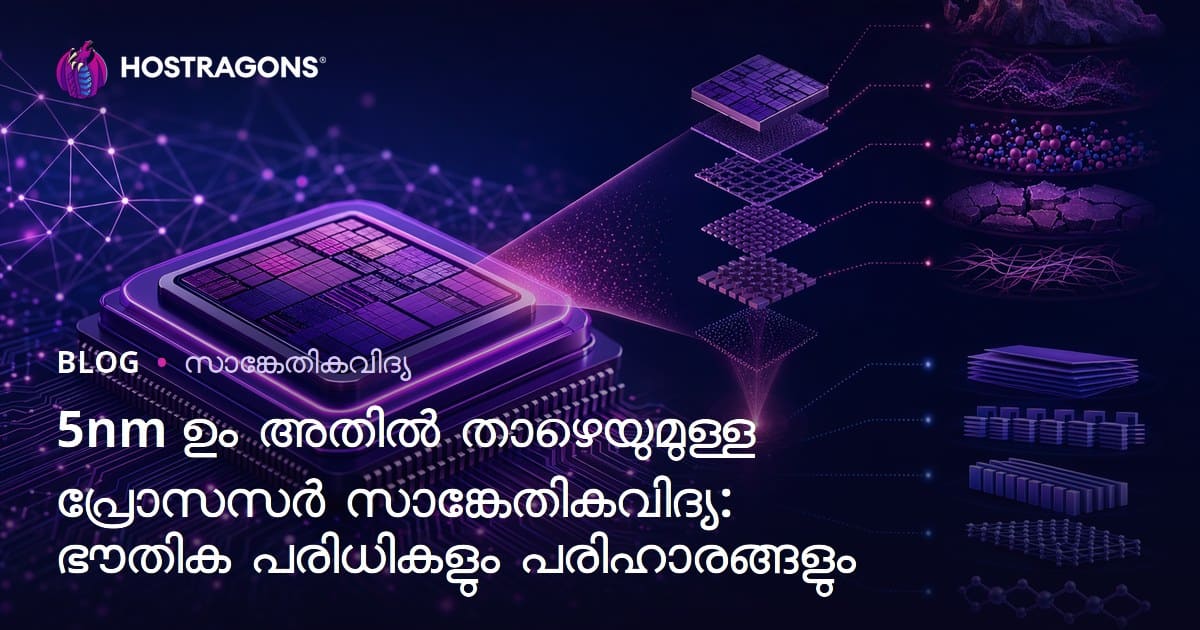
ഈ ബ്ലോഗ്, ഇക്കാലത്തെ ഏറ്റവും ആധുനിക 5nm-യുമുപരി പ്രോസസ്സർ ടെക്നോളജിയെ മലയാളം പാരിസേവി ദൃശ്യത്തിൽ ആഴത്തിൽ വിശകലനം ചെയ്യുന്നു. ചരിത്ര വികസനത്തിൽ നിന്നു തുടങ്ങി, ഈ ടെക്നോളജി ഭൗതിക പരിധികൾ, പ്രത്യേക processor architecture-ുകൾ, chip നിർമ്മാണത്തിലെ പുതിയ മെറ്റീരിയലുകൾ എന്നിവയിൽ കൂടുതൽ ശ്രദ്ധ കേന്ദ്രീകരിക്കുന്നു. 5nm-യുമുപരി processor-കൾ മൂന്നിൽ ഉയർന്ന പ്രകടനത്തിന്റെ സാധ്യതകളും, വരാൻ പേരു 2nm processor-കളുടെ ഗതിയിലും, ഉപയോക്താക്കൾക്ക് ഈ ടെക്നോളജിയുടെ പ്രയോജനം എന്താണെന്ന് വിശദീകരിക്കുന്നു. അവസാനമായി, 5nm-യുമുപരി processor- മേഖലയിൽ നീതി പ്രവർത്തിക്കുവാനായി എടുത്തു വേണമായ കാര്യങ്ങൾ ചൂണ്ടി നൽകുന്നു.
അടിസ്ഥാനമായ പരിചയം: 5nm-യുമുപരി Processor-കളുടെ ചരിത്രം
Semiconductor മേഖല അവിടുത്തെ, കുറുക്ക്, വേഗം, കൂടുതൽ കാര്യക്ഷമ processor-കൾ ഉണ്ടാക്കുന്ന ലക്ഷ്യത്തോടെ നീങ്ങുന്നു. അതിൽ ഏറ്റവും വലിയ നിലച്ചെറുമാണ് 5nm-യുമുപരി processor-കളുടെ വികസനം. Transistor-കളുടെ വലുപ്പം nanometer നിലവിൽ ഇളക്കുമ്പോൾ, chip-ന്റെ പ്രകടനം-കരശ്യക്ഷമത ശ്രദ്ധേ്യേം വർദ്ധിക്കും. എന്നാൽ ഇവയുടെ തുടർ കായിക പരിമിതികളും ഉണ്ട്.
| വർഷം | ടെക്നോളജി | സവിശേഷതകൾ |
|---|---|---|
| 2018 | 7nm | ആദ്യ പ്രായോഗിക ഉപയോഗം, ഉയർന്ന പ്രകടനവും |
| 2020 | 5nm | കൂടുതൽ transistör concentration, കുറഞ്ഞ power |
| 2022 | 4nm/3nm | പേരായ energy എഫിഷ്യൻസി & പ്രകടനം |
| ഭാവി | 2nm & താഴെ | ക്വാണ്ടം effect-ൾ, വളർച്ചാ ഘട്ടം |
5nm-യുമുപരി processor-കളുടെ ചരിത്രം കണ്ടപ്പോൾ, ഇവയെല്ലാം തുടർ നവോത്ഥാനത്തിന്റെ, സാങ്കേതിക ഭാവിപരിപാടിയുടെ ഭാഗമാണെന്ന് കാണാം. ആദ്യ 7nm processor-കൾ വന്നത് മുതൽ, 5nm-ൽ കൂടുതൽ transistör density-യും കുറച്ച് power-ഉം പുതിയ നിലവാരമായി. Lithography-ൽ, material science-ൽ, architecture-level optimize-ലും അതുപോലെ വളർച്ചയുണ്ടായി.
പ്രധാനമായ ചരിത്രമോൺ
- 1950-കൾ: ആദ്യ transistor-റും, integrated circuit-ുകളുടെ തുടക്കം.
- 1965: Moore's Law-ന്റെ രൂപീകരണവും, transistör density-യുടെ പ്രവചനവും.
- 2000-കൾ: 90nm, 65nm, 45nm – മിനിയച്ചർ നിർമ്മാണ ലതിയിലേക്ക്.
- 2010-കൾ: FinFET-ൽ, 22nm, 14nm, 10nm-പോലെ വരവുതന്ന വാളുകൾ.
- 2018: 7nm processor-ഉം വിശയും പ്രായോഗിക ഉപയോഗവും.
- 2020: 5nm-ൻ public adoption, standardization.
ഈ ടെക്നോളജിയുടെ രൂപീകരണം അതുപോലെ പറഞ്ഞു വിട്ടു പോവുന്ന പ്രശ്നങ്ങളും ചേർന്നതും. Transistör-കളുടെ വലുപ്പം വച്ചാൽ quantum mechanics effect-ൽ ശക്തം, unpredictable. താപ നിയന്ത്രണം, power distribution തുടങ്ങി കൂടുതൽ ക്ലേശം. എങ്കിലും, engineers-നും, scientists-നും പുതിയ മെറ്റീരിയൽ, design പലതരത്തിൽ ഉപയോഗിച്ചു പരിഹരിക്കുന്നു.
5nm-യുമുപരി processor-technology, mobile-ൽ മുതൽ supercomputer-ഉം വരെ കുത്തി നവാന്തരം കൊണ്ടുവന്നിട്ടുണ്ട്. ഇത് artificial intelligence, machine learning, high-performance computing-ൽ പുതിയ സാധ്യതകൾ ഒരുക്കുന്നു. ഭാവിയ്ൽ ഈ sector വളർന്നു മാറും.
5nm-യുമുപരി: ഭൗതിക പരിധികൾ എന്ത്?
5nm-യുമുപരി processor-technology-ൽ കുറിപ്പുള്ള ഭൗതിക പരിധികൾ material science-ഉം engineering-ഉം വായിച്ചാൽ വലിയ problem ആണ്. Nanometer-level-ലെ കോടം transistör-ഗളുടെ പ്രകടനം കരശ്യക്ഷമത വർദ്ധിപ്പിക്കും. എന്നാല് quantum mechanic effect-ഉം unpredictable behavior-ഉം പൂർവം. ഗോതിയ ബെറിരിയം silicone solution-ന്റെ പരിധി കെട്ടിയതോടെ, മാറ്റു മെറ്റീരിയൽ, architecture-കൾ ഉപയോഗിക്കാൻ വിപ്ലവം ആവശ്യമാണ്.
Chip design-ഉം, production-ഉമില്ലിലും 5nm-യുമുപരി technology hurdle-കൽയ്ക്കാൻ പല innovation-ഉം രൂപം കൊണ്ടിട്ടുണ്ട്. Transistor channel length-കുറയ്ക്കൽ, പുതിയ dielectric-യും, GAAFET പോലുള്ള novel transistör structurer-ും ഇതിൽ വരുന്നു. ഈ പരിചയങ്ങളാണ് Moore's Law-ന്റെ തുടരെ-നിക്ക് നൽകിയ വിഷമത്തിനു വലിയ weight.
5nm-യുമുപരി Technology hurdles:
| വെല്ലുവിളി | വിവരണം | പരിഹാരങ്ങൾ |
|---|---|---|
| Quantum Tunneling | Electrons insulating barrier-കടന്നുപോകുന്നത് | New dielectric material, optimized transistör design |
| Power Density | കുറുപ്പുള്ള ചിപ്പിൽ കൂടുതൽ transistör-കൾ | 3D chip-architecture, advanced thermal management |
| Production Errors | Nano-level fabrication difficulty | EUV lithography, error correction techniques |
| Material Limit | Silicon-ന്റെ physical sınırlar | Gallium nitride പോലുള്ള പുതിയ semiconductor |
ഇപ്രകാരമുള്ള hurdles-ം, പിന്നിൽ മറികടക്കേണ്ട പരിഹാരങ്ങൾ മാത്രമല്ല, 5nm-യുമുപരി processors-യുടെ ഭാവിയും ഭരിക്കും.
5nm-യുമുപരി ഭൗതിക hurdles:
- Quantum tunneling effect
- Power & heat production
- Production variance/errors
- Silicon-ന്റെ limit
- Transistör reliability & lifetime
- Costly fabrication process
micro ഘടന
micro structure-കൾ 5nm-യുമുപരി chip-ൽ crucial role play ചെയ്യുന്നു. Transistör geometry/performance/reliability-യെ നിർണയിക്കും. Traditional 2D design-ൽ efficiency കുറയും – FinFET, GAAFET പോലെ 3D design-ൽ quantum effect minimize cheeks. Higher channel control, better switching efficiency, reduced tunneling – ഇവ വലിയ പ്രയോജനം നൽകുന്നു.
Chip-തിലുള്ള component layout & connectivity വലിയ നിർണയങ്ങൾ ആണ്. Shorter interconnect, less signal delay, കിട്ടിയ performance. Advanced layout algorithms, architecture-level optimization, 5nm-യുമുപരി chip-ൽ major factor. സാർത്തിനായി:
5nm-യുമുപരി chip-ൽ, transistör-കളിലുപരി, interconnect-optimization, overall design-ആണു preformance decide ചെയ്യുന്നതു. Efficient, compact designs-ഉം, high-performance/low-power-ഉം ലഭിക്കും.
താപ നിയന്ത്രണം
Thermal management 5nm-യുമുപരി chip-ൽ അടിസ്ഥാന പ്രശ്നമാണ്. Smaller transistör-യും integration density-ം heat production ഉയരും. ഈ heat, performance, reliability, കിടിഞ്ഞ് chip damage വരെ നയിക്കും. ഇതിനാൽ efficient thermal solution, chip success-ന്റെ base.
Advanced heat spreaders, liquid cooling, integrated thermal sensor, dynamic frequency-variable-voltage settings – ഇതായിരിക്കും thermal management-ൽ ഉപേക്ഷിക്കാൻ. Thermal innovation 5nm-യുമുപരി processor-കളുടെ ഉന്നത preformance, long-life ഉറപ്പ് ചെയ്യും.
Processor Architecture-കൾ: വ്യത്യാസങ്ങൾ
Processor architecture – processor-ന്റെ design ഈ functioning-നെ നിർണയിക്കും. 5nm-യുമുപരിസാങ്കേതികവിദ്യയിൽ, ഭാവിയിലെ ആർക്കിടെക്ചറുകൾ പ്രകടനം, വൈദ്യുതി ഉപഭോഗം, ചെലവ് എന്നിവ പരിഗണിച്ചാണ് രൂപകൽപ്പന ചെയ്യുന്നത്. പരമ്പരാഗത ആർക്കിടെക്ചറുകളിലെ നവീകരണവും വ്യത്യസ്ത സമീപനങ്ങളും ആധുനിക പ്രോസസ്സറുകളുടെ ശേഷി രൂപപ്പെടുത്തുന്നു. നിർണായകമായ ആർക്കിടെക്ചർ സാധ്യതകളെ ഈ ഭാഗം അവലോകനം ചെയ്യുന്നു.
Different processor-architecture-കൾ parallel-processing, power-efficiency, application-target-ൽ വ്യത്യസ്തം. Multi-core-processor, simultaneous task-processing; GPU-കൾ, graphics/artificial intelligence-ൽ ഉയർന്ന parallel computing efficiency; diversity optimal solution-കൾ operation-specific.
പ്രധാന processor architecture:
- x86: Desktop/laptop-ൽ കൂടുതലായി ഉപയോഗം, complex CISC architecture
- ARM: Mobile/embedded-ൽ energy-efficient/simple RISC
- GPU: Parallel computing specialism; graphics, AI/ML ഉപയോഗം
- FPGA: Hardware-level-customizable architecture
- ASIC: Application-specific optimized, high-performance architecture
Design software/compatibility-ൽ, development-ease-ർ, hardware trait-ഉം. 5nm-യുമുപരി technology-ൽ, transistör physical-limit-താണോട്, architecture-optimization-ഉം performance/power-improvement-ഉം മുൻനിര.
| Architecture | Feature | Usage |
|---|---|---|
| x86 | High-performance, broad software support | Desktops, servers |
| ARM | Low-power, high-efficiency | Mobile, Embedded |
| GPU | Parallel processing, high graphics performance | Gaming, AI, Analytics |
| FPGA | Reprogrammable, flexible | Prototyping, custom hardware |
Future-ൽ heterogeneous architecture, special-purpose processor-ക്ലേയും ഉങ്കോപ്പം. AI accelerator, neuromorphic processor, quantum computing-പോലുള്ള revolution, 5nm-യുമുപരി technology-യുടെ boundary expand ചെയ്യും.
Chip നിർമ്മാണത്തിന് പുതിയ മെറ്റീരിയലുകൾ
5nm-യുമുപരി processor-technology-ൽ, traditional silicon-based material-ലെ ഫിസിക്കൽ limits കുറുപ്പാണ്. Chip-maker-കൾ, preformance/power-efficiency-ൽ പുതിയ material explore ചെയ്യുന്നു. നിഷ്കർഷം – smaller, densely-packed transistör-ക്ലിലേക്ക്, performance-ഉം efficiency-ഉം.
പുതിയ chip material-കൾ
- Graphene: High electronic mobility
- Carbon Nanotube: Excellent conductivity & durability
- Germanium: Higher electron mobility than Silicon
- Gallium Arsenide: Ideal for high-frequency application
- High-k Dielectric (Hafnium oxide): Better insulation, lower power consumption
- 2D Materials (MoS2): Ultra-thin transistor potential
Novel material-ഐ, particularly dielectric/channel-layer-ൽ integration crucial-ആണ്. Silica oxide-place-ൽ High-k dielectric, leakage reduced/energy efficiency വർദ്ധിപ്പിക്കുന്നു. Channel-material-ൽ GaAs, electron move faster, chip speed improve ചെയ്യും.
| Material | Feature | Usage |
|---|---|---|
| Graphene | High mobility/conductivity | Transistor, interconnects |
| Germanium | Better mobility than Silicon | Channel material, photonics |
| Hafnium oxide | High dielectric constant/leakage lowered | Gate insulation |
| Gallium Arsenide | High electron mobility, semiconductor | High-frequency, power amps |
Integration new material-ൽ production hurdles unavoidable. Nanotechnology/atomic-layer epitaxy (ALE), molecular beam epitaxy (MBE) improve fabrication. 5nm-യുമുപരി processor-ൽ new material, performance/power-efficient-ന് system enable ചെയ്യും.
പ്രകടന വർദ്ധന: 5nm Processor-കളുടെ ആനുകൂല്യങ്ങൾ
5nm-യുമുപരി processor-Technology, mobile-ൽ മുതൽ HPC-ഇന് വരെ, ഉപയോക്താക്കൾക്ക് വലിയ സൂക്ഷ്മത/പവർ efficiency നൽകുന്നു. Smaller transistor-ൽ denser chip integration, higher computing power & better battery-life. ഈ പ്രയോജനം device-user experience സൂക്ഷ്മം ചെയ്യും.
Highlights: Faster process speed — App loading time lightning fast; gaming smoother; complex task quickly finished. AI, ML, AR-പോലുള്ള compute-heavy application-ൽ 5nm-യുമുപരി processor crucial.
| Feature | 5nm Processor | 7nm Processor |
|---|---|---|
| Transistör Density | Higher | Lower |
| Energy Efficiency | Better | Less efficient |
| Performance | Faster | Slower |
| Usage | High-performance devices | General purpose |
5nm Processor-ലെ ആനുകൂല്യങ്ങൾ:
- ഉയർന്ന processamento power
- കുറയ power consumption
- Smaller device-ലെ integration
- Better thermal performance
- Advanced AI & ML capability
- Faster data processing
Energy efficiency — 5nm-യുമുപരി processor-യിൽ battery-drain കുറയ്ക്കും, long-lasting laptop/mobile. Less thermal output, device stability improve. User-ൽ, device-day-long use, recharge less.
ഭാവി: 2nm processor-കളുടെ വികസനം
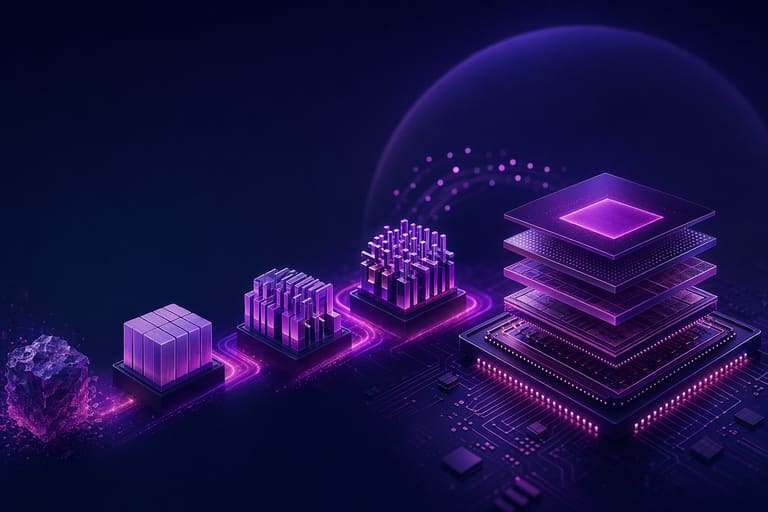
5nm-യുമുപരി processor-technology, future-generation chip boundary push ചെയ്യുന്നു. 2nm processor-ഇനുകൾ, higher preformance, lower power, smaller form-factor give ചെയ്യാൻ design phase-ൽ. Technical barrier overcome, industry-യ്ക്കും വളർച്ചഅവലംഭമായി.
| Technology | Transistor Density | Approx Release | Highlights |
|---|---|---|---|
| 5nm | 171.3 million | 2020-2022 | High-performance, power saving |
| 3nm | 291 million | 2022-2023 | More efficient power usage |
| 2nm | ~450 million+ | 2024+ (Estimate) | Extreme performance, energy-efficient |
| 1.4nm (Angstrom) | Unknown | 2027+ (Target) | Next generation ultra-high performing |
Material-science/prod-tech innovation: EUV lithography refinement, GAA transistor architecture, novel material infusion — all key for next step. ഇനിപ്പറയുന്ന processor-കളുടെ design/testing/sequential improvement crucial.
2nm processor-വികസന steps:
- R&D: Novel material/transistör-structurer review
- EUV optimization: Pico-accuracy fabrication improvement
- Architecture simulation: Design/testing in silico
- Prototype production: Test chip fabrication
- Optimization: Analysing/testing, design-refine
- Mass production: Commercial rollout
2nm processor mobile/datacenter-ൽ use-ൽ wider adoption possible. Faster smartphone/computer/cloud-system performance. However, scientific & engineering hurdles overcome necessary.
5nm-യുമുപരി processoreches, technical achievement allengil future-tech foundation-um. 2nm chip-Development, more efficient/smart device path വെടിക്കുക – user experience new level-ൽ.
5nm Processor-കൾ: ഉപയോക്താക്കൾക്ക് ഇടയിലുള്ള ആശയങ്ങൾ
5nm processor-technology, recent smartphone/laptop-ൽ കാണാം. Smaller transistör-ൽ more processing power, faster/responsive device. App-launch fast, gaming smoother, overall better system performance – user-level outcome.
Another benefit energy efficiency – less power, longer battery-time. Especially mobile-ൽ pivotal: All-day use, less recharge. Low heat മൂലം, stable device, longer life-span.
| Feature | 5nm Processor | Older gen Processor |
|---|---|---|
| Processing Power | Higher | Lower |
| Energy use | Less | More |
| Battery life | Longer | Shorter |
| Heating | Less | More |
User benefit:
- Lightning-fast app launch/system performance
- Smooth high-res gaming experience
- Day-long battery – worry-free use
- Stable/longer lasting device due to less heating
- Advanced AI/ML ability
- Superior photo/video processing
5nm processor also power artificial intelligence/machine learning-ഉം major benefit-ഉം. Large-data processing-quick/easy. Intelligent assistant, advanced photo tools, personalized experience-ുൾ. 5nm chip future-tech foundation-ആണ്.
ആനുകൂല്യങ്ങൾ-അനനുകൂല്യങ്ങൾ: സ്പഷ്ട അവലോകനം
5nm-യുമുപരി processor-technology, mobile/HPC-ൽ revolution. Smaller chip area, denser transistör integration, thus higher power/energy saving. Drawback-ഓ ഉണ്ടാകുന്നു: High production cost, complex design, heating issues – hurdles. Below, detail pros-cons review.
- 5nm processor positives/negatives:
- Positives:
- Higher processing power
- Lower power
- Smaller device size
- Faster processing
- Advanced AI/ML execution
- Negatives:
- High production cost
- Complex design/making
- Heating issues
- Quantum tunneling
- Fragile fabrication
- Positives:
Biggest benefit: performance bump. Smaller transistor, densely-packed, faster complex task. Production cost rises, defect risk increases. Transistor proximity – heating/electrical noise. Financial/engineering balance crucial for 5nm-യുമുപരി chip adoption.
| Feature | Advantage | Drawback |
|---|---|---|
| Transistor Density | Higher performance/features | Complex production, error-prone |
| Power | Low use, long battery | Heat problem, thermal solution needed |
| Cost | Value for high-end device | Expensive device, high making cost |
| Reliability | Algorithmic error-tolerance | Quantum effects, reliability risk |
Drawback overcome: Better cooling, smarter power management, advanced lithography (EUV) reduces defects/improves yield. Thus, 5nm-യുമുപരി chip widespread adoption in future. High performance, mobile/datacenter revolution.
5nm-യുമുപരി processor-technology, high-power/efficiency positive, cost/design negative. But ongoing R&D, new material/production method overcome barrier. Future widespread, higher performance leap expected.
അവസാനത്തെ വാചകം: 5nm Processor-ടെക്നോളജി ഭാവിയിൽ
5nm-യുമുപരി processor-technology – high-performing, efficient device foundation. More transistör density, device faster, efficient, capable. Smartphone/supercomputer, all-device-level improvement. Production/design hurdles exist.
| Technology | Advantage | Drawback |
|---|---|---|
| 5nm Processor | High power, low energy | Expensive, complex design |
| 3nm (Future) | More power, less energy | Production hurdle, new material demand |
| 2nm/Below (Research) | Extraordinary performance, energy saving | Physical limit, technical problem |
Future impact — not limited to consumer electronics. AI, autonomous vehicle, healthcare, disruptive capacity. High-performing processor quick AI, better autonomous, smarter health device.
5nm Technology Tips
- Invest R&D: 5nm-യുമുപരി technology-water more fund
- Material Innovation: Silicon alternatives/new hybrid crucial
- Production efficiency: Precise/affordable methods
- International Collaboration: Scientist/engineer global-team up
- Workforce training: Processor-specialist engineer/scientist
Potentials-ന്പൂർവ്വം hurdle overcome അനിവാര്യമാണ്: Cost-cut, physical limit breach, new material exploration — key hurdles. By focus, 5nm-യുമുപരി tech will shape future.
5nm-technology next step-മല്ല, progress foundation itself.
5nm-യുമുപരി processor-technology, tomorrow-technology basics; More intelligent, quicker, efficient devices will change lifestyle. Investment/research here will decide tech-leadership.
ചോദിച്ച പ്രകാരമാക്കിയ SEO-ഉയർന്ന മലയാളം ബ്യൂലറ്റിൻ:
പ്രവർത്തന നിർദ്ദേശങ്ങൾ: 5nm-യുമുപരി processor-ട്രാൻസിഷനിൽ
5nm-യുമുപരി processor-technology-ൽ invest/ഉപയോഗം ആലോചിക്കുമ്പോൾ, ലക്ഷ്യങ്ങൾ-പവർ efficiency/performance profile കണ്ടു judge ചെയ്യണം. Mobile-ൽ power-saving കാസ്ചിയ, server-ൽ performance prime. Architecture/features-Impact depends on need.
Software/algorithm optimize, parallel processing use, AI/ML app-ൽ performance boost – chip-resource utilization efficiency. Compiler-optimization, low-level tuning also yield.
| Step | Detail | Action |
|---|---|---|
| 1 | Needs assessment | Decide power, performance, cost targets |
| 2 | Architecture select | Choose suitable (ARM, RISC-V, etc.) |
| 3 | Software optimize | Parallelism, compiler tuning, low-code optimize |
| 4 | Cooling solution | High-power device: Advanced cooling apply |
5nm-യുമുപരി chip-ൽ high transistor-density-heat raise-ഉം. Cooling, thermal management vital. Heat spreader/liquid cooling/smart power management – ഭാഷിനോ chip-optimal-temperature-ൽ.
Implementation tips:
- Development toolkit/library latest version
- Performance profiling tool-ഉം bottleneck analysis
- Dynamic Frequency Scaling (DFS) for efficiency
- Memory management-optimize, faster access
- AI application: Hardware acceleration use
5nm-യുമുപരി chip evolution ongoing. Future-ൽ architecture/material/production further improvement, performance/power boost. Tech-update-യെ ആവശ്യമായ strategy revise – full potential reach-നായി.
അടിക്കടി ചോദിക്കുന്ന ചോദ്യങ്ങൾ
5nm-യുമുപരി processor-technology-ജാന്യം, എന്റെ ഫോൺ-യോ pc-യോ മനുഷ്യമാക്കുന്നത് ഏത്?
Small transistor-density growth, chip-ലെ processing power, power-saving/battery life. Practical: Faster app-open, smooth gaming, responsive UI.
Chip-നിർമ്മാണത്തിന് novel material എങ്ങനെ, എന്തു problem solve ചെയ്യും?
Silicon limit-ക്കു താനെ novel material– high electronic mobility, low heat, power-saving, performance-improve. Quantum tunneling overcome too.
2nm processor fabrication hurdle, overcome-strategy?
Quantum, nano-fab accuracy/material-science hurdles major. Atom-level control, EUV lithography, new transistör design all important. AI/ML optimise production workflow/quality.
5nm-യുമുപരി processor cost, normal user-device price implication?
Yes, production cost rise – device price high. Performance, battery benefit may balance it. Entry-level device-ൽ spread delayed.
ARM/x86 architecture 5nm-യുമുപരി tech-ലറ്റ impact?
ARM/x86, all-architecture, 5nm benefit enables. Design philosophy-ലറ്റ_PIPE effect varying. ARM power-saving, x86 processing power focused.
Quantum tunneling 5nm-ൽ, problem, mitigation?
Quantum tunneling – unwanted electron leak. High-K metal gate, novel design/material – sızıntı minimize-technology crucial.
5nm chip-device എടുക്കുമ്പോൾ പ്രധാന attribute?
Processor-size alone not enough – Core-count, clock, ram/storage, software compatibility, cooling, usage – all affect. Review independent test/user feedback for best choice.
5nm-യുമുപരി processor widespread-ൽ environmental result?
Energy-saving, carbon-footprint reduce, less recharge, electronic waste minimize. Production-method sustainable, environmental impact possible, so green-tech need.