 Afrikaans
 Azərbaycan
 Bosanski
 Čeština
 Dansk
Dansk Deutsch
 English
 Español
 Filipino
 Français
 Hrvatski
 Indonesia
 Italiano
 Magyar
 Melayu
 Nederlands
 Norsk
Norsk Oʻzbek
 Polski
 Português
 Română
 Slovenčina
 Slovenščina
 Suomi
Suomi Svenska
 Tiếng Việt
 Türkçe
 Ελληνικά
 Беларуская
 Български
 Русский
 Српски
 Українська
 עברית
עברית اردو
اردو العربية
 پښتو
پښتو فارسی
فارسی አማርኛ
አማርኛ मराठी
मराठी বাংলা
বাংলা தமிழ்
தமிழ் ไทย
ไทย မြန်မာ
 한국어
한국어 中文
中文 日本語
日本語

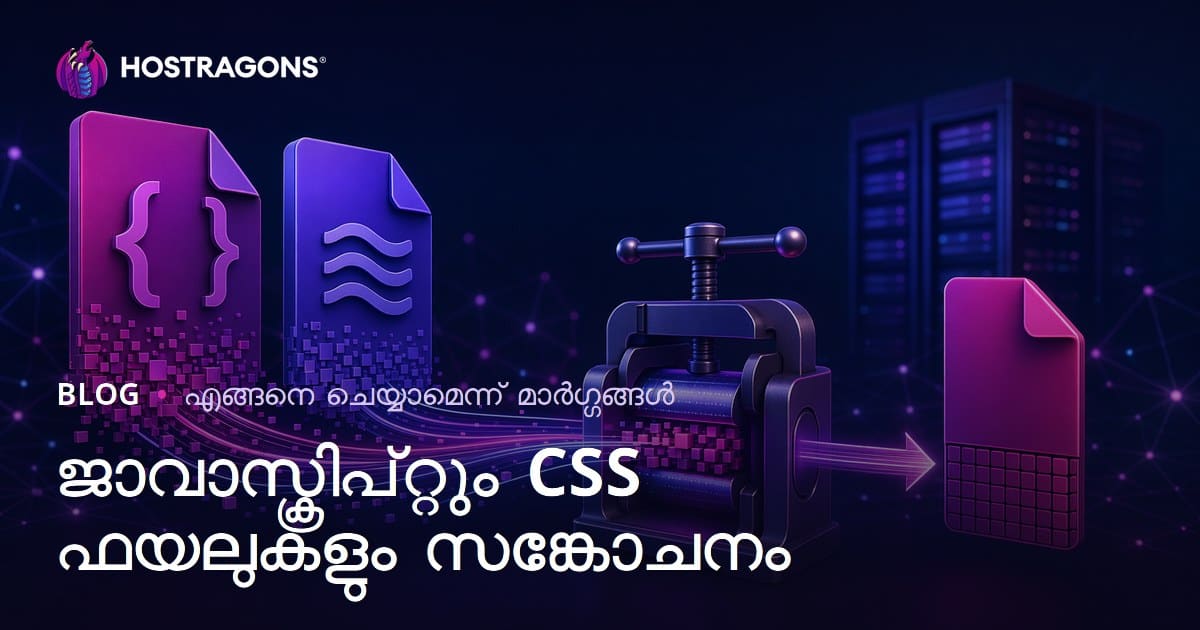
ജാവാസ്ക്രിപ്റ്റ് (JavaScript), CSS ഫയലുകൾ ഹോസ്റ്റുചെയ്യുന്ന വെബ്സൈറ്റിന്റെ വേഗതയും SEO പ്രകടനവും മെച്ചപ്പെടുത്താൻ ഏറ്റവും അടിസ്ഥാനപരമായ പരിപാടിയാണ് മൂല്യക്ഷയപ്പെടുത്തൽ (minify/minification). ഇതിന്റെ ലക്ഷ്യം, JS, CSS ഫയലുകളിൽ കാണുന്ന ആവശ്യമില്ലാത്ത white space, ടിപ്പണി വരി, line break, ആവർത്തിക്കലുകൾ തുടങ്ങിയവ കണ്ടുപിടിച്ച് കളയുന്നതാണ്. ഈ വഴിക്ക് ഫയൽ കോട്ടം കുറയ്ക്കപ്പെടുന്നു, പേജ് എളുപ്പം ഡൗൺലോഡ് ചെയ്യാം, ബ്രൗസർ കൂടുതൽ വേഗത്തിൽ റണ്ടർ ചെയ്യാം—പ്രത്യേകിച്ച് മൊബൈൽ ഉപയോക്താക്കളിൽ കൂടുതൽ സുഖകരമായ അനുഭവം നൽകുന്നു. കോഡിന്റെ പ്രവർത്തന സന്ദർശി ഒഴിവാക്കാതെ തന്നെ ഫയൽ lightweight ആക്കുന്നത്, user experience, load speed, SEO—എല്ലാം മെച്ചപ്പെടുത്തുന്നതാണ്.
ഇന്ന് വെബ്സൈറ്റിന്റെ വേഗത വെറും സാങ്കേതികല്ല; അതു തന്നെ user delight, conversion എൻറ് search visibility—all metrics directly impacted. Google Core Web Vitals പോലെയുള്ള മാനദണ്ഡങ്ങൾ ശാസ്ത്രീയമായി ഈ വേഗതയും interactivityയും stable renderingഉം അളക്കുന്നു. JavaScript, CSS കാറ്റം കൈമാറ്റം മാത്രം വെളിപ്പെടുത്തിയില്ലെങ്കിലും, അത് ഈ metrics മികച്ചതാക്കാനുള്ള ഒരു safe step ആണ്. പ്രത്യേകിച്ച്, മുള്യ മേഖലയിലുള്ള theme/plugin/slider/form/third-party script അടങ്ങിയ projectകളിൽ, minify നേട്ടം സുഗമമായി കാണാം.
ഈ guide വഴി: minify എങ്ങിനെയാണ് പ്രവർത്തിക്കുന്നത്, ഏതെല്ലാം ഫയൽ നന്നായി minify ചെയ്യണം, ഏത് tools ഉപയോഗിച്ച് സുരക്ഷിതമായി ചെയ്യണം, live-ലാക്കുമ്പോൾ എന്തൊക്കെ ലക്ക നിന്ന് ദൂരെനിൽക്കണം, step-by-step test എങ്ങനെ നടത്തണം—WordPress, custom web app, ecommerce, corporate website, static projectവർഷങ്ങൾക്കുള്ള കാര്യപരമായ ഉദാഹരണങ്ങൾ സഹിതം ചൂണ്ടിക്കാണിക്കുന്നു. ഉന്നത റെസല്റ്റ് infrastructure വേണമെങ്കിൽ Hostragons Linux hosting, Hostragons WordPress hosting, SSL സർട്ടിഫിക്കറ്റ് explained തുടങ്ങി നിരവധി ഉദ്ധരിപ്പോലുള്ള refs ഉം ഉൾപ്പെടുത്തിയിട്ടുണ്ട്.
Minify എന്നത് എന്താണ്? എങ്ങനെ സഹായിക്കുന്നു?
Minify (മൂല്യക്ഷയപ്പെടുത്തൽ) എന്നത്, ഡെവലപ്പർമാർക്കുള്ള readable code-നെ end users-ന്റെ browsers-ൽ ultra-fast ആയി download ചെയ്യാവുന്ന രൂപത്തിലാക്കി മാറ്റ്ണത്. Development phase-ൽ readable code-ണ്ടാക്കുമ്പോൾ newline, indentation, comment, spacing എന്നിങ്ങനെ plenty redundant element-അയിൽ, browser-ന് ഇവ None. Browser-ന്റെ ക്ലിയർ demand: code syntactically valid- and same result output—comment/spaceആയോ ആവശ്യമില്ല.
CSS context-ൽ, selector ഓരോ sentençaയും newline/space-ഉം ഭക്ഷിക്കും. Minify ചെയ്താൽ, സ്ക്വീഷ് ചെയ്യപ്പെട്ട, ഒരു കിടിലം single line-like structure. JavaScript-ൽ, space, comment കളയുന്നതിൽ കൂടാതെ variable shortening, statement refactoring, unused code purging... ഏത് tools ഉം ബ്രൗസറിൽ same outputനൽക്കും, but smaller file. Practically 120 KB CSS minify ചെയ്താൽ 80 KB range-ലേക്കും, 300 KB JS- 180 KB-240 KB-ലേക്കും drop സാദ്ധ്യമാണ്. Gzip/Brotli compression add ചെയ്താൽ visitor-ന് send ചെയ്ത data കൂടുതൽ ചെറുതാവും—especially 4G, weak Wi-Fi, low-end mobile users-ക്കൊപ്പം.
JavaScript, CSS minify SEO-യിൽ എങ്ങിനെയാണ് ഫലിക്കുക?
Search engines content മാത്രമല്ല; page load latency, rendering safety എന്നിവയും പതിച്ചിരിക്കുന്നു. Bad CSS = slow paint. Bloated JS = late interactivity. Metrics like LCP, INP, FCP directly impacted. Minify-യിൽ file size drop network transfer ↓. Small files, faster load, better cache re-use, revisit performance. High-traffic site-ൽ server resource efficiency too. But only minify-ൽ സഫലമല്ല; cache, CDN, fast hosting-ഉം must. performance hosting would help.
SEO-opinion: Minify-ranking guarantee അല്ല—but speed, UX, crawling efficiency improve; Googlebot slow resources-ൽ stuck അയ്യില്ല; visitor fast load-ൽ bounce ↓; e-commerce-ൽ checkout abandonment ↓.
Minify, Compression (Gzip/Brotli), Combining, Caching തമ്മിലുള്ള വ്യത്യാസങ്ങൾ
Minify, Gzip, Brotli, bundle, cache, CDN ലൂടെ വേഗം optimize ചെയ്യുന്ന processes തമ്മിൽ വിശേഷ താളത്തിൽ mix ചെയ്യാറാണ്. Below table-ൽ clear differentiators:
| ടെക്നിക് | പ്രവർത്തനം | ഉപയോക്താക്കൾ | കൈകടക്കേണ്ടത |
|---|---|---|---|
| Minify | Redundant white space, comment, character-കളുടെ distance മാത്രം. | CSS & JS files production-ready before launch. | Bad config: JS function broken danger. |
| Gzip/Brotli | Files compressed while transferring server→browser. | Must always ON in hosting/server level. | Brotli generally Gzip-നെക്കാൾ better compression. |
| Combining | Multiple CSS/JS → single file. | Http/1.1 legacy site-ൽ valuable. | Http/2-3-ൽ always necessary അല്ല. |
| കാഷിംഗ് | Reuse files browser/server cache-ൽ. | Static files, themes, images. | On file change: cache clear/version necessary. |
| സിഡിഎൻ | Geo-near server-ൽ deliver files. | Multi-country/region traffic-മായ sites pay off. | Bad cache setting → outdated file show danger. |
Healthy web performance-ക്: All-in approach. First minify CSS/JS, activate server compression (Brotli/Gzip), cache headers, CDN for global sites. Any missing step, performance limited.
CSS minify tips
1. White space, Comments Purge
CSS minify base step: comments, newline, extra space, redundant semicolons. Team comms-ക്ക് comments OK, public site-ൽ deadweight. Minor projects few KB save, large theme files tens of KB!
Typical scenario: Corporate site-ൽ main theme CSS, slider CSS, icon CSS, form CSS—all separately loaded. Each minify → total page weight dropped. High-traffic pages (home, category, product page) especially valuable.
2. Duplicate/Unused CSS Cleaning
Minify redundant character-കളെ പൊക്കി കളയുമ്പോൾ unused CSS always auto purge ചെയ്യില്ല. Theme-ൽ disabled components, old class, plugin relics common. Minify before/after unused CSS analysis recommended.
Chrome DevTools Coverage tool, segment-wise CSS usage show. Eg: 250 KB CSS, 60% unused? Minify sufficient? NO. Critical CSS extract/page-level CSS load/plugin disable possibly ideal. WordPress Speed Guide helpful.
3. Critical CSS Usage
Critical CSS = minimal code for visible top-of-page. Early load, rest lazy-loaded. Combo minified + critical CSS → FCP, LCP metrics shine. Risk: Mistarget → visual break, oversize → minor gain only. Prioritize key templates (home, category, product, blog), test individually.
JavaScript minify tips
1. Terser/esbuild/SWC advantage
JS minify is riskier—because JS controls UI and interaction (form validation, cart, menu, external widgets). Trusted tools needed. Terser, esbuild, SWC popular. Terser production JS shorten, remove dead code, refactor. esbuild: lightning fast compile. SWC: modern speed. Whichever tool, function test mandatory before go live.
2. Tree Shaking
Tree shaking = eliminate unused code modules. Modern frameworks (React/Vue/Angular) or ES module setups benefit huge. If using only one function of a big library, avoid loading whole library. Tree shaking configured well, net code drops. Module compatibility, side-effect definitions, build config → must!
3. Defer, Async Use
Minify helps but load timing equally key. Non-critical JS → defer/async. Defer: after HTML parsed. Async: runs as soon as loaded (order issues?). General advice: Defer everything not essential for first view—analytics, chat, marketing tags, animations. But cart, payment, login → never blindly defer!
Stepwise JS/CSS minify practical plan
1. Measure Current State
Baseline performance. PageSpeed Insights, Lighthouse, GTmetrix, WebPageTest, Chrome DevTools. Instead of just one score—total CSS weight, JS weight, blocking resources, main thread time, network requests together. Eg: 2.5 MB page, 900 KB JS, 350 KB CSS—minify critical. If 1 MB images, optimizing only JS/CSS pointless (refer image optimisation).
2. Backup, Use Development Environment
Never test minify directly live. Small JS error → menu/form/payment broken! Backup files, ideally use staging. Hosting panel with staging/backup feature saves trouble. Hosting backup solutions recommended.
3. Separate Development and Production Files
Developers: Always keep readable source. Production/live: Minified files only. Do not overwrite source. Ideal: Source files in dev folder, minified files copy to production. Versioning filename (style.min.css, app.2026.min.js) helps cache issues.
4. Pick Right Tool
- Small static site: Simple online minifier/editor addons okay.
- WordPress: Trusted cache/optimization plugins for minify.
- Modern frontend: Vite, Webpack, Rollup, esbuild, SWC.
- Enterprise: CI/CD pipeline for auto minify, testing.
- High-traffic: Minify+Brotli+CDN+cache in combination.
5. Functional Testing
Not just homepage load—menus, search, contact forms, login, cart, checkout, filters, popups, map, chat, 3rd-party integrations. Test mobile AND desktop. All browsers. Eg: E-commerce product page fast, but cart button broken = fail! Always balance performance and functionality.
6. Update Cache, Versioning
After live launch: browser/server/CDN cache clear. Else, users see old files. Versioning (style.min.css?v=2026-01, or hash in filename) helps. With good cache strategy, static files stay in browser; change → filename/version change → browser loads new. Improves repeat speed, reduces broken update risk.
WordPress-ൽ JS, CSS minify എങ്ങനെ?
WordPress-ൽ minify സാധാരണയായി performance plugins-ൽ. But settings trial-and-error—activate stepwise. Start CSS minify, test; then JS minify, then combine/defer/unusable CSS clean. Main concern: Plugin conflicts. Page builder, form, slider, WooCommerce modules often demand strict JS order; minify/defer may break. Always clear cache, test in incognito, console error check.
If slow admin, repeated lag, over resource usage—problem not just minify: hosting quality too. Low-grade shared hosting → random bottlenecks. WordPress hosting can upgrade your speed.
Server-side Gzip, Brotli പിന്തുണ
Minify = raw file small. Gzip/Brotli = transfer-time compress. Combined effect gives best results. Eg: 200 KB JS minified with Brotli → delivers as 60-80 KB; depends on file, but text-based files see big gains.
Hosting must have Gzip/Brotli enabled; HTTP/2/3, SSL certificate, cache headers complete performance chain. Modern browsers prefer HTTPS, advanced protocols. SSL is both security and performance key. Related: SSL certificates, Let's Encrypt guides.
Minify ചെയ്യുമ്പോൾ പൊഴിക്കുന്ന Errorറ്
Minify-ൽ simple-looking, but mistakes destroy site. Most common: All options on at once—CSS minify, JS minify, combine, defer, async, unused CSS cleanup, CDN cache—once toggled hard to debug.
- Live site: Never without backup.
- JS defer: Always test!
- Third-party script: Merge only with care.
- Overwrite source: Never.
- Don’t judge without cache clear.
- Desktop test only = missed mobile problems.
- Performance-scores > no conversion-test = fail.
Small steps, measure every change, functional tests. Pro teams: versioning, staging/dev environments, automated tests always.
ഉപയോഗിക്കാവുന്ന Tools?
CSS: cssnano, clean-css, Lightning CSS, PostCSS options. JS: Terser, esbuild, SWC, UglifyJS. Modern: Vite, Webpack, Rollup auto-link these. WordPress: Cache plugins, optimization plugins, CDN minification. Tool choice: not only popularity; technology stack, team skill, update rate, error handling, hosting matters. Enterprise: Source map (dev, debug). Evaluate security before public expose source maps.
Success Measurement: എങ്ങനെ?
Minify success: Don’t just look at file size. Compare before-after: CSS/JS weight, requests, LCP, FCP, INP, Total Blocking Time, Speed Index. Real user data—Chrome User Experience Report, analytics splits mobile/desktop. Eg: blog page CSS 280 KB → 170 KB, JS 520 KB → 340 KB; LCP 3.4s → 2.6s! Every project differs. If server response slow/image unoptimized/minify effect narrow. Hosting, theme, database, CDN—all relevant. Site/domain/infra: domain search, secure site setup.
2026-ലെ ആകത്തെ മികച്ച നിർദ്ദേശങ്ങൾ
2026 web performance: Measurable, user-centric, automated. Not just file shrink, but right file/right time/right user. Minify is only one step in bigger strategy:
- All production CSS/JS: Minify always.
- Hosting-level Gzip/Brotli ON.
- Non-critical JS: Defer.
- Unused CSS/JS: Regular cleanup.
- Versioning for cache trouble-free updates.
- Post-change: mobile, desktop metrics check.
- Payment, form, login, cart: always manual test.
- High-traffic: CDN + strong hosting core.
This way: Technical SEO, user experience, operational security—sustainable results. Minification = continuous practice, not one-off event.
Summary
JavaScript, CSS minify: Basic optimization that drops dead code, boosts site speed. For full results: minify + Gzip/Brotli compress + cache + CDN + code cleanup + robust infra. Backup before live, test in staging, check critical user flows. For next-level speed, Hostragons hosting/domain/SSL products suit any scale project—check them for options.
FAQs
JavaScript, CSS minify: Will it break my site?
Right tool, tested approach: No break. But JS order disturbance—menu, form, cart, payment failure risk. Backup first, trial in staging, test all critical flows before live switch.
Minify vs. Gzip/Brotli?
No, not same. Minify = shrinks code inside file. Gzip/Brotli = compresses on transfer server→browser. Use together for peak speed.
WordPress CSS/JS minify: Should I?
Yes—benefits mostly. But theme/builder/plugin combinations may conflict. Stepwise settings activation, cache clear, mobile/desktop test. WooCommerce/cart/payment flows: always checked.
Does minify guarantee better Core Web Vitals?
Usually drops file size, boosts speed metrics—but not certain jump. Factors: server response, images, 3rd-party scripts, theme, cache config. Minify in wider optimization plan only.
How to keep minified files updated?
Best: Automated build, versioning. Source stays readable, production minified, version/hash changed per update. Browser gets new file, not old cache.