 Afrikaans
 Azərbaycan
 Bosanski
 Čeština
 Dansk
Dansk Deutsch
 English
 Español
 Filipino
 Français
 Hrvatski
 Indonesia
 Italiano
 Magyar
 Melayu
 Nederlands
 Norsk
Norsk Oʻzbek
 Polski
 Português
 Română
 Slovenčina
 Slovenščina
 Suomi
Suomi Svenska
 Tiếng Việt
 Türkçe
 Ελληνικά
 Беларуская
 Български
 Русский
 Српски
 Українська
 עברית
עברית اردو
اردو العربية
 پښتو
پښتو فارسی
فارسی አማርኛ
አማርኛ मराठी
मराठी বাংলা
বাংলা தமிழ்
தமிழ் ไทย
ไทย မြန်မာ
 한국어
한국어 中文
中文 日本語
日本語

ಆಪರೇಟಿಂಗ್ ಸಿಸ್ಟಮ್ಗಳಲ್ಲಿ ಮೆಮೊರಿ ನಿರ್ವಹಣೆಯು, ಕಂಪ್ಯೂಟರ್ಗಳ ಕಾರ್ಯಕ್ಷಮತೆಗೆ ನೇರವಾಗಿ ಪ್ರಭಾವ ಬೀರುವ ಅತ್ಯಂತ ಮುಖ್ಯವಾದ ಪ್ರಕ್ರಿಯೆಯಾಗಿದೆ. ಈ ಬ್ಲಾಗ್ ಲೇಖನದಲ್ಲಿ, ಆಪರೇಟಿಂಗ್ ಸಿಸ್ಟಮ್ಗಳಲ್ಲಿ ಮೆಮೊರಿ ನಿರ್ವಹಣೆಯ ಅರ್ಥವನ್ನು, ಅದರ ಉಳಿದಿರುವ ಪ್ರಾಮುಖ್ಯತೆಯನ್ನು ಮತ್ತು ಮುಖ್ಯ ತಂತ್ರಗಳನ್ನು ಕನ್ನಡದಲ್ಲಿ ವಿಶ್ಲೇಷಿಸುತ್ತೇವೆ. ವರ್ಚುಯಲ್ ಮೆಮೊರಿ, paging ಮತ್ತು segmentation ವಿಧಾನಗಳು ಹೇಗೆ ಕೆಲಸ ಮಾಡುತ್ತವೆ, ಅವುಗಳ ಲಾಭಗಳು ಮತ್ತು ಪರಸ್ಪರ ಭೇದಗಳು ಸೇರಿದಂತೆ, ಮೊತ್ತಮೊದಲಿನಿಂದ ಅರ್ಧದವರೆಗೆ ಸಮರ್ಪಕವಾಗಿ ನಿರೂಪಿಸಿದ್ದೇವೆ. ಜೊತೆಗೆ, ವರ್ಚುಯಲ್ ಮೆಮೊರಿ ಹಾಗೂ paging ಅಥವಾ ಅಲ್ಲದ ಸಂಪ್ರದಾಯಗಳು ಪ್ರಾಯೋಗಿಕವಾಗಿ ಹೇಗೆ ಉಪಯೋಗಿಸುವುದು, ನಿರ್ವಹಣೆಯೇ ಮೆಮೊರಿಯಲ್ಲಾಗುವ ಸಾಮಾನು ಸಮಸ್ಯೆಗಳ ಹಾಗೂ ಪ್ರೊಫೆಷನಲ್ ನಿರ್ವಹಣೆಗಾಗಿ ಟಿಪ್ಸ್ ಮತ್ತು ಟ್ರಿಕ್ಸ್ ಮತ್ತು ಮೆಮೊರಿ ನಿರ್ವಹಣೆ ಬರಮಾಡಿದ ಪಾಲು ಭರವಸೆಗೊಳ್ಳುವ ತಂತ್ರದ್ಯೆಗಳನ್ನು ಪುನರಾವರ್ತನೆ ಮಾಡುತ್ತೇವೆ. ಕೊನೆಗೆ, ಮುಂದಿನ ದಿನಗಳ ಮೆಮೊರಿ ನಿರ್ವಹಣೆಯ ಬಗ್ಗೆ ಅನಾವರಣ ಮಾಡುತ್ತೇವೆ; ಇದರನ್ನನು, ನಿಮ್ಮ ಸಿಸ್ಟಮ್ ಪರಫಾರ್ಮನ್ಸ್ ಅನ್ನು ಕನ್ನಡದಲ್ಲಿ ಉತ್ತಮಗೊಳಿಸಲು ಏಕವಚನ ಮಾರ್ಗದರ್ಶನವಾಗಿ ಪರಿಗಣಿಸಲಾಗುವುದು.
ಆಪರೇಟಿಂಗ್ ಸಿಸ್ಟಮ್ಗಳಲ್ಲಿ ಮೆಮೊರಿ ನಿರ್ವಹಣೆ ಎಂದರೆ ಏನು?
ಆಪರೇಟಿಂಗ್ ಸಿಸ್ಟಮ್ಗಳಲ್ಲಿ ಮೆಮೊರಿ ನಿರ್ವಹಣೆ ಎಂದರೆ, ಕಂಪ್ಯೂಟರ್ಗಳ RAM ಅನ್ನು ಪರಿಣಾಮಕಾರಿಯಾಗಿ ಬಳಸುವ ಪ್ರಕ್ರಿಯೆ. ಈ ಪ್ರಕ್ರಿಯೆಯು, ಪ್ರೋಗ್ರಾಂಗಳು ಮತ್ತು ಡೇಟಾ ಯಾವ ರೀತಿಯಲ್ಲಿ ಮೆಮೊರಿಯಲ್ಲಿರಬೇಕು, ಹಂಚಿಕೊಳ್ಳಬೇಕು ಮತ್ತು ರಕ್ಷಿಸಬೇಕು ಎಂಬುದನ್ನು ನಿರ್ಧರಿಸುತ್ತದೆ. ಮೆಮೊರಿ ನಿರ್ವಹಣೆ Multifunctionality ಅನ್ನು ಸಾಧ್ಯ ಮಾಡುತ್ತದೆ ಮತ್ತು resources optimize ಮಾಡುತ್ತದೆ. ಪರಿಣಾಮವಾಗಿ, ಕಾರ್ಯಕ್ಷಮತೆ ಸುಧಾರಿಸುತ್ತದೆ, ಅಪ್ಲಿಕೇಶನ್ ಕುಸಿತಗಳು ಕಡಿಮೆಯಾಗುತ್ತವೆ ಮತ್ತು ಸಂಪೂರ್ಣ ಯೂಸರ್ ಅನುಭವವು ಉತ್ತಮಗೊಳ್ಳುತ್ತದೆ.
ಮೆಮೊರಿ ನಿರ್ವಹಣೆ, ಮೂಲಭೂತವಾಗಿ allocation, deallocation, addressing ಮತ್ತು protection ಕಾರ್ಯಪದ್ಧತಿಗಳನ್ನು ಒಳಗೊಂಡಿದೆ. ಆಪರೇಟಿಂಗ್ ಸಿಸ್ಟಮ್ ಯಾವ ಪ್ರೋಗ್ರಾಂಗೆ ಎಷ್ಟು ಮೆಮೊರಿ ಬೇಕು ಎಂಬುದನ್ನು ನಿಯಂತ್ರಿಸುತ್ತದೆ ಮತ್ತು ಜೋಹರಿದಂತೆ allocate ಮಾಡುತ್ತದೆ. ಅದರ ಜೊತೆಗೆ, ಎಕ್ಸೆಸ್ ಮತ್ತು integrity safeguard ಮಾಡಲು, ಪ್ರೋಗ್ರಾಂಗಳ ಪರಸ್ಪರ ಮೆಮೊರಿ ಅಡ್ಡಗಲ್ಗಳಿಗೆ ಪ್ರವೇಶವನ್ನು ನಿರ್ಬಂಧಿಸುತ್ತದೆ.
ಮೆಮೊರಿ ನಿರ್ವಹಣೆಯ ಮುಖ್ಯ ಅಂಶಗಳು
- ಮೆಮೊರಿ ನಿಧಾನ: ಪ್ರೋಗ್ರಾಂಗಳಿಗೆ ಅಗತ್ಯವಾಗುವ memory allocate ಮಾಡುವುದು.
- ಮೆಮೊರಿ ಬಿಡುಗಡೆ: ಬಳಸದೇ ಇರುವ memory ಅನ್ನು ಮರಳಿ release ಮಾಡಿ ಉದಾರ ಪ್ರಯೋಗಮಾಡುವುದು.
- Addressing: ಮೆಮೊರಿ access ಮಾಡಲು address ನಿರ್ವಹಣೆ.
- ಮೆಮೊರಿ ರಕ್ಷಣೆ: ಬೇರೆ ಪ್ರೋಗ್ರಾಂಗಳ memory section ಗೆ ಜೋರಾಗುವ ರೀತಿಯ ಪ್ರವೆಸ ಅವಶ್ಯ ಸದೃಶ ನಂತರಿಸದಂತೆ ತಪ್ಪಿಸುವುದು.
- ವರ್ಚುಯಲ್ ಮೆಮೊರಿ ನಿರ್ವಹಣೆ: ಫಿಸಿಕಲ್ RAM ಮೀರುವಾಗ ಕೆಲಸ ಮಾಡಲು disk usage ಆಧಾರಿತ memory technique.
ಮೆಮೊರಿ ನಿರ್ವಹಣೆ ತಂತ್ರಗಳು, ಆಪರೇಟಿಂಗ್ ಸಿಸ್ಟಮ್ design ಮತ್ತು ಪ್ರವೃತ್ತಿ ಮೇಲೆ ಬದಲಾಗುತ್ತದೆ. ಕೆಲವರು Static allocation ಮತ್ತು ಕೆಲವರು Dynamic allocation ಬಳಸುತ್ತಾರೆ. Static allocation ಎಂದರೆ ಪ್ರೋಗ್ರಾಮ್ ಆರಂಭವಾಗುತ್ತಿದ್ದಾಗ ಪೂರ್ವ ನಿರ್ಧರಿತ memory allocate ಮಾಡುವುದು. Dynamic allocation ಎಂದರೆ run time ಗೆ ಪ್ರೋಗ್ರಾಂಕ್ ಅಗತ್ಯವಾಗಿ allocate ಮತ್ತು release ಮಾಡುವುದು. Dynamic allocation flexibility ಒದಗಿಸುತ್ತದೆ ಆದ್ರೆ, fragmentation ಪಾಲುಗಳು ಕಾಣಬಹುದು.
ಮೆಮೊರಿ ನಿರ್ವಹಣೆ ತಂತ್ರಗಳ ಬದಲಾವಣೆಗಳು
| ತಂತ್ರ | ಲಾಭಗಳು | ಅನಭಿದಾನಗಳು |
|---|---|---|
| Static Memory Allocation | ಸರಳ, ವೇಗದ allocation, usage predictability | memory wastage, flexibility ಕೊರತೆ |
| Dynamic Memory Allocation | flexibility, efficient management | fragmentation, complexity |
| ವರ್ಚುಯಲ್ ಮೆಮೊರಿ | RAM ಮೀರಿಸುವ ಸಾಮರ್ಥ್ಯ, multitasking | performance drop, complex management |
| Paging | fragmentation ಕಡಿಮೆ, virtual memory support | table management overhead |
ಈಗಿನ ಆಪರೇಟಿಂಗ್ ಸಿಸ್ಟಮ್ಗಳು, memory management ಇನ್ನಷ್ಟು ಸುಧಾರಿಸಲು ವರ್ಚುಯಲ್ ಮೆಮೊರಿ, paging ಮತ್ತು segmentation ತಂತ್ರಗಳನ್ನು ಬಳಸುತ್ತವೆ. ವರ್ಚುಯಲ್ ಮೆಮೊರಿ, ಆಪ್ಲಿಕೇಶನ್ಗಳ RAM capacity ಮೀರಿದಕ್ಕೆ disk ಬಳಸಲು ಅವಕಾಶ ಕೊಡುತ್ತದೆ. Paging, memory ಅನ್ನು fixed size page ಗಳು ಹಾಕಿ fragmentation ಕಡಿಮೆ ಮಾಡುತ್ತದೆ. Segmentation, memory ಅನ್ನು logic based segments ವಿಭಜಿಸುವುದು. ಈ ತಂತ್ರಗಳ ಬಳಕೆ, ಸಿಸ್ಟಮ್ನ್ನು reliable, efficient ಮಾಡುವಾಗ ಸುಧಾರಿಸುತ್ತದೆ.
ಮೆಮೊರಿ ನಿರ್ವಹಣೆಯ ಮಹತ್ವ ಹೆಚ್ಚುತ್ತಿರುವುದು ಯಾಕೆ?
ಇಂದಿನ ಆಪರೇಟಿಂಗ್ ಸಿಸ್ಟಮ್ಗಳಲ್ಲಿ memory management, system performance ಮತ್ತು reliability ಗೆ ಮಹತ್ವಪೂರ್ಣವಾಗಿದೆ. modern applications, graphics, virtualization, multi-tasking ಮತ್ತಹ್ದು feature ಗಳಿಗೆ ಹೆಚ್ಚಿದ memory ಅಗತ್ಯವಿದೆ. ಈ ರೀತಿಯಲ್ಲಿ, memory resources ನಾಗದಿಕ್ ನಿಸ್ಸಂತರ ಸೇರಿದಂತೆ efficient ಮಾರ್ಗದಲ್ಲಿ ಬಳಸುವ ಅವಶ್ಯಕತೆ ಉಂಟಾಗುತ್ತದೆ. ಈ ಅಗತ್ಯವು, desktop, server, mobile ಮತ್ತು embedded systems ಗಳಲ್ಲಿ ಹೆಚ್ಚುತ್ತಿದೆ.
ಮತ್ತೊಂದು ಮುಖ್ಯ ಕಾರಣ ಎಂದರೆ cyber security thread ಗಳು. memory errors, security flaws ಗಳಿಗೆ ಕಾರಣವಾಗಬಹುದು; malicious software ಮೂಲಕ system ಗೆ ನುಗ್ಗಬಹುದು. ಹೀಗಾಗಿ robust memory management, security ಗಾಗಿ ಅತಿ ಅಗತ್ಯವಾಗುತ್ತದೆ. memory leaks, buffer overflows ಮತ್ತು similar issues ಗಳಿಗೆ ಇಂನಾದ ಬರೀ memory management technique ಬಳಸಿನಲ್ಲಿ ಮಲ್ಲೆಂದಿತು.
| ಆಗತ್ಯ | ವಿವರಣೆ | ಪ್ರಭಾವ |
|---|---|---|
| memory ಆಗತ್ಯ based growth | modern apps, OS ಗಳಿಗೆ ಹೆಚ್ಚಿದ memory ಅಗತ್ಯ | management optimizations ಅನಿವಾರ್ಯ |
| security threats | memory errors = security holes | critical data safe ಕ್ರಮ |
| multi-tasking & virtualization | multiple apps/VMs ನಡುಗೂ ಸಹಾಯ | effective memory sharing |
| big data apps | large datasets, data-heavy programs | memory performance tuning |
Multi-tasking, virtualization prominence ಮತ್ತದ್ದರಿಂದ memory management ಗಾಗಿ resource sharing ಅಗತ್ಯ ಇಂದು ಹೆಚ್ಚಿದೆ. ಆಪರೇಟಿಂಗ್ ಸಿಸ್ಟಮ್, resource allocation ಮತ್ತು conflict avoid ಗಾಗಿ memory dynamically ಆಯ್ಕೆಮಾಡುತ್ತದೆ, thereby system stability and performance ಸುಧಾರಣೆಗೆ ಕಾರಣವಾಗುತ್ತದೆ.
memory management ಬಳಸುವ ಲಾಭಗಳು
- system performance ಸುಧಾರಣೆ
- apps ವೇಗದ ಕಾರ್ಯ ನಿರ್ವಹಣೆ
- multi-tasking abilities
- system stability
- security flaws ಸ್ಥಗಿತಗೊಳಿಕೆ
- memory resources efficient usage
Big data apps prominence ಬಳಿಕ, memory management ಗಾಗಿ more critical ಆಗಿದೆ. data-heavy apps, memory usage optimize ಮಾಡಬೇಕು. ಇದರ ಪರಿಣಾಮ: apps ವೇಗವಾಗಿ, efficient ಹೊಂದಿಕೊಳ್ಳುವ ಮೂಲಕ enterprise competitive advantage ಸಿಗುತ್ತದೆ. ಅಂದಷ್ಟುಮಾತ್ರಲ್ಲದೆ, modern operating systemsನಲ್ಲಿ memory management strategic topic ಆಗೀತು.
ವರ್ಚುಯಲ್ ಮೆಮೊರಿ ಅಂದ್ರೇನು ಮತ್ತು ಹೇಗೆ ಕಾರ್ಯನಿರ್ವಹಿಸುತ್ತದೆ?
memory managementನ ಕನ್ಡಡೆಲ್ಲ, apps ಗಾಗಿ memory allocation ಮತ್ತು utilization ತಂತ್ರಗಳೇ ಹೆಚ್ಚು ಮುಖ್ಯ. Virtual Memory, ಈಧಾರ ಪ್ರಕ್ರಿಯೆಯಲ್ಲಿ ಪ್ರಭಾವಶೀಲ ಪರಿಹಾರ. RAMಅದ ಮಿತಿಗೆ ತಲುಪಿದ apps ಗಳಿಗೆ resources access ಮಾಡಲು ಅನುಮತಿ ನೀಡುತ್ತದೆ. ಪರಿಣಾಮವಾಗಿ, ಆಟೊಮ್ಯಾಟಿಕಾಗಿ ọtụtụ apps ಗಳನ್ನು parallel ನಲ್ಲಿ ನಡೆಸುವುದು ಮತ್ತು data-heavy calculations ಮಾಡುವುದು ಸಾಧ್ಯ.
ವರ್ಚುಯಲ್ ಮೆಮೊರಿ, RAM ಮತ್ತು disk resources interact ಮಾಡಿ, ಸುಣ್ಣ address space ನೀಡುತ್ತದೆ. apps, direct ಆ RAM access ಮಾಡುವ ಬದಲಾಗಿ, virtual address space ಗೊತ್ತುಮಾಡುತ್ತದೆ; OS, virtual to physical mapping page/segment based implement ಮಾಡುತ್ತದೆ. ಇದು, apps ಮ್ಯುಚುವಲ್ address space ರಿಂದ other apps ಗೆ access ನಿರ್ಬಂಧಿಸುತ್ತದೆ, thereby security ಹೆಚ್ಚಿಸುತ್ತದೆ.
| ಆಪ್ತತೆ | ವರ್ಚುಯಲ್ ಮೆಮೊರಿ | RAM |
|---|---|---|
| Capacity | RAMಬಹುದಾಗಿ ನೋಡಬಹುದು | ಹದಗೊಳಿಸಿದ limit |
| location | RAM + disk | Only RAM |
| access | Indirect (OS mediated) | Direct |
| usage | apps memory needs serve | actively used data store |
ವರ್ಚುಯಲ್ ಮೆಮೊರಿ, multiple apps concurrently ನಡೆಸುವ, each appಗೆ vast memory allocate ಮಾಡುವ systemಗಳಲ್ಲ ಅತ್ಯುಾಮಾಧಾರಣ. RAM ಇಷ್ಟವ್ಯಾಪ್ತಯಲ್ಲಿ activate ನಿಲ್ಲಿಸಲು, inactive pagesಯನ್ನು disk (swap) ಗೆ ಓಡಿಸಬಹುದು. ಇದರಿಂದ, available RAM ಭೇದಿಸಿ apps parallel ನಲ್ಲಿ ಕಾರ್ಯಗಳನ್ನ ಮಾಡಬಹುದು. ಆದರೆ, disk access RAMಗಿಂತ ಕಡಿಮೆ ಅವರಿವುದರಿಂದ excessive paging (thrashing) ಪಂಚಕಾಂಡಿಸಬಹುದು.
ವರ್ಚುಯಲ್ ಮೆಮೊರಿ ಕಾರ್ಯವಿಧಾನ
ವರ್ಚುಯಲ್ ಮೆಮೊರಿ, paging ಮತ್ತು segmentation ತಂತ್ರಗಳೊಂದಿಗೆ ನಿರ್ವಹಿಸಲಾಗುತ್ತದೆ. Paging: virtual ಮತ್ತು physical address space ಅನ್ನು fixed size pages ಗಳಿಗೆ ವಿಭಜಿಸುವುದು. Segmentation: address space ಅನ್ನು logic segments ಗೆ ತೊಡಕುಮಾಡುವುದು. Address mappingಕ್ಕಾಗಿ OS uses page/segment table, mapping tracked by hardware unit (MMU) for speed.
ವರ್ಚುಯಲ್ ಮೆಮೊರಿ ಬಳಸುವ ಪ್ರದೇಶಗಳು
ವರ್ಚುಯಲ್ ಮೆಮೊರಿ, ಆಧುನಿಕ OS ಗಳಲ್ಲಿ ತುಂಡಕ್ಕೂತರ (essential) feature ಆಗಿದೆ. Bigger datasets, scientific calculations, server, gaming apps ಗಾಗಿ ಇದು ರಾತ್ರಿ ಬೆಳಿಗ್ಗೆ ಉಪಯೋಗ. ಇದು, memory security ಹೆಚ್ಚಿಸಿ, apps ಗೆ safe unique address space ಕೊಡಲು ನೆರವಿದೆ.
ವರ್ಚುಯಲ್ ಮೆಮೊರಿಯ ಲಾಭಗಳು
- RAM capacity ಮೀರಿಸಿ access ಸಾಧ್ಯ
- Multiple apps ಸಲ್ಲಿಸಲು ಸಾಮರ್ಥ್ಯ
- memory security
- unique address space for each app
- management simplified
- bigger data computation feasible
ವರ್ಚುಯಲ್ ಮೆಮೊರಿ ಗಣಕಯಂತ್ರದದರ memory management ನಲ್ಲಿ ವಿಚಿತ್ರವಾದ ಉಪಯೋಗ ಕಲ್ಪನೆ — ಅತಿ ದೊಡ್ಡಡಿಟ್ ಡೇಟಾಬೇಸ್/ಆಪ್ಲಿಕೇಶನ್ ಗಾಗಿ ಹತ್ತಿರ ಚಾಲನೆ ನೀಡುತ್ತೆ, security ಹಾಗೂ stability ಸಹ, ಹಾಗೆಗೋ ನಿಮಗೆ system performance ಸುಧಾರಿಸುವುದರಿಂದ ಖಂಡಿತ ನೆರವಗಾಗಿ.
Paging/ sayfalama ಅಂದ್ರೇನು, ಲಾಭಗಳು ಯಾವುದು?
ಆಪರೇಟಿಂಗ್ ಸಿಸ್ಟಮ್ಗಳಲ್ಲಿ memory management ಗಾಗಿ paging ತಂತ್ರವನ್ನು ಚೂರು ಚೂರು ಗೌರವದಿಂದ ಬಳಸುವುದರಲ್ಲಿ, virtual memory to physical mapping ಮಾಡುವ ಸಲುವಾಗಿ ಪ್ರಯುಕ್ತವಾಗುತ್ತದೆ. paging, memory managed flexibly ಮತ್ತು effectively ಮಾಡಲು framework ಕೊಡುವುದು.
paging, virtual address space ಅನ್ನು pages ಗೆ ಮತ್ತು RAM ಅನ್ನು frames ಗೆ fixed size ಮಾಡುತ್ತದೆ. program pages, RAMನಲ್ಲಿ contiguous ಇರಬೇಕಾವಶ್ಯವಿಲ್ಲ; arbitrarily ನನ್ನು allocate ಮಾಡಬಹುದಾದರಿಂದ, external fragmentation ಹಿಮ್ಮುಖವಾಗುತ್ತದೆ.
| ಆಪ್ತತೆ | Paging | Segmentation |
|---|---|---|
| unit size | fixed | variable |
| effectiveness | more efficient | less efficient |
| complexity | simpler | harder |
| fragmentation | internal fragmentation | external fragmentation |
paging steps
- virtual address -> page number & offset split
- page number lookup (page table)
- corresponding frame number extraction
- frame+offset to physical address mapping
- physical address access in RAM
paging, appಸಿನ entire code RAMನಲ್ಲಿ ಇರಬೇಕಿಲ್ಲ; just relevant pages sufficient. ಪರಿಶುದ್ಧ RAM ನ ಸುಧಾರಣೆ ಮತ್ತು concurrency ಗೆ paging ಸಹಾಯಮಾಡುತ್ತದೆ. moreover, paging easy sharing, protect ಮತ್ತು every appunique virtual address space assign ಸೇರಿಸುತ್ತದೆ.
Paging ಪ್ರಕ್ರಿಯೆ
paging, virtual -> physical access mapping ರಚನೆ ಹೊಣೆಗಾರ. page table ಕರೆ, each virtual page ಗೆ RAM frame ನ mapping track ಮಾಡುತ್ತದೆ. MMU hardware unit ತ್ವರಿತ lookup ನೆರವಿದೆ.
Paging ಧೋರಣೆಯ ಅನಧಿಕ ಲಾಭಗಳು
paging ವಿಕಾರಗಳು: internal fragmentation. fixed size paging ಆಗಿರುವುದರಿಂದ, last page may not fill completely, space wastage ಸಾಧ್ಯ. second, paging table RAMನಲ್ಲ sizable wastage. multi-level tables used to mitigate this.
ಸಾಮಾನ್ಯವಾಗಿ, paging ನದು modern OS ಗಾಗಿ trusted technique, flexibility ಮತ್ತು efficiency, sharing ಮತ್ತು security ಅರ್ಥವಲ್ಲದೆ, internal fragmentation ಮತ್ತು table management drawback ಸಹ ಆಗಿದೆ.
Segmentation ಅಂದ್ರೇನು ಮತ್ತು ಲಾಭಗಳು ಯಾವುದು?
memory management ಜಗತ್ತಿನಲ್ಲಿ, segmentation ಲಭ್ಯವಿರುವ memory ಅನ್ನು logic based units (segment) ಗಾಗಿಿಡಿದಂತೆ ಸಾಮರ್ಥ್ಯ ಪ್ರದರ್ಶಿಸುತ್ತದೆ. Each segment (code, data, stack) logically compartmentalized. orderly, modular memory usage ಸಡಿಲಿಸುತ್ತದೆ; security ಕೂಡ ಹೆಚ್ಚಾಗುತ್ತದೆ.
Segmentationನ ಮೂಲ ಅಂಶಗಳು
| ಆಪ್ತತೆ | ವಿವರಣೆ | ಲಾಭಗಳು |
|---|---|---|
| logic division | segment units | easy management |
| variable size | each segment different | flexibility |
| security | segment access rights | data protection |
| sharing | segment sharing possible | effective memory usage |
Segmentation, modularity ನೆಲೆ ಇರಿಸಿದ memory management, each segment unique, logical meaning ಇದ್ದಿದ್ದರಿಂದ orderlyness, access control, security, sharing ಹೆಚ್ಚಾಗುತ್ತದೆ. read-only segments, overwrite prevention ಸಹ feature.
Segmentation ನ ವಿಶೇಷತೆಗಳು
- logic addressing
- variable segment sizes
- flexible use
- segment level security
- sharing enabled
ಬೆಳಗಿನಿಂದ ಕಾಣುವ drawback ಎಂದರೆ external fragmentation. variable segment size usage, RAMನಲ್ಲಿ small unused spaces fragmented ಆಗಬಹುದು; memory compaction to mitigate, but costly affair.
Segmentation ಉಪಯೋಗ ಪ್ರದೇಶಗಳು
Segmentation, direct modern OS ನಲ್ಲ ಮೇಳಿ ಭಾಗಿಕ್ಕು, virtual memory schemes ಮತ್ತು complex methodologies ಗಳಿಗೆ ಬೆಳೆತು essential concept. Especially, security and sharing features, advanced memory management schemes තුಡಿಗಲ್ಲಿಯಾಗಿ ಪಡೆಯುತ್ತವೆ.
Some OS, segmentation ಮತ್ತು paging ಕ್ಯಾತುಕೊಂಡು hybrid memory systems implement ಮಾಡುತ್ತವೆ, logical compartmentalization ಮತ್ತು fixed size allocation benefits integrate ಮಾಡಿದಂತೆ, efficiency ಮತ್ತು security ಸುಧಾರಣೆ.
ಮೆಮೊರಿ ನಿರ್ವಹಣೆ ತಂತ್ರಗಳ ಭೇದ
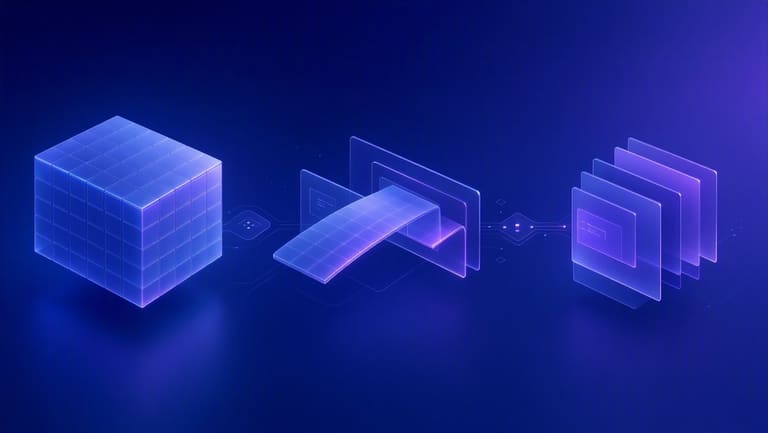
Operating Systemsನಲ್ಲಿ memory management techniques, system performance ಬಹುಪಾಲು ಹೆಣೆದುಕೊಳ್ಳುತ್ತವೆ. Paging, segmentation, virtual memory principals, ದೈನಂದಿನ ಬಳಕೆಯ chief techniques. Each technique, memory organization/management. logic and size difference, usage scenario ಕಾರಣವಾಗಿ, pros-cons ಭೇದ.
Virtual Memory, insufficient RAM ಆಗಿದ್ದಾಗ disk resources ಉಪಯೋಗಿಸಿ usage space extension. Paging: memory ನಿಮ್ಮ fixed pages ಈ allocation. Segmentation: memory logically meaningful segments (code, data, stack) ಗಾಗಿ.
Technique Differences — quick guide
- division method: virtual memory + paging = pages; segmentation = logic segments.
- size flexibility: paging fixed, segmentation variable.
- addressing: paging uses page table; segmentation uses segment table
- protection: segmentation allows per-segment; paging by page.
- complexity: segmentation more complex; paging simpler.
Technique comparison helps OS designers tailor memory management to system need. Security & flexibility? Segmentation. simplicity & efficiency? Paging.
| Characteristic | Virtual Memory | Paging | Segmentation |
|---|---|---|---|
| division | pages | fixed pages | variable segments |
| addressing | page table | page table | segment table |
| flexibility | fixed | fixed | variable |
| protection | page level | page level | segment level |
Technique selection depends on OS objective & requirements. correct blend elevates system performance.
ವರ್ಚುಯಲ್ ಮೆಮೊರಿ ಮತ್ತು Paging ಉಪಯೋಗ
Operating Systemsನಲ್ಲಿ virtual memory ಮತ್ತು paging, modern memory management pillars. Virtual Memory, RAM limits ಮಾರ್ಗವಾಗಿ disk space RAM substitute ಆಗಿ; paging, virtual memory management technique. memory fixed pages allocation ಮತ್ತು RAM/disk residency ಅವರು decisive.
Virtual memory + paging, efficient memory management ಕೊಡುವ ಮೂಲಕ, concurrent multiple apps effortlessly run ಮಾಡಬಹುದು. Apps, whole memory in RAM doesn't require; frequently used pages suffice. ವಿಧೆಯು, big apps small RAMನಲ್ಲಿ, multitasking realisation feasible.
| Characteristic | Virtual Memory | Paging |
|---|---|---|
| Definition | RAM abstraction | management technique |
| objective | address space extension | manage fixed pages |
| benefits | multitasking, resource optimal | fragmentation mitigation, management ease |
| relationship | paging = virtual memory application | effective usage |
Virtual Memory Setup Tips
- ample disk space: ಒಂದು swap partition/applications ram needs.
- correct page size: default best, optimise as app needs.
- frequent pages in RAM: OS houses frequent pages for speed.
- prevent memory leaks: regular check & fixing esp. in big apps.
- monitor performance: page faults, virtual memory usage track and optimise.
Virtual Memory + paging, efficiency/ flexibility elevate. improper setup, performance degrade & OS health risk. Developers/admins, working knowledge of operation/optimisation essential.
ಮೆಮೊರಿ ನಿರ್ವಹಣೆಯಲ್ಲಿ ಸಾಮಾನ್ಯ ಸಮಸ್ಯೆಗಳು
memory management, OS critical role, efficient allocation/release imperative. But, problems: leaks, inadequate allocation, fragmentation, race conditions crop up. These, performance drop, app instability, OS crash triggers.
Problem grasp & resolution vital for developers/admins — solution yields reliability, speed, safety. Table below: major memory management problems, causes & effects.
| problem | causes | effects |
|---|---|---|
| leaks | improper allocation, cyclic references | performance drop, exhaustion, instability |
| under allocation | wrong calculations, exceeding bounds | errors, data loss, system crash |
| fragmentation | constant allocation/deallocation, small blocks | inefficient usage, performance hit |
| race conditions | simultaneous access, lack of sync | data corruption, deadlock, unpredictable behaviour |
Detecting, resolving issues requires tools, proper methods. leaks: profiling tools; race: synchronisation primitives; fragmentation: pooling, compaction.
Typical Problems List
- memory leaks: unreleased memory blocks by apps
- under allocation: app resource demand unmet
- fragmentation: scattered, small unused blocks, big allocation challenge
- race: simultaneous access, process collision
- excessive paging (thrashing): constant swapping, performance degrade
Effective resolution improves OS stability, app reliability. Regular review, proactive care, developer awareness needed.
ಸಮಸ್ಯೆಗಳ ಪರಿಹಾರ ವಿಧಾನಗಳು
Resolution strategies: smart pointers, auto garbage collection for leaks; pooling, compaction for fragmentation; sync primitives (locks, semaphores, atomic ops) for race. profiling tools to sense usage ahead. Correct adoption elevates reliability.
ಪ್ರೊಫೆಷನಲ್ ಮೆಮೊರಿ ನಿರ್ವಹಣೆಯ ಸಲಹೆಗಳು
memory management system performance ಗೆ ಬೇರಿದಾನ್ನೂ ಅಥಿತಿವಾದ ಅಂಶ. Professional approach, resource efficiency, future-proofing. here, practical optimisation tips:
ಮೆಮೊರಿ ಲೀಕ್ಸ್, performance degrade ಆಗತ್ತಿವೆ; regular monitoring, analysis tools essential. usage analysis: which process hogging? detect, fix/replace. eg, unnecessary allocation, code optimisation, or switch.
memory management best practices
- regular analysis: early detection
- close unused apps/processes: free RAM
- virtual memory tuning: correct swap/partition sizing
- schedule memory-heavy tasks: during off-peaks
- prevent leaks: code reviews, unit tests
- keep updated: OS/app updates for improved management
virtual memory, shortage-purpose technique; excessive usage slows via disk IO. ample physical memory, optimal swap usage recommended. table below, virtual memory impact:
| factor | low usage | high usage |
|---|---|---|
| performance | high | low |
| disk IO | minimal | excessive |
| management | easy | hard |
| stability | high | low |
recognise common problems, prepare proactively. eg, out-of-memory, misconfiguration, leaks = instability. proactive care & regular health checks mitigate. Here's a quote underlining the import:
memory management is not just technical, but truly strategic to performance and user experience.
Always remember: OS memory management is ongoing — vigilance and optimisation are must for peak system health.
ಮೆಮೊರಿ ನಿರ್ವಹಣೆಯ ಭವಿಷ್ಯ ಮತ್ತು ತೀರ್ಮಾನಗಳು
OS memory management, advancing tech impacting evolution. Future: AI/ML-empowered algorithms, intelligent resource tuning — apps run faster, system optimised. auto-detect/fix leaks, fragmentation standout advantage.
Important trend: virtualisation, cloud scaling memory resources on-demand. cloud: auto scaling, cost efficiency + performance boost. containerised & microservice paradigms: memory management complexity up, but flexibility, scale also rise.
Key Points
- AI-driven optimisation
- cloud dynamic memory
- container-led management
- energy-efficient memory focus
- security-centric management
future memory, focus: performance, energy efficiency, security — esp. mobile/IoT with battery constraint. algorithms, minimised consumption critical. memory protection, preventing errors, advanced mechanisms. OS memory management, towards smart, scalable, secure solutions — modern IT reliability hinges on adoption.
ಗುರುತಿಸುವ ಪ್ರಶ್ನೆಗಳು
ಆಪರೇಟಿಂಗ್ ಸಿಸ್ಟಮ್ಗಳಲ್ಲಿ ಮೆಮೊರಿ ನಿರ್ವಹಣೆಯ ಮೂಲ ಗುರಿ ಏನು?
Purpose: RAM ದನ್ನು optimal და efficient ಬಳಸಲು, concurrent processes reliable way ನಲ್ಲ ನಡೆಸಲು; allocation, isolation, leakage prevention, ಆಪರೇಟಿಂಗ್ ಸಿಸ್ಟಮ್ಗಳಿಗೆ ಬರಂದ ಭಾಗ.
ಯಾಕೆ ಇಂದಿನ ದಿನಗಳಲ್ಲಿ ಮೆಮೊರಿ ನಿರ್ವಹಣೆ ಅತ್ಯಂತ ಮುಖ್ಯವಾಗುತ್ತಿದೆ?
apps, data ವಿಸ್ತಾರ, complexity ಹೆಚ್ಚಿದೆ; processes concurrency. resource efficiency, optimisation ಮತ್ತು system performance ಸಂಪೂರ್ಣವಾಗಿ memory managementನನ್ನು ಸುಧಾರಿಸಲು ಬೇಕಾದುದು. security risks, mismanagement ಮೂಲಕ vulnerability ಗಾಗಿ ನೀಯಂತ್ರಣೆ ಅಗತ್ಯ.
Virtual Memory ಹೇಗೆ RAM ನಿಂದ ಭಿನ್ನ? ಅದರ ಲಾಭಗಳು ಯಾವುದು?
Virtual Memory, RAM abstraction; disk space RAM substitute, apps large memory allocation feasible. Benefit: ample address space, sharing, optimal management.
Paging technique memory division, benefit?
Paging, memory fixed pages split ಮಾಡುತ್ತೆ; process same-sized frames. fragmentation mitigate, optimal usage, required pages only RAM housed, efficiency boost.
Segmentation paging technique ಭೇದ ಮತ್ತು ಲಾಭಗಳು?
Segmentation, memory logic segments (code, data, stack) divide, paging fixed sized. segmentation orderly allocation, per-segment access control, modularity increase, security boost.
Virtual Memory ಮತ್ತು Paging combo performance?
Combo: efficient memory usage, virtual memory expands, paging administers; fragmentation reduce, RAM usage optimal, concurrency boost. Excessive paging = performance bottleneck.
memory management common problems ಮತ್ತು ಎಚ್ಚರಿಕೆ?
Issues: leaks, fragmentation, thrashing, out-of-memory. Prevention: allocation/deallocation discipline, pooling, monitoring, optimisation.
Professional Memory Management tip for Developers?
Prefer auto-management tools/languages; analyse regularly; efficient data structures/algos; avoid unnecessary allocation; monitor/optimise usage surely.