 Afrikaans
 Azərbaycan
 Bosanski
 Čeština
 Dansk
Dansk Deutsch
 English
 Español
 Filipino
 Français
 Hrvatski
 Indonesia
 Italiano
 Magyar
 Melayu
 Nederlands
 Norsk
Norsk Oʻzbek
 Polski
 Português
 Română
 Slovenčina
 Slovenščina
 Suomi
Suomi Svenska
 Tiếng Việt
 Türkçe
 Ελληνικά
 Беларуская
 Български
 Русский
 Српски
 Українська
 עברית
עברית اردو
اردو العربية
 پښتو
پښتو فارسی
فارسی አማርኛ
አማርኛ मराठी
मराठी বাংলা
বাংলা தமிழ்
தமிழ் ไทย
ไทย မြန်မာ
 한국어
한국어 中文
中文 日本語
日本語

ಹುಬ್ಬಳ ವಿಸ್ತೀರ್ಣ ಬ್ಯಾಂಡ್ (UWB) ತಂತ್ರಜ್ಞಾನವು ಕಡಿಮೆ ದೂರದಲ್ಲಿ ಅತಿಹೆಚ್ಚು ನಿಖರತೆ, ಭದ್ರತೆ ಮತ್ತು ವೈಯಕ್ತಿಕ ಡೇಟಾ ಪ್ರಸರಣವನ್ನು ಸಾಧ್ಯಮಾಡುವ ಕ್ರಾಂತಿಕಾರಿ ವೈರ್ಲೆಸ್ ತಂತ್ರಜ್ಞಾನವಾಗಿದೆ. ಈ ಬ್ಲಾಗ್ ಲೇಖನ, ಹುಬ್ಬಳ ವಿಸ್ತೀರ್ಣ ಬ್ಯಾಂಡ್ ತಂತ್ರಜ್ಞಾನವು ಏನು, ಹೇಗೆ ಕಾರ್ಯನಿರ್ವಹಿಸುತ್ತದೆ, ವಿವಿಧ ಕ್ಷೇತ್ರಗಳಲ್ಲಿ ಅದರ ಬಳಕೆ ಮತ್ತು ಪ್ರಯೋಜನಗಳನ್ನು ವಿವರವಾಗಿ ಅನಾವರಣ ಮಾಡುತ್ತದೆ. ರೀಟೇಲ್, ಆರೋಗ್ಯ, ಗಾಡಿ ಮತ್ತು ಇನ್ನೂ ಹಲವಾರು ಉದ್ಯಮಗಳಲ್ಲಿ ಈ ತಂತ್ರಜ್ಞಾನ ಹೇಗೆ ರೂಪ ತರುತ್ತಿದೆ ಎಂಬುದನ್ನು ವಿವರಿಸಿ, ಇತರ ವೈರ್ಲೆಸ್ ತಂತ್ರಜ್ಞಾನಗಳ ಜತೆ ಪರಿಗಣನೆ ಮತ್ತು ಭದ್ರತಾ ವೈಶಿಷ್ಟ್ಯತೆಗಳ ಮಹತ್ವಕ್ಕೂ ಒತ್ತು ನೀಡಲಾಗಿದೆ. UWB ಮೂಲಕ ಸ್ಥಳ ನಿರ್ಧಾರ ಮಾಡುವ ವಿಧಾನಗಳು, ಡೇಟಾ ಪ್ರಸರಣದ ಪ್ರದರ್ಶನ, ಭವಿಷ್ಯದಲ್ಲಿ ಅದರ ಸಾಧ್ಯತೆಗಳು, ಮತ್ತು ಆಗಾಗ್ಗೆ ಕೇಳಲಾಗುವ ಪ್ರಶ್ನೆಗಳ ವಿವರಣೆಯೂ ಇದರಲ್ಲಿ ಸೇರಿವೆ.
ಹುಬ್ಬಳ ವಿಸ್ತೀರ್ಣ ಬ್ಯಾಂಡ್(UWB) ತಂತ್ರಜ್ಞಾನ ಎಂದರೆ ಏನು?
ಹುಬ್ಬಳ ವಿಸ್ತೀರ್ಣ ಬ್ಯಾಂಡ್ (UWB) ಎಂತಹು ಕಡಿಮೆ ದೂರದಲ್ಲಿ ಹೆಚ್ಚಿನ ಬ್ಯಾಂಡ್ ವಿಸ್ತೀರ್ಣ ಪ್ರದಾನಮಾಡುವ ರೇಡಿಯೋ ತಂತ್ರಜ್ಞಾನವಾಗಿದೆ. ಪದಾರ್ಥಿಕ ದಾಳು (pulse based) ಮಾದರಿಯಿಂದ ಅತ್ಯಗ್ನಿಷ್ಠ ಪ್ರಮಾಣದ ಡೇಟಾವನ್ನು ಸುಪ್ತವಾದ ಉಜ್ಜವ ತರಂಗದ ಸಾಧ್ಯತೆಯಲ್ಲಿ ಪ್ರವಾಹ ಮಾಡುತ್ತದೆ. ಸಾಮಾನ್ಯ Wi-Fi, Bluetooth ತಂತ್ರಜ್ಞಾನದಂತೆ ಅಲ್ಲದೆ, ಯುಡಬ್ಲ್ಯೂಬಿ ವಿಶಿಷ್ಟವಾದ frequency spectrumನಲ್ಲಿ ಕಾರ್ಯನಿರ್ವಹಿಸುತ್ತದೆ. ಇದರಿಂದ ವಿವಿಧ ವೈರ್ಲೆಸ್ ವ್ಯವಸ್ಥೆಗಳ ನಡುವೆ ಗೊಂದಲ ಕಡಿಮೆ ಆಗುತ್ತದೆ.
UWB ತಂತ್ರಜ್ಞಾನದ ಪ್ರಮುಖ ಲಕ್ಷಣವೆಂದರೆ, ಸಂಯುಕ್ತತೆ, ಘಟಕ ನಿರ್ಧಾರ ಸಾಮರ್ಥ್ಯ. ಗೃಹದೊಳಗಿನ ನಿಖರ ಸ್ಥಳ ನಿರ್ಧಾರ (ಚಪ್ಪಾಳೆ ಮಟ್ಟ), ಇನ್ವೆಂಟರಿ ಮತ್ತು ಜನರ ಟ್ರ್ಯಾಕಿಂಗ್, ನಾವಿಗೇಶನ್—all ಕೂಡ ಅತಿ ಹೆಚ್ಹು ನಿಖರವಾದ ಪರಿಹಾರ UWB ನೀಡುತ್ತದೆ. Bluetooth, Wi-Fi ಗಳಿಗೆ ಹೋಲಿಸಿ, UWB ಸಂಟಿಮೀಟರ್ ಮಟ್ಟದಲ್ಲಿ ಸ್ಥಳ ನಿರ್ಧಾರವನ್ನು ಕೊಡುತ್ತದೆ. ಇದಕ್ಕೇ ಕಾರಣ, ಸುಧಾರಿತ ಕಾರ್ಖಾನೆಗಳಲ್ಲೂ, ಮಾರುಕಟ್ಟೆ/ಡಿಪೋಗಳಲ್ಲಿ ಈ ತಂತ್ರಜ್ಞಾನ ಅತಿ ಉಪಯುಕ್ತ.
- ಪ್ರಮುಖ ವೈಶಿಷ್ಟ್ಯಗಳು:
- ಹೆಚ್ಚಿನ band wideness: ಅತ್ಯುತ್ತಮ ಡೇಟಾ ವೇಗ
- ಕಡಿಮೆ ವಿದ್ಯುತ್ ಬಳಕೆ: energy efficient
- ಅತಿ ನಿಖರ ಸ್ಥಳ ಪರಿಚಯ: centimeter-level location
- ಅತಿ ಕಡಿಮೆ ದೂರ (10–20Meter)
- Pulse based transmission: ಶುಭ್ರ ದಾಳು (pulse) ಮೂಲಕ ಡೇಟಾ ಪ್ರದಾನ
- ದುಡ್ಡು ಗೊಂದಲ: frequency overlap ಕಡಿಮೆ
UWB ತಂತ್ರಜ್ಞಾನವು ಸೀಮಿತವಾದ ಡೇಟಾ ಪ್ರಸರಣ/ಸ್ಥಳ ನಿರ್ಧಾರಕ್ಕೆ ಮಾತ್ರವೇ ಸೀಮಿತವಲ್ಲ: security, automotive, healthcare ಮತ್ತು consumer electronicsಗಳಲ್ಲಿ ಮಹಿಮೆಯನ್ನು ತೋರಿದೆ. ಉದಾಹರಣೆಗೆ, ನಂಬರ್-ಲೆಸ್ ಆಕ್ಸಸ್, contactless payments, wireless VR ಪ್ರದಾನಗಳಲ್ಲಿ ನವೀನ ಅನುಬಂಧ ನೀಡುತ್ತದೆ. ಈ ತಂತ್ರಜ್ಞಾನದ ಅನ್ವಯ ಮತ್ತು ಸುಪ್ತತೆ, ಭವಿಷ್ಯದಲ್ಲಿ ಅದು ಹಂತವನ್ನ ತರುವುದಕ್ಕೆ ಹೆಚ್ಚು ಸಾಧ್ಯತೆ.
| ವೈಶಿಷ್ಟ್ಯ | Ultra Geniş Bant (UWB) | Bluetooth | Wi-Fi |
|---|---|---|---|
| Band wideness | ಅತಿಹೆಚ್ಚು | Low–medium | Medium–high |
| Range | 10–20m | 10–100m | 30–150m |
| Location Precision | Centimeter-Level | Meter-Level | Meter-Level |
| Power Consumption | Low | Low–medium | High |
ಹುಬ್ಬಳ ವಿಸ್ತೀರ್ಣ ಬ್ಯಾಂಡ್ ತಂತ್ರಜ್ಞಾನವು data transfer ಮತ್ತು location precision ಎರಡನ್ನೂ ಒಟ್ಟಿಗೆ ಕೊಡುತ್ತಿರುವ ನವೀಕರಿಸಿದ ಆಯ್ಕೆ. ಹಲವಾರು ಕ್ಷೇತ್ರಗಳಲ್ಲಿ ಅದು ಅನ್ವಯವಾಗುತ್ತಿದೆ; ಇದರ ವಿಶಿಷ್ಟ ಪ್ರಯೋಜನೆಗಳು ಇದನ್ನು ideal wireless solution ಆಗಿ ಸಾಲಿಸಿವೆ.
UWB ಬಳಕೆ ಕ್ಷೇತ್ರಗಳು ಮತ್ತು ಪ್ರಯೋಜನೆಗಳು
ಹುಬ್ಬಳ ವಿಸ್ತೀರ್ಣ ಬ್ಯಾಂಡ್(UWB) ತನ್ನ ವಿಶಿಷ್ಟ ವೈಶಿಷ್ಟ್ಯಗಳಿಂದ ಹಲವಾರು ಪ್ರತ್ಯೇಕ ಉದ್ಯಮಗಳಲ್ಲೂ, ಅನ್ವಯಗಳಲ್ಲಿ ವಿಶಿಷ್ಟ ಸ್ಥಾನ ಪಡೆದಿದೆ. ಉದಾಹರಣೆಗೆ, location precision, data security, power efficiency—all combine to make UWB the answer for real-time asset tracking, indoor navigation ಮತ್ತು IoT applications. ಇಲ್ಲಿ ವ್ಯಾಪಕವಾಗಿ ಬಳಸುವ ಕ್ಷೇತ್ರಗಳು:
| ವೈಶಿಷ್ಟ್ಯ | ವಿವರಣೆ | ಪ್ರಯೋಜನೆ |
|---|---|---|
| ಅತಿ ನಿಖರ ಸ್ಥಳ ನಿರ್ಧಾರ | centimeter-level positional info | tracking/navigation super accuracy |
| energy efficiency | streamlined bursts = less battery drain | longer battery, reduced cost |
| Data security | Short distance, wide band = hard to intercept | Secure transmission, blocks unauthorized access |
| Wide band | High-speed large volume transfer | speedy/connectivity |
ಉದ್ಯಮ automation, healthcare, retail, automotive—all use UWB: robotics synchronization, patient/device monitoring, custom shopping, keyless entry/vehicle collision prevention—UWB’s versatility shines.
- ಪ್ರಯೋಜನೆಗಳು:
- Centimeter-level location
- Low power = long battery life
- Secure & reliable data exchange
- Wide band for high-speed transfer
- Indoor/outdoor contexts flexibility
- Easy integration with existing wireless protocols
UWB’s scope, in addition to improving today’s tech, is opening completely new possibilities: smart homes—automatic device recognition/control; augmented reality (AR)—precision, immersive; autonomous vehicles—safe navigation. UWB’s role keeps expanding!
ಉದ್ಯಮ ಅನ್ವಯಗಳು
Industrial field: UWB is revolutionizing automation. Real-time positioning of robots, monitoring, optimizing production, managing warehouse inventory/logistics—UWB makes it possible.
ಗ್ರಾಹಕ ಎಲೆಕ್ಟ್ರಾನಿಕ್ಸ್
Consumer electronics: UWB brings new features to mobiles, tablets and wearables! Example: Apple AirTag uses UWB—better locating lost items, keyless entry/mobile pay—UWB enhances security. AR and VR get more interactive, immersive through UWB.
ಬೆಳವಣಿಗೆ ಹಾಗೂ ವೈಶಿಷ್ಟ್ಯಗಳು ಮುಂದಿನ ದಿನಗಳಲ್ಲಿ ಇನ್ನೂ ಹೆಚ್ಚಾಗುತ್ತವೆ—UWB ನಮ್ಮ ದಿನನಿತ್ಯದ ಅವಿಭಾಜ್ಯ ಭಾಗವಾಗಲಿದೆ.
UWB ಹೇಗೆ ಕಾರ್ಯನಿರ್ವಹಿಸುತ್ತದೆ?
Ultra Geniş Bant (UWB) uses radio pulses for short-range, high-bandwidth data transmission. Unlike conventional radio (narrow-band), UWB exploits >500MHz of frequency with ultra-low power, causing minimal interference and high accuracy for location. It’s all in the super short pulse transmission and high time-resolution: measuring signal arrival times enables centimeter-level positioning.
| ವೈಶಿಷ್ಟ್ಯ | ವಿವರಣೆ | ಪ್ರಯೋಜನೆಗಳು |
|---|---|---|
| Frequency band | Wide (500MHz+) | High-speed & precision location |
| Power level | Low | Interference-resistant, energy-saving |
| Range | 10–20m | Reliable accuracy |
| Use | Location & data transmission | Fits many sectors |
UWB utilizes Time-of-Arrival (ToA) and Angle-of-Arrival (AoA) methods. ToA: calculate time for signal from sender to receiver. AoA: determine which angle signal arrives—combining these improves accuracy. Its low power/high bandwidth suits both IoT gadgets and other wireless needs.
Steps:
- Pulse transmission: UWB device sends ultra-short radio pulses.
- Reception: Receivers detect/time tag pulses.
- Distance calculation: Time difference between send/receive=distance
- Location determination: Multi-receiver triangulation=location
- Data transfer: Broad bandwidth=fast transfer
ಡೇಟಾ ಪ್ರಸರಣ ವಿಧಾನಗಳು
UWB uses various pulse modulation and encoding methods. Pulse Position Modulation (PPM): pulse location in time. Pulse Amplitude Modulation (PAM): pulse amplitude changes. With error correction codes, UWB is fast, power-efficient and robust.
UWB’s performance, especially in accurate location, outshines other wireless options for many applications.
UWB ಮೂಲಕ ವೇಗವಾದ ಡೇಟಾ/ಸ್ಥಳ ನಿರ್ಧಾರ ಸಂಯೋಜನೆಯಂತೆ ದಿನಚರಿಯಲ್ಲಿ ಹೊಸ ಅಧ್ಯಾಯ ಕಟ್ಟುತ್ತಿದೆ.
UWB ಹೋಲಿಕೆಯು ಇತರ ತಂತ್ರಜ್ಞಾನಗಳ ಜತೆ
ಕೆಲಸ, ಪರಿಗಣನೆ, ವೇಗ, ನಿಖರತೆ—all matter: Ultra geniş bant (UWB) competes with Wi-Fi, Bluetooth, RFID, Zigbee, NFC. UWB’s unique advantage is pinpoint location and quick, secure transfer—especially indoors and asset tracking.
- ಹೋಲಿಕೆಯ ತಂತ್ರಜ್ಞಾನಗಳು:
- Wi-Fi
- Bluetooth
- RFID (Radio Frequency Identification)
- Zigbee
- NFC
UWB’s location accuracy beats Wi-Fi/Bluetooth—battery life improves due to low power. But, wider adoption faces infrastructure and standardization hurdles.
| ತಂತ್ರಜ್ಞಾನ | ಪ್ರಯೋಜನೆ | ಪ್ರತಿಸ್ಫಂದನೆ |
|---|---|---|
| UWB | High precision, low power, wide band | Infrastructure cost, limited range, standard gaps |
| Wi-Fi | Wide coverage, existing infra, fast data | High battery drain, low precision, security risks |
| Bluetooth | Low power, cheap, device support | Limited range, slow speed, mere meter accuracy |
| RFID | Cheap, simple, long-lasting | Low data, short range (passive tags batteryless) |
RFID suits supply chains/inventory, UWB suits live location and fast data, Bluetooth fits device-to-device and low-energy apps. UWB’s combo makes it leader for asset tracking and secure wireless exchange.
ಒಟ್ಟು, ಪರಿಗಣನೆ (comparative) ಪ್ರಕಾರ, ವೈಶಿಷ್ಟ್ಯ–ಹೊಂದಾಣಿಕೆ ಮಾಡಬಹುದು; UWB’s excellence for secure, precise, low-power real-time uses points to its expanding place in future sectors.
UWB ಭದ್ರತಾ ಪ್ರಯೋಜನೆಗಳು
ಭದ್ರತೆ–ಬಾಳ್ಯದಲ್ಲಿ ಪ್ರದಾನ; Ultra geniş bant (UWB) wireless transmission is safer—short-range, wide-band signals are difficult to detect/intercept. Advanced encryption/identity management makes unauthorized access tough.
Key security features: Low-power, wide band, robust cryptography (AES), dual-way authentication, channel hopping/masking, timestamping. Use cases: secure access, sensitive data exchange, medical/finance/military communication.
| ಭದ್ರತಾ ವೈಶಿಷ್ಟ್ಯ | ವಿವರಣೆ | ಆನ್ವಯ ಕ್ಷೇತ್ರ |
|---|---|---|
| Low power | Signals hard to detect, blocks eavesdropping | Secure access, private data transfer |
| Wide band | Signals difficult to follow/imitate | Military, finance |
| Advanced encryption | Strengthens data, stops unauthorized | Health records, personal privacy |
| Identity management | Only authorized users allowed | Building access, vehicle security |
Security technologies:
- Timestamping: Accurate send/receive times for precision, manipulation-proof
- Channel hopping: Frequency switches for signal interception resistance
- Encryption: AES, etc—maximum safety
- Dual-way authentication: Both sender/receiver checked
- Signal masking: Low visible strength=hard to track
ಭದ್ರತಾ ವ್ಯಾಪ್ತಿ ಪ್ರಕಾರ, UWB ಅನ್ನು health, finance, military, automotive—critical wireless needsನಲ್ಲಿ ಉಪಯೋಗಿಸಲಾಗುತ್ತಿದೆ. ಉದಾಹರಣೆಗೆ, ಕೂಗೆಯ ಷೆರ್ಟೆ(exchange), hospital equipment/device control, bank transfers—all safe!
UWB’s security capabilities mean as the number of IoT gadgets grows, safe, reliable communication will depend especially on UWB.
ಹುಬ್ಬಳ ವಿಸ್ತೀರ್ಣ ಬ್ಯಾಂಡ್ ಭದ್ರತೆ: Low-power wide-band signals, cryptographic protocols, and identity management make UWB one of the safest wireless wave technologies available today.
UWB ಸ್ಥಳ ನಿರ್ಧಾರ ವಿಧಾನಗಳು
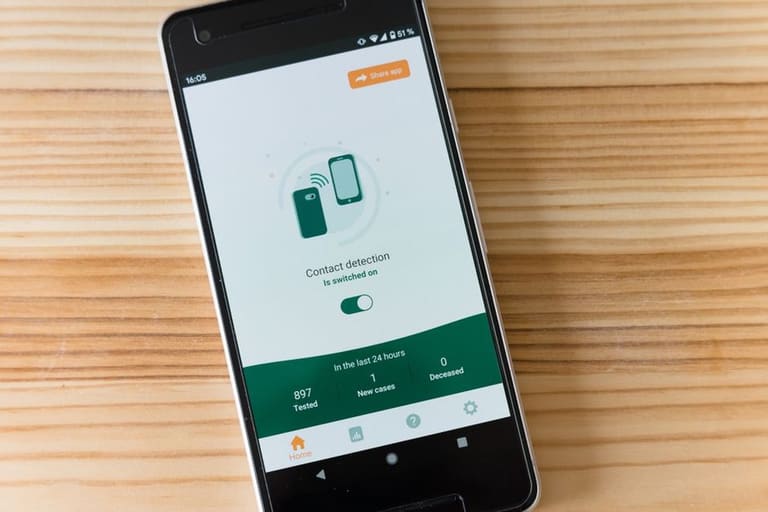
ಅಲ್ಟ್ರಾ ವೈಡ್ಬ್ಯಾಂಡ್ location determination—centimeter-level precision: from indoor navigation to asset tracking. Methods used: signal propagation properties (ToA, TDoA, AoA, RSS). ToA: signal arrival time, TDoA: time difference among nodes, AoA: arrival angle, RSS: measured power level.
| ವಿಧಾನ | ವಿವರಣೆ | ಪ್ರಯೋಜನೆ | ಪ್ರತಿಸ್ಫಂದನೆ |
|---|---|---|---|
| ToA | Sender → receiver arrival time | High accuracy, easy deployment | Needs time sync |
| TDoA | Arrival time diff between points | Less time sync needed | Multiple reference points required |
| AoA | Measure arrival angle | Direct angle info | Complex antenna setup |
| RSS | Signal power measures distance | Cheap, easy | Environmental influence |
Different contexts: ToA for open spaces, TDoA/AoA for complex indoor; hybrid methods (combining multiple) improve accuracy. Filtering, calibration, signal fusion boosts precision.
ಸ್ಥಿರ ವಿಧಾನಗಳು
Static methods: when device/assets are stationary—application: warehouse inventory, machines. Higher accuracy—measurements over time reduce noise.
ಚಲುವಳಿಯ ವಿಧಾನಗಳು
Dynamic methods: for moving targets—robots, forklifts, humans in indoor navigation—accuracy slightly dips due to short time measurement.
- ToA: Arrival time measurement
- TDoA: Time diff among points
- AoA: Arrival angle
- RSS: Power level for distance estimate (environment-sensitive)
- Hybrid: Combine for optimum accuracy
Continuous advancement in hardware/algorithms means UWB’s location solutions will only improve in the future.
UWB ತಂತ್ರಜ್ಞಾನದ ಭವಿಷ್ಯ
UWB technology’s promise: IoT, smart cities, automotive, health—with precise location/high-speed transfer. Future: stronger integration, more widespread use.
| Sector | Current Usage | Future Outlook |
|---|---|---|
| IoT | Smart home devices, tracking | Greater integration, better energy efficiency |
| Automotive | Keyless entry, collision prevention | Autonomous driving enhancements |
| Health | Patient monitoring, device comm | Remote care, personalized therapy |
| Smart cities | Transit tracking, smart parking | Urban logistics, safety upgrades |
Future not just tech: standardization, regulation, interoperability—wider adoption. Security/privacy standards build trust; international rules & gov guidance matter.
- Lower power, longer battery
- Stronger encryption/security
- Integration with 5G/other wireless
- AI/machine learning enhancements
- Smaller/cheaper UWB chips
- Growth in industrial automation/robotics
Research, development—sector collaboration brings varied applications. User feedback/market demand fosters continuous innovation.
UWB is a future digital transformation pillar. High-precision location and speedy transmission will revolutionize many industries.
UWB ಮೂಲಕ ಡೇಟಾ ಪ್ರಸರಣದ ಪ್ರದರ್ಶನ ವಿಶ್ಲೇಷಣೆ
High-speed transmission/location: UWB’s metrics—data rate, range, reliability, energy efficiency. Key for real-time: low latency, high packet delivery.
- Data Rate: Mbps
- Range: meters
- Latency: transmit+receive
- Packet loss: missing packets
- Energy efficiency: consumption
- Signal strength
Multipath propagation: signal takes multiple paths = interference but UWB’s bandwidth resists this. Some sample values:
| Environment | Data Rate (Mbps) | Range (meters) | Packet Loss (%) |
|---|---|---|---|
| Office | 480 | 10 | 0.1 |
| Open | 680 | 30 | 0.05 |
| Industrial | 320 | 5 | 0.5 |
| Urban | 240 | 3 | 1.0 |
Performance boosters: antenna diversity, signal processing, channel coding. Proper device configuration and antenna choice matter. Expert quote:
Proper execution—UWB can revolutionize wireless. For best performance: plan ahead, choose the right technology.
UWB ಆರೋಗ್ಯ ಕ್ಷೇತ್ರದಲ್ಲಿ
Healthcare uses tech the most—Ultra Geniş Bant (UWB) brings efficiency, accuracy. Location precision: patient/personnel tracking, medical equipment management, emergency response.
- Patient tracking: Real-time location inside hospital
- Personnel tracking: Staff positions improve assignments
- Device management: Easily find valuable equipment
- Emergency responses: Quickly direct workers/tools
- Medicine monitoring: Storage, expiry ensured
- Elderly care: Safety, fall alerts
Especially for dementia/limited mobility patients—safety, reduced staff workload. Equipment location prevents time loss and aids emergencies.
| Use | UWB impact | Advantages |
|---|---|---|
| Patient tracking | Real-time location | Rapid action, safer |
| Personnel management | Position monitoring | Assignment optimization, efficiency |
| Device tracking | Locate equipment | Easy inventory, loss prevention |
| Emergency coordination | Quick direction | Life-saving, effective |
UWB also tracks sensitive devices in operation theaters/ICUs; ensures security, improves management, helps resource analysis for hospitals.
ಅಲ್ಟ್ರಾ ವೈಡ್ಬ್ಯಾಂಡ್ boosts safety, management, reliability—cost drops, quality rises. Its future in healthcare will only expand.
UWB ಕುರಿತ ಪ್ರಶ್ನೋತ್ತರ
UWB tech—many questions arise; this section clarifies most frequently asked:
- What is UWB and how’s it different?
- Which frequency bands?
- Typical range?
- Security vulnerabilities?
- Comparison with Bluetooth/Wi-Fi?
- Future outlook?
- Industry applications?
Comparison table:
| ವೈಶಿಷ್ಟ್ಯ | UWB | Bluetooth | Wi-Fi |
|---|---|---|---|
| Frequency band | 3.1–10.6 GHz | 2.4 GHz | 2.4 / 5 GHz |
| Data rate | Up to 480 Mbps | 1–3 Mbps | 54 Mbps–1 Gbps |
| Range | 10–30 meters | 10 meters | 50–100 meters |
| Power | Low | Very low | High |
Wide application: precision for retail analytics, automation, robotics—UWB is ideal. Its future: brighter, more IoT devices, more prominence.
Stay informed—UWB’s potential will keep expanding.
ಪ್ರಶ್ನೆಗಳು
UWB adoption challenges?
Cost, infrastructure, standardization, competition—main hurdles. Tech progress and wider usage expected to ease these.
UWB location accuracy?
Centimeter-level. Influenced by signal strength, obstacles (walls, people), device quality, algorithm sophistication.
UWB in home automation?
Precision device positioning, auto lock/unlock, personalized settings—like lights/music auto on with room entry.
Advantages over Bluetooth/Wi-Fi?
Precision, security, lower power; performs better in busy signal environments.
Battery optimization in UWB devices?
Low-power/sleep modes, signal tuning, reducing location frequency, advanced chip development.
High potential sectors?
Automotive (keyless entry, parking), retail (customer tracking, stock), healthcare (patient/device monitoring), industrial automation, smart cities.
UWB privacy/security?
Encryption, authentication, key management—devices mutually recognize, secure channels. Regular security updates, penetration testing crucial.
Factors affecting UWB performance?
Signal strength, channel, interference, modulation type. Optimization: strong transmitters, channel selection, efficient modulation methods.