 Afrikaans
 Azərbaycan
 Bosanski
 Čeština
 Dansk
Dansk Deutsch
 English
 Español
 Filipino
 Français
 Hrvatski
 Indonesia
 Italiano
 Magyar
 Melayu
 Nederlands
 Norsk
Norsk Oʻzbek
 Polski
 Português
 Română
 Slovenčina
 Slovenščina
 Suomi
Suomi Svenska
 Tiếng Việt
 Türkçe
 Ελληνικά
 Беларуская
 Български
 Русский
 Српски
 Українська
 עברית
עברית اردو
اردو العربية
 پښتو
پښتو فارسی
فارسی አማርኛ
አማርኛ मराठी
मराठी বাংলা
বাংলা தமிழ்
தமிழ் ไทย
ไทย မြန်မာ
 한국어
한국어 中文
中文 日本語
日本語

మైక్రోసర్వీస్ ఆర్కిటెక్చర్ లో పొరపాట్ల నిరోధత (Error Tolerance) అనేది సైట్ స్థిరత్వాన్ని, భద్రతను బలపరచడానికి అత్యంత అవసరమైన అంశం. Circuit Breaker pattern లేదా devre kesici నమూనా, ఈ నిరోధతను సాధించడంలో కీలక పాత్ర పోషిస్తుంది. ఈ విధానం గురించి, మైక్రోసర్వీస్ ఆర్కిటెక్చర్ ప్రయోజనాలు, పొరపాట్ల నిరోధత ఎందుకు అవసరం, మైక్రోసర్వీస్ లో విఫలతల పరిశీలన, Circuit Breaker యొక్క పనితీరు, వాస్తవ జీవితంలో ఉపయోగాలు, అత్యుత్తమ పద్ధతులు, అవసరమైన టూల్స్, Error Tolerance కు వివిధ స్ట్రాటజీలు వంటి కీలక విషయాలను తెలుగులో విపులంగా చర్చించబడింది. చివరగా, నిరోధత అవసరాన్ని వర్ణిస్తూ, సిస్టమ్స్ మరింత బలంగా, నమ్మదగినవిగా మారడంలో పొరపాట్ల నిరోధత ఎలా సహాయపడుతుందో వివరించబడింది.
Circuit Breaker Pattern అంటే ఏమిటి?
Circuit Breaker డిజైన్ ప్యాటర్న్ ఒక సాఫ్ట్వేర్ ఆర్కిటెక్చర్ విధానం. ముఖ్యంగా Distributed systems, మైక్రోసర్వీస్ తరహా & Cloud ఆధారిత అప్లికేషన్లలో, వ్యవస్థను బలపర్చడానికి – Error Tolerance పెంచడానికి దీనినుపయోగిస్తారు. ఇందులో ఒక సెర్వీస్ తిరుగుతూ Fail అవ్వడం కనిపిస్తే, అప్లికేషన్ ఆ సెర్వీస్పై సదా కాల్ చేయడాన్ని నిలిపివేయడం (carefully Power OFF చేస్తూ), మొత్తం వ్యవస్థలో ఆ నిరాప్తి ప్రభావాన్ని నివారిస్తుంది. Hardware లో Devre Kesici లాగా, software లోనూ ఒక threshold దాటి errors వస్తే, Devre 'Open' చేసి ఆ సెర్వీస్ను చిన్నపాటి విరామంలో isolate చేస్తుంది.
ఇదిస్థాయిలో, పొరపాట్ల propagation ని కట్టిపడికి, system త్వరగా normal పనిలోకి రావడానికి సహాయపడుతుంది. అధికంగా fail అయ్యే సెర్వీస్ను వదిలిపెట్టి, Circuit Breaker టర్న్ చేయడంతో App alternate/fallback paths ఉపయోగించనివ్వడం, User Experience చక్కగా కొనసాగనివ్వడం, Reliability ని మెరుగుపరచడం — ఇవే ఈ model ముఖ్య లక్షణాలు.
Circuit Breaker Pattern యొక్క ప్రధాన భాగాలు
- Closed State: సెర్వీస్ కాల్స్ సమర్థంగా జరుగుతాయి. Error rate threshold దాటి పోతే 'Open' కు వెళ్తుంది.
- Open State: Error ఎక్కువగా వచ్చినప్పుడు, కొత్త calls ఆ service వద్దకు వెళ్లడం నిలుపుతుంది. కొన్ని క్షణాల తర్వాత 'Half-Open' కు వెళ్తుంది.
- Half-Open State: కొన్ని limited calls మాత్రమే service కి పంపబడతాయి. అవి successes అయితే మళ్ళీ Closed కు వచ్చేది, Fail అయితే Open లోనే ఉంటుంది.
- Failure Threshold: Devre (Circuit) open అయ్యేందుకు అవసరమైన అధిక error limit.
- Retry Timeout: Devre open అయిన తర్వాత half-open కి మారే కోసం చెక్ చేయాల్సిన time interval.
Circuit Breaker ను ఉపయోగించడం ద్వారా, unexpected failures ఎక్కువ spread కాకుండా, ప్రాంతీయంగా మాత్రమే ఉంటాయి. ముఖ్యంగా మైక్రోసర్వీస్ వ్యవస్థల్లో, నిజంగా ఒకవేళ Dependencies complex అయితే, ఈ pattern ప్లనింగ్ చాలా అవసరం. Error Tolerance స్ట్రాటజీల ప్లాన్ చేసే సందర్భంలో Circuit Breakerను కలుపుకోవడం ఎక్కువ System Availability & Trustworthiness కల్పిస్తుంది. తర్వాతి సెక్షన్లో, మైక్రోసర్వీస్ Error Handlingలో Circuit Breaker వ్యవస్థ పాత్ర చూద్దాం.
Circuit Breaker స్టేట్ రిలేషన్స్
| వ్యవస్థ స్థితి | వివరణ | ఐచ్ఛానిక చర్య |
|---|---|---|
| Closed | Calls అన్ని regular గా జరుగుతున్నవి | Error rate పెరగకపోతే, ఇదే continue. Error rate పెరితే Next state కు వెళుతుంది. |
| Open | Calls service కు వెళ్లడం పూర్తిగా blocked | Directly Error చూపిస్తుంది. కొంతకాలం తర్వాత half-open కు వెళ్తుంది. |
| Half-Open | కేవలం కొన్ని calls మాత్రమే service కి పంపబడతాయి. | Calls Success అయితే Closed కి తిరుగుతుంది, Fail అయితే Open లో ఉంటుంది. |
| Wait | State మార్చే ముందు చూసే time interval | Time పూర్తయితే, Next state లోకి మారుతుంది. |
Circuit Breaker మోహం, Distributed Systems లో పొరపాట్లను తగ్గించడంలో, User experience మెరుగుపరచడంలో ముఖ్యఘం. మైక్రోసర్వీస్ లేదా Cloud సాగి Applicationల్లో, ఇది must-have design pattern అయింది.
మైక్రోసర్వీస్ ఆర్కిటెక్చర్ ప్రయోజనాలు
మరింత ఆధునిక, వేగవంతమైన development үчүн మైక్రోసర్వీస్ వస్తు పేర్చడం ఎక్కువగా చూడబడుతోంది. ఇది సెర్వీసుల్ని చిన్న, స్వతంత్ర, పంపిణీ చేయదగిన units గా ఏర్పాటు చేస్తూ, అనేక ప్రమేయాలు అందిస్తుంది. అసలు Circuit Breaker వంటివి పడినప్పుడు, ఇటువంటి architecture advantages ఇవే:
Microservices Architecture కల్పిస్తుంది:
- Independent Deployment: Individual services ఒకదానికొకటి డిపెండ్ కాకుండా, విడిగా నిర్వహించొచ్చు.
- Tech 다양త: ప్రతి సెర్వీస్ వద్దకు అన్నీ tech/tools వాడొచ్చు.
- Scalability: Individual service నీ నరాదారితే పెద్దదిగా, చిన్నదిగా, లేక ఆర్ధికంగా మేనేజ్ చేసుకోవచ్చు.
- Error Isolation: ఒక సెర్వీస్ fail అయితే, మొత్తం system మీద ప్రభావం ఉండదు.
- Development Speed: Small teams అవి speed గా innovate చేయడం, agile గా respond చేయడం మరింత మందేలా జరుగుతుంది.
ఇది వల్ల, error tolerance పెరిగి, ఒక service fail అయినా, అంత సమస్య మొత్తం system మీద ప్రభావం లేకుండా ఉంటోంది. Circuit Breaker వంటి pattern లు, error propagation ను కట్ చేసి, Reliability ను బూస్ట్ చేయడం, traffic-heavy & mission-critical applicationsకు ముఖ్యంగా ప్రాముఖ్యంగా ఉంది.
Microservice vs Monolith సోపానాలు
| లక్షణం | Microservice | Monolithic |
|---|---|---|
| Scalability | స్వతంత్ర service 규모 | Full app 규모 |
| Error Tolerance | ఉన్నతం, isolation స్పందన ఉంది | తక్కువ, అన్ని అక్కడే |
| Development Speed | నేల, స్వతంత్ర teams | Slow, codebase complex |
| Tech Diversification | అనుమతి ఉంది | లిమిటెడ్ |
Microservice సైన్ ఉండే development teams మైక్రోసర్వీస్ జ్ఞానం పై విలువైన పట్టును కలిగి ఉంటారు. ఇది code మొత్తాన్ని manage చేయడం, Continuous Integration & Delivery సంజయిస్తాయి.
Microservice Architecture ప్రోత్సాహంతో, ఫాస్ట్ prototyping, experimentation, new features పంపిణీ వేగవంతం; ఇది मार్గంలోకొను, కాని ఆర్ఖిటెక్చర్ complexityని అవశ్యంగా అడగాలి: లోగడ్పు, monitoring, security, integration విఅధికంత లో ఉంటుంది.
పొరపాట్ల నిరోధత విలువ
మైక్రోసర్వీస్ ఆర్కిటెక్చర్లో, ప్రతి service ఒక సెట్లో చెక్ చేస్తూ, అంత మార్గంలో ఏదైనా service fail అయితే, మరిన్ని serviceలకు సమస్య ఆవిరై ప్రయవర్ హలిస్తుంది. అందుకే Error Tolerance అంటే, కొన్ని భాగాలు fail అయినా, system continuous గా పనిచేయడం – ఇది చాలా విపరీతంగా అవసరం. Error Tolerance వల్ల ఉసర్ interruption / downtime తగ్గి, కొత్తతనం లేనివి minimize చేయొచ్చు.
Error Tolerance సిస్టమ్ భారీ తప్పులు తేలికగా tolerate చేయడం కాక, DevOps కు ఎక్కువ సౌలభ్యం చేస్తుంది. ఒక service fail అయినప్పుడు, సిస్టం auto-recover అవ్వడం, emergency intervention అవసరం తగ్గడం, teams కు relaxation కల్పిస్తుంది.
| కంపేరించాలి | Error Tolerance లేకుండా | Error Toleranceతో |
|---|---|---|
| System Stability | అడుక్సన్ కు బలహీనంగా ఉంటుంది | ఒకరకంగా బలంగా ఉంటుంది |
| User Experience | డౌన్ టైమ్ మిగిలి ఉంటుంది | అతి తక్కువ Downtime |
| DevOps Response | త్యచ్చి ఎక్కువ Intervention అవసరం | తక్కువ Intervention అవసరం |
| Business Continuity | Risk, ఎక్కువ సమయం | సురక్షితంగా |
Error Tolerance అలాగే technical concept మాత్రమే కాదు; teams ఏర్పడే విధానం, process,్ని continuous improvise చేస్తూ, పదేపదే check చేయాలి.
నిరోధత ఉత్తమంగా పొందాలంటే:
- Service inter-dependencies minimize చేయాలి.
- Circuit Breaker pattern అమలు చేయండి.
- Retry mechanism configure చేయండి.
- Health checks ఆధారంగా monitor చేయండి.
- Auto-scaling ను నియమించండి.
- Chaos Engineering ద్వారా errors simulate చేయండి.
Error Tolerance ఎప్పటికప్పుడు ఆడిట్ చేయాలి. System grow అవ్వాలంటే, ఎప్పటికప్పుడు performance tests, weak points check చేయడం, alerting updates ఇవ్వడం, business continuity కోసం ఇలా చేస్తారు.
Circuit Breaker పార్ట్ పని తీరూ
Circuit Breaker మోడల్, వ్యవస్థను ఏదైనా service repeatedly failing చేస్తుంటే, error spread కాకుండా–safeguard & conserve resources చేయడం. Failures threshold దాటి పదునుగా fail అయినప్పుడు, తరువాతి attemptsనే ముందే fail గా తెలిపి, resources wasted కాకుండా చేస్తుంది.
Circuit Breaker మూడు states కలిగి ఉంటుంది — Closed, Open, Half-Open. Closed వల్ల, అందరూ service కి normal access సిద్ధం. Failures చేరుతున్నప్పుడు Open చేస్తుంది, అందులో calls ఇక చేయదు.
Circuit Breaker Processing:
- Closed State: All requests serviceకి పంపబడతాయి, Success/Fail rate track చేసుకుంటుంది.
- Open State: Failure limit దాటితే, ఈ stateకి మారుతుంది. New requests fail చేస్తుంది.
- Half-Open State: Time interval తర్వాత కొన్ని requests మాత్రమే actual serviceకి పంపబడతాయి.
- Success Check: Success వచ్చిన requests ఉంటే, Closed కు తిరుగుతుంది.
- Failure Check: Again fail అయితే Open లోనే ఉంటుంది.
| State | వివరణ | చర్య |
|---|---|---|
| Closed | Service ఆరోగ్యంగా ఉండడం | All requests serviceకి పాడండి |
| Open | Service fail లేదా overloaded | Requests ఎక్కడినుంచి ఉన్నా fail చేస్తాను |
| Half-Open | Service recover అవుతున్నదాని పరిశీలన | కొన్ని requests serviceకి పంపడం |
| Recovery | Service మళ్లీ ఆరోగ్యంగా ఉంటుంది | Closedకి తిరుగుతుంది |
Half-Open నందు, సమయనిరనితో limited size requests actual serviceకి పంపి, Success అయితే, system regular stateకి రీ-ఎంటర్ అవుతుంది; Fail అయితే కొంత time అన్నిచర్యలుే fail అవ్వడం. ఇలా, Circuit Breaker pattern, మైక్రోసర్వీస్లో reliability, stability పెంచడంలో చాలా సామర్థ్యం కలిగి ఉంటుంది.
మైక్రోసర్వీస్ పొరపాట్ల నిర్వహణ
మైక్రోసర్వీస్ లో, వేరు వేరు service లు విపరీతంగా పెరగనప్పుడు, error management complexity కూడా పెరుగుతుంది. ఒక service fail అయితే సోపానంగా మరిన్ని service లకు ఫలితం ఇస్తుంది. ఇక్కడే, Circuit Breaker కొనిగిన వ్యవస్థగా, error propagation ను cut చేస్తూ, stability ని పెంచుతుంది.
Error management ఉద్దేశం, system resilience చేయడం, user experience disturbance లేకుండా చూడడం. ఇది proactive strategy అవ్వాలి; Error anticipate, మూడు check, and resolution వరకు ఎంత వేగంగా చెయ్యాలో teamsగా పించాల్సినదే. తప్పులు ద్వారా విదేశం పునరాలోచించాలి.
| Error Management Step | Explanation | Importance |
|---|---|---|
| Detection | Errors early detect చెయ్యడం | Early-Stage problems address చేయడంలో సహాయం |
| Isolation | Error propagation prevent చేయడం | System-wide errors ముందునుంచి ఆపడం |
| Resolution | Errors permanent fix చేయడం | Stability & Performance పెంచడం |
| Reporting | Error details report చేయడం | Future errors prevent కు వస్తుంది |
Error management technical matter మాత్రమే కాదు; ఇది organisational collaboration అయిన teamworkను, monitoring, alerting పద్ధతిలను కలిగి ఉండాలి. Early alerting, automation ద్వారా self-healing ను కలిపితే, Effective error management strategy మైక్రోసర్వీస్ architecture సెటప్ గెలుపు అందిస్తుంది.
Errors handle చేస్తే ఉపయోగకర విధానాలు:
- Circuit Breaker: Faulty services తో calls stop చేయడం
- Retry Mechanisms: Transient errors లో auto retry ఇచ్చి, success సాధించడం
- Timeouts: Long calls కు limit ఇచ్చి block చెయ్యడం
- Bulkhead Pattern: Service isolation; error propagation prevent చేయడం
- Rate Limiting: Overloading control చేయడం
- Fallback Mechanisms: Cached/warm-up values provide చేయడం, Alternative responses ఇచ్చడం
మైక్రోసర్వీస్లలో Circuit Breaker వంటి error tolerance mechanisms వాడితే, reliability పెరుగుతుంది. Error management, user experience & business trust మీద direct ప్రాభవం చూపుతుంది. organisationally, error management strategy must!
అసలైన ఉదాహరణలు: Circuit Breaker వాడకం
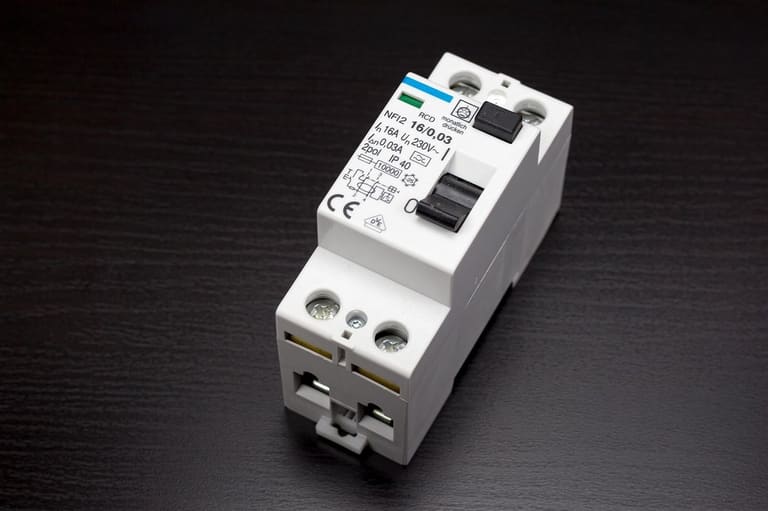
Circuit Breaker pattern, practical systems లో reliability, trustworthiness పెంచటానికి ఎక్కువగా ఉపయోగిస్తోంది. మైక్రోసర్వీసుల్లో, ఒక service fail అయితే stageపించకుండా, తదుపరి services సురక్షితంగా పనిచేయేలా చేస్తుంది. కొన్ని key industry practicals లో ఇలా …
ఈ-కామర్స్, ఫైనాన్షియల్ అప్లికేషన్ను, హెల్త్కేర్, సోషల్ మీడియా platforms తో Circuit Breaker అనుసరణ మీద real-life scenarios ఇక్కడ …
| Industry | Use-case | Circuit Breaker Advantages |
|---|---|---|
| E-Commerce | Payments Processing | Payment errors site మీద spread కాకుండా, User Experience, Trust protect చేయడం |
| Finance | Stock Datastream | Breaks/Delays లో stability సురక్షితంగా; Investors accurate data అందుకోగలరు |
| Healthcare | Patient Records Access | Critical info access తొందరగా చేస్తూ, Emergency respond capabilities ఏర్పడతాయి |
| Social Media | Post Publishing workflow | Heavy traffic లో overload prevent చేస్తూ, posting uninterrupted గా చేస్తుంది |
ఇలా, systems error tolerance, stability, user satisfaction పెరగడంలో, Circuit Breaker వాష్టవంలో తలపడింది.
ఉదాహరణ 1: ఈ-కామర్స్ అప్లికేషన్
Online shopping platforms లో, payment modules repeated fail అయితే,Circuit Breaker intervene చేసి, repeated transaction attempts ను auto stop చేస్తుంది. Site traffic overload prevent చేస్తూ, customerకి “payment module ఈ క్షణం పని చేయటం లేదు, retry later” message చూపిస్తుంది.
Practical Trigger Scenarios
- Payment module overload issues
- Third-party Payment gateway outages
- Database timeouts/connections
- Network connectivity failures
- Unexpected traffic spikes
- Server breakdowns
ఉదాహరణ 2: ఫైనాన్స్ సేవలు
Financial apps లో Stock data feed error వచ్చిందనుకోండి. Circuit Breaker ఆ feed error identification చేసిన తర్వాత, faulty data propagation కు chance ఉండదయేలా mechanismని అమలు చేస్తుంది. Accurate decisions, reliability, business trust ఇంకా riskless గా ఉంటుంది. Feed stabilize అయితే, ప్రతి segmentకి normal data పంపిస్తుంది.
ఇలాంటి practical usage, reliability పెంచడంలో, error tolerance హక్కు ఎందుకు ముఖ్యమో చూపించాయి.
పొరపాట్ల నిరోధత శ్రేష్ఠమైన Best Practices
Circuit Breaker pattern, వికృతమైన error tolerance mechanisms ప్రయోజనం పెంచాలంటే, key best practices follow చేయాలి. User experience uninterrupted గా ఉంది, reliability increases అవుతుంది.
Monitor, alert systems పొరపాట్లను early-detect & respond చేయడానికి వ్యవస్థల key pillar. Monitoring, system overall health కు continuous feedback ఇస్తుంది; alerting, predefined thresholds cross అయితే ఆపరేట్ చేస్తుంది. Issues promptly fix చేయడానికి ఇది must-have.
| Best Practice | Explanation | Benefits |
|---|---|---|
| Continuous Monitoring | Performance metrics killalu watch చేయండి | Early errors identify అవుతాయి, performance analyze చెయ్యచ్చు |
| Automated Alerts | Threshold exceed అయితే auto alerts trigger చేసే systems | Quick Response; Prevent major issues |
| Redundancy | Backup copies; fail అయినప్పుడు alternate instance తో uninterrupted service | Downtime-less experience, Data loss prevent |
| Chaos Engineering | Intentionally failures induce చేసి system resilience test చేయడం | Weak points detect; strengthen architecture |
Redundancy విధానం error tolerance పెంచడంలో మరింత కీలక భాగం. వైయం fail అయిన service, backup తో uninterrupted గా నిలిపే strategy mission-critical systemsకు must.
Error Tolerance Tips:
- Monitor all crucial metrics continuously
- Automated alerts configure చేసి immediate response guarantee చేయండి
- Backup/redudant systems plan చేయడం
- Chaos Engineering ద్వారా resilience test చేయడం
- Consistency mechanisms distribute systemsలో properly configure చేయండి
- Error scenario simulations, contingency plans ready చేయండి
Chaos Engineering ద్వారా, system లలో weaknesses, response plans ఉండు, architectureను జీవితంలో error toleranceని తిరిగి బలపర్చడం సాధ్యం. ఇవన్నీ Circuit Breaker వాడకం effectivenessను మేజర్ చేస్తాయి.
Error Tolerance కి అవసరమైన Tools
మైక్రోసర్వీస్లలో Circuit Breakerను smartly అమలు చేయాలంటే, వివిధ tools/software మూలకా ఇది సాధ్యం. విఫల attempts, errors detect & prevent చేయడంలో आवश्यक tools ఇవే …
Tools Comparison:
| Tool Name | Main Features | Usage Area |
|---|---|---|
| Hystrix | Circuit breaking, isolation, fallback facilities | Java microservices |
| Resilience4j | Circuit breaking, retry, rate limiting | Java/JVM-based microservices |
| Istio | Service mesh, traffic control, security | Kubernetes based microservices |
| Linkerd | Service mesh, performance monitoring, security | Kubernetes/all platforms |
Error Monitoring Tools:
- Observability: Prometheus, Grafana – performance/health metrics continuously track చెయ్యడం
- Centralized Logging: ELK Stack (Elasticsearch, Logstash, Kibana), Splunk – central logs collection, analysis
- Distributed Tracing: Jaeger, Zipkin – requests service-to-service journey trace చేసి error root detect చేయడం
- Error Tracker: Sentry, Raygun – realtime error catch & alert developers
- Service Mesh: Istio, Linkerd – service communications manage, error tolerance features
Tools అమలు, DevOps teams కి rapid detection/resolution capability కలిపిస్తుంది; especially service-mesh apps లో error tolerance improve చేస్తుంది.
Error tolerance tools, system continuous operationతో చిన్నపాటు ఉస్తోగల error handling భాగంగా ఉండాలి. Architecture successకి ఈ tools use మిస్ చేయకూడదు.
నిరోధతా స్ట్రాటజీలు & అమలులు
మైక్రోసర్వీస్ వ్యవస్థల్లో, service-to-service communicationలో చెలరేగే errors system reliabilityని తగ్గిస్తాయి. Error tolerance strategy అనుసరించడం ద్వారా, unpredictable conditionsలో కూడా uninterrupted operation పొందొచ్చు. Circuit Breaker pattern ఈ strategyl లోనూ ముఖ్యభవంగా పనిచేస్తుంది.
Diverse error tolerance strategies: Retry mechanism (యదా errors overcome); Timeout (delayed response control); Fallback (default solution provide); Rate limit, Load balance (service protect). Proper configuration ఐతే, reliability బూస్ట్ అవుతుంది.
Error Tolerance Strategies:
- Circuit Breaker: Service calls fail detect చేసి, further overloadను prevent చేయడం
- Retry Mechanisms: Temporary errors overcome కోసం auto retry
- Timeouts: Slow/faulty servicesకు request limit ఇవ్వడం
- Fallback Solutions: Errorkeysైనా default/fallback data/service అందించడం
- Load Balancing: Service overloadనుండి defensive mode; High availability
- Rate Limiting: Overload/abuse prevent చేసేందుకు request limit
Key strategies & use-cases below:
| Strategy | Description | Applications |
|---|---|---|
| Circuit Breaker | Error prone calls stop చేసి overload prevent | External APIs, DB connectivity |
| Retry | Transient errors overcome auto retry | Network faults, momentary breakdowns |
| Timeout | Request time limit; prevent resource drain | Slow services, resource bottlenecks |
| Fallback | Default response/service out, Error impact minimize | Low risk modules, partial outages |
Strategies implement చేయడంలో side-effects గుర్తించండి: Retry overload; Short timeout false errors; తనితనిది system behavior మీద మంచి observation ద్వారా config tune చేయండి.
నిరోధతను సాధించడం: ఆఖరి పాయింట్
మైక్రోసర్వీస్ architecture లో Circuit Breaker మరియు error tolerance techniques వాటి అవసరం గురించి చర్చించబడింది. Distributed systemల్లో repeated failures propagate అవ్వకుండా, error tolerance through reliable continuous operation key factor.
Error Tolerance Methods:
- Retry mechanisms
- Circuit Breaker pattern
- Fallback strategy
- Rate limiting, Load balancing
- Priority queues తో critical tasks
- Monitoring & alerts for proactive response
Error tolerance technique just a technical measure కాదు; uninterrupted business, customer loyalty & uptime కూడా బ్రాండ్కు నిరోధత ప్రకర్షణ. Continuous error tolerance investment, long-term sustainable success కి పెద్ద foundation.
| Error Technique | Description | Benefits |
|---|---|---|
| Circuit Breaker | Repeated failed calls auto block; overload prevent | System stability, resource conserve, faster recovery |
| Retry Mechanism | Failed actions retried at intervals | Transient errors overcome; User satisfaction boost |
| Fallback | Service unavailable అయినప్పుడు alternate/backup solution | Downtime-less operation; Continuous accessibility |
| రేట్ లిమిటింగ్ | Request overload control | Overload prevent; Fair usage mode |
Circuit Breaker మరియు error tolerance patterns smartly ఉపయోగించడంలో, resilient microservice applications, service disruptions minimum, continuous business/technical trust అన్నిప్రాప్తిస్తాయి. ఇదే dev, QA, business teamsందరి పాత్ర.
తరచుగా అడిగే ప్రశ్నలు
Circuit Breaker Pattern యొక్క ప్రధాన ఉద్దేశ్యం ఏమిటి మరియు సిస్టమ్స్ కు ఎలాంటి ఉపయోగాలు అందిస్తుంది?
Circuit Breaker Pattern ప్రధాన ఉద్దేశ్యం, repeated failed services కన్నీటి ను system లోకి ఒత్తెత్తకుండా, stability & performance పెంచడం. సిస్టం resources వేగంగా తక్కువగా ఉపయోగించాలనే, reliability పెరుగుతుంది.
మైక్రోసర్వీస్ ఆర్కిటెక్చర్ ఎందుకు error tolerance కోసం ప్రత్యేకంగా అవసరం, ఇందులో challenges ఏమిటి?
మైక్రోసర్వీస్ ఆర్కిటెక్చర్ విభిన్న servicesతో పనిచేస్తుందని, ఒక service fail అయితే, ఇతర servicesకి అవినన్నీ problems propagate అవుతాయి. ఇది reason error tolerance must. Challenges: distributed architecture complexity, monitoring, debugging, inter-service dependencies.
Circuit Breaker మోడల్ లోని states & transitions ఏమిటి?
Circuit Breaker మోడల్ లో మూడు states ఉంటాయి: Closed, Open, Half-Open. Closedలో all calls regular; Error rate limit దాటి Open లోకి, fail calls stop; interval తర్వాత limited calls ద్వారా Half-Open; Success이면 Closedకి, Fail이면 Openగా తిరుగుతుంది.
మైక్రోసర్వీస్లలో Circuit Breaker కాకుండా error handling ఎలాంటి విధానాలు ఉన్నాయి?
Circuit Breaker కాకుండా పురానం: Retry mechanisms, Fallback (alternate paths/data), Rate Limiting, Bulkhead Pattern, Timeouts – ఇవన్నీ reliability boostకి వాడతారు.
Real-worldలో Circuit Breaker ఎలా అమలుచేయాలి? Specific example?
ఈ-కామర్స్లో, Payment service repeatedly fail అయితే, Circuit Breaker payment attempts stop చేస్తుంది. మిగిలిన service overload prevent, Userకి alternative payment or info provide, stability restore చేసుకోవడం.
Error tolerance పెంచేందుకు ఏం చేయాలి, Best Practices ఏమిటి?
Interservice dependencies minimize చేయండి; Proper timeout values చెయ్యండి; error alerts, monitoring పద్ధతులు అమలు; frequent stress/load testing & isolation strategies.
Error tolerance అమలుకు ఏ tools ఆయా platforms/dilలో available?
Hystrix (Java), Resilience4j (Java), Polly (.NET), Istio (Kubernetes) వంటి tools/platforms - Circuit Breaker, Retry, Fallback features కి ఉపయోగించొచ్చు.
Error toleranceనలో ఎలాంటి common problems, overcome ఎలా చేయాలి?
Common issues: mis-configured Circuit Breaker thresholds; inadequate monitoring; complex service dependencies; evolving system requirements. Regular testing, alert upgrades, dependency simplification, dynamic strategy tuning… ఇవి overcome చేయడం.