 Afrikaans
 Azərbaycan
 Bosanski
 Čeština
 Dansk
Dansk Deutsch
 English
 Español
 Filipino
 Français
 Hrvatski
 Indonesia
 Italiano
 Magyar
 Melayu
 Nederlands
 Norsk
Norsk Oʻzbek
 Polski
 Português
 Română
 Slovenčina
 Slovenščina
 Suomi
Suomi Svenska
 Tiếng Việt
 Türkçe
 Ελληνικά
 Беларуская
 Български
 Русский
 Српски
 Українська
 עברית
עברית اردو
اردو العربية
 پښتو
پښتو فارسی
فارسی አማርኛ
አማርኛ मराठी
मराठी বাংলা
বাংলা தமிழ்
தமிழ் ไทย
ไทย မြန်မာ
 한국어
한국어 中文
中文 日本語
日本語

மைக்ரோசெர்விஸ் معماریல் பிழை சகிப்புத் தன்மை, கணிணி அமைப்பின் நிலைத்தன்மையை பாதுகாத்தல் குறித்து மிகவும் முக்கியமானது. Circuit Breaker முறைமை, இந்த சகிப்புத் தன்மையை அளிப்பதில் அத்தியாவசிய பங்கு வகிக்கிறது. இந்த கட்டுரையில், Circuit Breaker Pattern என்றால் என்ன, மைக்ரோசெர்விஸ் معماریயின் பலன்கள், பிழை சகிப்புத் தன்மையின் முக்கியத்துவம் குறித்த விவாதம் மற்றும் Circuit Breaker மாதிரி செயல்முறைகள், மைக்ரோசெர்விஸ் அமைப்புகளில் பிழைகளை எப்படி நிர்வகிக்கலாம், உண்மையிலான உதாரணங்கள் மூலம் Circuit Breaker பயன்படுத்துவது படிப்பதாக விவரிக்கிறது. மேலும் பிழை சகிப்புத் தன்மையை உயர்த்தும் சிறந்த நடைமுறைகள், தேவையான கருவிகள் மற்றும் விதமான பிழை சகிப்புத் தன்மை தகுதிகள் பற்றி உடனடியாக வழங்கப்படுகின்றன. முடிவில், பிழை சகிப்புத் தன்மை மைக்ரோசெர்விஸ் معماریயில் வழங்கும் நிலைத்தன்மையின் முக்கியத்துவம் என் வலியுறுத்தப்படுகிறது.
Circuit Breaker Pattern என்பது என்ன?
Circuit Breaker pattern என்பது ஒரு மென்பொருள் வடிவமைப்பு முறைமையாகும். இது குறிப்பாக cloud-based microservices, distributed systems மற்றும் IT infra-யில் application-களுக்கு error tolerance/நிலைத்தன்மை அளிக்க வேண்டும். இந்த pattern, எந்த service அல்லது resource இடையே repeated failure வந்தாலும், application அந்தச் service-யை தொடர்ந்து request செய்யும் போது resources தேங்கிச் செலவாகும், performance குறையாமல் இருக்க design செய்யப்பட்டு இருக்கிறது. Real-world electric circuit breaker போல் threshold values பாதுகாப்பு செய்யும்; ஒரு limit கடந்து failure வரும்போது, circuit break செய்து (requests stop), system-க்கு மீண்டும் நிலைமாட்டும் வாய்ப்பு தரும்.
இதன் நோக்கம், cascading failure-ஐத் தவிர்த்து, system விரைவில் normal-க்கு வந்து விடச் செய்யும். நேரடியாகத் தொடர்ந்த failures-க்கு alternate route, fallback logic அல்லது user-friendly error message தரும். மற்ற components unaffected-ஆ irukkum; site/user experience-க்கு பாதிப்பு குறையும்; overall reliability, availability maximize செய்யும்.
Circuit Breaker Pattern-இன் முக்கிய structs
- Closed: Service-க்கு normal request கள் செல்லும். Error-rate (failure-rate) முன் limit-ஐ கடந்து விட்டால் circuit open-ஆகும்.
- Open: Service-க்கு requests தடுமாறாமல் reject செய்யப்படும். Retry period முடிந்ததும் half-open-க்கு வரும்.
- Half-Open: Few requests permitted. Success ஆகும் என்றால் sealed/closed-காக மீண்டும் செல்லும். Failure வந்தால் open continued.
- Failure Threshold: Circuit open-ஆக trigger செய்ய தேவையான failure-க்கள் limit.
- Retry Timeout: Open state-ல் இருந்து Half-Open-க்கு மறுசீரமைப்புக்கு ஒரு waiting time.
Circuit Breaker pattern, distributed-களில் resilience-யும் flexibility-யும் கூடுதலாக தருகிறது. Microservices-ல், interservice dependency complexity-க்கு இந்த pattern-இன் பலன் அதிகம். Error tolerance implementation-க்கு, Circuit Breaker不可欠. அடுத்து, மைக்ரோசெர்விஸ் معماریயில் errors-ஐ handle செய்வது எப்படி, Circuit Breaker வெளியில்இன்ற phase-ஐப் பார்ப்போம்.
Circuit Breaker state transition details:
| நிலை | விளக்கம் | அறுவைக்கும் செயல் |
|---|---|---|
| Closed | Normal service calls. | Success calls stay closed. Failure rate exceeds threshold, moves to Open. |
| Open | Service calls blocked. | Calls fail immediately. Timer triggers Half-Open. |
| Half-Open | Few service calls allowed. | Success: Back to Closed. Failure: Stays Open. |
| Wait | Inter-state wait. | Duration ends, status transitions. |
Circuit Breaker pattern, distributed infra-வின் fault tolerance, reliability-க்கு Tamil web hosting-ற்கு நம்பிக்கையா உதவுகிறது. சரியாக அமலாக்கும் போது, User experience-யும் resource utilization-யும் வளமாகும். Microservice, cloud-இல் must-have design-element-ஆக circuit breaker-ன் அர்த்தம் பெருமளவு.
மைக்ரோசெர்விஸ் معماری பலன்கள்
மேற்கோள்: Microservice-போதும், web hosting-யும் — அசத்தலான இடைக்காலம். Application segment independent services-ஆக பக்கம் பக்கம் விளையாடும் infra. Circuit Breaker போன்று error-tolerance எழுத்து பெரும் அவசியம் microservice popularity-க்கு மூன்று அடைவேட்டை. Business agility, scale-out, resilient infra—all possible! Quick-launch அதிகம், requirements rapid-change accommodate செய்யும்.
Microservice architecture-யில் core benefits:
- Independent Deployment: One service deploy independent-ஆமாம், others unaffected. Faster DevOps.
- Tech Diversity: प्रत्येक service-க்கு own stack/tech (PHP, Node.js, Go, Java, Python), tool-match best practices.
- Scalability: Independent scaling per service. Resources wisely used.
- Error Isolation: Failure in one service does not cascade others. Stability assurance.
- Development Speed: Small, focused teams work parallel; innovation, iteration super-fast.
Microservice arrangement-இன் head advantage என்றால், fault-tolerance. One-service failure means only that segment down—not the whole site/app. Circuit Breaker mechanisms, chain-reaction stop நடக்கும். High-traffic, critical services, mega value!
Microservice vs Monolithic architecture-tamil:
| வ_FEATURE | Microservice | Monolithic |
|---|---|---|
| Scalability | Individual-service scaling | Whole-app scaling |
| Error Tolerance | High, easy isolation | Low, single error affects all |
| Development Speed | High, independent teams | Low, complicated code base |
| Tech Diversity | Allowed | Limited |
Microservice advantage: Smaller teams, manageable scope. Code, logic separated — understandable, maintainable. Each team owns lifecycle, quick version upgrades. CI/CD (Continuous Integration/Continuous Delivery) easy. Rapid prototyping, fail-fast, new features to market quick. Complexity remains, though: Distributed-system management, monitoring, security, must focus.
பிழை சகிப்புத் தன்மை முக்கியத்துவம்
Microservice infra-யில் interservice continuous communication, one error — whole app or segments affected. Error tolerance needed: One/few component failure, rest of system unaffected. Error tolerance ensures minimal downtime, business continuity, SLA promise.
Error tolerance not just tech, but team advantage. When a service fails, error-handling techniques auto isolates/recovers, reduces urgent interventions; gives teams time to analyze root cause.
Microservice infra fault tolerance pros-table:
| Criteria | Without Tolerance | With Tolerance |
|---|---|---|
| System Resilience | Fragile, vulnerable | Durable, robust |
| User Experience | Impacts due to downtime | Minimal downtime |
| DevOps & Support | Frequent emergency | Less emergency |
| Business Continuity | Risk | Ensured |
ਕError tolerance build challenging; right tools/strategy yield highly resilient infra. Good error-tolerance, robust system, happy users, productive teams.
Error tolerance building steps:
- Reduce inter-service dependencies.
- Implement Circuit Breaker pattern.
- Smart retry logics.
- Regular health-checks for services.
- Auto-scaling for resource management.
- Chaos engineering Tests (simulate errors).
Technical plus organizational effort: Development, Support, Security collab; build error-resistant system. Continuous improvement, weakness identification/removal.
Strategic review— performance tests, update tolerance logic, avoid risks.
Circuit Breaker மாதிரியின் செயல்முறை
Circuit Breaker model prevents error propagation and resource exhaustion. If service calls repeatedly fail past threshold, subsequent calls auto marked failed: Gives repair-time, protects others.
Three states: Closed, Open, Half-Open. Starts closed; failures pass threshold opens circuit; further calls fail fast. Prevents resource waste.
Circuit Breaker operation steps:
- Closed State: All calls pass, success monitored.
- Open State: Circuit opens when failures high; calls fail instantly.
- Half-Open State: After wait, small number tested; if success, circuit closes, else stays open.
- Success Check: Half-open successes—close circuit.
- Failure Handling: Half-open failures—stay open.
| State | Description | Action |
|---|---|---|
| Closed | Service healthy | Calls pass to service |
| Open | Service failed/overloaded | Calls fail immediately |
| Half-Open | Testing if service recovered | Limited calls allowed |
| Recovery | Service healthy again | Back to closed |
Half-open key: Periodic small requests check recovery. If successful, circuit closes—normal. If failed, remains open; recovery retests. This cycle maintains system health, early recovery.
Microservice infra; Circuit Breaker key tool. Prevents chain failure, keeps system robust.
மைக்ரோசெர்விஸில் பிழை நிர்வாகம்
Microservices numerous, error handling complicated. One error—potential cascade. So, error tolerance, error handling vital. Circuit Breaker prevents error spread, increases system reliability.
Error management: Increase resilience, minimize user impact. Proactive approach—predict errors, detect early, resolve fast. Continuous learning, improving system by learning from past errors.
| Error manage step | Description | Importance |
|---|---|---|
| Error Detection | Quick, accurate detection | Early correction |
| Isolation | Prevent affecting other services | Stop chain-failure |
| Correction | Permanent fix | Stable infra |
| Reporting | Detailed logs/report | Prevent future issues |
Error management: Not just technology, organizational culture. Development/testing/support teams collaborate for quick fix. Monitoring/alert systems—early detection; auto-healing—less downtime. Good error management=Successful microservice infra.
Typical error management approaches:
- Circuit Breaker: Auto-stop calls to failed service, avoid overload.
- Retry: Auto retry for transient errors.
- Timeouts: Set max duration per call; stop hung calls.
- Bulkhead Pattern: Isolate pools—one error not affecting others.
- Rate Limiting: Restrict call volume to prevent overload.
- Fallback: Alternate response or cached values for failed service.
Circuit Breaker and other error tolerance patterns—most efficient to prevent failure spreading. User experience, uptime, reliability depend on error strategy.
வாழ்த்துக் களை ஆதாரமாக Circuit Breaker பயன்படுத்துதல்
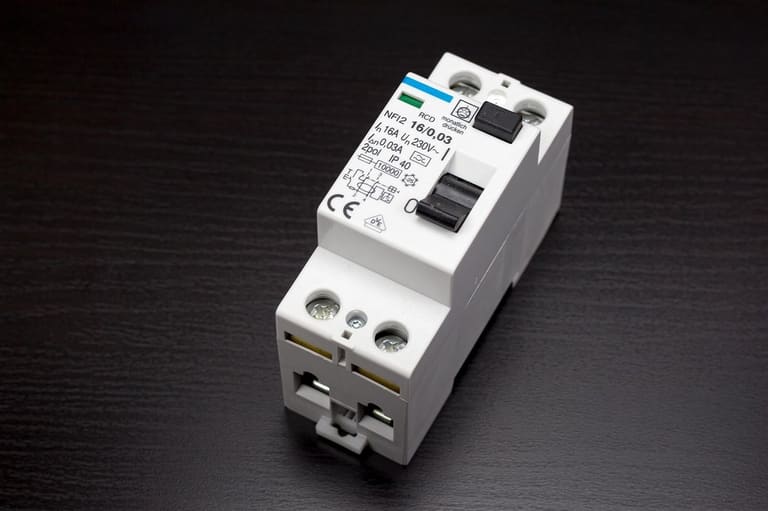
Circuit Breaker design, practical web hosting, IT infra-யில் heavy-use. Microservice architecture, one-service failure does not propagate. Sector-wide examples showcase Circuit Breaker value.
E-commerce, finance, health, social media — Circuit Breaker keeps performance, user experience intact, error spread blocked. Below: Practical contexts in Tamil IT world.
| Industry | Scenario | Circuit Breaker Benefits |
|---|---|---|
| E-commerce | Payment processing | Payment service error stops rest of site being impacted; stays user-friendly. |
| Finance | Stock data feed | Data feed interruptions stabilized; investors get reliable info. |
| Healthcare | Patient record system | Critical patient info not lost; quick access even during partial failures. |
| Social Media | Post publishing | High-traffic surge handled, post creation unaffected. |
Circuit Breaker widespread adoption, stronger fault tolerance, business continuity, happier users. Deep dive follows.
உதாரணம் 1: ஈ-காமmerce செயலி
E-commerce payment handling: Circuit Breaker intervenes, prevents payment service overload. Users shown clear message: "Payment temporarily unavailable". Later retry option provided. Other services keep functioning.
Practical scenarios:
- Payment service overloads
- Third-party payment outage
- Database connection troubles
- Network glitches
- Sudden traffic spikes
- Server failures
உதாரணம் 2: நிதி சேவைகள்
Finance infra, especially stock feeds: Circuit Breaker blocks bad data from propagating. Investment decisions rely on accurate feeds. System returns to normal when service recovered. Investors protected from wrong info.
As you see, Circuit Breaker is a solid practical tool. Applied right, improves reliability, user satisfaction. Fault tolerance strategy in microservice setups—must include Circuit Breaker.
சிறந்த பிழை சகிப்புத் நடைமுறைகள்
Circuit Breaker and other smart error-tolerance mechanisms thrive with best-practices. These standard ops make infra resilient, user-friendly, always up. Proactive preparation—not just reaction—for unexpected errors.
Monitoring, alerting: Must-have. Real-time tracking, threshold alarms. Early detection, quicker correction.
| Best Practice | Description | Benefits |
|---|---|---|
| Deep Monitoring | Continuous system metrics | Early error spotting |
| Alert Automation | Threshold triggers, instant warning | Rapid response, prevent escalation |
| Redundancy/Replication | Multiple backup copies | Zero downtime, no data loss |
| Chaos Engineering | Inject errors, test resilience | Find weaknesses, fortify system |
Redundancy: Multiple backups, rapid failover. Critical apps/data always available. Especially for hosting, banking, e-commerce in Tamil Nadu.
Tips to maximize error tolerance:
- Setup strong monitoring (Prometheus/Grafana) for metrics/live health.
- Automated alerting for thresholds.
- Replication/backups for critical data/services.
- Chaos engineering to stress test.
- Ensure consistency mechanisms in distributed systems.
- Simulate error scenarios to plan responses.
Chaos engineering: Purposely inject faults, observe response. Weak points identified, fixed—system grows stronger. Best practice: Combine Circuit Breaker and these to keep infra ready for anything.
பிழை சகிப்புத் கருவிகள்
Microservice setups, Circuit Breaker implementations, wider error tolerance—need specialized tools. Error detection, monitoring, analytics, auto-remediation—present-day IT must.
Error Tolerance Tool Comparison
| Tool Name | Main Features | Use Cases |
|---|---|---|
| Hystrix | Circuit breaking, isolation, fallback | Java-based microservices |
| Resilience4j | Circuit breaking, rate limiting, retry | Java/JVM-based |
| Istio | Service mesh, traffic, security | Kubernetes microservices |
| Linkerd | Service mesh, performance monitoring, security | Kubernetes and others |
Error Management Tools:
- Monitoring/Observability: Prometheus, Grafana—metrics, health tracking.
- Central Log Management: ELK Stack (Elasticsearch, Logstash, Kibana), Splunk—logs collected, error analytics.
- Distributed Tracing: Jaeger, Zipkin—request trace across services, pinpoint error origin.
- Error Monitoring: Sentry, Raygun—catch, alert errors live.
- Service Mesh: Istio, Linkerd—controls microservice traffic, offers error tolerance features.
Proper configs—DevOps teams rapidly respond, minimize downtime, improve reliability. Service mesh tools especially empower robust Circuit Breaker adoption.
Right tools, right configs: Foundation for resilient microservices in Tamil business hosting, web/app infra.
பிழை சகிப்புத் திறன்தான் தகுதிகள்
Microservice infra, interservice errors—risk overall site/app uptime. Robust error tolerance strategies guarantee continuous operation even during faults. Circuit Breaker is one, but others—retries, timeouts, fallbacks, load balancing—must combine for full resilience.
Retry logics—for transient errors. Timeouts—stop resource drain. Distributed infra, each tactic carefully managed to balance performance, reliability.
Key Error Tolerance Strategies:
- Circuit Breaker: Block faulty calls, protect resources.
- Retry: Auto retry for transient/server errors.
- Timeout: Maximum response time for calls.
- Fallback: Substitute value/logic on error.
- Load Balancing: Spread workload, reduce error risk.
- Rate Limiting: Restrict volume, prevents abuse/overload.
Common error tolerance strategies—table:
| Strategy | Description | Use Cases |
|---|---|---|
| Circuit Breaker | Auto-stop repeated faulty calls | External API, DB connections |
| Retry | Auto-repeat failed tasks | Network issues, transient downtime |
| Timeout | Set call duration limit | Slow services/resources |
| Fallback | Alternate result on failures | Minor data loss, partial outages |
Tactics chosen: Tune each per system load, performance need. Blind retries may worsen overload; short timeouts may treat healthy service as faulty. Systematic testing, metric-based fine tuning needed.
முடிவாக: பிழை சகிப்புத் தன்மை தேவைகள்
Microservice infra Circuit Breaker/error tolerance crucial. Distributed-systems, uncontrolled failures, chain-reaction disaster avoided only by tolerance mechanisms. Ensured continuous, reliable operation.
Error tolerance enhancements:
- Retry mechanisms
- Circuit Breaker implementation
- Fallback strategies
- Rate limiting/load balancing
- Priority queue for vital ops
- Monitoring/alerting for pro-active action
Error tolerance: Not just technical need, but core for business continuity, customer satisfaction. Systems auto recover, downtime minimized—brand reputation, user trust increased. Investing in robust error-tolerance pays long term.
| Technique | Description | Benefits |
|---|---|---|
| Circuit Breaker | Auto-stop calls to failing services | Stability, resource save, quick recovery |
| Retry | Auto-retry failed calls | Fixes temporary issues, improves experience |
| Fallback | Alternate logic on service failure | Continues operation, prevents downtime |
| விகித வரம்பு (Rate Limiting) | Restricts request volume | Prevents overload/crashes, fair access |
Proper use of Circuit Breaker, error tolerance patterns: Infrastructure resilience, reduction in downtime, reliable hosting/services. Business-wide focus—build solid hosting/app infra.
அடிக்கடி கேள்விகள்
Circuit Breaker Pattern-இன் நோக்கம் என்ன, எந்த வகை உள்ள குறிக்கமுடியும்?
Circuit Breaker-ன் போன, repeated-failure service-யை பார்க்காமல், resource-optimize செய்து, overall system stability and reliability-க்கு கதை அழுத்தமாக வெளிக்கிறது.
Microservice معماری error tolerance-க்கு ஏன் அவசியம்? இந்த infra-இல் என்ன main challengs?
Microservices independent–ஆ இருந்தாலும், one service failure others impact செய்யும். Challenges: distributed complexity, tough monitoring/debugging, dependency management.
Circuit Breaker-ன் states (Closed, Open, Half-Open) எப்படி transition ஆகும்?
Closed: Requests pass. Failure threshold crossed—Open; requests blocked. Timer—Half-Open; few requests. Success—Closed; Failure—Open.
Microservice infra other error management tactics besides Circuit Breaker?
Retry, Fallback, Rate Limiting, Bulkhead, Timeouts—all play role for error tolerance.
Circuit Breaker practical example?
E-commerce: Payment service frequent failure. Circuit Breaker steps in, blocks calls. App doesn’t overload. Presents alternate payment or info message.
Error tolerance best practices?
Minimize inter-service dependency; proper timeouts; deep monitoring/alerting; regular load tests; service isolation.
Error tolerance tools/libraries/platforms?
Hystrix (Java), Resilience4j (Java), Polly (.NET), Istio (Kubernetes)–Circuit Breaker, Retry, Fallback—easy implement.
Error tolerance implementation challenges, solutions?
Common issues: Wrong circuit breaker thresholds, inadequate monitoring, complex dependencies, evolving infra. Solutions: Regular tests, improve monitoring, simplify dependency, dynamic strategy tuning.