 Afrikaans
 Azərbaycan
 Bosanski
 Čeština
 Dansk
Dansk Deutsch
 English
 Español
 Filipino
 Français
 Hrvatski
 Indonesia
 Italiano
 Magyar
 Melayu
 Nederlands
 Norsk
Norsk Oʻzbek
 Polski
 Português
 Română
 Slovenčina
 Slovenščina
 Suomi
Suomi Svenska
 Tiếng Việt
 Türkçe
 Ελληνικά
 Беларуская
 Български
 Русский
 Српски
 Українська
 עברית
עברית اردو
اردو العربية
 پښتو
پښتو فارسی
فارسی አማርኛ
አማርኛ मराठी
मराठी বাংলা
বাংলা தமிழ்
தமிழ் ไทย
ไทย မြန်မာ
 한국어
한국어 中文
中文 日本語
日本語

ഈ ബ്ലോഗ് ലേഖനം, ഇന്ന് ഏറ്റവും കൂടുതൽ ചര്ച്ചയാകുന്ന ടെക്നോളജികളായ Yapയോം Zeka (Artificial Intelligence) എന്നത് – പരിപ്രേഷ്യവും Machine Learning (Makine Öğrenmesi) എന്നത് – നടപ്പാകും വിധവും തമ്മിലുള്ള അടിസ്ഥാന വ്യത്യാസങ്ങൾ വിശദമായി വിശദീകരിക്കുന്നു. ആദ്യം Yapയോം Zeka-യുടെ നിർവചനം, കാര്യപരമായ പ്രമേയങ്ങൾ, പിന്നെ Machine Learning-ന്റെ ഘടനയും സവിശേഷതകളും. ഇതിനുശേഷം രണ്ടു സംജ്ഞകളുടെ വ്യത്യാസം നേരിട്ടായി വെളിപ്പെടുത്തുകയും, Machine Learning-ന്റെ പ്രധാന രീതികൾ, ഘട്ടങ്ങൾ വിവരിക്കുകയും ചെയ്യുന്നു. Yapയോം Zeka-യുടെ വിവിധ ഉപയോഗങ്ങൾ, Deep Learning (Derin Öğrenme) എന്നതുമായി Machine Learning-ന്റെ വ്യത്യാസം ഉൾപ്പെടെ എടുത്ത് പറയുന്നുണ്ട്. Yapയോം Zeka മേഖലയിൽ വിജയത്തിന് ആവശ്യമായ പ്രാഥമിക capabilities, എതിക്കൽ പ്രശ്നങ്ങൾ എന്നിവയും ചർച്ച ചെയ്തിട്ടുണ്ട്. ഒടുവിൽ Yapയോം Zekaയും Machine Learning-നും ഭാവിയിൽ എങ്ങനെയാണെന്നതിന്റെ കാഴ്ചാപോലിയും ലേഖനത്തിൽ ഉൾപ്പെടുത്തിയിട്ടുണ്ട്. ഈ ലേഖനത്തിന്റെ ലക്ഷ്യം Yapയോം Zeka ആയും Machine Learning-യും എന്ന ലോകത്ത് സമഗ്രമായി ഒറ്റനോട്ടം നൽകുകയാണ്.
Yapയോം Zeka എങ്ങനെയായിരിക്കുന്നു? നിർവചനം & അടിസ്ഥാന premeangal
Yapയോം Zeka (Artificial Intelligence) എന്നത് കമ്പ്യൂട്ടറുകൾക്ക് മനുഷ്യൻപോലുള്ള ചിന്തനം, decision-making, ചെയ്ഞ്ച്യുത്ത Solving-അധിക്രിയാനുള്ള ഘടനയിട്ടാലാണ്. പ്രധാന ലക്ഷ്യം: ഒരു യന്ത്രം മനുഷ്യനില്ലാതെ പെട്ടെന്ന് ആത്മനിർഭരം എന്ന നിലയിൽ സൗക്യമായ ദുഷ്കരത്തിന് output നൽകുക. Yapയോം Zeka ഇന്ന് സോഷ്യൽ, ടെക്നോ, ബിസിനസ്, ആഗോള-മേഖലകളിൽ വളപ്പോളുത്ത് കയറി വരുന്നു.
1950-ൽ Alan Turing-ന്റെ "Machines can think?" എന്ന ചോദ്യത്തിൽ നിന്നാണ് Yapയോം Zeka എന്നത് mainstream-ലേക്ക് വന്നത്. symbolism, machine learning, deep learning, NLP – Yapയോം Zeka-യുടെ sub-domains ആണ്. ഓരോ sub-domain അവസാനതോക്ക് ആവിർഭവിക്കുന്നു.
Yapയോം Zeka-യുടെ അടിസ്ഥാന പ്രമേയങ്ങൾ
- Algorithm: ഒരു computational problem-ന് കാലംക്രമേണ solution-കുള്ള steps.
- Veri: Yapയോം Zeka-യുടെ train ചെയ്യാനും, experience വഴിയുള്ള learning-ഉം വേണ്ടി ഉപയോഗിക്കുന്ന data, info.
- Machine Learning: Machines-കു് data/anubavam കാണിച്ചു കൊടുത്ത് self-learning enabled algorithms.
- Deep Learning: Artificial neural networks വഴി structure/complex data-Analyze/API- output-കൊടുക്കുന്നതിന്.
- NLP (Natural Language Processing): ഭാഷക്കാർക്ക് എന്നാൽ ഡിസീസ് machines-ൽ സംസാരിപ്പിക്കുക.
- Robotics: Yapയോം Zeka-സ്വഭാവത്തിലായ physical robots-ൽ ടെക് integration, operation, design.
Yapയോം Zeka ethics, society, economics – technical-നെ പ്രയോജനപ്പെടുത്തുന്ന പ്രശ്നങ്ങളും ഉൾക്കൊള്ളുന്നു. Data privacy, bias, workforce-impact പോലുള്ള കാര്യങ്ങൾ – Yapയോം Zeka answerable-യും responsible-വുമായിരിക്കാൻ നിർണ്ണായകം. Yapയോം Zeka & Machine Learning-ന്റെ ഭാവി, ഈ പ്രശ്നങ്ങൾ അഭിമുഖീകരിച്ചെത്താറാണ്.
| Yapയോം Zeka Sub-domain | വിവരണം | ഉദാഹരണം |
|---|---|---|
| Machine Learning | Manipulate data; algorithms learn from data. | Spam filtering, recommendations |
| Deep Learning | Analyze complex data via neural networks | Image recognition, NLP |
| NLP | Language-understanding; processing | Virtual assistants, automatic translation |
| Robotics | Physical robot integration, operation | Industrial automation, surgical robots |
yapay zeka ഒരു multidiscipline-ഉം ആയിരിക്കുന്നു – തെരവും social ramifications ഉം, technical importance ഉം. ആഴം മനസ്സിലാക്കുന്നവർക്ക് Yapയോം Zeka-യുടെ potentials & limitations വിലയിരത്താനും, ethics-ഉം പരി പ്രവർത്തന സാധ്യതയുമുണ്ട്. Machine Learning, Deep Learning, NLP ഒക്കെ—Yapയോം Zeka-യുടെ എല്ലാ sector-ലും play ചെയ്യുന്നത്. വസ്തുതയിൽ, Yapയോം Zeka-തിന്റെ responsible utilization, മനുഷ്യൻ-യു് വളരെ വലിയ സംഭാവന നൽകുന്നു.
Machine Learning എങ്ങനെയായിരിക്കുന്നു? നിർവചനം & സവിശേഷതകൾ
Machine Learning (ML) Yapയോം Zeka-യുടെ ഒരു sub-field ആണ്; explicit programming-ഇല്ലാതെ data/anubavam-ന്റെ വഴി machines-നെ self-learn ചെയ്യാൻ സാധ്യമായ algorithms-ഉം യൂസർ ഒന്നാണിത്. Traditional coding-ല, rules-ഉം algoritmalar-ഉം programmers code ചെയ്യുമ്പോൾ, ML-ൽ machines-അതിൽപ്പട്ട patterns/relations-നെ detect ചെയ്യാൻ പഠിക്കും. Thus, ML adaptable-നും predictive-നും.
ML statistics, data mining, optimization – പദ്ധതികളിൽ നിന്നാണ്. ML algorithm-ഉം അതിന്റെ training dataset-വും കറവും over time better results, predictions, adaptation നൽകും. ML-യുടെ success, data quality, quantity–ടും directly correlated ആണ്. Data collection, preprocessing-എന്ത് അഥവാ, ML-ന്റെ project success-ഉം, correct algorithm selection-ഉം അതിനേക്കാൾ നിർണ്ണായകമാണ്.
ML-ന്റെ പ്രധാന സവിശേഷതകൾ
- Learn from data
- Handle un-programmed tasks
- Prediction/classification capability
- Process large data sets
- Adaptability, continuous improvement
ML-ന്റെ success, data quality/quantity-ടും algorithm choice-ഡും. ML-ന്റെ problem-ഉം data-യും algorithm-ഉം match ചെയ്യുമ്പോൾ എക്കാലം good output ലഭിക്കും. Below, ML-ൽ ഉപയോഗിക്കുന്ന common algorithms:
Machine Learning Algorithms: താരതമ്യം
| Algorithm | വിവരണം | Advantages | Disadvantages |
|---|---|---|---|
| Linear Regression | Continuous variables relation modelling | Simple, fast, interpretable | Nonlinear relations modelling limitation |
| Support Vector Machines (SVM) | Classification/regression | High-dimensional data good performance | Parameter tuning difficult |
| Decision Trees | Branching classification | Interpretability, no preprocessing needed | Overfitting risk |
| Random Forests | Multiple decision trees ensemble | High accuracy, overfitting resistance | Tough interpretation |
Machine Learning, yapay zeka -യുടെ data-driven revolution-ഉം. Data/anubavam പഠിക്കാനുള്ള machines-ഉം complex problems-ഉം automate ചെയ്യാം. ML health, finance, marketing, transport – എല്ലാ sector-ലും now and future-ൽ huge potential ഉം.
Yapയോം Zeka vs Machine Learning – വ്യത്യാസങ്ങൾ
കൂടുതൽ പലപ്പോഴും people Yapയോം Zeka (AI) = Machine Learning (ML) എന്നതിന്റെ confusion-ൽ ആണ്. Yapയോം Zeka – widest vision-ഉം, Machine Learning – sub-branch-ഉം. Yapയോം Zeka-യുടെ aim: intelligent systems, Machine Learning ചെലവിൽ: algorithm-വഴി data/anubavam ഉപയോഗിച്ച് smarter output. Yapയോം Zeka – goal, ML – tool.
Yapയോം Zeka – problem-solving, learning, decision-making, NLP-ഉം; ML – data-learning, prediction, classification-target. Yapയോം Zeka-ൽ rules, expert-system, ML algorithms – methods; ML typically statistical modelling/lightweight algorithms.
പ്രധാന വ്യത്യാസങ്ങൾ
- Scope: Yapയോം Zeka – broader; ML – sub-branch
- Purpose: Yapയോം Zeka – intelligent machines; ML – data-driven smarter systems
- Methods: Yapയോം Zeka – many styles; ML – algorithm/statistics-based
- Learning: Yapയോം Zeka – rules OR learning; ML – experiential/data learning
- Use-cases: Both wide usage, ML – analysis/prediction/classification focused
Yapയോം Zeka vs ML: താരതമ്യം
| Characteristic | Yapയോം Zeka (AI) | Machine Learning (ML) |
|---|---|---|
| Definition | Human-like intelligence | Learning from data |
| Scope | Broad, many methods | Sub-branch of AI; focus algorithms |
| Goal | Create "smart" machines | Develop learning systems |
| Learning Style | Rule-based/learning based | Experiential/data based |
അവസാനം, Yapയോം Zeka – grand vision, ML – achieving tool. Both technology, future innovation-ലും role-ഉം. Yapയോം Zeka-യുടെ vision, ML-യുടെ practical solution – sector-മാറ്റ് innovation-ഉം,കൂടുതൽ പ്രസക്തമായ open vrata. Sinergetic co-existence – tech advancement driver.
Machine Learning രീതി – ഘട്ടങ്ങൾ
Machine Learning-ൽ algorithms data/anubavam-സെറവണ, train ചെയ്യുന്നു് output/prediction. ML-ന്റെ learning style/task nature/data structure-ല് methods vary ചെയ്യുന്നു.
Four major ML methods: Supervised, Unsupervised, Semi-supervised, Reinforcement. Supervised – labelled data training, Unsupervised – pattern-finding from unlabeled data, Semi-supervised – both labelled/unlabeled used, Reinforcement – agent-ൽ reward-based learning.
| Method | വിവരണം | Common Uses |
|---|---|---|
| Supervised Learning | Labelled data training | Classification, regression |
| Unsupervised Learning | Pattern finding in unlabeled data | Clustering, dimensionality reduction |
| Semi-supervised Learning | Both labelled + unlabeled used | Limited data classification/regression |
| Reinforcement Learning | Reward/penalty driven | Games, robotics control |
Right method crucial for problem success. For spam filter – supervised (classification); customer segmentation – unsupervised (clustering).
ML projects typical steps:
- Data Collection: Relevant data from sources
- Data Preprocessing: Cleaning, transforming, fit for modelling
- Model Selection: Right algorithm/model for data/problem
- Model Training: Train model with prepared data
- Model Evaluation: Performance testing, improvement
- Model Optimization: Hyperparameter tuning, boosting accuracy
Each stage must plan, execute; Data collection – volume/diversity essential; cleaning/transformation – performance impact; model selection – suitability matters; training – avoid overfitting; evaluation/optimization – continuous improvement for live deployment.
ML methods & stages, yapay zeka-യുടെ foundation. Right understanding, execution – success for Yapയോം Zeka solutions.
Yapയോം Zeka: ഉപയോഗം, മേഖലകൾ
Yapയോം Zeka – industrial disruption driver, algorithm advances, big data – revolutionary problem-solving, smarter decision, automation. Healthcare, automotive, finance, education – AI integration – business processes efficient, quality boost. Below, case-by-case
| Sector | AI Uses | Examples |
|---|---|---|
| Healthcare | Diagnosis, treatment planning, drug discovery | Early disease detection, personalized treatment |
| Automotive | Autonomous driving, assist systems | Self-parking, adaptive traffic tools |
| Finance | Fraud detection, risk, algorithmic trading | Credit scoring, robo-advisory |
| Education | Personalized learning, automatic grading | Performance analysis, adaptive platforms |
AI widespread usage only increasing – life quality rise guaranteed. Smart home systems, personal assistants, wearables – all, thanks to Yapയോം Zeka. Common applications:
- Smart Home: Automated devices, energy efficiency
- Virtual Assistants: Voice-based tasks/info (Siri, Google Assistant)
- Image Recognition: Security, medical imaging, face recognition
- NLP: Translation, chatbots, sentiment analysis
- Robotics: Production, logistics, hazardous tasking
- Recommendation Engines: E-commerce/video platforms
Deep Learning, Machine Learning growth, Yapയോം Zeka systems – complex, human-like competence. Ethics/risk – must manage responsibly. Transparent development key.
ആരോഗ്യനിലക്ഷേത്രം Yapയോം Zeka
Healthcare – Yapയോം Zeka best impact. Disease diagnosis, treatment recommendations, drug discovery – AI accelerates. Medical imaging (X-Ray, MRI, CT) – Yapയോം Zeka algorithms spot tiniest anomalies, fast diagnosis.
ഓട്ടോ-മൊബൈൽ മേഖല Yapയോം Zeka
Automotive: Yapയോം Zeka – autonomous driving tech. Algorithms: environment sense, rule adherence, safe driving. Autonomous driving – accident drop, fuel efficiency, experience boost. ADAS (Advanced Driver Assistance Systems) – lane-keeping, adaptive cruise, emergency braking – Yapയോം Zeka-യുടെ real-world benefits.
Yapയോം Zeka – humanity-യുടെ toughest problems overcome option, but ethics – essential.
Machine Learning vs Deep Learning വ്യത്യാസങ്ങൾ
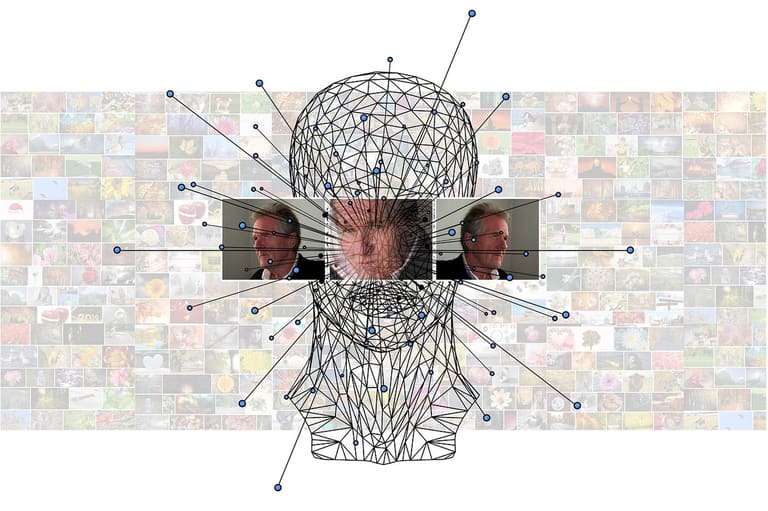
Yapയോം Zeka-യുടെയ്എന്നാലും two main sub-domains – Machine Learning, Deep Learning. ML – Yapയോം Zeka sub-domain; DL – advanced ML style. Data handling, learning – main difference. ML – small datasets too; DL – big structured data necessary.
ML – explicit feature engineering, human input. DL – automatic feature extraction, complex patterns from data, best for huge/high-dimension data.
Comparison points
- Data volume: ML – small okay; DL – bulk required
- Feature engineering: ML – manual; DL – automatic
- Hardware: DL – high compute (GPU); ML – regular hardware
- Model complexity: DL – elaborate neural nets, ML – simple models
- Use-cases: ML – generic problems; DL – image/NLP complex tasks
ML vs DL: താരതമ്യം
| Characteristic | ML | DL |
|---|---|---|
| Data requirement | Small | Large |
| Feature engineering | Manual | Automatic |
| Hardware | Less compute | High compute (GPU) |
| Complexity | Simple | Complex neural nets |
| Training time | Short | Long |
ML & DL – different needs, use-cases. DL – complex, ML – fast/easy solutions. Both continuously fuel AI progress.
Yapയോം Zeka: ആവശ്യം പ്രാഥമിക capabilities
Yapയോം Zeka field-ൽ success – fundamental skills: math, programming, algorithms, problem-solving. Practical & theoretical; math (linear algebra, probability, stats, calculus) ML understanding/training-ൽ crucial. Math – algorithm workings, optimization, model design-ൽ base.
Essential Skills
- Programming (Python, Java, C++)
- Mathematical ability (Linear Algebra, Statistics)
- Data analysis & visualization
- ML algorithms
- Deep Learning concepts
- Problem-solving, critical thinking
Python, R, Java, C++ – Yapയോം Zeka-ൽ core relevance. Python – most popular, libraries/tools (NumPy, Pandas, TensorFlow, PyTorch) vast, straightforward syntax. Data analysis/visualization – big data meaning extraction, decision support. Data cleaning/modeling/insights crucial. Visualization – stakeholder communication. Without these, AI success tough.
Yapയോം Zeka & Ethics: ശ്രദ്ധിക്കേണ്ടത്
Yapയോം Zeka rapid growth: ethics challenges – decisions, relationships, everything influenced. Development/deployment – ethics-centric. Otherwise, bias, privacy violation, discrimination major risks.
Yapയോം Zeka ethics – design to deployment, ensure human rights, justice, transparency. Algorithms – understandable, data – secure, human-in-loop control – essential. Ethics frameworks – AI for social good, minimal risk.
Ethical areas
- Data privacy/security
- Fairness & bias
- Transparency/explainability
- Responsibility/accountability
- Human oversight/autonomy
AI ethics summary table:
| Ethics Principle | Explanation | Importance |
|---|---|---|
| Justice | Equal/fair treatment by AI | Prevent discrimination, assure opportunity |
| Transparency | Explain algorithmic working/decisions | Build trust; accountability |
| Responsibility | Who’s responsible for actions/results | Fix errors, remedy harm |
| Privacy | Safeguard personal data, no misuse | Protect private life |
AI ethics – technical, social, philosophical. Multidisciplinary teams, consensus needed. Principles – review, update for humanity-focus. Ethics – technology’s direction-setter.
Yapയോം Zeka & ML – ഭാവി
Yapയോം Zeka, Machine Learning – fastest expanding fields. Enormous impact forecast: healthcare, education, transport, production, entertainment. Not only technology, but social, ethical, economic effects shape future.
| Sector | Present | Future trends |
|---|---|---|
| Healthcare | Diagnosis/treatment, drug discovery | Personalized medicine, early detection, autonomous surgery |
| Education | Performance analysis, adaptive learning | Adaptive platforms, virtual tutors, lifelong learning support |
| Transport | Autonomous driving, traffic optimization | Fully autonomous, smart cities, logistics boost |
| Production | Robotic automation, quality check | Smart factories, predictive maintenance, supply-chain optimization |
Coming years: Yapയോം Zeka, ML – sophisticated complexity; algorithms mimic human thinking/problem-solving; automation, new jobs. But, workforce shifts call for preparation.
Future trends
- Advanced NLP
- Deep Learning breakthroughs
- Autonomous system adoption
- Personalized AI solutions
- AI ethics & reliability
- AI-powered cyber security
Yapയോം Zeka future – ethics/social responsibility central. Algorithmic transparency, privacy, bias – all critical factors. AI developers, policymakers, public – conscious/sensible.
Yapയോം Zeka, ML – cross-disciplinary effort. Creativity, critical thinking, problem-solving – future skills. Education must foster these capabilities.
Yapയോം Zeka & ML: േപരി വീക്ഷണം
ഈ ലേഖനത്തിൽ Yapയോം Zeka (AI), Machine Learning (ML) – പരിചയപ്പെടുത്തുകയും, similarities/differences മീശായി സ്മൃതി ചെയ്യുന്നു. Yapയോം Zeka – grand domain; ML – sub-branch; ML – experiential learning/approach; Deep Learning – advanced, multilayer neural networks; each with distinct applications/benefits.
AI/ML’s importance growing; understanding/applying right way matters; productivity, innovation, healthcare, education – AI revolutionizing.
| Sector | AI Applications | ML Applications |
|---|---|---|
| Healthcare | Disease diagnosis, drug development | Image-based tumor detection, risk prediction |
| Finance | Fraud detection, risk analysis | Credit scoring, robo-investing |
| Marketing | Personalized ads, chatbots | Segmentation, behavior analysis |
| Production | Robotic automation, quality control | Predictive maintenance, process optimization |
Ethics/risk – cannot ignore; privacy, bias, workforce effects – all Yapയോം Zeka/ML development must consider. Awareness, responsible adoption – future decisive.
Get started
- Learn Yapയോം Zeka/ML
- Join online courses
- Participate/develop projects
- Discuss, research ethics
- Read/follow future AI/ML developments
- Track sector innovation
AI/ML tools – immense capacity for change. Potential must harness, responsibly implement – our collective duty. Stay tuned, keep learning.
Questions: Yapയോം Zeka & Machine Learning
Yapയോം Zeka രജിസ്റ്ററിൽ പ്രയോജനം എന്താണ്? Daily life-ൽ കാണാനാകുന്നത് എന്തെല്ലാം?
Yapയോം Zeka main target – human intelligence- mimic/beat. Real life: smartphone voice assistants, e-commerce recommendations, autonomous vehicles, medical diagnosis – every sector, Yapയോം Zeka presence.
Machine Learning Yapയോം Zeka-ൽ എവിടെയാണ്? ബന്ധം എങ്ങനെയായി രേഖപ്പെടുത്താം?
Machine Learning – AI sub-branch. AI – umbrella; ML – method; data-driven learning, task performance capability.
ML methods – common types & context of usage?
Supervised, unsupervised, reinforcement learning – ML common. Supervised – labelled data, unsupervised – patterns, reinforcement – agent-reward. Method depends on data/problem.
AI widespread adoption – ethics challenges? How to approach?
Bias, discrimination, lack of transparency, privacy violation, unemployment – main ethics risks. Solutions – fix bias, safeguard data, transparent/explainable AI, consider social impact.
Deep Learning – Machine Learning-ൽ എങ്ങനെയാണ്? Traditional ML-ൽ ഭേദം?
Deep Learning – ML sub-area; neural nets for feature extraction. Traditional ML – manual feature engineering; DL – automatic, solves complex tasks.
Yapയോം Zeka field – success-ഉം വേണ്ട skill-set?
Math (linear algebra, stats, probability), programming (Python, R), ML algorithms, DL frameworks (TensorFlow, PyTorch), data analysis, communication, problem-solving, critical thinking.
AI/ML future – sector-wise outlook?
Bright future: healthcare, transport, finance, education – transformative impact. Autonomous systems, personalized medicine, AI learning, cyber security advances – expected everywhere.
Yapയോം Zeka career – how to start, tips?
Math/programming basics, ML/DL courses, practical projects, contribute to open source, join challenges, stay up-to-date, internships, network – the journey to career.