 Afrikaans
 Azərbaycan
 Bosanski
 Čeština
 Dansk
Dansk Deutsch
 English
 Español
 Filipino
 Français
 Hrvatski
 Indonesia
 Italiano
 Magyar
 Melayu
 Nederlands
 Norsk
Norsk Oʻzbek
 Polski
 Português
 Română
 Slovenčina
 Slovenščina
 Suomi
Suomi Svenska
 Tiếng Việt
 Türkçe
 Ελληνικά
 Беларуская
 Български
 Русский
 Српски
 Українська
 עברית
עברית اردو
اردو العربية
 پښتو
پښتو فارسی
فارسی አማርኛ
አማርኛ मराठी
मराठी বাংলা
বাংলা தமிழ்
தமிழ் ไทย
ไทย မြန်မာ
 한국어
한국어 中文
中文 日本語
日本語

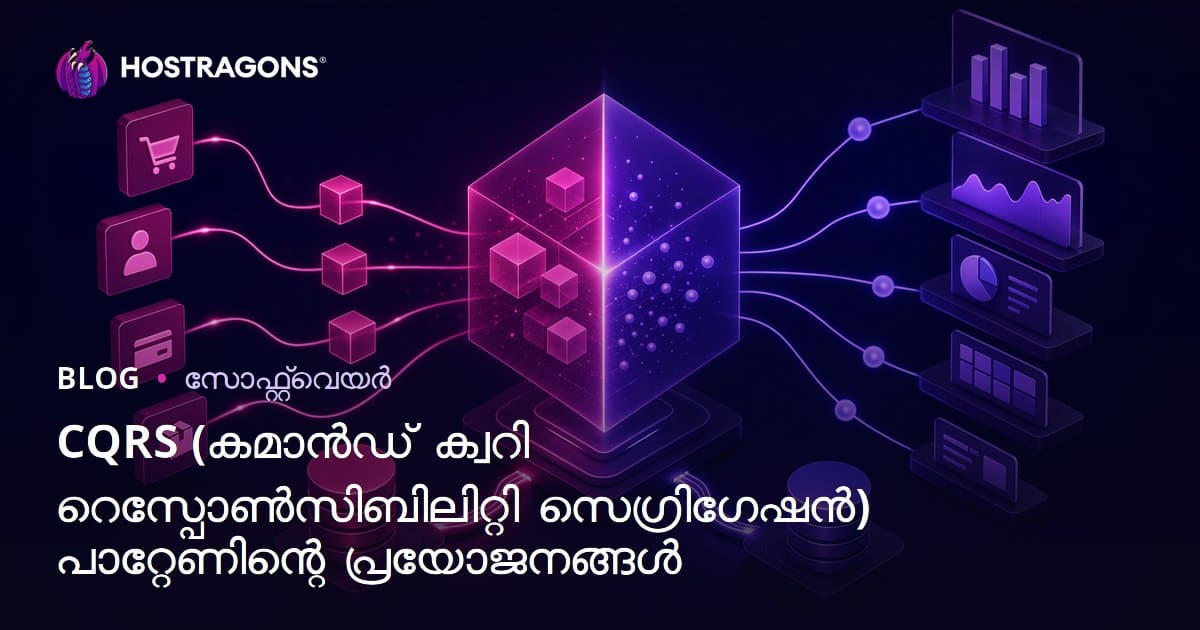
ഈ ബ്ലോഗ് ലേഖനം പതിനെട്ട് വയസ്സിനുപിന്നാലെ സോഫ്റ്റ്വെയർ വികസനലോകത്ത് പ്രധാനിയമാക്കിയ CQRS (Command Query Responsibility Segregation) ഡിസൈൻ പാറ്റേണിന്റെ ആഴത്തിലുള്ള ഒരു വിശകലനമാണ്. CQRSയുടെ വശങ്ങൾ അവതരിക്കുന്നതിൽ ഒരുപാട് സാങ്കേതിക ആശയങ്ങൾ ഉൾപ്പടുന്നു. ഈ ലേഖനം വായനക്കാർക്ക് CQRSയുടെ അടിസ്ഥാന നിർവചനവും, ഗുണനിലവാരവും, അതിന്റെ ഫലപ്രാപ്തിക്കായുള്ള വൃത്താന്തവും, വ്യത്യസ്ത ആപ്ലിക്കേഷൻ ഫീൽഡുകളിലെ ഉദാഹരണംവുമാണ് നൽകുന്നത്. കൂടാതെ, CQRS പ്രയോഗിക്കുമ്പോൾ നേരിടാൻ കാരണമായ കാര്യങ്ങളും അതു മറികടക്കാനുള്ള മാർഗസൂചനകളും ഉൾപ്പെടുത്തിയിട്ടുണ്ട്. മൈക്രോ സർവീസ് ആർക്കിടെക്ചർ അവലോകനത്തിൽ ഉൾച്ചേർത്ത് പറ്റാനിരിക്കുന്ന പിശക് ഒഴിവാക്കാൻ പ്രായോഗിക നിർദ്ദേശങ്ങളും അവതരിപ്പിക്കുന്നു. ഈ ലേഖനം CQRS എഫക്റ്റീവ് ആയി പ്രയോഗിക്കാൻ ഉദ്ദേശിക്കുന്ന മലയാളം ഡെവലപ്പർമാർക്ക് ആഴമുള്ള ഹൈപര്യദി, നേട്ടങ്ങൾ, ശ്രദ്ധിക്കാവുന്ന പ്രധാന പൊയിന്റുകൾ, കുമാടം സാധ്യതകളിലേക്കുള്ള പ്രായോഗിക പ്രവചനം നൽകുന്നു.
CQRS (Command Query Responsibility Segregation) എന്താണ്?
CQRS (Command Query Responsibility Segregation) എന്നത് സിസ്റ്റത്തിൽ "കമാൻഡ്" (റെക്കോർഡ് മാറ്റങ്ങൾ), "ക്വറി" (പഠനം/വായന) എന്നീ ഡാറ്റ പ്രവർത്തനങ്ങളെ വ്യത്യസ്തമായി കൈകാര്യം ചെയ്യാൻ രൂപപ്പെടുത്തിയിട്ടുള്ള ഡിസൈൻ പാറ്റേൺ ആണ്. പതിവ് ആർക്കിടെക്ചറുകളിൽ ഒന്ന് മാത്രമായ ഡാറ്റ മോഡൽ മുതൽ വായനയും എഴുതലും നടക്കുന്നതാണ്, എന്നാൽ CQRSയിൽ വായനക്കും എഴുതലിനും പ്രത്യേകമായി മോഡലുകളും സ്കീമകളും പ്രയോഗിക്കുന്നു. ഇങ്ങനെ ചെയ്യുമ്പോൾ സിസ്റ്റം കൂടുതൽ ഫോക്കസ് ചെയ്തിരിക്കും, പെട്ടെന്ന് സ്കെയിൽ ചെയ്യാവുന്നതാണ് ഈ അനുഭവം.
CQRSയുടെ പ്രധാന ലക്ഷ്യം: വായന (Query) കെഴുതൽ (Command) പ്രവർത്തനങ്ങൾ ഇടകലർത്തില്ലാതെ തിരിച്ചു കൂടാ. ഇതിലൂടെ ഓരോ പ്രവർത്തനത്തിനും സ്വന്തം ഡാറ്റാ മോഡൽ അഥവാ ഡാറ്റാബേസ് ഉപയോഗിക്കാവുന്നതാണ്. ഇത് നിർവഹണ പ്രതിരോധം, പെർഫോമൻസ്, സ്കെയിലബിലിറ്റി - എല്ലായും ഉയർത്തുന്നു. കമാൻഡുകൾ സിസ്റ്റം സ്ഥിതിയിൽ മാറ്റം ചെയ്യുമ്പോൾ, ക്വറികൾ ഉള്ള സ്ഥിതി തിരവേണം (
CQRS പാറ്റേണിന്റെ ഉത്ഭവം രണ്ടുഭാഗങ്ങളിലാണ്: വായനയുടെയും എഴുതലിന്റെയും ഭാഗങ്ങൾ വിഭജിച്ചിരിക്കുന്നു. വായന ഭാഗം വളരെ അതിവേഗവും വായനയ്ക്കും ഉപയോഗിക്കാവുന്നതും ആയിരിക്കും. എഴുതൽ ഭാഗം സിസ്സിറ്റേം വ്യവസ്ഥയുടെ ഇനണക്കാണുവുമാണ്. ഓരോ ഭാഗം ഓരോ ഡാറ്റാ മോഡലിൽ വലുതാകും; ഉദാഹരണത്തിന്, relation database എഴുതലിന്, NoSQL വായനയ്ക്ക്. അതുപോലെ സ്റ്റോറേജും, indexയും ഉള്ളത് തന്നെ.
CQRS-യുടെ ഘടകങ്ങൾ
- Commands: സിസ്റ്റം സ്ഥിതി മാറ്റനം വേണം (ഉദാ. order create ചെയ്യുക).
- Queries: ഡാറ്റ അഡ്മിഷൻ/വായന (ഉദാ. order തേടി കാണിക്കുക).
- Command Handlers: Command സൈറ്റിനു പ്രവൃത്തി നിർവഹണം.
- Query Handlers: Query സൈറ്റിനു resultado കൊടുക്കുന്നു.
- Datastore: തരംതിരിച്ച ഡാറ്റ സംഭരണം അവലംബിക്കുന്നു.
- Events: സിസ്റ്റത്തിൽ മാറ്റങ്ങൾ event ആയി പകരുന്നു; synch/sync മെച്ചപ്പെടുന്നു.
CQRS another benefit: പല data storage അറിയിച്ചു, ഒരേ system-ൽ ACID ഉൾപ്പെടെയുള്ള relational database എഴുതലുമായി, NoSQL ഒരു വായനക്കും പരിചയപ്പെടുത്താം. വായനയുള്ള ഭാഗം flash ആയി; relation ഭാഗം guarantees ലഭിക്കും. Event driven architecture പ്രയോഗീകരിക്കുമ്പോൾ CQRS, താഴെ ചർച്ച – കേന്ദ്രം ജൂഡ്യാം.
CQRS vs പ്രപഞ്ച ആർക്കിടെക്ചർ
| സവിശേഷത | പതിവ് (CRUD) ആർക്കിടെക്ചർ | CQRS ആർക്കിടെകചർ |
|---|---|---|
| ഡാറ്റാ മോഡൽ | ഒരു മോഡൽ (CRUD) | വായനയും എഴുതലും തരംതിരിച്ച മോഡലുകൾ |
| പ്രവൃത്തി | വായനും എഴുതലും ഒരേ model | ആകമാനം വിഭജിച്ചു |
| പെർഫോമൻസ് | ക്യാമ്പ് കേറി query-ൽ വൈകിയിരിക്കും | വായനയ്ക്കു ഫാസ്റ്റ്, നിറയമുള്ള പെർഫോമൻസ് |
| സ്കെയ്ലബിലിറ്റി | പ്രയാസം | വലിയ സ്കെയിൽ |
CQRS complexity വർദ്ധിപ്പിക്കും — ലളിതമുള്ള system-കൾക്ക് അപ്രതിസന്ധമായ overdesign ആകാം. പക്ഷേ പെർഫോമൻസ്, സ്കെയിലബിലിറ്റി, maintainability അറിയാനുള്ള കര കൂടുതൽ ലഭ്യമാണ്.
CQRS മോഡലിന്റെ പ്രധാന ഗുണങ്ങൾ എന്തൊക്കെയാണ്?
CQRS design pattern ക്ലൗഡ് ഡിജിറ്റൽ age-ൽ സ്കെയിലബിളും performance-orientedമായ software നിർമ്മാണത്തിൽ അനിവാര്യമായും സ്ഥാനം പിടിച്ചിരിക്കുന്നു. വായനയും എഴുതലും തരം തിരിച്ച് workflow- അടിമൽ scalability, maintainability, performance വളരാൻ ഒന്നാം നില garanty നൽകുന്നു.
CQRS-യുടെ വലിയ ഗുണം വായനയും എഴുതലും തിരിച്ചിനൽകാവുന്നാന്തരം optimise ചെയ്യാം എന്നതാണ്. അന്വേഷണങ്ങൾ (queries) lightning fast-ആക്കാൻ, relational database-ൽ എഴുതലിന് ACID assurance നൽകാൻ നമ്മള്ക്കാവും. വിവരനോ NoSQL ഒരു വായനവേണ്ടി, relational database എഴുതലാവേണ്ടി.
CQRS-യുടെ ഗുണങ്ങൾ
- സ്കെയിലബിലിറ്റി: വായന എഴുത്ത് സൈഡ് സ്വതന്ത്രമായി സ്കെയിൽ ചെയ്യാം.
- പെർഫോമൻസ്: ഓരോങ്ങോ data model pruning optimised.
- സർഫേസി: വീട്ടു പണിയായ codebase ഹാൻഡിൽ ചെയ്യാനും maintain ചെയ്യാനും easy.
- ഫ്ലെക്സിബിലിറ്റി: technology/DB mix & match ചെയ്യാം.
- ഡെവലപ്മെന്റ് വേഗം: ടീം-കൾ സൈഡ്-സ് സമാന്തരമായി code ചെയ്യാം.
| സവിശേഷത | പരമ്പരാഗത ചുമതല | CQRS ആശയകാഴ്ച |
|---|---|---|
| ഡാറ്റാ മോഡൽ | വായന-എഴുത്തിന് ഒരേ model | വായന എഴുത്ത് വിഭജിച്ച model |
| പെർഫോമൻസ് | ഒഴിവ്-query optimisation tough | ഇന്നുമതി optimise ചെയ്യുവാൻ ആസാൻ |
| സ്കെയിലബിലിതി | resources share-ചെയ്യുമ്പോൾ border | side scalable |
| കമ്പ്ലക്സിറ്റി | വായന-എഴുത്ത് code mix | കോഡ് clean, understandable |
CQRS സൂക്ഷ്മമായി microservices-ൽ ഉപയോഗിക്കണം. ഓരോ service-ന് data-model, business-logic സ്വന്തം ആയിരിക്കും. പക്ഷേ, CQRS ആക്രമണം തരുന്നത് ലളിത system-കൾക്ക് അതിരു complexity ആയി ചുരുങ്ങും. system size & complexity വേണമെങ്കിൽ, CQRS shine ചെയ്യും.
CQRSയും അതിന്റെ ആർക്കിടെക്ചറും: പ്രധാന പോയിന്റുകൾ
CQRS architecture: responsibility separation. Commands & queries, models-വഴി manage ചെയ്യുന്നു. ഇത് reading-writing scalability individu ഇത് boost ചെയ്യുന്നു.
| സവിശേഷത | Command | Query |
|---|---|---|
| ലക്ഷ്യം | ഡാറ്റാ creation/edit/delete | വായന, reporting |
| മോഡൽ | writer-side | reader-side |
| Optimisation | Consistency focused | Read performance focused |
| Scale | Write load-based | Read load-based |
Commands/write side → system mutate; queries/read side → data fetch. Example: e-commerce പ്ലാറ്റ്ഫോമിൽ, order processing (commands) & product listing (queries), സിനിമ ഡാറ്റാ snapshots & fast response ഏതാനും performance.
CQRS പ്രയോഗത്തിൽ ശ്രദ്ധിക്കേണ്ടത്
Most critical: ഡാറ്റാ consistency. Write/read ലേക്കേ different storage —.സിൻക്രേനൈസ്.എസ്. Typically, event-driven architectures & message queue systems.
CQRS ആർക്കിടെക്ചർ steps:
- ആവശ്യം & scope analysis
- Command/query models design
- Datastore selection
- Event driven integration
- Consistency mechanisms
- Testing & optimisation
ഈ കമ്പ്ലക്സിറ്റി simple apps-ൽ avoid ചെയ്യാം; big systems, justify നടത്തുന്നുമാണ്.
ആർക്കിടെക്ചർ ഓപ്ഷനുകൾ
Event sourcing-ൽ state change-കൾ as event store വച്ചിരിക്കും — both command/query cross verification facilitated. Time-travel, audit trail, repair easy.
Right way: CQRS brings high performance, scalability. However, careful plan & execution critical (
CQRSയുടെ കളിയാക്കൽ ഫലങ്ങൾ
CQRS performance-focused design. Traditional models: reading-writing one DB, load increase — performance down. CQRS: read/write separated — storage, queries, index — lightning response (
| സവിശേഷത | Traditional Model | CQRS Model |
|---|---|---|
| DB Load | High | Low (distributed) |
| Read performance | ഇടത്തരം | High |
| Write performance | ഇടത്തരം | Medium/high |
| Complexity | Low | High |
Performance pro-tips:
- Read operations lightning-fast.
- Write ops optimised — additional gain.
- DB load distributed — response faster.
- Reporting & analytics — advantage.
- Microservices integration — scalability up.
- Complex queries managed at low cost.
Performance gain from DB & model customisation. Event-driven with CQRS → flexibility + performance max.
Always monitor: unnecessary complexity may increase maintenance (
CQRS ഉപയോക്തൃത്വവും ഉദാഹരണങ്ങൾ
CQRS pattern uses: complex business logic, high performance needs. Query/command separation — better performance, scalability. Different storage, models supported.
| ഉപയോഗം | വിവരണം | CQRS ഗുണങ്ങൾ |
|---|---|---|
| ഇ-കൊമേഴ്സ് | Product catalogue, order management | Performance, scalability: read/write split |
| ഫിനാൻഷ്യൽ | Accounts, reporting, auditing | Consistency, complex query optimisation |
| ഹെൽത്ത് | Patient records, appointment, reports | Secure data, access control |
| Game development | In-game events, stats, inventory | High throughput, real-time updates |
- CQRS പൂര്ണതയുടെ ഉദാഹരണങ്ങൾ
- E-commerce order management
- Banking account activities
- Social media posts/comments
- Gaming user actions
- Healthcare patient/appointments
- Logistics cargo/route optimisation
ഇ-കൊമേഴ്സ് ആപ്ലിക്കേഷൻസ്
E-commerce-ൽ CQRS brings best for heavy traffic/catalog. Read ops — cache/NoSQL; write — secure backend. Scalability, quicker UX.
ഫിനാൻഷ്യൽ സിസ്റ്റങ്ങൾ
Financial: consistency, security priority. CQRS for separate processing: account actions, transfers/reporting. Event-driven — auto notification — inter-service sync.
CQRS നേരിടുന്ന പ്രയാസങ്ങൾ
CQRS brings many benefits, but also challenges: increased complexity, consistency issues, infrastructure requirements. Team needs CQRS knowledge.
- Code complexity
- Consistency issues (eventual consistency)
- Infrastructure (event store, message bus)
- Team training needed
- Debugging difficult
| Challenge | Description | Remedy |
|---|---|---|
| Complexity | Too much for simple apps | Analyse needs, implement if needed |
| Consistency | Miss between command/query | Event-driven, idempotency, compensation |
| Infra | Extra infra required | Cloud solutions, infra optimisation |
| Dev time | New standards, team adapts slow | Training, mentoring, sample apps |
Event store/message queue infra may cost more. Configuration/administration essential.
CQRS പാകിൽ ശ്രദ്ധിക്കേണ്ടത്
CQRS pattern apply ചെയ്യുമ്പോൾ വായന model/target analyse ചെയ്യണം; otherwise system grows complex. Need, goals, scope be clear.
- Need Analysis: Is CQRS necessary? CRUD may be simple.
- Data Model Design: Separate models — command, query.
- Command Handlers: Each command — unique handler.
- Query Optimisation: Use materialised views, read-only clones.
- Eventual Consistency: Delay in consistency accepted.
- Testing Strategy: Separate test — command, query.
| Criteria | Description | Tips |
|---|---|---|
| Consistency | Sync between command/query | Eventual consistency, compensation |
| Complexity | Added complexity | Domain-driven, only needed |
| Performance | Query performance | Clone, material views, index |
| Testability | Separate test — command, query | Integration/e2e tests |
CQRS correct use improves performance/scalability. Wrong use: maintainability/upkeep goes up.
CQRS-മൈക്രോസർവീസ് ആർക്കിടെക്ചർ ബന്ധം
CQRS & microservices — modern IT giants use together for agility, scalability, maintainability. CQRS splits read/write — scale, manage. Microservices splits monolith — small services. Together: enterprise apps simplified.
CQRS lets microservices each hold data model, business logic. Dependencies drop, each service optimised for own profile.
| Element | Description | Benefits |
|---|---|---|
| Command Service | Create/edit/delete | High processing, data consistency |
| Query Service | Read/reporting | Optimised reads, flexible data |
| Event-based Messaging | Service sync, consistency | Decoupled, scalable |
| Data Storage | Service own DB | Flexibility/performance |
Microservices: CQRS advantage — each picks tech (NoSQL for one, relational for another). CQRS helps inter-service consistency with event-driven.
Microservices ഉപയോഗത്തിന് ഉദാഹരണം
CQRS common in complex microservices — e-commerce, financial, healthcare. Order creation — one infra; product listing — another infra.
- Independent scaling: Each service scales alone.
- Tech diversity: Service as fit.
- Simple models: Each domain — own data model.
- Performance uptick: Read/write fine-tuned.
- Easy maintenance: Small services easy upkeep.
- Quick deploy: Independent releases faster.
CQRS + microservices: simplifies development, maintenance. Consistency, inter-service communication — careful planning needed (
CQRS പതിനൊട്ടു പിശക് ഒഴിവാക്കാൻ ടിപ്സ്
CQRS wrong use: complexity↑, maintenance↑, bugs. Best practices: strategy, team knowledge, simplicity.
- Models stay simple, domain-focused.
- Unnecessary domain model changes avoid.
- Event-driven use — correct order/sync.
- Consistency — use mechanisms, checks.
- Query optimisation.
- Monitoring/logging always-on.
| Error type | Consequence | Prevention |
|---|---|---|
| Overly complex models | Hard to understand, performance issues | Keep models tight/simple |
| Bad event handling | Data inconsistency, system errors | Order, deduplication |
| Performance issues | Slow, bad UX | Optimise, index |
| Data inconsistencies | Wrong reports, wrong ops | Data validation, sync |
Event-driven: monitor order/duplicate events. Query/task perf: use cache, indexes, monitor, log everything.
CQRS പ്രയോഗത്തിനുള്ള നെറുതിയ്ക്ക്
CQRS pattern: advantages, architecture, performance, domains, challenges, microservice integration. Good for complex business/process, high performance needs. Consider implementation cost, dev time, maintenance. Simple apps: overkill; large, multi-team app: best.
| Criteria | Pros | Cons |
|---|---|---|
| Readability | Command/query split: understandable | More classes/components: overhead |
| Scalability | Independent scaling | Extra infra/management |
| Flexibility | Tech/data/model choice | Model/sync difficult |
| Performance | Query ops optimised | Eventual consistency risks |
- Evaluate project needs: Scale, complexity check
- Start small: Pilot module
- Think event sourcing: Pros/cons analyse
- Right tools: Messaging, ORM selection
- Team training: CQRS best practices upfront
- Monitor/log flows: Command/query activity watch
CQRS proper way: massive benefit. Planning, tool selection, and team onboarding are pillars.
പതിവു ചോദ്യങ്ങൾ
CQRS vstraditional architecture – What's the main difference?
Traditional: read/write — same model. CQRS: read/write — split models, even DBs, each for optimum.
CQRS complexity — Effect in projects?
CQRS adds unnecessary complexity for small project, more dev time. Complex rules, perf needs: worth applying.
CQRS: Impact on data consistency?
Commands/queries — different DBs. This can cause sync delay, eventual consistency — not always instant match.
Ideal CQRS projects?
Complex business rules, large scale, high perf — e-commerce, fintech, big data.
CQRS patterns used?
Event Sourcing, Mediator, Command/Query objects — help process and manage flow.
How to address 'eventual consistency' in CQRS?
Event-driven arch, message queues, idempotency — all used.
Microservice CQRS advantages?
Services have own data model, scale independently, lower dependencies, faster system.
CQRS implement — What to check?
Complexity, performance, team experience, plan sync/consistency strategies ahead.