 Afrikaans
 Azərbaycan
 Bosanski
 Čeština
 Dansk
Dansk Deutsch
 English
 Español
 Filipino
 Français
 Hrvatski
 Indonesia
 Italiano
 Magyar
 Melayu
 Nederlands
 Norsk
Norsk Oʻzbek
 Polski
 Português
 Română
 Slovenčina
 Slovenščina
 Suomi
Suomi Svenska
 Tiếng Việt
 Türkçe
 Ελληνικά
 Беларуская
 Български
 Русский
 Српски
 Українська
 עברית
עברית اردو
اردو العربية
 پښتو
پښتو فارسی
فارسی አማርኛ
አማርኛ मराठी
मराठी বাংলা
বাংলা தமிழ்
தமிழ் ไทย
ไทย မြန်မာ
 한국어
한국어 中文
中文 日本語
日本語

API ഡിസൈൻ എന്നത് ആധുനിക സോഫ്റ്റ്വെയർ ഡെവലപ്പ്മെൻറിന്റെ നിർണായക ഘട്ടമാണെന്നാണ് ഇന്ന് വെബ് ഹോസ്റ്റിങ്ങ്, ആപ്പ് ഡെവലപ്പ്മെൻറ് രംഗങ്ങളിൽ ചെറിയ ഒരു സംശയവുമില്ല. ഈ ബ്ലോഗ്, RESTful API-കൾക്കും GraphQL API-കൾക്കും ഗ്രന്ഥമായ രണ്ട് വിപുലമായ സമീപനങ്ങൾ തമ്മിൽ താരതമ്യപ്പെടുത്തിവച്ച്, നിങ്ങളുടെ പ്രോജക്റ്റിനു ഏറ്റവും അനുയോജ്യമായ API ഡിസൈൻ nailed ചെയ്യാൻ സഹായിക്കുന്നതാണു ലക്ഷ്യം. ആദ്യം, API ഡിസൈനിന്റെ അടിസ്ഥാന സംവേദ്യങ്ങൾ, അതിന്റെ ആവശ്യകത ഉണർത്തുന്നു. പിന്നാലെ, RESTful, GraphQL API-കൾ, അവയുടെ പ്രധാനം, സവിശേഷതകളും, തമ്മിലുള്ള വ്യത്യാസങ്ങൾ വ്യക്തമായി വരച്ചുകാട്ടുന്നു. പെർഫോമൻസ് താരതമ്യവും, ഡെവലപ്പർ എതിരാളികൾ API തിരഞ്ഞെടുക്കാൻ ശ്രദ്ധിക്കേണ്ട കാര്യങ്ങളും, ഓരോ API എത്യപ്പോൾ ഉപയോഗിക്കാനാണ് സാമാന്യമായതെന്നുള്ള പ്രസ്കരണം നൽകുന്നു. API ഡിസൈനിൽ സാധാരണയായിരുന്നു പിഴവുകൾ കൂടി ചൂണ്ടിക്കാണിക്കുകയും പിന്തുടരേണ്ട മാർഗ്ഗങ്ങൾ നൽകുകയും ചെയ്യുന്നു.
API ഡിസൈൻ എന്നുർ? അടിസ്ഥാന ആശയങ്ങൾ, പ്രസക്തി
API ഡിസൈൻ എന്നത് ഒരു ആപ്പ്, ഒരു സിസ്റ്റം മറ്റേ സിസ്റ്റങ്ങളുമായോ ആപ്പുകളുമായോ എങ്ങനെ സംവദിക്കുമെന്ന് നിർണയിക്കുന്ന പ്രൊഫഷണൽ പ്രക്രിയയാണ്. ഉത്തമ API ഡിസൈൻ നിർമിക്കുമ്പോൾ, ഡെവലപ്പർമാർക്ക് ആപ്പുകൾ ചേർക്കാം, റിയ്യൂസ് ചെയ്യാൻ സൗകര്യമുള്ളതായി API-കൾ ഒരുക്കാം, ലോകത്തുനിലക്കുന്ന സോഫ്റ്റ്വെയർ സിസ്റ്റങ്ങളുടെ യൂസർ experience-നു ശക്തമായ സപ്ലായാകാം. പൊതുവായി കാണുമ്പോൾ, API ഡിസൈൻ ആപ്പ്ന്റെ ഔട്ട്റീച്ച്പോയിന്റുകൾ എങ്ങനെയാണ്, അവ എങ്ങനെ ഉപയോഗിക്കുമെന്നതിന്റെ പ്രവൃത്തി-map ഉത്തരവാദിത്വം വഹിക്കുന്നു.
API ഡിസൈൻ നടത്തുന്നപ്രവൃത്തി, ഒപ്റ്റിമം റിസൾട്ട് ലഭിക്കാൻ പദ്ധതികൾ, സുരക്ഷ വേണ്ടതുപോലുള്ള പ്രപടങ്ങൾ, പെർഫോമൻസ് എക്സ്പെക്ടേഷൻ, scalable-അവശ്യങ്ങൾ തുടങ്ങിയവ പ്രധാനമാണ്. ഉത്തമ API ഡിസൈൻ, ഈ ഓരോ element-കിനും വലിയ ഊന്നൽ നൽകി, ഡെവലപ്പർ-വ്യക്തികൾക്കായി മുമ്പിൽ കുറിച്ചിട്ടുള്ള ഒരു റോഡ് പകിടുവാണ്.
API ഡിസൈൻ അടിസ്ഥാന ആശയങ്ങൾ
| അഭിപ്രായം | വിവരണം | പ്രസ്താവം |
|---|---|---|
| Endpoint | API-യിലേക്ക് പ്രവേശന-പോയിന്റുകൾ (URL-കൾ). | വിഭവങ്ങളിൽ പ്രവേശനം/മാനിപ്പുലേഷൻ എന്നതിന് കേരളത്തിൽ. |
| പദ്ധതി (GET, POST, PUT, DELETE) | വിഭവങ്ങൾക്കുനേടി പ്രവർത്തിക്കാവുന്ന നടപടി. | വിവരം വായിക്കുക, സൃഷ്ടിക്കുക, അപ്ഡേറ്റ് ചെയ്യുക, നീക്കംചെയ്യുക. |
| വിവര ഫോർമാറ്റുകൾ (JSON, XML) | API- മുഖേന information exchange ചെയ്യാൻ ഉപയോഗിക്കുന്ന ഫോർമാറ്റ്. | Serialization, parsing എളുപ്പം. |
| സ്ഥിതി കോഡുകൾ (200, 400, 500) | API request outcome-കാണിക്കുന്ന കോഡുകൾ. | Call success/error status അറിയാൻ. debugging സൗകര്യം. |
API ഡിസൈൻ എന്നതു് ഇന്ന് അനിവാര്യമായി മാറുന്നു, കാരണം സോഫ്റ്റ്വെയർ പ്രവൃത്തി, മൈക്രോ സർവീസുകൾ, Cloud-based- പ്രാവർത്തനങ്ങൾ തുടങ്ങി പങ്കാളി സിസ്റ്റങ്ങൾ ചേർക്കാൻ API-കളുടെ ഉപഭോഗം പ്രധാനമായിരിക്കുന്നു. കൃത്യമായി കണക്കുകൂട്ടിയ API, സിസ്റ്റങ്ങൾ smooth-ആം efficient-ആം integration-ചെയ്യാൻ ആവുന്ന വിധം, innovation-ക്കും development speed-ക്കും stimulus-ലഭ്യമാക്കുന്നു.
API ഡിസൈൻ – പ്രധാന ഘടകങ്ങൾ
- സിംപ്ലിസിറ്റി: API കടന്നുപോകുന്നതും ഉപയോഗിക്കുന്നതും രണ്ട് മണിക്കൂർ ക്ലാസിൽ പഠിക്കുമെന്നത്.
- Consistency: API-യിലുള്ള എല്ലാ ബിഭാഗങ്ങൾ naming, structure, behaviour മുതലായവ uniform-ആക്കണം.
- സുരക്ഷ: Unauthorized access-നു പ്രതിരോധം, secure data transfer-ഉച്ചിത്യമായത്.
- Versioning: API-യുടെ evolution-ലേയ്ക്ക് മത്സരിക്കുന്നത് versioning മുഖേന.
- Documentation: API ആക്ട് ചെയ്യുമ്പോൾ എങ്ങനെ എന്നത് വ്യക്തമായ, fresh-ആവുന്ന documentation.
API ഡിസൈൻ തരത്തിൽ ജാഗ്രതയോടെ ഒറ്റാത്ത സാങ്കേതികവിദ്യ മാത്രമാണ് അല്ല; ബിസിനസ് growth, new market creation, competitive edge എന്നിവയ്ക്കിത് ഒരു പ്ലാറ്റ്ഫോമാണ്. API-കളെ സോഷ്യൽ ആയി കാണുന്ന ബിസിനസ്സുകൾ, ഉപഭോക്തൃ experience improve-ചെയ്യാൻ, പുതിയ business chance ലഭിക്കാൻ, API ഡിസൈനിലേയ്ക്ക് കൂടുതൽ value-അഭ്യസിക്കുന്നു. ഉത്തമ API, purely technical-ആവുന്ന answer അല്ല. ഒരു business-strategy particle-അതായിരിക്കുന്നു.
RESTful API – അടിസ്ഥാന സവിശേഷതകളും ആനുകൂല്യങ്ങളും
API ഡിസൈൻ മേഖലയിൽ RESTful API എന്നത് regular-ആവും ഉൾക്കൊള്ളുന്നതുണ്ട്. REST (Representational State Transfer) എന്നത്, Web Services-ന്റെ architectural style ആയാണ് കാണപ്പെടുന്നത്. ഈ style API-കൾ scalable, maintainable, independent-ആക്കണമെന്നത് പോപ്പുള്ളതാണ്. RESTful API-കൾ, client-server interaction standardized ആവാൻ HTTP methods (GET, POST, PUT, DELETE) മുഖേന easy integration-നിന്ന് സഹായിക്കുന്നു, cross-platform-ഉപയോഗം സുതാര്യമായി ഓടുന്നവിധം.
RESTful API-കളിൽ statelessness എന്നത് core feature. Server, client session data ഇല്ലാതെ, request-ൽ എല്ലാ information client ലഭിക്കും. ഇതു Server-ന്റെ burden കുറയ്ക്കുകയും scalability-യും ഉയർത്തുകയും ചെയ്യും. Cacheability എന്ന property message response cache ചെയ്യാൻ സാധ്യമാക്കുന്നു: client repeatedly request ചെയ്യാതെ cached data ഉപയോഗിക്കും, performance immensity improve ചെയ്യും.
RESTful API-കൾ നൽകുന്ന ആനുകൂല്യങ്ങൾ
- Scalability: Stateless nature, server easy scalability.
- Simple: HTTP standard methods (GET, POST, PUT, DELETE) ഉപയോഗിച്ച് seamless-ആം, easy-ആം API creation, consumption.
- Flexibility: Different OS/dialect-ൽ run ചെയ്യാനാവുന്നകൊണ്ട്, versatile.
- Caching: Responses cache ചെയ്യാൻ പാടുള്ളത്, network load കുറയ്ക്കുന്നു.
- Independence: Client-server separate development possible.
RESTful API-കൾ intention, JSON, XML പോലെ standard format- വിഭാഗങ്ങൾക്കായി data- interchange-നു ഉപയോഗിക്കുന്നു. HTTP Methods (GET, POST, PUT, DELETE) resource access-നു cultural convention-ലായ് ആണ്. GET — resource fetch; POST — create; PUT — update; DELETE — remove. ഇത് API-യുടെ usability, understanding skillfully enhance ചെയ്യുന്നു.
ഒരു RESTful API-യുടെ അടിസ്ഥാന ഗുണഗണങ്ങൾ കാണാൻ താഴെ കാണുന്ന ടെബിൾ:
| ഭാഗം | വിവരണം | ആനുകൂല്യം |
|---|---|---|
| Statelessness | Server client session സെക്ഷൻ സ്റ്റോറില്ലാ. | Scalability, reliability |
| Cacheability | Response cache ചെയ്യാൻ ടാഗ് ചെയ്യാവുന്നതാണ്. | Performance, network burden reduce |
| Layered System | Client directly server-bound അല്ലാ. | Flexibility, Security |
| Client-Server Architecture | Independence between client/server development. | Portable, independent dev flow. |
RESTful API-കൾ വെറും simplicity, scalability, flexibility-നി ആശ്രയിച്ചാണ് പരിചയപ്പെടുന്നത്. എന്നാൽ, over-fetching, under-fetching പോലുള്ള problem-ങ്ങൾ (for instance, mobile-apps ലഭ്യമായ bandwidth കോളിച്ചുപോകുമ്പോൾ..) ഉണ്ടാകാൻ സാധ്യതയുണ്ട്. ഈ ചോദ്യങ്ങൾ സുതാര്യമായി പരിഹരിക്കാൻ, ഗ്രാഫ്ക്യുഎൽ alternative API style-നു യൂസർ demand ഭൗതികം മാറ്റിവയ്ക്കാം.
GraphQL – പ്രധാന സവിശേഷതകളും ആനുകൂല്യങ്ങളും
API-വളത്തിൽ ഗ്രാഫ്ക്യുഎൽ — Facebook ഉൽപാദിപ്പിച്ച, 2015-ൽ തുറന്നിട്ടുള്ള, query-data manipulation-ന്റെ പുതിയ ഭാഷയും, മാതൃകയും ആണ്. RESTful API-കളിൽ ഉണ്ടാകുന്ന over-fetching/under-fetching പ്രശ്നം, GraphQL ശക്തമായി handle ചെയ്യുന്നു: client ആവശ്യമുള്ള data- മാത്രം select ചെയ്യുന്നു, thus bandwidth, latency advantageous-ആയിട്ട്.
GraphQL-രോ ഒറ്റ endpoint വഴി diverse resources query ചെയ്യാൻ യോജിച്ചിരിക്കുന്നു. Clientുവേണ്ടി ഒന്നിലധികം resource-ൽ data fetch ചെയ്യാൻ, ഒരൊറ്റ request-ൽ data- എല്ലാം ലഭ്യമാണ്. Strong type system-ഉണ്ട്; thus development gender-more secure, predictable.
| സവിശേഷത | വിവരണം | ആനുകൂല്യങ്ങൾ |
|---|---|---|
| Query Language | Client-വേണ്ടി precise data-specific selection. | Over/under fetching പ്രശ്നം ഇല്ല. |
| Single Endpoint | Multiple resources via one request. | Network traffic reduce, performance enhance. |
| Strong Type System | Identify/validate data types. | Error-reduction, secure codebase. |
| Introspection | API schema queries ലഭ്യമാണ്. | Documentation/tools auto generation eases dev process. |
GraphQL-ന്റെ introspection capability, API schema ക്ലയൻറ് തന്നെ query ചെയ്യാനും discover ചെയ്യാനും, thus auto-documentation, tool integration streamlined. Subscription features-ഉണ്ട്; real-time update-നു live-േ apps-ന് കനത്ത advantage. Thus, ഗ്രാഫ്ക്യുഎൽ modern web/mobile apps-നു superb alternative-ആയിരിക്കും. എന്നാൽ, complexity/learning curve (team/new entrants) downside ആകാം.
GraphQL – innovation brought
- Client-centric queries: Client, data-selection decision-maker.
- Single-endpoint access: Multiple resource data-fetch via one request.
- Strong Type System: Data-type validation, secure workflow.
- Introspection: Schema querying/documentation eases.
- Real-Time Data Stream: Subscription feature live updates-ഉള്ളഘടന.
RESTful vs GraphQL – അടിസ്ഥാന വ്യത്യാസങ്ങൾ
API ഡിസൈൻ, Web, Mobile, Cloud, integration workflow-ലും correct architecture ൽ nail ചെയ്യുക ആവശ്യമാണ്. RESTful/API (most common), GraphQL/API (recent/flexible); രണ്ടും data*share/developer focus-നു കൊണ്ട് popular ആകുന്നു, എന്നാൽ mechanic & workflow–ലും differed. ഇത് section-ൽ, RESTful vs GraphQL API fundamental difference match-ചെയ്യുന്നു.
RESTful API, resource-centric; each resource unique URL മുതൽ access/revision. GraphQL, client-centric; user specific query send–specific data fetch–no excess/deficit data burden. Thus, data traffic optimize ചെയ്യാം.
| വിഭാഗം | RESTful API | GraphQL API |
|---|---|---|
| Architecture | Resource Oriented | Client Oriented |
| Data Fetching | Multiple endpoint calls | Single endpoint, flexible query |
| Data Transfer | Static data structure | Only requested data |
| Versioning | URL/header-based | Schema-based |
RESTful API: Multiple endpoint requests–over/under fetching (data latency/lag)–common. GraphQL: Single endpoint–custom query–optimized data movement–performance/network efficiency. Let’s see performance & usability differences.
പെർഫോമൻസ് വ്യത്യാസങ്ങൾ
RESTful API: Mobile/web-client data needs multiple HTTP requests–bandwidth റഷ്യ–performance low. GraphQL: Single request; multi-resource fetch, but complex queries സംബന്ധിച്ചു server burden rise–CPU/GPU pressure increase.
ഉപയോഗ സൗകര്യം
RESTful API, beginner–friendly, simple URLs/HTTP methods, learning curve low, quick dev possible. GraphQL–more flexible but steeper learning curve; tools available for easier dev/test. RESTful–easy to understand, GraphQL–powerful but tech-heavy.
- RESTful API ആനുകൂല്യങ്ങൾ: Simplicity, beginner friendly, wide support.
- RESTful API പ്രയാസങ്ങൾ: Over/under fetching, multiple requests required.
- GraphQL ആനുകൂല്യങ്ങൾ: Client-centred, exact data fetch, single request.
- GraphQL പ്രയാസങ്ങൾ: Complex queries, high server computation, steeper learning curve.
- RESTful: പായ്ക്കുന്നപോൾ: CRUD tasks, resource-centric apps.
- GraphQL: പായ്ക്കുന്നപോൾ: Complex data-needs, performance improvement required.
RESTful v/s GraphQL – project needs, developer background, performance demands–considered. Best fit–critical success factor.
API ഡിസൈൻ: ഉപയോഗിക്കേണ്ടമ്പോൾ പ്രധാന ടൂളുകൾ
API ഡിസൈൻ ടൂൾ തിരഞ്ഞെടുക്കൽ, productivity boost, collaboration improve/quality, developer friendly API output–ലഭിക്കാൻ പ്രഖ്യാപ്യപ്പെട്ടതാണ്. API ടീം members–skill/tools match–project success crucial.
API design tools– comparison table:
| Tool | Main Features | Pros | Cons |
|---|---|---|---|
| Swagger/OpenAPI | API definition, documentation, testing | Wide community, standardized format | Learning curve, complex APIs–challenging |
| Postman | API testing, send requests, view responses | Easy GUI, rich feature set | Free plan limited, paid for team work |
| Insomnia | API testing, GraphQL support, customizable UI | Fast, efficient for GraphQL dev | Not as popular as Swagger, limited community |
| Stoplight Studio | API design, model, documentation | Visual design, collaboration features | Paid tool, costly for small teams |
Collaboration, API-understandability improvement, testing–error reduction–all depend upon correct tool selection. Right tool–project quality rise, development cost drop, usability improve.
API Design – Essential Tools:
- Swagger/OpenAPI: API structure/documentation standardization.
- Postman/Insomnia: Endpoint testing/validation.
- Stoplight Studio: Visual API designing.
- Git/GitHub/GitLab: API definition version control.
- API Gateway (Kong, Tyk, etc.): API traffic/security/monitoring.
- API Monitoring (New Relic, Datadog): Performance auditing, error detection.
Tool selection – project requirements, developer skillset, budget–based രണ്ടുമാത്രം. Right tool, API design workflow streamline-ചെയ്യും.
RESTful vs GraphQL: പെർഫോമൻസ് താരതമ്യങ്ങൾ
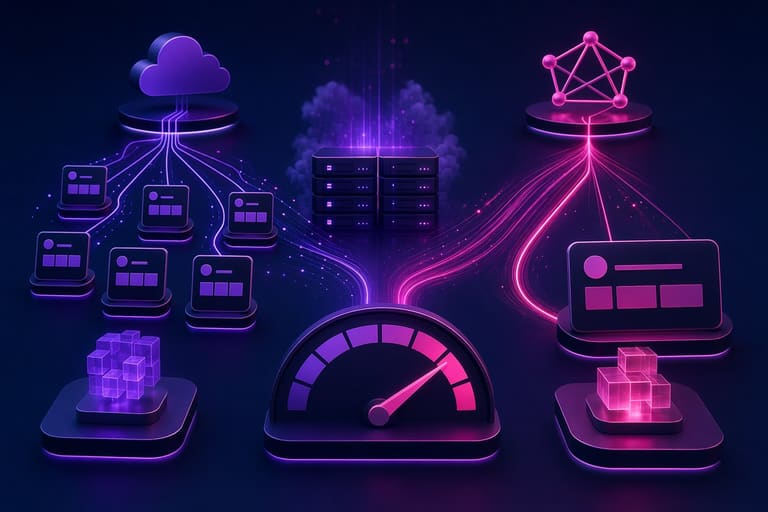
API ഡിസൈൻ efficiency–performance–most important metric. RESTful API, GraphQL–value&load management different–performance key factors–compare ചെയ്തു കാണാം.
RESTful API-ൽ, pre-defined data structure deliver–over-fetching, especially in mobile devices; performance loss likely. But RESTful–simple/caching easy, thus network burden less–performance boost.
| Performance Metric | RESTful API | ഗ്രാഫ്ക്യുഎൽ |
|---|---|---|
| Data Transfer | Usually over-fetching | Only requested data (need to avoid under-fetching too) |
| Request Count | Multiple requests for multi-source | Single request gets multi-source |
| കാഷിംഗ് | HTTP caching easy | Complex caching strategies needed |
| CPU Load (Server) | Lower (simple queries) | Higher (complex query resolution) |
GraphQL: client can select exact data–over-fetching handled–mobile/single-page-apps-നു perfect. But complex queries, server-side overhead–CPU clock rise. RESTful simplicity/caching advantage–GraphQL flexibility/data optimization advantage.
Performance Factors
- Data load: Data sent to client
- Request Time: Server response time
- Server Load: Resource used processing query
- Caching: Efficiency of data retention/reuse
- Bandwidth: Data transfer size
RESTful, GraphQL – performance fit–based on project life cycle/use case. Correct API-choice–best performance. Simple–RESTful, complex–GraphQL.
ഡെവലപ്പറുകൾ RESTful vs GraphQL തിരഞ്ഞെടുക്കുമ്പോൾ
API ഡിസൈൻ recipe–most critical step–dev-team API tech-selection. RESTful vs GraphQL–most relevant pair–each with distinct pros/cons. Choice–requirement, experience, performance–based. Devs–API differences, best fit–evaluate–ഈഖാവണം.
| Character | RESTful | ഗ്രാഫ്ക്യുഎൽ |
|---|---|---|
| Data fetch | Static structure | Client-selectable |
| Flexibility | Less | More |
| Performance | Quick/simple queries | Optimized/complex queries possible |
| Learning curve | Shallow | Steep |
RESTful API – simple, standardized–easy to grasp/new devs, prototyping fast. Small/medium projects–ideal; large/complex data–performance limitations. Choosing factors:
- Project complexity/data needs
- Team RESTful/GraphQL experience
- Performance optimization required?
- Long-term scalability/support
- Client application focus (mobile/web/etc)
GraphQL API – client control, exact data, bandwidth save, performance boost. Steeper learning curve, especially for large/complex projects–proper planning needed.
Selection–based on: project demands, team talent. Both have strengths/weaknesses; success–correct fit. “Perfect API”–project needs match–ആണു.
API ഡിസൈന് എത് യൂതം എത് സമയത്ത്?
API ഡിസൈൻ, app/system external communication–fundamental process. Selection affect–performance, scalability, maintainability–majorly. RESTful vs GraphQL, scenarios–fitment–decision guideline–presented here.
RESTful API–ideal for CRUD operations, resource-based model, HTTP verbs–simple communication. Complex data scenario/multi-resource/aggregation–GraphQL–ideal. Client–flexible data request–network, performance advantage.
| ക്യാരക്ടർ | RESTful API | GraphQL API |
|---|---|---|
| Data Need | Static/pre-defined | Client-driven/selectable |
| Complexity | Best for simple CRUD | Keeps complex queries/relational data |
| Performance | Simple queries–speed, high; excess data–risk | Optimized–only necessary data |
| Flexibility | Less, server-change required | More, client-driven query shape |
API method choice–project-specific–checklist:
- Define requirements: What data/process needed?
- Analyze data structures: Relations/complexity?
- Set performance targets: App speed level?
- Scale assessment: Growth-oriented?
- Developer experience: Team tech familiarity?
- Cost/time constraints: Fast, budget execution?
No single correct API answer. Fit, long-term usability, maintenance–considered choice–best outcome. RESTful simplicity–most scenarios, GraphQL flexibility–complex needs. Future-proofing, cost, maintainability–vital factors.
API ഡിസൈൻ: സാധാരണ പിഴവുകൾ
API ഡിസൈൻ മുന്പിൽ, done mistakes–performance, security, usability–crash. Good API–developer happiness, quick integration, longevity. Careless/fast-track–faulty API–creep, maintenance nightmare. Careful design, avoid pitfalls–essential.
| പിഴവു | വിവരണം | പ്രതികുല ഫലം |
|---|---|---|
| Poor Security | Faulty auth/authorization model | Data breach, unauthorized access |
| Wrong HTTP method | GET, POST, PUT, DELETE–misused | Unexpected behaviour, data inconsistency |
| Excess data | Over-fetching | Performance loss, wasted bandwidth |
| Bad Documentation | Outdated/insufficient docs | Developer confusion, integration failures |
API success–usability, reliability–equal importance. Weak design–devs avoid API, hindering app reach. Security gaps–sensitive data risk, brand damage–huge loss. Preparing API–time/resource–long-term rescue.
Pitfalls to avoid
- Inconsistent Naming: Endpoint/data name mismatch–dev confusion, errors.
- Poor Error Handling: No clear error response–hard debug.
- Versioning Faults: Improper version management–breaking apps.
- Performance Neglect: Slow API, poor UX.
- Security holes: SQL injection, XSS ignored–data breach risk.
API pitfalls–pre-planning, continuous testing, feedback–avoidance. Stick to standards/best practice–success anchor. Frequent security audit–tools for vulnerability detection recommended.
Careful API design–easy dev, fast integration, app longevity guaranteed. Give API design thought–continual improvement wisdom.
API ഡിസൈൻ – ഏതാണ് ഉചിതം?
API design selection–project-specific needs, team know-how, long-term vision–based. RESTful API–simplicity, widespread use, rich tool-bank–most projects–ideal. Resource-centric, HTTP verbs-used projects–best fit.
| Criteria | RESTful API | ഗ്രാഫ്ക്യുഎൽ |
|---|---|---|
| Flexibility | Low | High |
| Learning Curve | Easy | Steep |
| Efficiency | Lower (excess/loss data) | Higher (perfect-fit data) |
| Complexity | Simpler | Complex |
GraphQL–flexible data, client-driven, performance need–bigger projects–perfect. Mobile, SPA, microservice–GraphQL shines. But complexity/learning curve premium–consider.
API choice workflow
- Project needs assessment (data, performance, security)
- Team RESTful/GraphQL expertise evaluation
- Draw pros/cons vs project needs
- Small test/prototype: RESTful & GraphQL–performance, ease
- Long-term maintenance, scaling review
Perfect API–careful comparison/testing–based selection. RESTful–CRUD/simple; GraphQL–complex/mobile. Tech world changes–API-strategy evolve–flexible mindset–best results.
ചേർന്ന് ചോദിക്കുന്ന ചോദ്യങ്ങൾ
API ഡിസൈനിൽ ശ്രദ്ധിക്കേണ്ട പ്രധാന പാടങ്ങളും എന്താണ്?
API-ഉം user-friendly, secure, performant, scalable, easy integration–most important. Plus proper documentation/version-management–API design pillar.
RESTful API–പ്രധാന ആനുകൂല്യങ്ങൾ ഏത്? ഏതപ്പഴം സ്വീകരിക്കണം?
RESTful API: simplicity, standardization, easy-integration–main. Simple data, caching, mass user community–best.
GraphQL–RESTful API–നുള്ള major difference/advantage?
GraphQL–client precise data demand, zero waste transfer. Single endpoint–multi-resource fetch–complex/dynamic UX, huge benefit.
API design–tools–purpose-based–selection?
Swagger/OpenAPI–API documentation/standard. Postman/Insomnia–API testing/dev. GraphQL–GraphiQL–exploration/debug.
RESTful/GraphQL API–performance–comparison–factors?
RESTful–caching enhances, GraphQL–data selection reduces waste–both help performance. Network latency, server load, DB speed, client processing–all factor.
Developers–RESTful vs GraphQL selection–criteria?
Project complexity, data needs, team familiarity, performance goals. RESTful–simple; GraphQL–complex/data-centric fit.
API design–pitfalls–how to avoid?
Poor documentation, inconsistent endpoints, missed security, excess complexity, versioning neglect–common. Proper plan, standards, good testing–avoid.
RESTful/GraphQL mix usage possible? Benefit?
Yes – RESTful–simple data, GraphQL–complex/query-based need. Hybrid API–pros of both–best match.