 Afrikaans
 Azərbaycan
 Bosanski
 Čeština
 Dansk
Dansk Deutsch
 English
 Español
 Filipino
 Français
 Hrvatski
 Indonesia
 Italiano
 Magyar
 Melayu
 Nederlands
 Norsk
Norsk Oʻzbek
 Polski
 Português
 Română
 Slovenčina
 Slovenščina
 Suomi
Suomi Svenska
 Tiếng Việt
 Türkçe
 Ελληνικά
 Беларуская
 Български
 Русский
 Српски
 Українська
 עברית
עברית اردو
اردو العربية
 پښتو
پښتو فارسی
فارسی አማርኛ
አማርኛ मराठी
मराठी বাংলা
বাংলা தமிழ்
தமிழ் ไทย
ไทย မြန်မာ
 한국어
한국어 中文
中文 日本語
日本語

ಈ ಬ್ಲಾಗ್ ಲೇಖನವು ರಿಯಲ್ ಟೈಮ್ ಆಯೆಕ್ಯ ವ್ಯವಸ್ಥೆಗಳು (RTOS) ಮತ್ತು ಅದರ ಕೈಗಾರಿಕಾ ಅಪ್ಲಿಕೇಶನ್ಗಳಲ್ಲಿ ಇರುವ ಸೂಕ್ಷ್ಮ ಪಾತ್ರವನ್ನು ಸಮಗ್ರವಾಗಿ ವಿಶ್ಲೇಷಿಸುತ್ತದೆ. RTOSಗಳ ಮಹತ್ವ, ಕೈಗಾರಿಕಾ ನಿಯಂತ್ರಣ ವ್ಯವಸ್ಥೆಗಳಲ್ಲಿನ ಸ್ಥಾನ, ಸುಧಾರಿತ ಡೇಟಾ ಪ್ರೊಸೆಸಿಂಗ್ಗೆ ಕೊಡುವ ಕೊಡುಗೆ, ಸುರಕ್ಷತೆ ಕ್ರಮಗಳ ಕುರಿತು ಇಲ್ಲಿ ಈಚೆಗೆ ಆಳವಾಗಿ ಚರ್ಚಿಸಲಾಗಿದೆ. ವಿಭಿನ್ನ RTOSಗಳ ಹೋಲಿಕೆ ಮೂಲ ಏಕಾಂಶಗಳು ಹಾಗು ಭವಿಷ್ಯದಲ್ಲಿ ಎದುರಾಗುವ ಟ್ರೆಂಡ್ಗಳು ಉಪಸ್ಥಿತವಾಗಿವೆ. RTOS ಸಮರ್ಪಕವಾಗಿ ಬಳಸುವುದಕ್ಕೆ ಯಶಸ್ಸಿನ ಸಲಹೆಗಳು ಮತ್ತು ಕೈಗಾರಿಕಾ ಪ್ರಕ್ರಿಯೆಗಳು ಇವೆ. ಕೊನೆಗೆ, ಕೈಗಾರಿಕಾ ಕ್ಷೇತ್ರದಲ್ಲಿ ಕಾರ್ಯಕ್ಷಮತೆ ಮತ್ತು ವಿಶ್ವಾಸಾರ್ಹತೆ ಹೆಚ್ಚಿಸಲು ಬಯಸುವವರಿಗೆ ಪರಿಣಾಮಕಾರಿಯಾದ ಸಲಹೆಗಳನ್ನು ನೀಡಲಾಗಿದ್ದು, ರಿಯಲ್ ಟೈಮ್ ವ್ಯವಸ್ಥೆಗಳ ಮಹತ್ವ ಸ್ಪಷ್ಟಪಡಿಸಲಾಗಿದೆ.
ರಿಯಲ್ ಟೈಮ್ ಆಯೆಕ್ಯ ವ್ಯವಸ್ಥೆಗೆ ಪರಿಚಯ
ರಿಯಲ್ ಟೈಮ್ ಆಯೆಕ್ಯ ವ್ಯವಸ್ಥೆಗಳು (RTOS) ನಿರ್ದಿಷ್ಟ ಸಮಯ ಮಿತಿಯೊಳಗೆ ಕಾರ್ಯಗಳನ್ನು ಪೂರ್ಣಗೊಳಿಸಲು ವಿನ್ಯಾಸಗೊಳ್ಳುವ ಪ್ರತ್ಯೇಕ ಯೋಜನೆಗಳು. RTOSಗಳ ಮುಖ್ಯ ವೈಶಿಷ್ಟ್ಯವೇ ಆಳವಾದ ಪ್ರಾಥಮಿಕತಾ ನಿರ್ವಹಣೆ. ಇದು ಪ್ರಮುಖ ಕಾರ್ಯಗಳ ಸ್ಥಳಜತೆಗೆ ತ್ವರಿತವಾಗಿ ಪೂರ್ಣಗೊಳ್ಳಲು ಸಹಾಯ ಮಾಡುತ್ತದೆ. ದೊಡ್ಡ ಕೈಗಾರಿಕಾ automation, aerospace, ವೈದ್ಯಕೀಯ ಉಪಕರಣಗಳು, automotive ಮುಂತಾದಲ್ಲಿ ಅಗತ್ಯ RTOS. ಹೕಗೆ, ಸ್ಪಷ್ಟ-ವ್ಯಾಖ್ಯಾನಿತ ಸಮಯ ಪ್ರತಿಕ್ರಿಯೆ ಅವಶ್ಯವಾಗಿರುವ ಎಲ್ಲ ಕ್ಷೇತ್ರಗಳಲ್ಲಿ RTOS ಗಳ ಕ್ಷಮತೆ ಮತ್ತು ಸ್ಥಿರತೆ ಮುಖ್ಯ.
RTOSಗಳ ಶಿಲ್ಪದಲ್ಲಿ ವಿಳಂಬ ಮತ್ತು ಪ್ರತಿಕ್ರಿಯೆಯ ವೇಗ ಮುಖ್ಯ. ಧ್ವನಿ, ದೃಶ್ಯ, ಸೆನ್ಸರ್, ಪ್ರೊಸೆಶಿಂಗ್, ಎಲ್ಲವು ನಿರ್ದಿಷ್ಟ ಸಮಯದಲ್ಲಿ ಆಗಬೇಕಾದರೆ RTOS ಅಗತ್ಯವಾಗಿದೆ. ಈ ವ್ಯವಸ್ಥೆಗಳು ಸಾಮಾನ್ಯವಾಗಿ ಗಂಭೀರಪ್ರಮಾಣದ ಸ್ತರದಲ್ಲಿ ಜಾರಿಗೊಳ್ಳುತ್ತವೆ (ಇಳಿದುಕೊಳ್ಳುವ, lightweight architecture), ಇದರಿಂದ ಮೆಮರಿ ಮತ್ತು ಪ್ರೊಸೆಸರ್ ಬಳಕೆ ಕಡಿಮೆ. ಸಂದೇಶ ವಿನೋದನೆ, interruption handling, task synchronization ಎಲ್ಲವೂ RTOS ವಿವರೀಕೃತವಾಗಿ ನಿರ್ವಹಿಸುತ್ತದೆ.
- ರಿಯಲ್ ಟೈಮ್ ಆಯೆಕ್ಯ ವ್ಯವಸ್ಥೆಗಳ ಮೂಲ ಗುಣ
- ಕಾರ್ಯಪ್ರಾಧಾನ್ಯ ನಿರ್ವಹಣೆ: ಅತ್ಯಗತ್ಯ ಕಾರ್ಯ ಬದಲು ಕಾರ್ಯವನ್ನು ಸಮಯದಲ್ಲಿ ಮುಗಿಸುವುದು.
- ನಿಗದಿತ/ನಿರ್ಧಾರಕ ಸಾಕ್ಷಾತ್ಕಾರ: ಸಮಯದಲ್ಲಿ ಒಂದೇ ರೀತಿ ಪ್ರತಿಕ್ರಿಯೆ ನೀಡುವುದು.
- ಕಡಿಮೆ ವಿಳಂಬ: ಸೆನ್ಸರ್ ಅಥವಾ ಕ್ರಿಯೆಗೆ ತ್ವರಿತ ಉತ್ತರ.
- Interrupt Handling: hardware/software interruption ಗಳ ಸೂಕ್ತ ನಿರ್ವಹಣೆ.
- Task Communication: ಅನಿವಾರ್ಯ task synchronization ಮತ್ತು messaging.
- Lightweight Architecture: Embedded system ಗಾಗಿ ಚಿಕ್ಕ ಗಾತ್ರ/ಕಡಿಮೆ ಬಳಕೆ.
RTOSಗಳ ಕಾರ್ಯಕ್ಷಮತೆ ಮತ್ತು ವಿಶ್ವಾಸಾರ್ಹತೆ, ಉಪಯೋಗಿಸುವ ಕಚೇರಿಯ ಯಶಸ್ಸಿಗೆ ನಿರ್ಣಾಯಕದಾಗಿದೆ. RTOS ಆಯ್ಕೆ ಮತ್ತು configuration ಸಭ್ಯವಾಗಿ ಮಾಡಬೇಕಾದುದು. RTOS rigidity ಪ್ರಕಾರ ‘ಹಡಗಿನ’ (hard RTOS) ಯಲ್ಲಿ ಒಂದು ಕಾರ್ಯ ಸಮಯಕ್ಕಿಂತ ವಿಳಂಬವಾದರೆ ಸ completo failure signal; ‘ಮೃದು’ (soft RTOS) ಯಲ್ಲಿ ಕೆಲವು ವಿಧಿಯಲ್ಲದ ರಸ್ತೆ ಅಪಾಯವು ಅಲ್ಲದೇ ಮುಂತಾದದು.
| ವೈಶಿಷ್ಟ್ಯ | ಹಡಗಿನ RTOS | ಮೃದು RTOS |
|---|---|---|
| ಸಮಯ ಮಿತಿ | ಕಠಿಣ ನಿರ್ಧಾರ | ಲವಚಿಕ, ಸೀಮಿತ ಅನುಮತಿ |
| ವಿಳಂಬ ಪರಿಣಾಮ | ವ್ಯವಸ್ಥೆಯ ವಿಫಲತೆ | ಕೆಲವು ಪ್ರದರ್ಶನ ಕುಸಿತ |
| ಬಳಕೆ ಕ್ಷೇತ್ರ | Aerospace, Nuclear Plant | Multimedia, Streaming Data |
| RTOS ಉದಾಹರಣೆ | VxWorks, QNX | Linux (RT Patch), FreeRTOS |
ಆರ್ಎಟಿಒಎಸ್ ಅನ್ನು ಸಮರ್ಪಕವಾಗಿ configure ಮಾಡುವುದು, ಆರೋಕೆ ಕಾರ್ಯ ಬ್ಯುಸಿಯಾಗಿರುವ ಮುಕ್ತ RTOS understanding ಅನಿವಾರ್ಯ. ಈ ಸ್ವಭಾವ RTOS designer ಗೆ ಯಶಸ್ಸಿನ ಚಾಬಿ ನೀಡುತ್ತದೆ.
ರಿಯಲ್ ಟೈಮ್ ಆಯೆಕ್ಯ ವ್ಯವಸ್ಥೆಯ ಮಹತ್ವ
ಇಂದಿನ ಕೈಗಾರಿಕಾ automation ಗಳು, ರಿಯಲ್ ಟೈಮ್ ಆಯೆಕ್ಯ ವ್ಯವಸ್ಥೆಗಳು ಎಂದರೆ ನಿರ್ಧಾರಪ್ರಮಾಣದ ಪ್ರಕ್ರಿಯೆಗಳಿಗೆ backbone. ಅಧಿಕ ಕಾಲ ವಿಳಂಬ ಸಹಿಸಲಾರದು, ಕ್ಷಿಪ್ರವಾಗಿ ಬೆಳಗಬೇಕಾದ ಸೆನ್ಸರ್, ನ್ಯೂಟ್ರಲ್ ಕಾರ್ಡಿನ ಮೊಟರ್, ವೈದ್ಯಕೀಯ ಯಂತ್ರ ಕ್ರಿಯಾರ್ಥ ಪ್ರಮಾಣದಲ್ಲಿ RTOS ಅಗತ್ಯ. robot synchronisation in production lines, surgical robot precision, ಮತ್ತು automotive brake systems—all of these need deterministic RTOS.
RTOSಗಳ ಆಳವೈಶಿಷ್ಟ್ಯವೇ ನಿರ್ಧಾರಕ ಪ್ರತಿಕ್ರಿಯೆ: ಕಾರ್ಯದ ಸಮಯ predictable ಮತ್ತು accountable. ಸರಾಸರಿ OSಏ task prioritisation ಕೊಡಬಹುದು; ಆದರೆ RTOS ಯಲ್ಲಿ time guarantee ಉಂಟು. ಇದರಿಂದ ಅತ್ಯಗತ್ಯ automation ಗಳು ಅಪಾರ ಕ್ಷಮತೆ ಪಡೆಯುತ್ತವೆ.
ರಿಯಲ್ ಟೈಮ್ ವ್ಯವಸ್ಥೆಗಳ ಲಾಭ
- ನಿರ್ಧಾರಕ (deterministic) ಕಾರ್ಯ ಪ್ರಕ್ರಿಯೆಗಳನ್ನು ಮುಕ್ತ ಸಮಯದಲ್ಲಿ ಪೂರ್ಣಗೊಳಿಸಬಹುದು.
- ಕೈಗಾರಿಕಾ automation ನಲ್ಲಿ ಹೆಚ್ಚಿದ ವಿಶ್ವಾಸಾರ್ಹತೆ.
- ತ್ವರಿತ ಘಟನೆಯ ಸ್ಪಂದನೆ.
- resource management ಮತ್ತು ಪ್ರಾಥಮಿಕ ಕಾರ್ಯವಿಭಜನೆ.
- minimum latency ಗೆ ತ್ವರಿತ feedback.
ಈ ಕೆಳಗಿನ ಪಟ್ಟಿಯಲ್ಲಿ, ರಿಯಲ್ ಟೈಮ್ ಆಯೆಕ್ಯ ವ್ಯವಸ್ಥೆಗಳ ಹೋಲಿಕೆಯಲ್ಲಿರುವ ಮೂಲ ಏಕಾಂಶಗಳನ್ನು ಮತ್ತು ಸಾಮಾನ್ಯ OSಗಳಿಗೆ ಹೋಲಿಕೆ:
| ವೈಶಿಷ್ಟ್ಯ | RTOS | ಸಾಮಾನ್ಯ OS |
|---|---|---|
| Task Scheduling | Deterministic, predictable | Uncertain, Priority-based |
| Latency | Low & predictable | High & variable |
| Reliability | High | ಮಧ್ಯಮ |
| Resource Management | Optimised ಬಳಕೆಯ ಮಾದರಿ | General-purpose |
ರಿಯಲ್ ಟೈಮ್ ಆಯೆಕ್ಯ ವ್ಯವಸ್ಥೆಗಳು, ಸಮಯ-ಅತ್ಯಗತ್ಯ automation ಗಾಗಿ ವಿನ್ಯಾಸಗೊಳ್ಳುತ್ತದೆ. ತುಂಬಾ ಸ್ವಾಭಾವಿಕವಾಗಿ reliability, deterministic response ಮತ್ತು minimum latency, automation, medical, aerospace, automotive ಗಳಲ್ಲಿ ಹಿತವನ್ನು ಹೆಚ್ಚಿಸುತ್ತವೆ. RTOS ಉಚಿತ ಆಯ್ಕೆ, configure, implementation—all of these affect performance and safety, so proper planning vital.
ಕೈಗಾರಿಕಾ ಅನ್ವಯದಲ್ಲಿ RTOS ಬಳಕೆ
ಕೈಗಾರಿಕಾ automation RTOSಗಳಿಗೆ ಸೂಕ್ತ ಸೇವಾ ಕ್ಷೇತ್ರ. ಈ ಸಿಸ್ಟಂಗಳು, ಉತ್ತಮ ನಿರ್ಧಾರ ಮತ್ತು minimum latency, optimal response ಇದೇ automation success. production lines, robotics, energy distribution, medical devices—all of these use RTOS for dependable execution, real-time performance.
| Industrial Sector | RTOS Implementation Example | Benefits |
|---|---|---|
| Production | Conveyor belt control | Quick response, productivity boost |
| Energy | Smart grid control | Reliable power flow, instant intervention |
| Healthcare | Medical imaging devices | High precision, real-time data processing |
| Automotive | Engine Control Units (ECU) | Optimised performance, safety |
RTOS deterministic ನಿಂದ, automation ಕಡ್ಡಾಯ ಕಾರ್ಯ ಅವಶ್ಯವಾಗಿ ಸಮಯದಲ್ಲಿ ಆಗುವುದು: eg. robot arm picks object at the right moment, medical device analyzes patient vitals instantly.
RTOS ಕೈಗಾರಿಕಾ ಬಲಕೆಗಳ ಕ್ರಮ
- Automation ihtiyaç analyse & requirement definition
- RTOS correct selection
- System design & integration
- Define real-time tasks
- Testing & validation
- Performance optimisation
RTOS, industrial processes evolving to smart, adaptive solutions—future fit, scalable, dependable automation.
ರೋಬೋಟಿಕ ಅನ್ವಯಗಳು
Robotics RTOS, motion control, sensor data processing, communication—all managed in real-time. Automated sensing and actuation, precision response, environmental adaptation essential for complex assembly lines, logistics robots, hazardous environment robots.
ಆಟೋಮೇಶನ್ ವ್ಯವಸ್ಥೆಗಳು
Factory automation, process control, energy optimisation—all rely on RTOS for rapid sensor reading, automated corrective action, and deterministic operation. Minimum latency in sensor-to-action response, productivity uptick guaranteed.
ರಿಯಲ್ ಟೈಮ್ ಆಯೆಕ್ಯ ವ್ಯವಸ್ಥೆಗಳಲ್ಲಿ ನಿಯಂತ್ರಣ ವ್ಯವಸ್ಥೆಗಳು
Industrial Automation RTOS, real-time synchronised operation. Critical process—robot arms, turbines, medical equipment—depends on RTOS for precise and timely operation, reliability and safety. eg. nuclear plant reactor control: temperature, pressure always within defined limits.
ನಿಯಂತ್ರಣ ವ್ಯವಸ್ಥೆಗಳ ವೈಶಿಷ್ಟ್ಯ
- Predictability: Each task completes within allotted time.
- Timely Response: Immediate action to events.
- Reliability: Uninterrupted, error-free operation.
- Precision: Fine-tuning control parameters.
- Synchronization: Seamless device coordination.
Below, RTOS-based control systems in industrial applications and their key uses:
| Application Sector | Control Mechanism | RTOS Role |
|---|---|---|
| Automotive | Engine Control Unit (ECU) | Optimise fuel injection, ignition, emission control |
| Aerospace | Flight control systems | Stability & maneuverability assurance |
| Healthcare | Patient monitoring | Continuous vital monitoring & alerting |
| Manufacturing | Robotic control | Precision, synchronised robotic movements |
RTOS, industry complexity rises, integration with advanced sensors/algorithms, optimisation and remote IoT/monitoring now routine for modern control systems.
RTOS ಮತ್ತು ಸುಧಾರಿತ ಡೇಟಾ ಪ್ರೊಸೆಸಿಂಗ್
RTOS not only for timely task execution; real-time sensor, device data processing, analytics, decision-making—all benefit from deterministic RTOS. Industrial systems generate high-volume data—fast filtering, noise reduction, anomaly detection, predictive maintenance crucial. RTOS facilitates robust data handling.
Advanced data processing methods: signal processing, statistical analysis, machine learning, complex event processing—all enabled by RTOS reliability and real-time execution. Eg. In production lines, RTOS analyzes sensor data to avert faults, optimise output, reduce costs.
ಮುಕ್ತ ಸುಧಾರಿತ ಡೇಟಾ ಬಳಕೆ ತಂತ್ರಗಳು
- Noise filtering
- Data compression/archival
- Time series analysis
- Anomaly detection
- Machine learning predictions
- Data mining
RTOS data processing efficiency depends on hardware, multi-core, accelerators, memory management, task scheduling. Below: typical RTOS data processing impact metrics.
| Technique | Description | RTOS Impact | Performance Metric |
|---|---|---|---|
| Filtering | Reduce noise, improve signal | Low overhead, fast response | < 1 ms filter time |
| Statistical Analysis | Trend identification | Medium load, complexity-dependent | 5-10 ms avg calculation |
| Machine Learning | Prediction/classification | High load, depends on model size | 10-50 ms inference |
| Anomaly Detection | Unusual behaviour detection | Medium load, algorithm complexity | 2-8 ms detection |
Reliability and accuracy of real-time data handling is critical for industrial success. RTOS data workflows must be validated, tested, backup mechanisms, security integrated for integrity and uptime.
RTOSಗಳ ಹೋಲಿಕೆ ಎಡೆಗಳು
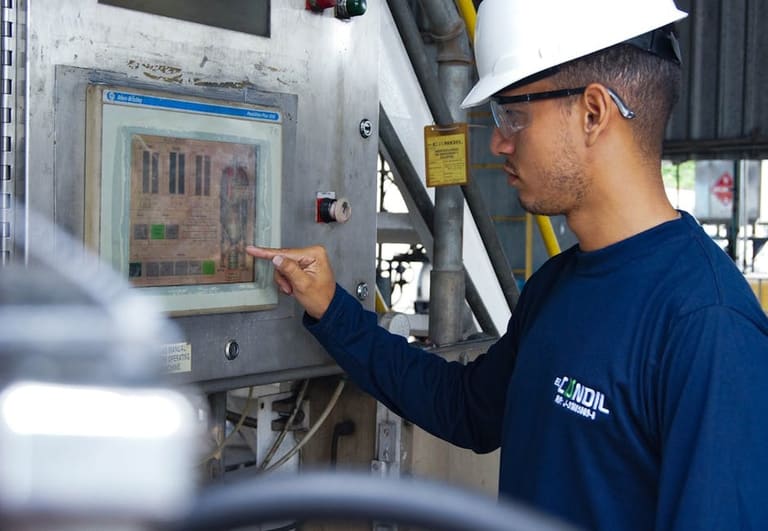
RTOSಗಳ ವಿವಿಧ ರೂಪಗಳು–FreeRTOS, Zephyr, QNX, VxWorks–automation sectors require unique RTOS features. Project fit depends on performance, safety, cost, support. Below, key RTOS comparison table:
| RTOS | Advantages | Disadvantages |
|---|---|---|
| FreeRTOS | Open source, low cost, wide hardware support, easy learning | Limited commercial support, lacks certifiable safety |
| ಜೆಫಿರ್ | Open source, security-focused, IoT optimised, active community | Steep learning curve, limited hardware support |
| VxWorks | High reliability, safety certifications, industrial support, strong vendor backing | Expensive, closed source |
| QNX | Microkernel, high safety, real-time performance, POSIX support | Expensive, complex development |
RTOS ಆಯ್ಕೆ ಮಾಡುವಾಗ ಗಮನಿಸುವ ವಿಷಯಗಳು
- Time strictness:
- Hardware compatibility
- Memory footprint
- Development tools usability
- Community/support level
- Licensing/cost
Project fitting RTOS=context specific. Balancing open-source flexibility/cost with commercial reliability is key. Team experience, budget, safety certification must be considered before final selection.
Correct RTOS selection is not just technical, but a strategic investment towards market competitiveness, optimised development, cost efficiency. The best RTOS is the one that fits your use-case perfectly.
ರಿಯಲ್ ಟೈಮ್ ಆಯೆಕ್ಯ ವ್ಯವಸ್ಥೆಗಳಲ್ಲಿ ಸುರಕ್ಷತೆ ಕ್ರಮಗಳು
Critical automation, automotive, aerospace, medical RTOS require layered security. RTOS flaws can cause data loss, system crash, physical harm. Security from design to operation, continuous, proactive.
| Security Layer | Controls | Explanation |
|---|---|---|
| Hardware | Secure boot, memory protection | Prevents unauthorised access, malware boot. Memory isolation avoids task conflict. |
| Software | Code analysis, secure coding standards | Static/dynamic analysis to catch bugs. Secure coding prevents common exploits. |
| Network | Firewall, VPN, Authentication | Network attacks defense, secure channel, access control |
| Data | Encryption, masking | Protects sensitive data in storage/transit. Masking limits breach visibility. |
Incident response plans—clear stepwise action, responsibility for security breaches. Regular audits, vulnerability testing—automated/manual, essential.
RTOS ಸುರಕ್ಷತೆ ಸಿಬ್ಬಂದಿಯ ಸಲಹೆಗಳು
- Use secure boot for trusted startup
- Minimum privilege principle
- Encrypt sensitive data (storage/transit)
- Firewalls & intrusion detection
- Continuous security audit
- Keep OS & app up-to-date
Security depends on developer/admin awareness; secure coding, proper policy enforcement, quick incident response—all vital in real-time systems security. Always ongoing process.
ರಿಯಲ್ ಟೈಮ್ ಆಯೆಕ್ಯ ವ್ಯವಸ್ಥೆಗಳು ಮತ್ತು ಭವಿಷ್ಯ ಟ್ರೆಂಡ್
RTOS are rapidly evolving—AI, ML, IoT have expanded scope. Future RTOS: smarter, safer, energy-efficient, cloud-integrated. Automation, healthcare, automotive, space—RTOS disruption across the board.
| Technology Trend | Description | Impact |
|---|---|---|
| AI integration | RTOS + AI algorithms | Smarter decisions, optimized resource use |
| Security Focus | More hardening to reduce vulnerabilities, resist cyberattack | Safer, reliable platforms |
| Energy efficiency | Lower power RTOS architecture | Longer battery, lower OpEx |
| Cloud synergy | RTOS-cloud integration | Remote analytics, update ease |
Security-awareness rise: mission-critical, sensitive systems need hardened RTOS: integrated firewalls, encryption, authorization. RTOS to become increasingly proactive against cyber risks.
Future-facing RTOS traits
- AI-augmented task management
- Advanced security/encryption
- Cloud-ready RTOS
- Energy optimization
- Autonomous systems integration
- Microkernel trend
Cloud-connected RTOS for scalable automation, seamless updates, analytics—especially in proliferation of IoT devices.
Open-source RTOS surge: greater flexibility, lower cost, community collaboration, innovation—easy for startups/SMEs, faster cycle.
RTOS ಬಳಕೆಯಲ್ಲಿ ಯಶಸ್ಸಿಗೆ ಸೂತ್ರಗಳು
Industrial RTOS adoption requires smart strategies: clear requirements, proper architecture, tool selection, continuous test. Resource constraint—memory, CPU, I/O—RTOS should optimise these meticulously. Task prioritisation, memory management, interrupt handling: systematic setup = optimal performance.
RTOS ಪ್ರಯೋಜನದ ಹಂತಗಳು
- Requirement analysis
- RTOS selection (license, community, hardware support)
- Task architecture & intercommunication
- Resource management
- Continuous testing/validation
- Regular optimisation
Industrial project success factors with RTOS:
| Sector | Success factors | RTOS features |
|---|---|---|
| Automotive | Reliability, low latency, safety | Task prioritisation, error handling, safety certs |
| Industrial automation | Predictability, determinism, networking | Real-time scheduling, communication, sync |
| Medical devices | Safety, precision, regulatory compliance | Fault tolerance, data integrity, security features |
| Aerospace | Reliability, certifications, resource efficiency | Partitioning, resource management, deterministic |
Continuous learning, adaptation, best practices, open-source collaboration—essential for long-term RTOS project success. Consider professional help for system design, optimisation, debugging—to mitigate risks, accelerate delivery.
ಮುಗಿಮು ಹಾಗೂ ಕಾರ್ಯಪ್ರವೃತ್ತಿ ಸಲಹೆಗಳು
This article dissected real-time operating systems (RTOS) role and value in industrial contexts. With strict time constraints, RTOS boosts efficiency, reliability, safety in manufacturing, robotics, automotive, medicine. Highlights: control mechanisms, advanced data processing, security measures, future vision, and energising hands-on strategies.
| Sector | RTOS benefit | Recommended action |
|---|---|---|
| Industrial control | Fast, reliable response; increased automation | Seek expert guidance for RTOS setup, schedule regular system testing |
| Robotics | Precision movement, synchronised operations | Verify RTOS compatibility, develop real-time algorithms |
| Automotive | Critical safety (eg. ABS, airbags) fast response | Use ISO 26262 compliant RTOS, conduct detailed safety analysis |
| Medical devices | Accurate, timely data, patient safety | Choose RTOS meeting FDA regulations, implement constant monitoring |
RTOS success: focus on system design, resource management, prioritisation, security, robust testing, continuous improvement. Victory lies in fit tech and right strategy.
Critical RTOS best practices
- RTOS selection: match needs
- Resource management: efficient CPU, memory usage
- Task prioritisation
- Security measures
- Comprehensive test/validation
- Continuous improvement
Industrial real-time systems are complex, demanding. Training, expert guidance, best-practice tracking, regular updates/maintenance—necessary for longevity and reliability.
RTOS achievements depend on technical know-how plus disciplined, ongoing learning.
real-time operating systems are vital tools for industrial progress. With optimal strategy, secure measures, and continuous improvement, RTOS advantages can be leveraged to drive productivity and reliability sky-high.
ಪದೆಪದೆ ಕೇಳಲಾಗುವ ಪ್ರಶ್ನೆಗಳು
ರಿಯಲ್ ಟೈಮ್ ಆಯೆಕ್ಯ ವ್ಯವಸ್ಥೆಗಳು (RTOS) ಮತ್ತು ಸಾಮಾನ್ಯ OSಗಳಲ್ಲಿ ಬೇರೆ ಬೇರೆ ಭಿನ್ನತೆ ಏನು?
RTOS: event response within definite time, designed for time-critical operations. General-purpose OS: flexible, no deterministic timing. RTOS deterministic; standard OS can face unpredictable delays.
ಕೈಗಾರಿಕಾ automation ನಲ್ಲಿ RTOS ಬಳಕೆ ಏನು ಲಾಭ ಕೊಡುತ್ತದೆ?
Industrial automation with RTOS: faster, reliable control, improved precision, greater productivity and reduced latency. Robotics, production lines, other critical automation run best with RTOS.
RTOS, ಜಟಿಲ data processing ಏಕಾಂಶಗಳನ್ನು ಹೇಗೆ ನಿರ್ವಹಿಸುತ್ತದೆ, ಮತ್ತು ಕೈಗಾರಿಕೆಗೆ ಹೇಗೆ ಮುಕ್ತ ಲಾಭ ಕೊಡಬಲ್ಲದು?
RTOS: task prioritisation, scheduling subsystem—complex data processing handled efficiently. Sensor data analysis, real-time control, intensive algorithms executed reliably.
RTOS ಆಯ್ಕೆ ವೇಳೆ ಯಾವ ತಾಳಮೇಳ ನೋಡ ಬೇಕು? ವಿಭಿನ್ನ RTOS ಎತ್ತೆರ ಬೇಕು?
RTOS selection: latency tolerance, determinism, memory footprint, CPU support, toolchain, license cost, community. Application fit: balance performance, cost, ease of development.
RTOS ನಲ್ಲಿ security issues ಯಾವುವು, ಇವುಗೆ ಯಾವ ಪರಿಹಾರ?
RTOS flaws: memory bugs, unauthorised access, malware, communication risks. Remedies: secure coding, vulnerability scans, access controls, encryption, continuous updates.
RTOS technology ಭವಿಷ್ಯ ಏನು? ಕೈಗಾರಿಕೆಯಲ್ಲಿ ಯಾವ ಹೊಸ ಮಾರ್ಪಡಗಳು ಆಗುತ್ತವೆ?
RTOS future: lower memory footprint, energy efficiency, advanced security, AI/ML integration. Industrial systems gain smarter, safer, more productive automation.
RTOS ಬಳಕೆ ಸವಾಲುಗಳು ಯಾವುವು, ಪರಿಹಾರ ಯಾವುದು?
RTOS challenges: complex scheduler setup, real-time guarantee, resource conflicts, error debugging, security flaws. Planning, right tooling, trained dev team, regular testing solve these issues.
RTOS project ಯಶಸ್ಸು ಹೇಗೆ ಅಳೆಯಬಹುದು, ಯಾವ ಮೌಲ್ಯಗಳನ್ನ ನೋಡಬೇಕು?
RTOS success: response time, CPU/memory efficiency, error rate, stability, security. Also, on-time delivery, cost control, customer requirements met—all critical.