 Afrikaans
 Azərbaycan
 Bosanski
 Čeština
 Dansk
Dansk Deutsch
 English
 Español
 Filipino
 Français
 Hrvatski
 Indonesia
 Italiano
 Magyar
 Melayu
 Nederlands
 Norsk
Norsk Oʻzbek
 Polski
 Português
 Română
 Slovenčina
 Slovenščina
 Suomi
Suomi Svenska
 Tiếng Việt
 Türkçe
 Ελληνικά
 Беларуская
 Български
 Русский
 Српски
 Українська
 עברית
עברית اردو
اردو العربية
 پښتو
پښتو فارسی
فارسی አማርኛ
አማርኛ मराठी
मराठी বাংলা
বাংলা தமிழ்
தமிழ் ไทย
ไทย မြန်မာ
 한국어
한국어 中文
中文 日本語
日本語

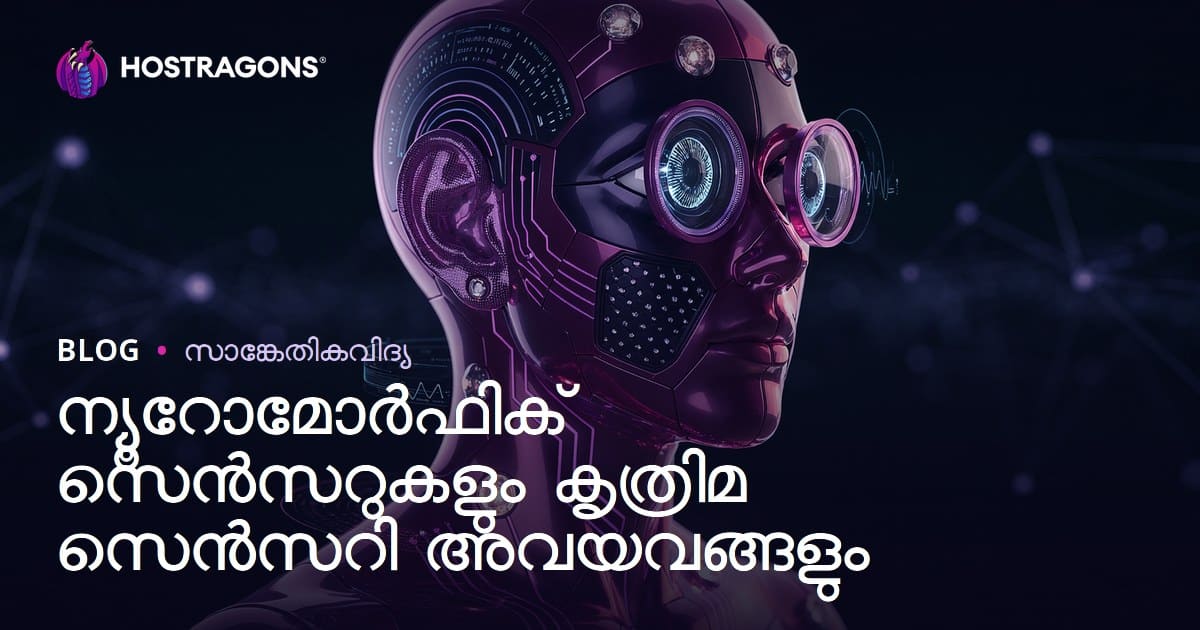
ഈ ബ്ലോഗ് പോസ്റ്റ്, അവസാന വർഷങ്ങളിൽ സാങ്കേതിക ലോകത്തെ ആവേശം പിടിച്ചെടുത്ത ന്യുറോമോർഫിക് സെൻസറുകൾ എന്ന വിഷയത്തെ മലയാളത്തിൽ വിശദമായി വിശദീകരിക്കുന്നു. ആദ്യമായ്, “ന്യുറോമോർഫിക് സെൻസറുകൾ എന്താണ്?” എന്നുള്ള ചോദ്യം പരിചേദം ചെയ്ത് അടിസ്ഥാനതലത്തിൽ വിവരങ്ങൾ നൽകി, അതോടൊപ്പം കൃത്രിമ അനുഭവവേദനയുടെ (Artificial Sensory Organs) പൊതുവായ ദൃശ്യവും വഴിപാടും നൽകുന്നു. ന്യുറോമോർഫിക് സെൻസറുകളുടെ പ്രവർത്തനരീതികളും വിവിധ കൃത്രിമ ദ്വിഷ്ടികളുമാണ് തുടര്ന്നുള്ള ഭാഗങ്ങളിൽ വിശദീകരിക്കുന്നത്. ഈ സെൻസറുകളുടെ പ്രാവർത്തിതം, വിവിധ മേഖലകളിലെ ഉപയോഗങ്ങൾ, വിജ്ഞാനക്ഷമത, വ്യത്യസ്ത അനുഭവവേദനകളുമായുള്ള ബന്ധം എന്നിവ വളരെ സമഗ്രമായും വ്യക്തമാക്കുന്നു. തികച്ചും പുതിയ സാങ്കേതികതയുടെ വളർച്ചയും ഭാവി സാധ്യതകളും കണ്ടെത്തിക്കൊണ്ട്, ഈ രംഗത്തിന്റെ നിർണായകതയും ഭാവി പ്രവണതകളും മലയാളത്തിൽ അവതരിപ്പിക്കുന്നു. വായനക്കാരെ, ഈ അവശാന്റ്റേം സന്ദർശിക്കുകയും, ന്യുറോമോർഫിക് സെൻസറുകളുടെ പുതിയ കണ്ടുപിടിത്തങ്ങൾ തുടരുകയും ചെയ്യാൻ പ്രേരിപ്പിക്കുന്നു.
ന്യുറോമോർഫിക് സെൻസറുകൾ എന്താണ്? - നിർവചനം & അടിസ്ഥാനവിവരങ്ങൾ
ന്യുറോമോർഫിക് സെൻസറുകൾ മനുഷ്യന്റെ മസ്തിഷ്കത്തിലെ പ്രവർത്തനങ്ങൾ അനുകരിച്ച് നിർമിച്ചിരിക്കുന്ന തീർത്തുതന്നെ പുതിയ തലമുറ സെൻസർ സാങ്കേതികതയാണ്. പരമ്പരാഗത സെൻസറുകളിൽനിന്ന് വ്യത്യസ്തമായി, ന്യുറോമോർഫിക് സെൻസറുകൾ വിവരങ്ങൾ തുടർച്ചയായി, സമാന്തരമായി പ്രോസസ്സ് ചെയ്യാനാവും. ഇതിലൂടെ കൂടുതൽ ചൊല്ലാത്ത പാർവതികളിലും, ഒരു ദിനവ്യവസ്ഥയിലും, മെച്ചപ്പെട്ട പ്രതികരണവും, വിജ്ഞാനക്ഷമതയും ലഭിക്കുന്നു. ബൈയോളജികൽ സെൽ നെറ്റ്വർക്കുകളുടെ ഘടനയും പ്രവർത്തനംപോലും അനുകരിച്ച് ഉരുത്തിരിയ്ക്കുന്ന ഈ സെൻസറുകൾ, വിപുലമായ AI, Robotics, Imaging എന്നിവയിൽ പുതിയ സാധ്യതകൾ തുറക്കുന്നു.
ന്യുറോമോർഫിക് സെൻസറുകളുടെ ലക്ഷ്യം, മനുഷ്യയുടെയും, ജീവജാലങ്ങളുടെയും ബൈയോളജികൽ തലത്തിലുള്ള ഊർജക്ഷമതയും സ്റ്റേവിതരതയും അനുകരിക്കലാണ്. മനുഷ്യൻ, വിശിഷ്ടമായ പ്രവർത്തനങ്ങൾ കുറച്ചു ഊർജംകൊണ്ട് ചെയ്യുമ്പോൾ, പരമ്പരാഗത കംപ്യൂട്ടർ സംവിധാനങ്ങൾ അതേ പ്രവർത്തനം ചെയ്യാൻ വളരെ കൂടുതൽ ഊർജം വേണം. ന്യുറോമോർഫിക് സെൻസറുകൾ ഈ ഊർജക്ഷമതയും, അതിനാൽ മെച്ചപ്പെട്ട മൊബൈൽ ഉപകരണങ്ങളിലും, ബാറ്ററിയിൽ പ്രവർത്തിക്കുന്ന ഡിവൈസുകളിലും, ഏറെ കൂടുതൽ പ്രയോജനകരമാണ്.
| ഗുണങ്ങൾ | പാരമ്പര്യ സെൻസറുകൾ | ന്യുറോമോർഫിക് സെൻസറുകൾ |
|---|---|---|
| ഡാറ്റാ പ്രോസസ്സിംഗ് | പദശ: കേന്ദ്രിയമായി | സമാന്തര, വിതരണമായി |
| ഊർജത ആഗമനം | ആയിരം ആപ്പ് | കുറവ് |
| പ്രതികരണസമയങ്ങൾ | വെരി slow | ഫാസ്റ്റ് |
| സ്റ്റേവിതരത | സാമാന്യം | മികച്ചത് |
ന്യുറോമോർഫിക് സെൻസറുകൾ ആനലോഗ്-ഡിജിറ്റൽ സർക്യൂട്ടുകൾ ചേർക്കുന്നതിലൂടെ ബൈയോളജികൽ നെറ്റ്വർക്കുകളുടെ ശ്രദ്ധേയ ഗുണങ്ങൾക്കൊണ്ട് പുത്തനെടുക്കുന്നു, ഉദാഹരണത്തിന് event-based processing, sparse coding, adaptive learning. വിവരങ്ങൾ മാറ്റമെത്ര വേഗം സംഭവിക്കുമ്പോഴേ ഡാറ്റാ പ്രോസസ്സ് ചെയ്യുന്നതിലൂടെ, ഊർജപ്രയോജനവും കീഴ്മാന്യവും ലഭിക്കുന്നു.
ന്യുറോമോർഫിക് സെൻസറുകളുടെ പ്രധാന ഗുണങ്ങൾ
- കുറയുന്ന ഊർജതാവശ്യം
- ഉയർന്ന് പ്രതികരണവേഗം
- സമാന്തര ഡാറ്റാ പ്രോസസ്സിംഗ്
- സ്റ്റേവിതരതയും
- event-based processing
- സേർസ് കോഡിംഗ്
ന്യുറോമോർഫിക് സെൻസർ സാങ്കേതികതയുടെ വിപുലവികസനം Artificial Sensory Organs തുടങ്ങിയ ശൃംഖലയിൽ പുതിയ inroads കൊണ്ടുവന്നിട്ടുണ്ട്. ഉദാഹരണത്തിന്, ന്യുറോമോർഫിക് കാമറകൾ, പതിവ് കാമറകളേക്കാൾ മെച്ചപ്പെട്ട വീഡിയോ പ്രോസസ്സിംഗും, അതിനാൽ ആയപ്പോൾ self-driving vehicles, Robotics, surveillance ശ്രേണികളായി വിതറ്റ.എ. അതുപോലെ, ന്യുറോമോർഫിക് acoustic സെൻസറുകൾ, ശബ്ദം തിരിച്ചറിയൽ, ശബ്ദത്തിൽ നിന്ന് noise filter ചെയ്യൽ, hearing aids എന്നിവയിൽ കൂടുതൽ നിലവാരമുള്ള പ്രകടനം നൽകുന്നു.
കൃത്രിമ അനുഭവവേദനയുടെ തുടക്കം: പൊതുവായ ദൃഷ്ടി
കൃത്രിമ അനുഭവവേദനയുള്ള ഓർഗാനുകൾ, മനുഷ്യസസ്സിന്റെ ഓഫ്-ലൈൻ അന്വേഷണ സംവേദനശേഷി സാങ്കേതികമായും മെക്കാനിക്കൽ ശരീരംഎന്നും അനുകരിക്കുന്ന യന്ത്രങ്ങളാണ്. ദർശന, കായികം, രുചി, ഗന്ധം, സ്പർശം തുടങ്ങിയ അനുഭവങ്ങൾ ഡിറ്റക്റ്റ് ചെയ്യാനും എങ്ങനെ മനസിലാക്കാനോ, പുതിയ ആർട്ടിഫിഷ്യൽ duyu organları പ്രവൃത്തിചെയ്യുന്നു. ന്യുറോമോർഫിക് സെൻസറുകൾ ഈ artificial organs വികസിപ്പിക്കാന് പ്രധാനം കരുതി; കാരണം മസ്തിഷ്ക്കത്തിന്റെ പ്രവർത്തനക്രമം ഉള്ളപടി അനുകരിച്ച്, കൂടുതൽ യഥാർത്ഥ, വ്യത്യസ്ത ജീവധാരണം നൽകുന്നു. അതിന്റെ ഭേദം, ഔദ്യോഗിക, ലഭ്യതയില്ലാത്ത മനുഷ്യർക്കും, വ്യാവസായിക, സേന മേഖലകളിൽ മികച്ച പ്രയോജനം നൽകുന്നു.
Artificial sensory organs ഇന്റെ ഏറ്റവും പ്രധാന ലക്ഷ്യം, മനുഷ്യ ആവശ്യങ്ങൾക്കു ഏകാഗ്രത നൽകുന്നത് അല്ലെങ്കിൽ പഴയ കോശങ്ങളിലെ അറിയിപ്പ് മെച്ചപ്പെടുത്തലാണ്. ഉദാഹരണം: Bionic Eyes (Retinal Implants) വീക്ഷണക്ഷമത ഇല്ലാത്തവർക്ക് ബികാ പ്രപഞ്ചം കാണാൻ സഹായം, ഇന്നേ Hearing Devices കായികക്ഷമത ഇല്ലാത്തവർക്ക് നല്ല സംവേദനം; അതുപോലെ Artificial Taste/Koku Systems food industry, pharma, safety ഉപയോഗങ്ങൾക്കായി. വ്യാപകമായ ന്യുറോമോർഫിക് സെൻസറുകൾ ഉപയോഗം, human-like sensory capabilities ഉള്ള gadgets ക്രിയാത്മകമാക്കുന്നു.
| Sensory Organ | Artificial Equivalent | Application Areas |
|---|---|---|
| കണ്ണ് | Bionic Eye (Retinal Implant) | Vision for the blind |
| കാൺ | Cochlear Implant | Hearing ability for the hearing impaired |
| നാവ് | Artificial Taste Sensors | Quality control, drug development |
| മൂക്ക് | Electronic Nose (E-Nose) | Pollution detection, safety, diagnostics |
ന്യുറോമോർഫിക് സെൻസർ എന്നിവ artificial organs-നു ജൂതത്തിന്റെ വലിയ ഗുണം നൽകുന്നു. സാധാരണ സെൻസറുകൾ ശരാശരി linearly ഏർപ്പെടുമ്പോൾ, neuromorphic sensors neurons നാട്ടുപോലെ, നല്ല real-time, dynamic, complex information കട്ട്ക്കുന്നു. സൈത, artificial sensory organs, ചുറ്റിലും ചപ്പോഴുള്ളത് ഉൾക്കൊണ്ടു നല്ല environmental sensing, response, adaptability നൽകുന്നു.
Artificial Sensory Organs-ഉം ന്യുറോമോർഫിക് സെൻസറുകളുടെ ഉപയോഗം
- Visual sense restoration for the blind using bionic eyes.
- Hearing restoration for impaired using cochlear implants.
- Artificial taste sensors for quality control in food industry.
- Electronic noses for environmental pollution detection.
- Robotic systems for advanced environmental awareness.
- Prosthetics with tactile feedback for medical use.
ഇത്തരം artificial sensory organs-ഉം neuromorphic sensors ഉം ചേർത്ത്, മനുഷ്യജീവിതം മെച്ചപ്പെടുത്താൻ, tech სფერങ്ങളിൽ efficiency, safety, sustainability വർദ്ധിപ്പിക്കുന്നു. അതിനാൽ, ഈ രംഗത്തിന് മലയാളത്തിൽ പഠനവും, R&D-ഉം, ഭാവി ടെക്നോളജികളുമായി അതിജീവിക്കുന്നത് വിപുലപ്രധാനമാണ്.
ന്യുറോമോർഫിക് സെൻസറുകളുടെ പ്രവർത്തനരീതി
ന്യുറോമോർഫിക് സെൻസറുകൾ കടുത്ത് neuron-ഡാറ്റാ മൊഡ്യൂലുകൾ പോലുള്ള രീതികൾ humans നു അനുകരിക്കുകയാണ്. നടപ്പിൽ, പാരമ്പര്യ സെൻസറുകൾ regular intervals ഉദ്ഘാടനം ചൈതിയ്ക്കുന്നു, neuromorphic sensors continuous asynchronous processing, പലതും parallel, event-based data processing ചെയ്തു. ഇത്, energy efficiency, real-time capabilities രപ്പിക്കുന്നതിന് ഉത്തമം.
Neuromorphic sensor working principles, event-based data processing-നു അടിസ്ഥാനമാക്കുന്നു. അതായത്, ഒരുക്കം സാഹചര്യത്തിൽ മുന്തിരി വരുമ്പോൾ മാത്രമേ processing-ഉം transmission-ഉം നടക്കുകയുള്ളൂ. ഉദാ: കാമറയും, എല്ലാ pixel continuously scan ചെയ്യാനാകാതെ brightness change അനുഭവിക്കുമ്പോൾ തന്നെ data shoot ചെയ്യുന്നു; ഇതിൽ processing burden optimize ചെയ്യുന്നു.
| ഗുണം | Traditional Sensor | Neuromorphic Sensor |
|---|---|---|
| Data Processing | Continuous, Synchronous | Event-based, Asynchronous |
| Energy Consumption | High | Low |
| Response Time | Slow | Fast |
| Adaptation | Limited | Excellent |
Neuromorphic Sensor പ്രധാന ആനുകൂല്യങ്ങൾ
- Low power ചാർജ്, battery life.extend ചെയ്യാം
- Fast-response, real-time sensory systems
- Event-based processing മൂലം സ്ഥിരീകരിക്കപ്പെടുന്ന വിവരങ്ങൾ മാത്രം
- Adaptive learning, situational change response
- Parallel processing – complex data sets for AI, robotics
Neuromorphic sensor-ഉം അർത്ഥം ഉയർന്നു വരുന്നത്, parallel processing capabilities ന്റെ ആശയം. Traditional computers serial mode-only പ്രവർത്തിക്കുമ്പോൾ, neuromorphic sensors same time multiple processes run ചെയ്യാൻ കഴിയും. Robotics, AI, prosthetics, security – ഈ മേഖലകളിൽ വലിയ വിപ്ലവം ഇവ കൊണ്ടുവന്നിട്ടുണ്ട്.
തരംതിരിച്ച Artificial Sensory Organs
Artificial sensory organs, manushyante sensory organs-ന്റെ functions replicate ചെയ്യാൻ – sometimes enhance ചെയ്യാൻ നിർമിക്കപ്പെട്ടത്. വിട്ടുമാറിയ സന്ദർശനങ്ങളിലെ sensory data neuromorphic sensor-ഉം ആയി process, central nervous system അഥവാ computer-ൽ അടിയന്തിരപ്പെടുത്തുന്നു. Vision, Hearing, Touch, Taste, Smell – multisensory devices, disabled മാത്രമല്ല, industrial applications-ഉം robotics-ഉം വഴിയിലും മുന്നേറുന്നു.
| Artificial Sensory Device | Working Principle | Applications |
|---|---|---|
| Bionic Eye (Retina Implant) | Electric stimulation optical nerve | Vision for blind |
| Cochlear Implant | Sound wave → Electric signal → Hearing nerve | Hearing restoration |
| Artificial Skin | Touch, temperature, pain sensing circuits | Prosthetic tactile feedback, robotics |
| Artificial Nose | Chemical sensors for smell | Food industry, security, medical diagnostics |
Neuromorphic sensors ഇന്റെ integration, sensory organs-നു faster, smarter, energy-efficient, versatile performance നൽകുന്നു. Traditional sensors linear processing-ഉം, neuromorphic sensor event-based, parallel processing capability-ഉം, complex environment-ഉം detect ചെയ്യുന്നു.
കൃത്രിമ ദൃശ്യാവയവങ്ങൾ
Artificial vision systems, cameras & image processing algorithms ഉപയോഗിച്ച് environment sense ചെയ്യുന്നു. Retina implants optical nerve stimulate ചെയ്തു blind individuals-നു partial sight capability നൽകുന്നു; Bionic Eyes advanced-level object detection, face recognition, motion sense capability-ഉം. Self-driving cars, surveillance systems, industrial automation – uses with real-time processing.
കായിക(sound) Sensory Organs
Artificial hearing systems microphones & sound processing algorithms-ഉം. Cochlear implants കായിക nerve stimulate ചെയ്ത് hearing capacity restore ചെയ്യുന്നു. Advanced artificial ear-ഉം noise cancellation, sound source localization, speech recognition does. Hearing aids, Telecom, Robotics, smart home security uses.
Artificial sensory organs development multidisciplinary approach. Electronics engineering, computer science, material science, bio-medical engineering – collaboration for innovative, robust sensory devices. Disabled support, human-machine interaction, safety, industrial automation – all these will transform with advanced sensory technology.
Artificial Sensory Device Parameters
- Sensitivity: നിലനിൽക്കുന്ന information detect ചെയ്യാനുള്ള capability.
- Accuracy: Data quality (low error).
- Response Time: Speed of identifying stimuli.
- Energy consumption: Working efficiency.
- Durability: Robustness to physical stress.
- Bio-compatibility: Co-existence with human body.
Neuromorphic sensor-ഉം artificial sensory organs-ഉം future tech-ലെ disruptive potential-ഉം. Energy efficiency, fast processing neuromorphic sensory devices, smaller, powerful, user-friendly prosthetics, robotics – tech revolution enabler.
ന്യുറോമോർഫിക് സെൻസറുകൾ - ഉപയോഗവും ആനുകൂല്യവും
ന്യുറോമോർഫിക് സെൻസറുകൾ, പാരമ്പര്യ സെൻസറുകളേക്കാൾ കുറഞ്ഞ power usage, നേരത്തെ response, ഉയർന്ന sensitivity, അതിന്റെ versatility-ഉം. AI, robotics, health technology, security, industrial production – sectors-ൽ game changer. Everyday, new technologies-ഉം applications-ഉം ഇവയിലെ നേതൃത്വത്തിൽ.
Neuromorphic sensor most benefit – human brain mimic; complex information processing more efficient. Eg: neuromorphic camera – only changes in image detect, unnecessary data avoid, energy save, dynamic environments-ഉം perform better.
Neuromorphic Sensor Usage Areas
- Autonomous vehicles
- Robotic systems
- Healthcare monitoring
- Security & Surveillance
- Industrial automation
നണത് കൈവരവ് summary:
| Usage Area | Neuromorphic Sensor Advantage | Example |
|---|---|---|
| Self-driving cars | Low latency, energy-efficient processing | Lane detection, traffic sign reading, obstacle sensing |
| Robotics | Real-time, adaptive response | Search & rescue robots, surgery robots, industrial robots |
| വൈദ്യശാസ്ത്ര മേഖല | Accurate data, continuous monitoring | Wearable health devices, neural disease diagnosis |
| Security | Fast event detection, low false alarms | Surveillance, fire detection, anti-burglar systems |
Neuromorphic sensors-ന്റെ ആദാനം – tech development-ഉം application spread. Research progressing, performance, utility expanding. AI integration-ഉം more complex tasks, human-like capability – future potential immense.
Artificial Sensory Organs & Neuromorphic Sensors: ബന്ധം

Artificial sensory organs & neuromorphic sensors – both human sensory mimic, efficiency, adaptability, real-time capability target ചെയ്യുന്നു. Prosthetics, robotics, sensory restoration-ഉം, neuromorphic sensor-ഉം complement, sinergy, innovation, user-experience growth.
Artificial sensory organs integration neuromorphic sensor-ഉം, human-like, nature-like sensing turns real. Basic sensors continuous data push, neuromorphic sensor only crucial events – energy save, data prioritize. Especially portable prosthetics, implants – battery life, speed advantage. Eg: neuromorphic camera only movement/light variations transmitted.
Connection Key Points
- Biomimetic – Human nerve system mimicdom
- Efficient Data Processing – Selective info, low energy
- Real-Time – Event-based, instantaneous reaction
- Adaptation – Changing scenarios adaptation
- Integration – Advanced, natural prosthetics, robotics solutions
This connection shapes smarter prosthetics, robotics, human-machine interfaces. Neuromorphic sensor advantages—energy efficiency, fast, powerful—enhance user life, disability support. Research & tech advancing, potentials expanding everyday.
ന്യുറോമോർഫിക് സെൻസറുകളുടെ ചരിത്രം: വളർച്ചയുടെയും പ്രയാണവും
Neuromorphic sensor evolution, neuroscience, engineering, material science cross-section. Initial devices – basic neuron modeling, now advanced multi-modal sensory systems. Various disciplinary experts contributing milestones.
Historic milestones: Early days – silicon neuron models, analog circuits; VLSI progress – complex neuromorphic chips; നിലവിൽ – nano materials, energy-efficient, high-performance sensors.
Neuromorphic Sensor Milestones
- 1940s: Artificial neuron idea
- 1980s: Carver Mead coined neuromorphic computing; silicon retina first appeared
- 1990s: VLSI-based complex chips
- 2000s: Neuromorphic sensors in vision, sound, robotics
- 2010s: New materials (memristors, spintronics) + deep learning
- 2020s: Wearables, automotive, healthcare commercialization
Evolution table:
| Period | Development | Key Technologies |
|---|---|---|
| 1980s | Silicon retina chip | Analog VLSI |
| 1990s | Complex neuromorphic architectures | Digital VLSI, Spiking Neural Networks |
| 2000s | Real-world applications | FPGA, embedded systems |
| 2010s | Memristor-based new systems | Nano-tech, memristor synapses |
ഇന്നത് neuromorphic sensor energy efficiency, fast processing – multi-sector adoption. Future: AI integration, miniaturization, new domains. Past-present-future, neuroscientific mystery-solving journey.
ഭാവി പ്രവണതകളും വീണ്ടും ന്യുറോമോർഫിക് സെൻസറുകൾ
Neuromorphic sensors, traditional sensor tech-ഉം human-like sensing, AI, robotics disruptive potential. Future: energy efficiency, data processing, adaptation—critical role, industrial, consumer applications—new horizon.
Material science, AI algorithms, production tech advancement—future neuromorphic sensor smaller, low power, high accuracy. Multi-modal integration: vision, hearing, touch, taste—advanced artificial organs.
Future Trends
- Chip/sensor miniaturization
- Energy efficiency, longer battery
- Deep AI integration
- Multi-modal composite sensors
- Healthcare, automotive, robotics, IoT—domain expansion
- Wearable, flexible neuromorphic devices
Potential Table:
| Field | Current Stage | Future Outlook | Key Innovations |
|---|---|---|---|
| Healthcare | Prototype retina/cochlea implants | Advanced prosthetics, continuous health monitoring, drug delivery | Bio-compatible materials, efficient chips |
| Automotive | Limited autonomous vehicle integration | Advanced driving assistance, fully autonomous cars | Fast-response sensors, latency reduction |
| Robotics | Simple industrial robots | Human-like mobility, complex tasks | Adaptive learning, energy-efficient processors |
| IoT | Smart home basic sensor use | Smarter, responsive IoT devices, personal experiences | Low power wireless communication |
Neuromorphic sensor development, adoption—not just technical leap, but quality of life, human-centric smart system revolution. Research, investment, knowledge—critical for Malayali tech future.
വിഷയം സമാപനം: ന്യുറോമോർഫിക് സെൻസറുകളുടെ പ്രാധാന്യവും ഭാവിയും
Neuromorphic sensor – bio-neural systems mimic, innovative tech; faster, smarter, energy-efficient, complex information processing. Artificial sensory organ progress—critical role, human-like systems creation.
| Characteristic | Conventional Sensor | Neuromorphic Sensor |
|---|---|---|
| Energy Consumption | High | Low |
| Speed | Low | High |
| Information Processing | Limited | Advanced |
| Adaptability | Absent | Present |
Future: neuromorphic sensors—healthcare, automotive, robotics, security—broad adoption. Healthcare: implantable neuromorphic sensors—continuous, real-time health monitoring. Automotive: trust-worthy autonomous vehicles. Robotics: natural environmental sense, complex task handling.
Key Considerations
- Energy efficiency
- Real-time processing need
- Adaptation ability
- Domain potential
- Cost factor
ചുരുക്കം: neuromorphic sensor development, popularization needs AI-neuroscience collaboration; interdisciplinary research, continuous innovation—essential. Every step—future investment, society upliftment.
ഇനി ഉപയോഗം: neuromorphic sensor Malayalam-ൽ (പറയേണ്ടണുണ്ടെങ്കിൽ!)
Neuromorphic sensor area-ൽ മുൻതൂക്കം കൊടുക്കാൻ, steps:
First: neuromorphic sensor topic deep knowledge. Articles, conferences, online courses, neuroscience basics learn.
| Step | Description | Recommended Resources |
|---|---|---|
| Basic Knowledge | Principles, architecture, usage | Research articles, courses, books |
| Hardware & Software Tools | Required development tools, kits | Neuromorphic processors, simulators, dev kits |
| Project Development | Start simple; demonstrate potential | Open source, prototyping, product dev |
| Collaboration & Networking | Join community, work with experts | Conferences, workshops, online forums |
Goals & Application Steps
- Learn basic concepts, principles
- Follow latest research
- Prototype practical uses
- Collaborate multidisciplinary experts
- Present & publish, feedback
- Mentorship: get & give
Continuous learning, tracking new launches—essential. Neuromorphic sensor field rapidly evolves, fresh applications—Malayali innovators welcome!
ന്യുറോമോർഫിക് സെൻസറുകൾ, ഭാവി ടെക്നോളജിയിൽ വമ്പിച്ച പങ്കുവഹിക്കും; മനുഷ്യ-യന്ത്ര സംവാദം പുതുമയോടെ രൂപപ്പെടുത്തും.
Malayalam R&D, entrepreneurship, tech leadership—future-proof emerges through neuromorphic sensor technology.
പതിവ് ചോദ്യങ്ങൾ
പാരമ്പര്യ സെൻസറുകൾ നിന്നു neuromorphic sensor വ്യത്യാസം എന്താണ്?
Traditional sensors – periodic sampling, processing; neuromorphic sensor – human brain mimic, continuous, event-based data process; lower power, faster reaction.
Artificial sensory organs-നെ വികസിപ്പിച്ചെടുക്കുമ്പോൾ പ്രധാന പ്രയാസങ്ങൾ?
Complex human sensory replication, bio-compatibility, lifetime, reliability, data interpretation—challenges.
Neuromorphic sensor-ഉം ഉപയോഗം കൂടുതൽ ഏവരേറെ?
Robotics, autonomous vehicles, healthcare (prosthetics, implants), security systems, consumer electronics – low power, fast response ideal.
Neuromorphic sensor/Artificial sensory organs future, predictions?
Future: mini, powerful, smart, integrated; AI combined—complex task, human aid improvement.
Energy efficiency: neuromorphic sensor benefit?
Very low energy—event-only activation, not continuous processing. Battery-dependent devices—huge advantage.
Artificial vision: neuromorphic sensor role?
Fast, efficient image processing—object detection, motion, scene analysis—better performance even low light.
Investing in neuromorphic sensor tech—how?
Follow research, pilot projects, collaborate experts, assess applications, patent/IP management.
Ethics—neuromorphic sensor/Artificial organ development
Privacy, data security, bias, discrimination—address transparently; fairness & accountability, misuse prevention required.